

Summary
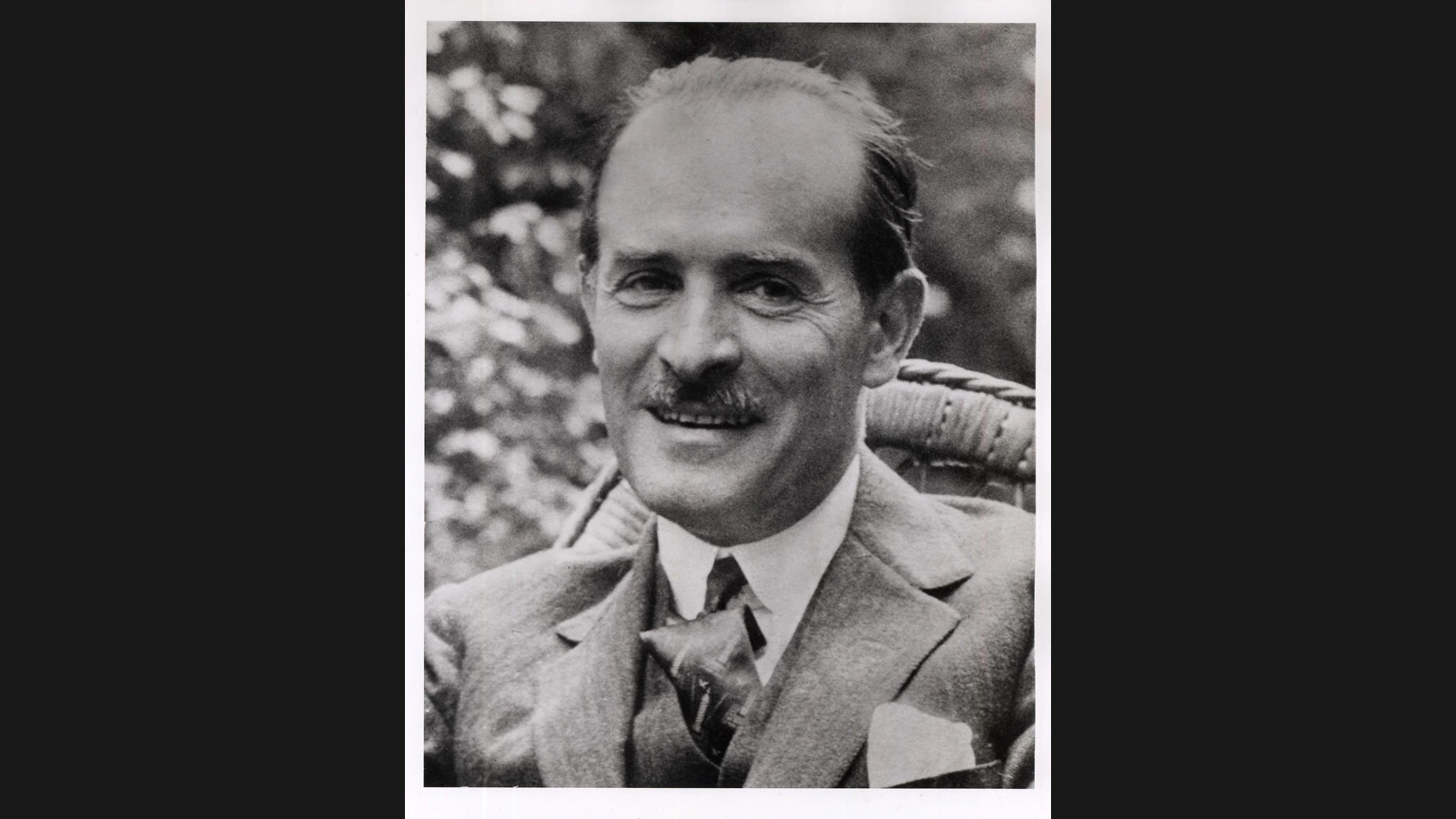
- Raoul Minot secretly photographed occupied Paris.
- A new investigation links two neighbours to a possible denunciation.
- The author of the anonymous letter remains unconfirmed.
Raoul Minot secretly photographed occupied Paris from 1940 to 1942. On November 7, 2026, the English edition of Le Monde published Philippe Broussard’s new investigation linking two of his neighbours, Marie Breux and Georges Robinson, to a possible denunciation to the occupation authorities.
The story began to unfold in 2020, when documentary producer Stéphanie Colaux found an album at a flea market. It contained 377 photographs. Four years of investigation were needed to attribute the work to Minot. In 2025 Broussard published Le Photographe inconnu de l’Occupation, including a selection of the photographs.
Broussard introduces his book in the following video.
The Kodak and the Occupation archive
Minot worked at the Printemps department store. Using a Kodak Brownie 6/9, he photographed soldiers, propaganda posters and buildings damaged by bombing. The store’s photography department gave him access to film processing and printing.
Around 700 of his photographs are known today. Many carry numbers, dates and comments, often mocking the occupiers. This systematic documentation allows historians to connect the images with specific events and explore the photographer’s point of view. Whether the material was intended for a Resistance network remains an open question.
The letter and the new evidence
In November 1942 an anonymous letter was mailed to the French police, describing Minot’s photographic activities and the couple’s employment at Printemps. He was arrested on February 8, 1943, and his camera and photographic material were confiscated. He was subsequently deported to the Mauthausen and Buchenwald concentration camps. He died in April 1945.
In 2026 local history researcher Jean-Pierre Gross found a 1944 report linking Breux and Robinson to the possible denunciation. Le Monde found no record of their conviction.
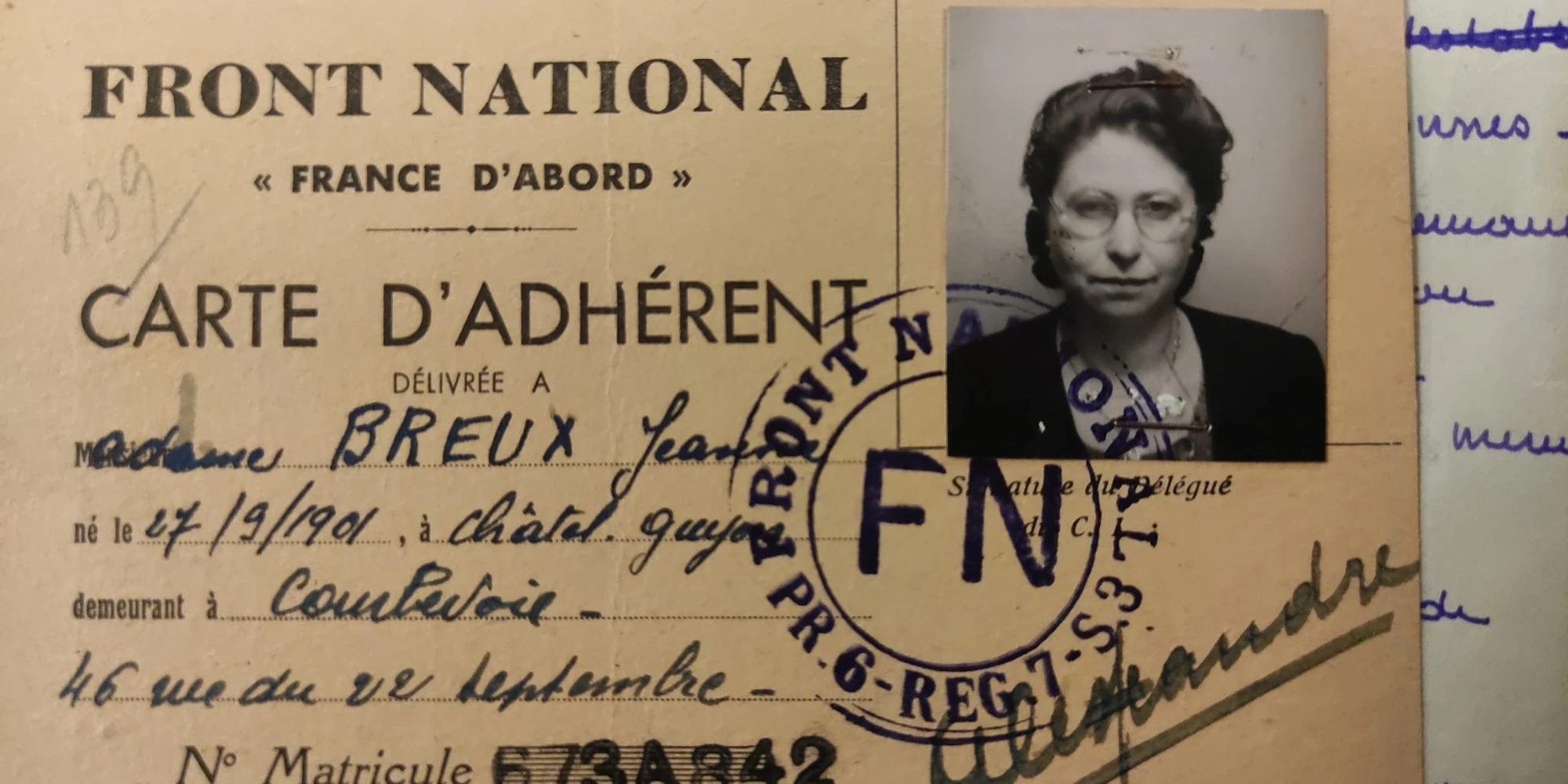
Document examiner Christine Navarro ruled Robinson out as the writer of the letter on handwriting grounds. She lacked sufficient comparison material for Breux. Printemps records also revealed that Robinson had worked there for one month in 1930. Their involvement in the denunciation remains an investigative hypothesis, not an established fact.
The case is historically significant also because of Minot’s belated recognition. Only in September 2024 was he officially recognised as “Mort pour la France”, according to Le Monde’s investigation.
What we think
Minot’s story demonstrates why preserving photographs and their accompanying information matters. Dates, notes and the sequence of frames can turn a set of images into historical evidence. For photographers today, organising originals, captions and metadata, alongside secure backups, is part of the photographic work itself.
It is equally important not to ask an image or a document to prove more than it actually establishes. Documentary photography demands both the courage to record and the precision to interpret. The new investigation into Minot reminds us of both.