Summary
- Vogue brings together more than 320 portraits spanning a century.
- The two-volume edition contains 640 pages.
- The collection highlights different approaches to portrait photography.
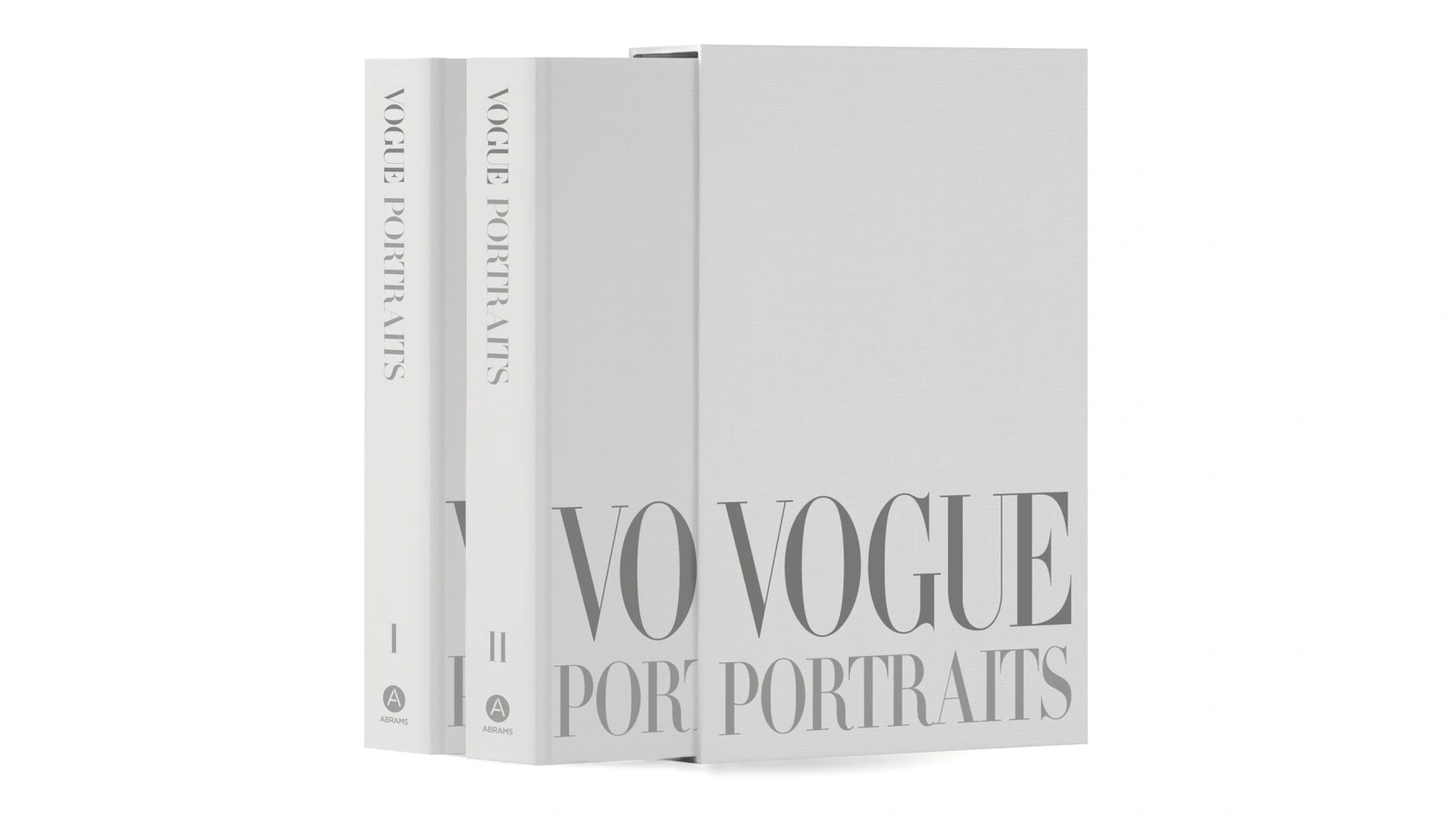
Vogue brings together more than 320 portraits from its photographic archive in a collection spanning a century. Vogue Portraits: A Century of Icons and Idols was published by ABRAMS on October 27, 2026, as two hardcover volumes in a slipcase, totaling 640 pages.
The collection was curated by Vogue’s head of features, Taylor Antrim, with a foreword by Anna Wintour and introductions by Lena Dunham and Chloe Malle. The selection draws on photographs that accompanied, among other things, the magazine’s interviews and profiles.
Chloe Malle presented the collection on TODAY, where she also shared some of her favorite selections from the archive.
Beyond fashion photography
The collection is organized thematically, with sections on cinema, politics and literature, music and theater, sport, art, design and architecture. Its pages include, among others, Cate Blanchett, Madonna, Pablo Picasso, John F. Kennedy, Marilyn Monroe and Audrey Hepburn.
Photographers represented in the collection include Annie Leibovitz, Irving Penn, Richard Avedon, Peter Lindbergh and Steven Meisel. They offer distinct approaches to portraiture, from pared-back composition to staging an entire scene around the sitter.
For anyone interested in exploring the careers of Penn, Avedon and Leibovitz, the Masters of Light collection brings together their work and the defining features of their photographic language.
Four different approaches to portraiture
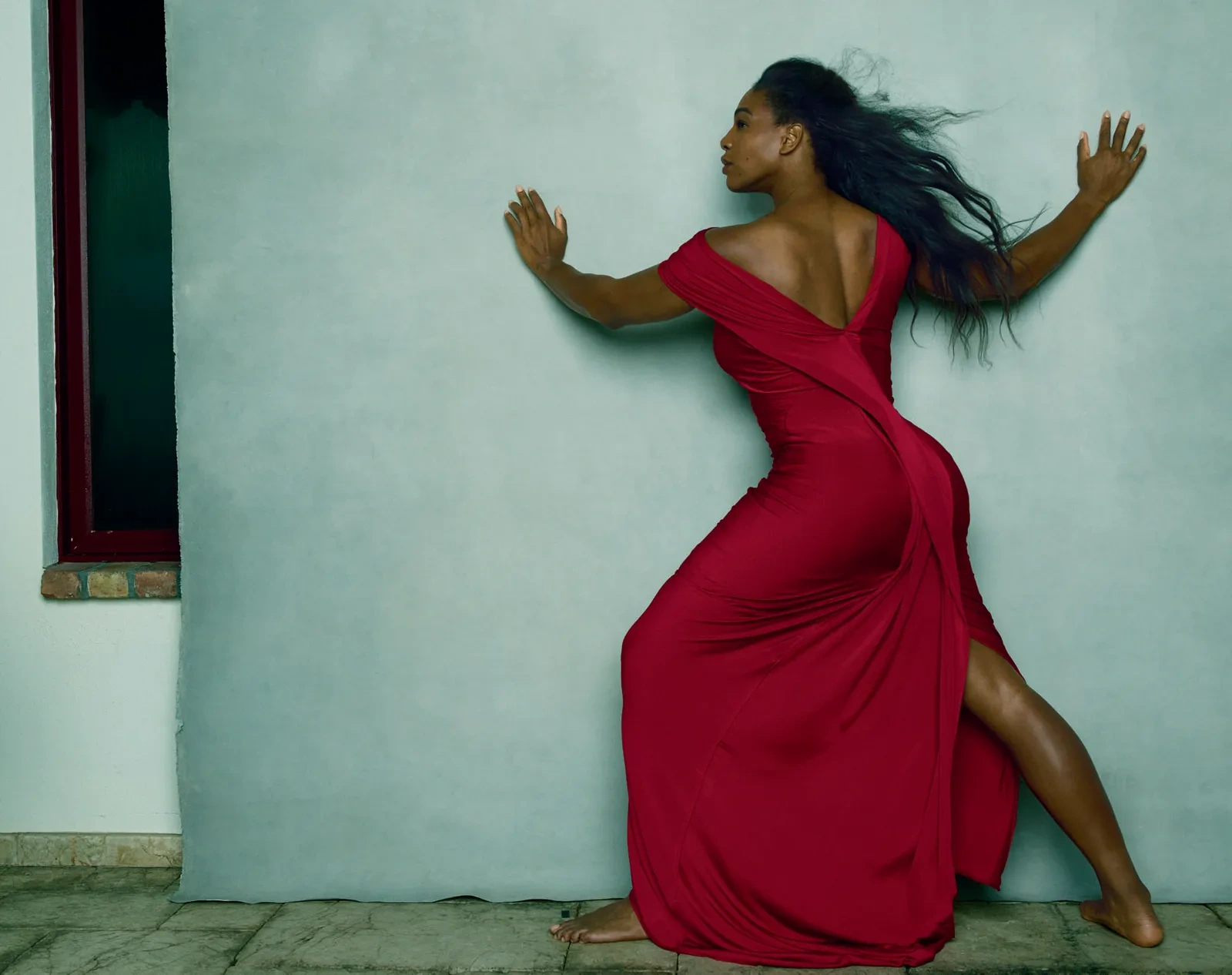
In the full-length color portrait, the contrast between red and the cool backdrop, together with the gesture of the hands, gives the image movement. The negative space on the left is part of the composition, allowing the eye to follow the direction of the body.
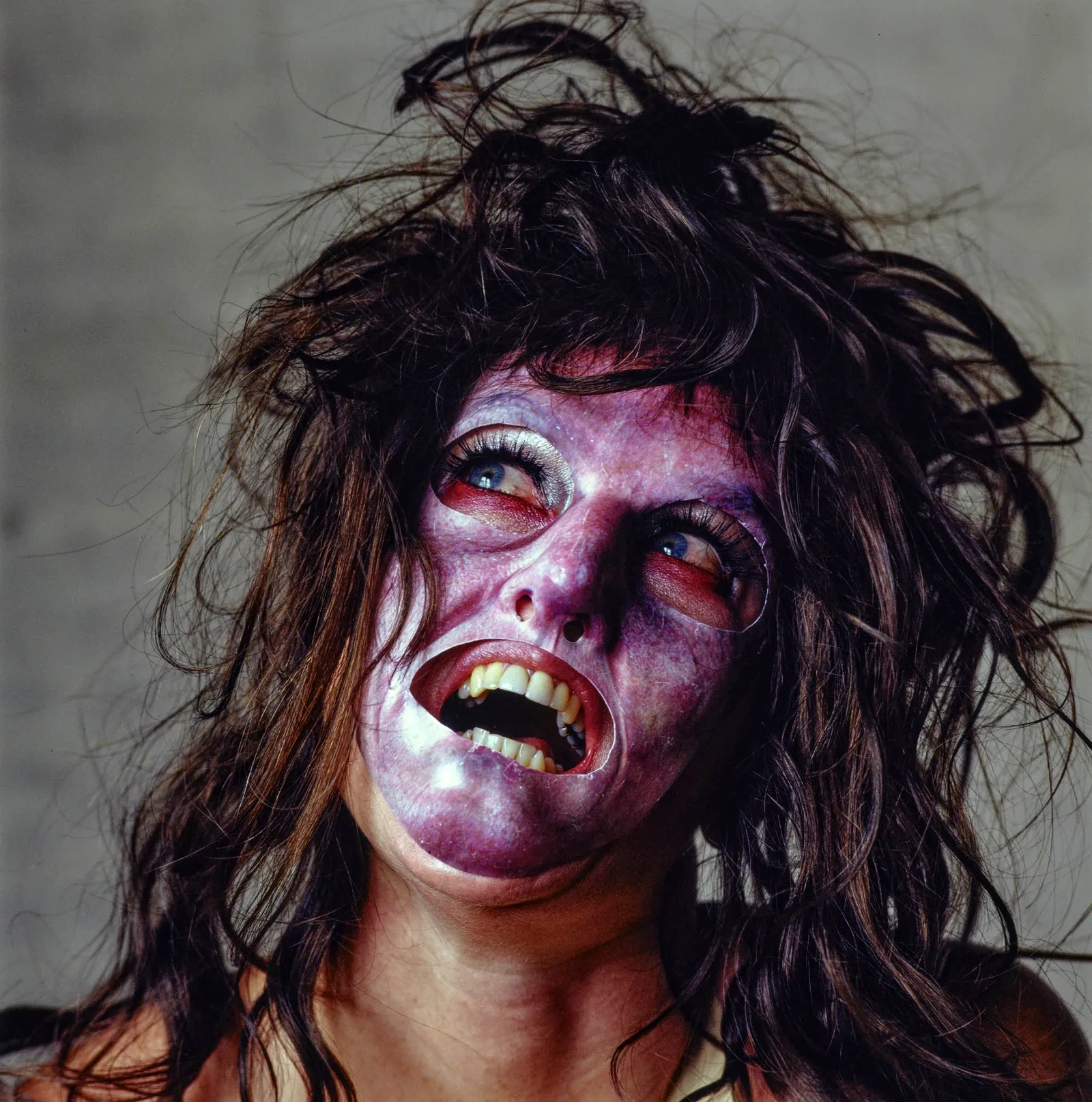
In the close-up portrait, expression and makeup dominate the frame. Rather than aiming for a conventionally flattering image, the photograph uses intensity and exaggeration as storytelling tools.
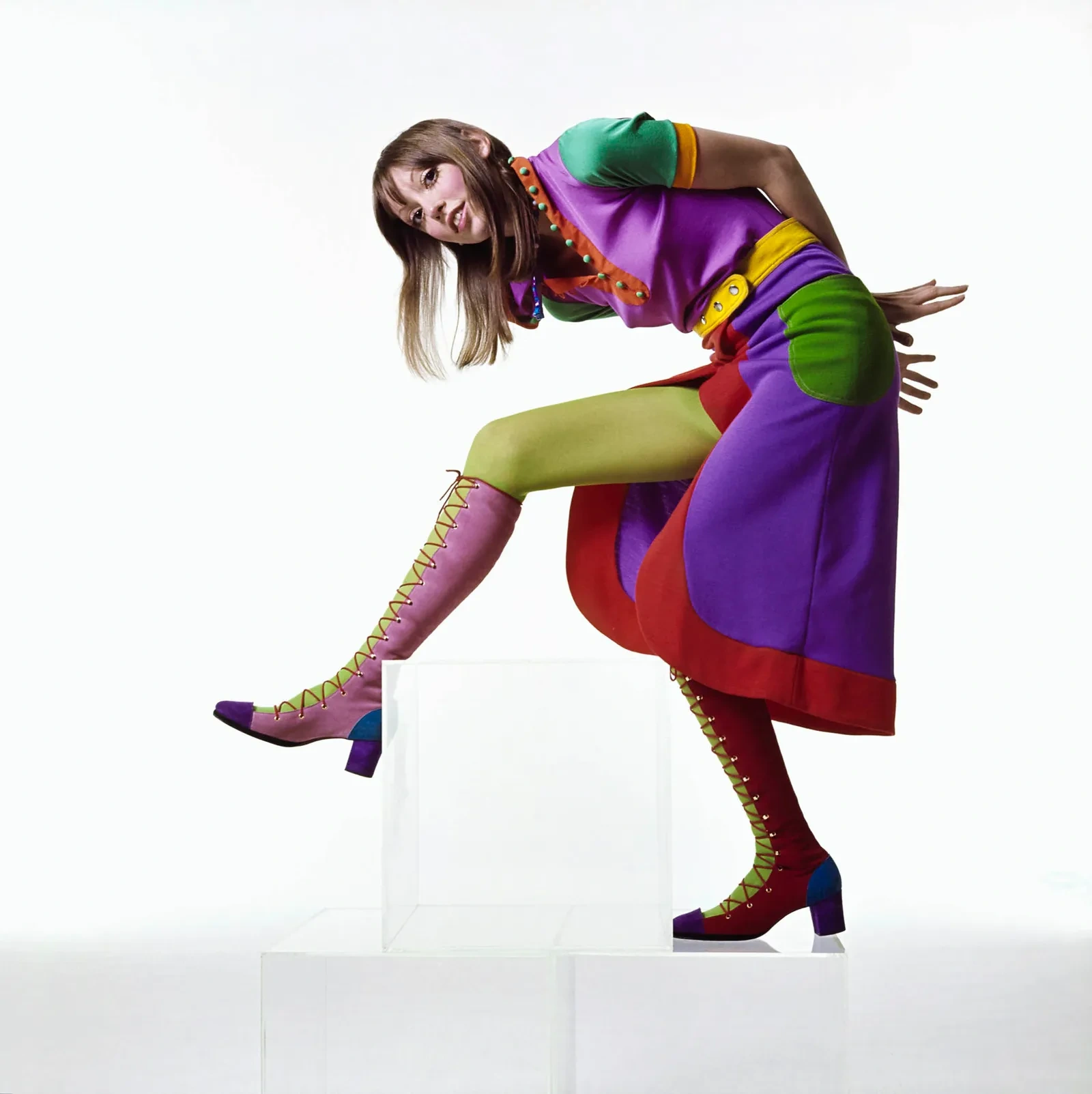
In the colorful portrait against a white background, clothing, pose and geometric elements work together. The absence of an elaborate set allows the line of the body and the colors to define the image.
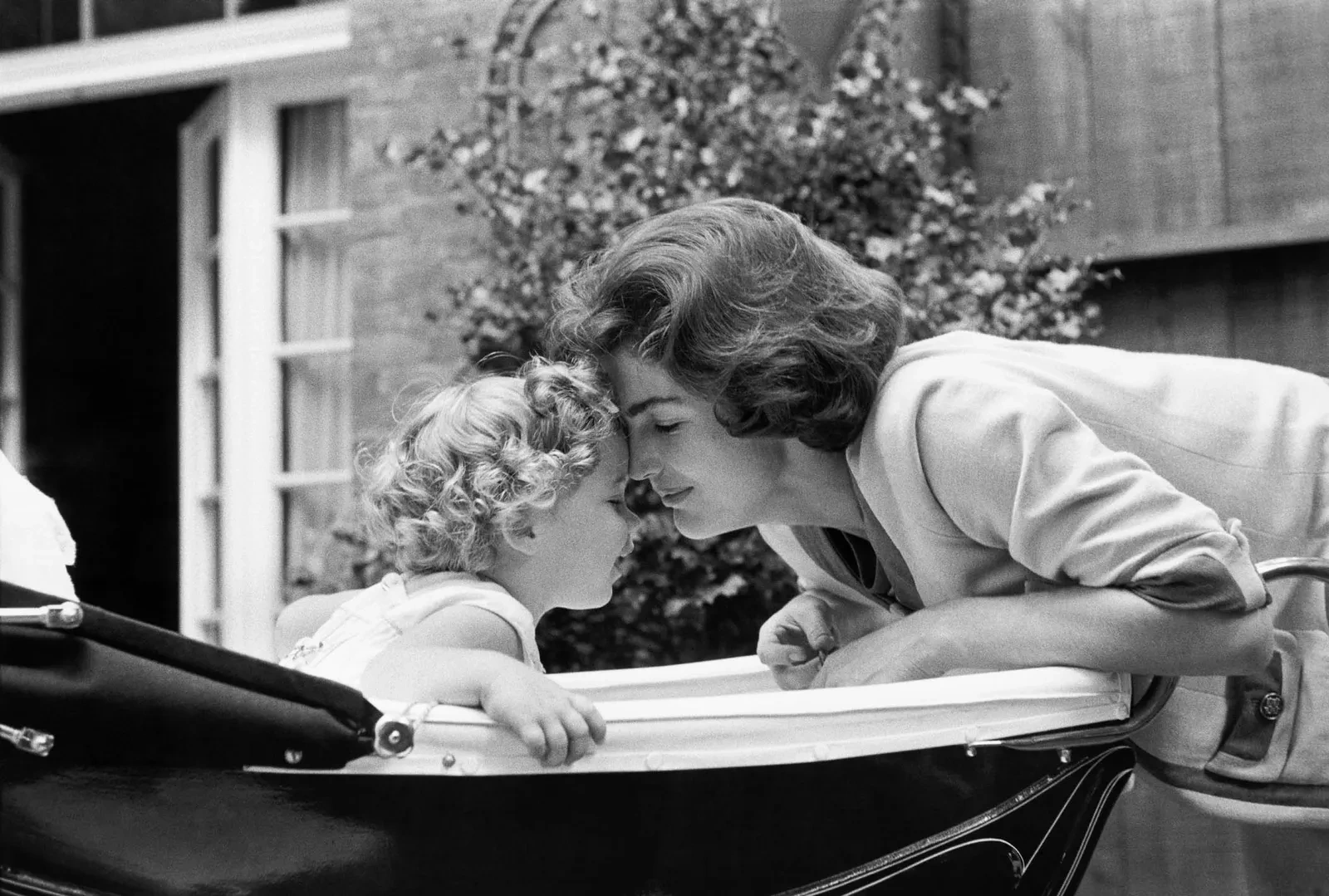
In the black-and-white image, by contrast, the focus is a small gesture between two people. The framing retains the surroundings, but the closeness of the faces draws the eye toward the emotional center of the photograph.
The edition
ABRAMS lists the US price of the two-volume edition at $150, with ISBN 9781419788284. An ebook edition is also available. The price refers to the publisher’s US listing, not the final purchase price in Greece.
The official book page provides details of the edition.
What we think
What makes a collection like this valuable to photographers is not simply the famous names. It is the opportunity to study, side by side, images that solve the same problem in completely different ways: how to portray a person within a frame.
It is worth approaching it with specific questions: where is the subject placed, how is space used, what does styling contribute, and when is a gesture enough to sustain the entire photograph? That kind of observation is more useful on our next shoot than simply copying a lighting setup. At the same time, a magazine archive reflects its editors’ choices; it is not a neutral or complete history of society.