Summary
- Arkivism brings together more than four million public-domain images and videos from 51 collections and institutions in one searchable platform.
- The service promises natural-language search and visual discovery through similar results.
- According to the official description, every asset is CC0 or public domain and can be used for free, including in commercial work.
- For photographers, filmmakers, and designers, Arkivism could become a practical research and reference tool.
Arkivism is a new searchable platform that brings together more than four million public-domain images and videos in one place, aiming to make historical visual research much easier. Instead of relying only on exact filenames or rigid keyword systems, the site says users can describe what they are looking for in plain language and then continue exploring through visually similar results.
According to the platform, the material comes from 51 open collections and institutions, including the Smithsonian, the Library of Congress, The Met, NASA, and the Rijksmuseum. Arkivism says every asset is CC0 or public domain, meaning it can be downloaded and used for free, including in commercial work, while attribution details are ready to copy.

How Arkivism works
The idea behind Arkivism has two sides. First, you can search “by meaning” by typing a subject, an era, a mood, or the kind of image you want. Second, you can open one result and continue the research through similar visuals, which makes the experience feel closer to a visual discovery tool than to a slow, traditional archive search.
For photographers, editors, documentary filmmakers, designers, and educators, that has clear practical value. It can be used for reference, moodboards, historical research, teaching material, or the search for authentic images and footage that can go straight into a final project. Access is free with an account, with no subscription tiers, according to the platform’s official description.
Why it matters to photographers and filmmakers
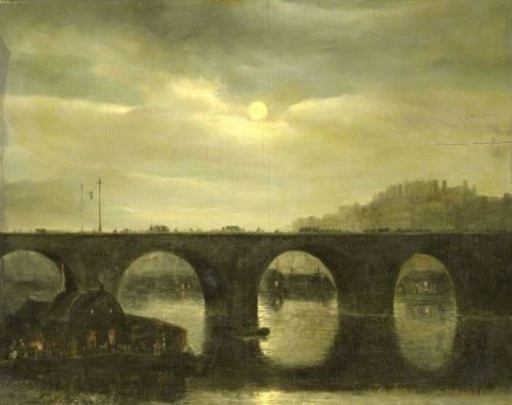
The real value of Arkivism is not just the volume of material, but the way it reduces the friction of searching. At a time when the web is increasingly crowded with AI-generated imagery, a tool that surfaces human-made, historical, and well-documented visual material can be genuinely useful for creators who need real archival context. In the same broader space, it sits alongside Paris Musées, the Arab Image Foundation, and curated lists of free online photo collections.
The rights side is also important. Arkivism emphasizes that each asset is validated as public domain or CC0, which makes the workflow much more direct for professionals. Even so, good practice remains the same: before publishing or using material in commercial production, it is worth checking the original source page as well, especially when attribution conventions or institution-specific notes may apply.
What we think
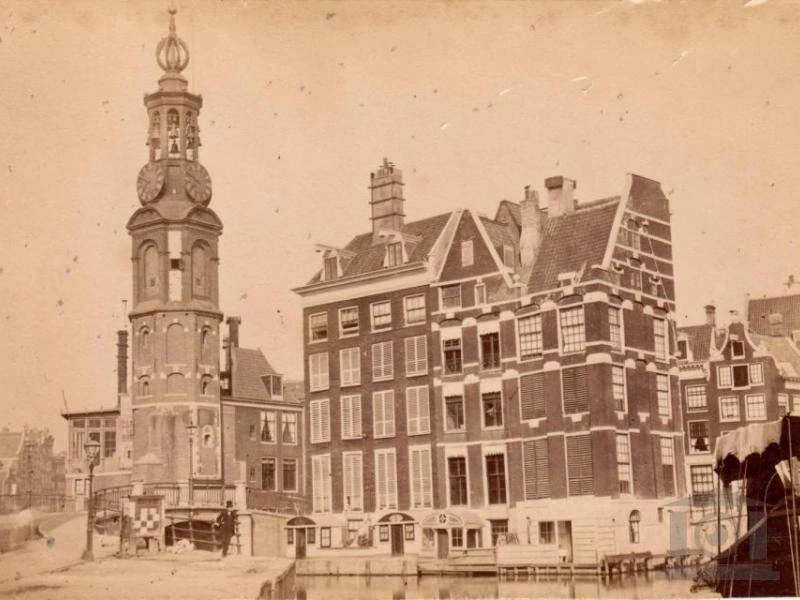
At PTTL, we think Arkivism matters because it shortens the distance between an idea and a trustworthy visual reference. For creators building a treatment, an edit, a presentation, an article, a documentary, or teaching material, the ability to search more naturally and quickly reach clean, usable archive material is a real advantage.
If the service keeps its rights information reliable and continues to expand its sources, it could become a genuinely useful everyday tool for photographers, filmmakers, video editors, designers, and researchers. And that may be the strongest point here: the more the web fills up with synthetic imagery, the more valuable fast access to authentic, human-made, historical material becomes.