Summary
- Jennifer Aniston, Reese Witherspoon, Sylvester Stallone and Chris Pratt lead with about $2 million per episode.
- Many other stars receive $1 million or more.
- These are estimates that can include additional fees.
- A production slowdown has not eliminated the biggest deals.
Two million dollars for a single television episode: the latest star salaries show how much streaming platforms still invest in bankable names even as the number of productions contracts.
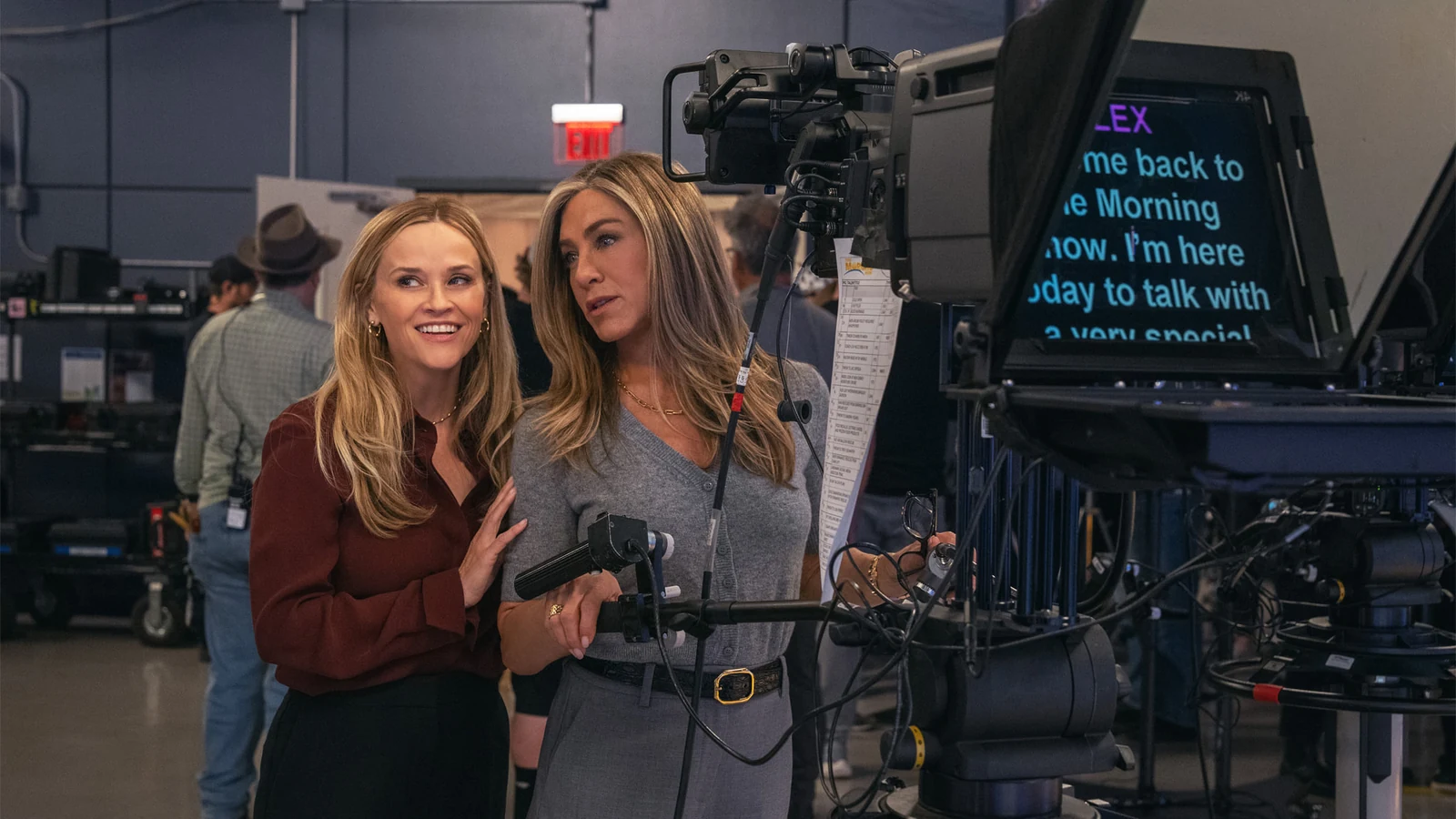
Jennifer Aniston and Reese Witherspoon lead the list for The Morning Show, alongside Sylvester Stallone on Tulsa King and Chris Pratt on The Terminal List. The numbers come from a Variety survey and are approximate estimates, rather than a complete collection of publicly disclosed contracts.
The largest per-episode paychecks
The list includes 21 familiar names, from streaming leads to film stars who have moved into television. Figures are in US dollars; some may include producing fees or additional bonuses.
| Actor | Series | USD per episode |
|---|---|---|
| Jennifer Aniston | The Morning Show | $2,000,000 |
| Reese Witherspoon | The Morning Show | $2,000,000 |
| Sylvester Stallone | Tulsa King | $2,000,000 |
| Chris Pratt | The Terminal List | $2,000,000 |
| Kenneth Branagh | Laird | $1,400,000 |
| Harrison Ford | Shrinking | $1,300,000 |
| Jason Segel | Shrinking | $1,300,000 |
| Cole Hauser | Dutton Ranch | $1,200,000 |
| Kelly Reilly | Dutton Ranch | $1,200,000 |
| Elisabeth Moss | Shining Girls | $1,100,000 |
| Zendaya | Euphoria | $1,000,000 |
| Selena Gomez | Only Murders in the Building | $1,000,000 |
| Steve Martin | Only Murders in the Building | $1,000,000 |
| Martin Short | Only Murders in the Building | $1,000,000 |
| Jennifer Garner | The Five-Star Weekend | $1,000,000 |
| Nicolas Cage | Spider-Noir | $1,000,000 |
| Alan Ritchson | Reacher | $1,000,000 |
| Jake Gyllenhaal | Presumed Innocent | $1,000,000 |
| Robert De Niro | Zero Day | $1,000,000 |
| Andrew Garfield | Wild Things | $1,000,000 |
| Jude Law | Wild Things | $1,000,000 |
Why streaming services pay so much
Platforms are competing for lead performers with the ability to attract viewers to new shows immediately. Apple is widely considered especially competitive on compensation, while HBO, Amazon, Paramount+ and, in certain cases, Peacock also offer substantial deals.
Shorter seasons change the calculation. A run of six, eight or ten episodes requires far less time than the traditional 22-episode broadcast season, making high per-episode rates attractive without tying a performer to one show for almost a full year.
The contradiction: fewer productions, expensive stars
Huge checks at the top do not mean everyone in the business is prospering. A decline in production has reduced opportunities for working actors who previously maintained their incomes by moving among multiple shows.
The tension extends behind the camera. A TIFF discussion on production costs and human creativity also explored the pressure on filmmakers and the changing economics of the industry.
What we think
When four leads command around $2 million per episode, it is worth considering what that says about the rest of a production. A series is not made solely by the names on its poster: cinematographers, camera crews, editors, sound teams and hundreds of other professionals make the work possible.
Streamers are paying for the commercial pull of recognizable talent. That can make business sense, but it does not change the fact that the same industry is offering fewer opportunities below the top tier. For people working in image-making, the number of shows actually being produced tells us at least as much about the industry as the biggest contracts do.