Summary
- The Polish film Wolf Children draws on the story of two young brothers and the work of Wanda Szuman in the 1950s.
- Radosław Dunaszewski directs and Metro Films is producing.
- The cast includes Łukasz Simlat, Jolanta Fraszyńska and Andrzej Chyra.
- Supported by the Kujawy Pomorze Film Fund, the film is scheduled for release in December 2027.
Two young brothers found in Poland in a state of extreme isolation in the 1950s, and an educator who fought for children like them, are at the heart of the new film Wolf Children.
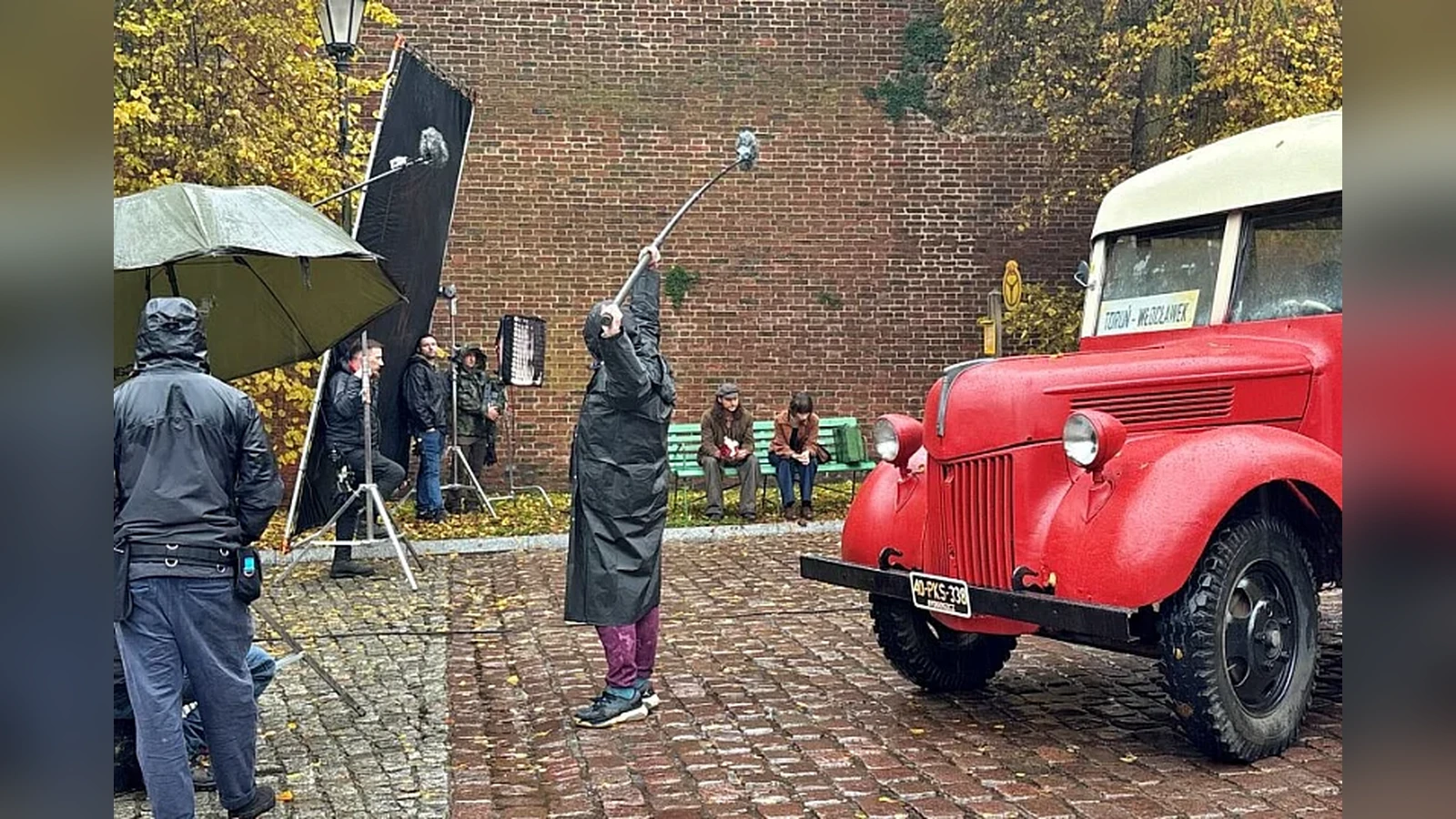
The Polish drama, originally titled Wilcze dzieci, is directed by Radosław Dunaszewski and produced by Metro Films founder Marcin Wierzchosławski. Filming is taking place in Poland, with the release scheduled for December 2027.
The true story behind Wolf Children
The film draws on events from the 1950s, when two young brothers were found in Poland after growing up in profound isolation. The story also follows a mentor and her student as they struggle to protect children affected by the war while confronting the communist regime of the period.
At its centre is Wanda Szuman, a pioneer of special education who worked in Poland’s Kuyavian region. Her real-life work anchors a story about vulnerable children and two women determined to stand up for people pushed to society’s margins.
Łukasz Simlat, Jolanta Fraszyńska and Andrzej Chyra in the cast
The cast includes Łukasz Simlat, Jolanta Fraszyńska and Andrzej Chyra. Fraszyńska portrays Wanda Szuman, while a complete breakdown of all the actors’ roles has not yet been released.
Part of the shoot is taking place in Toruń and the wider Kuyavian-Pomeranian region. Local streets and buildings are being turned into period locations, with vehicles and props reflecting the decades in which the story unfolds.
How regional film funds are supporting the production
Wolf Children has received funding from the Kujawy Pomorze Film Fund, alongside support from European Union funds. The Tumult Foundation and Adam Gudel are co-producers, with local production partners including 1Film and Proxymedia Films.
The regional support is linked to a programme promoting small and medium-sized creative-industry businesses through the placement of local products and services in films. It offers a tangible example of how a production can create opportunities for crews, businesses and facilities beyond the traditional filmmaking centres.
The connection with Camerimage 2026
Łukasz Simlat is also a special guest at the 34th ToruńCAMERIMAGE, taking place in Toruń from 7 to 14 November 2026. At this year’s cinematography-focused festival, another highlight is the opening film Artificial, directed by Luca Guadagnino. Simlat’s presence connects the new Polish production with the international filmmaking community gathering there.
What we think
A story about two children who lived in isolation could easily be marketed as a cinematic curiosity. What makes this project more compelling is Wanda Szuman: a real person who devoted her work to children and others whom society often overlooked. That gives the film a much stronger starting point than an unusual premise alone.
For those of us who make films, the way these experiences are translated to the screen will matter. Portraying vulnerable children, isolation and the aftermath of war demands restraint. Performances, framing and the staging of each scene can bring audiences close to the characters without turning their suffering into spectacle.
The production model is worth watching, too. When a film organisation, a regional fund and local companies work together on a story rooted in their own region, they create opportunities for crews and professionals beyond Warsaw. It is an approach worth considering in Greek filmmaking as well.
Frequently asked questions
Is this related to the 2012 Japanese animated film Wolf Children?
No. Wilcze dzieci is a separate Polish production directed by Radosław Dunaszewski, inspired by events from the 1950s and the life of Wanda Szuman.