Summary
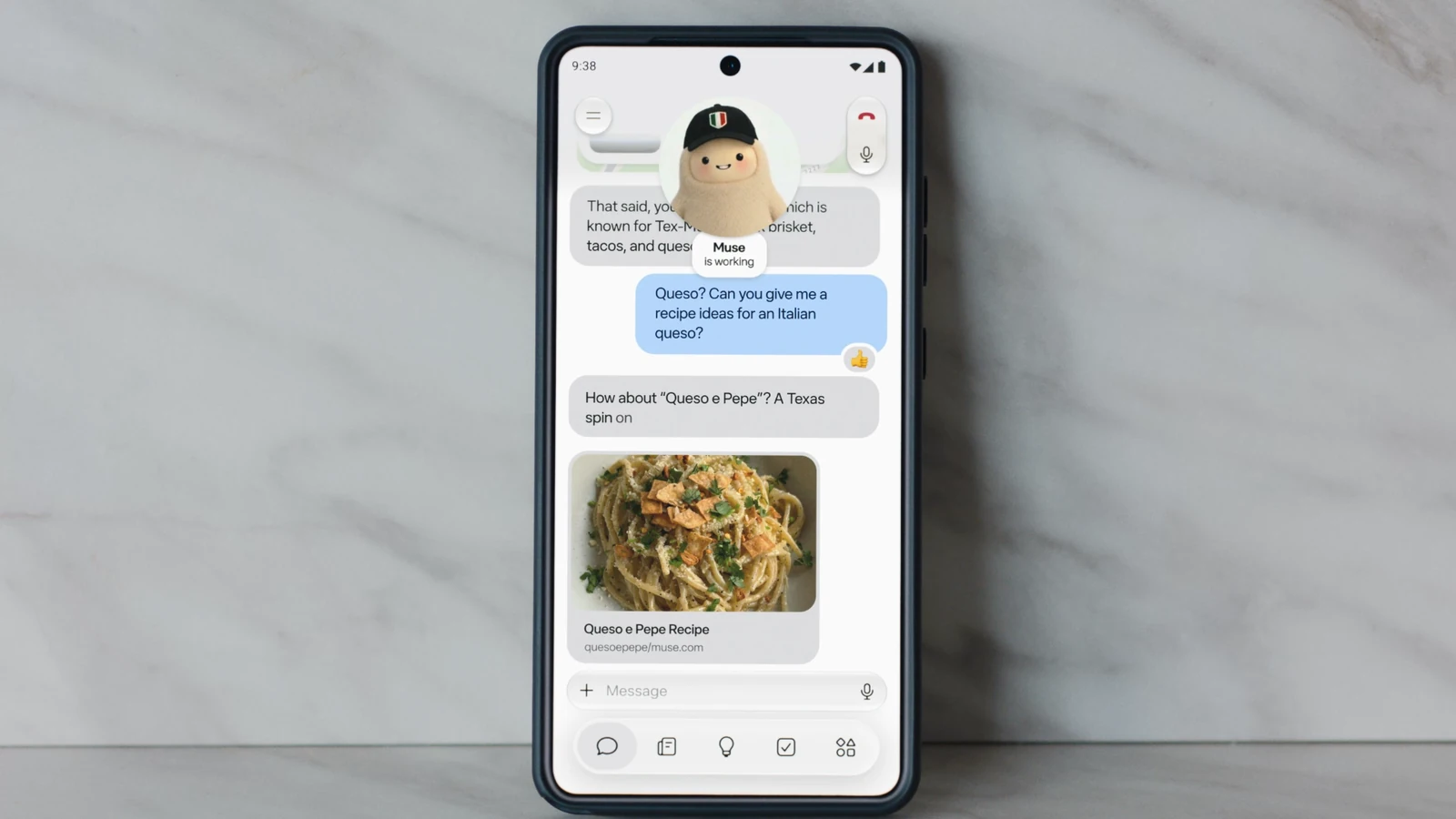
Meta is giving Muse a voice and a face: digital characters can hold conversations and respond with facial expressions and gestures in real time.
First previewed at Meta Connect 2026, the feature began rolling out on November 5 in the Muse app on mobile, web and Mac. Users start a conversation by tapping the phone icon in the top-right corner, with the initial rollout limited to the United States.
Speak naturally instead of writing prompts
The new feature lets you talk through an idea, prepare a presentation or rehearse for an interview by speaking to Muse. Meta says the assistant can keep working in the background while the conversation continues. Responses arrive quickly, and you can interrupt Muse when needed.
There are hundreds of voice options, ranging from everyday conversational styles to more distinctive characters. Users can switch voices to suit the tone they want for the interaction.
An avatar that reacts as it listens and speaks
Muse Realtime Avatar gives the voice assistant a visual presence. The character responds while listening and uses facial expressions and gestures as it speaks, matching the tone of the conversation.
Users can choose between three modes: voice only, an avatar alongside the conversation, or a full-screen avatar. The visual character is therefore optional rather than a requirement for using Muse.
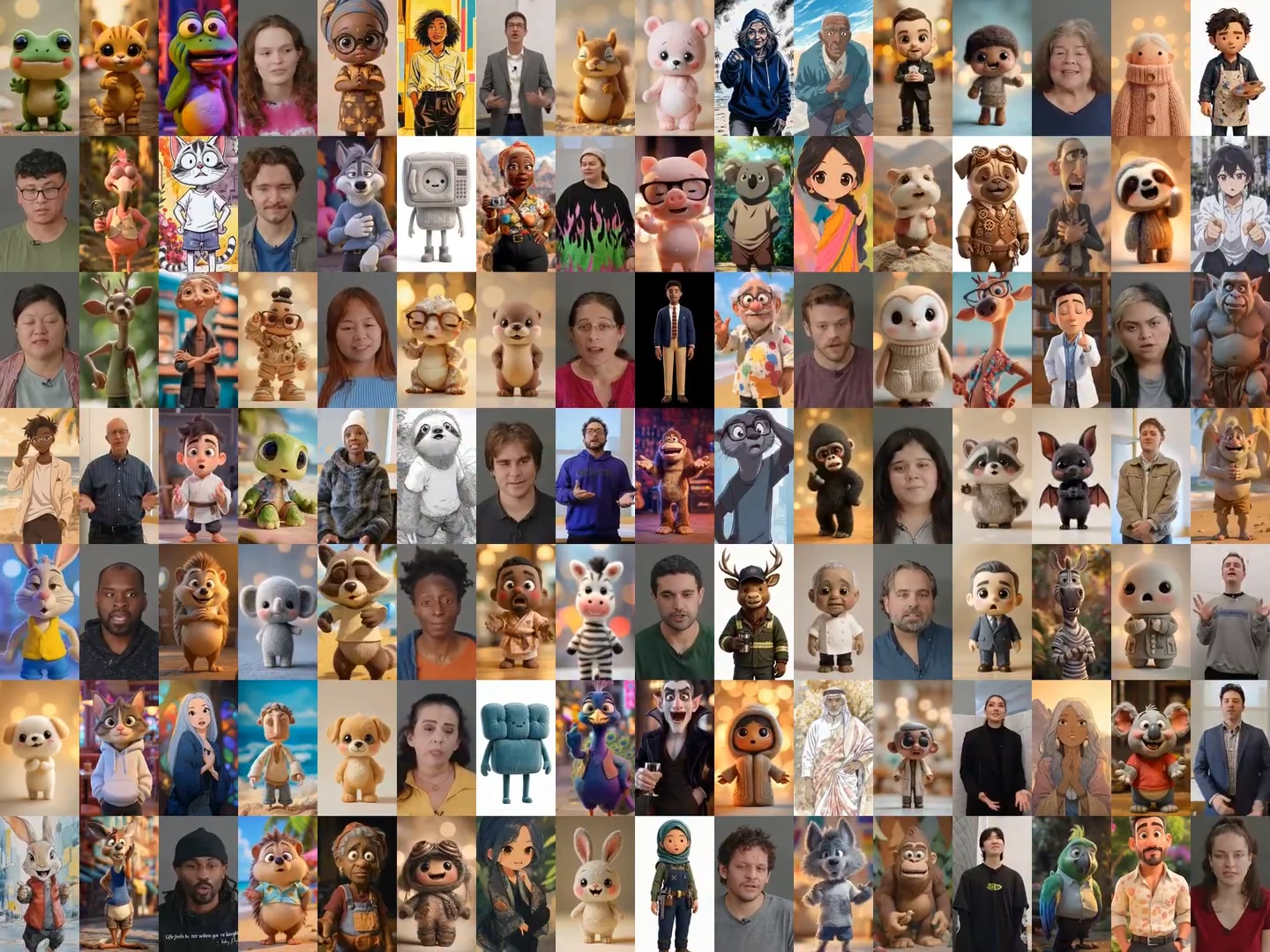
What this means for video creators and digital characters
Muse focuses on live interaction with a digital conversational partner. That is a different use of AI from tools such as Luma AI Ray3 Modify, which work with recorded footage to transform characters and scenes. Here the aim is for a character to respond as you speak to it.
For creators, this suggests possibilities for interactive presentations, educational experiences and rehearsing a narrative. The announcement, however, is about conversations in Muse; it does not introduce a dedicated tool for exporting finished avatar videos or producing cinematic shots.
More information here.
Availability and what comes next
Voice and expressive avatars are rolling out in the US first. Meta has not announced a release date for Greece. It also says voice conversations with Muse will come to AI Glasses and Muse Charm, without giving a specific date for those features.
What we think
If you make videos, presentations or digital experiences, the important detail here is synchronization. An avatar moving its mouth is not enough: expressions and reactions need convincing timing, otherwise the exchange feels like two disconnected pieces of audio and video.
The rehearsal angle is particularly appealing. You could test how a pitch sounds, structure a presentation and hear responses in the moment instead of exchanging text messages with an assistant.
Professional character production would call for a very different set of controls: performance direction, repeatability, recording options and clear usage terms. Those are not capabilities established by this announcement. Muse’s immediate appeal is making AI conversations more visual and responsive.
Frequently asked questions
Can I export videos featuring Muse avatars?
The announcement describes interactive avatars for conversations and does not introduce a tool for exporting finished videos featuring these characters.
When will this be available in Greece?
The initial rollout is in the United States. No official date has been given for Greece or the rest of Europe.