Summary
- Birdbuddy introduced the compact Nook smart feeder starting at $99.
- Its camera captures 5MP HDR photos with a 135-degree field of view.
- The app supports AI bird identification and live viewing.
- The solar version costs $159 and deliveries are scheduled to begin in November.
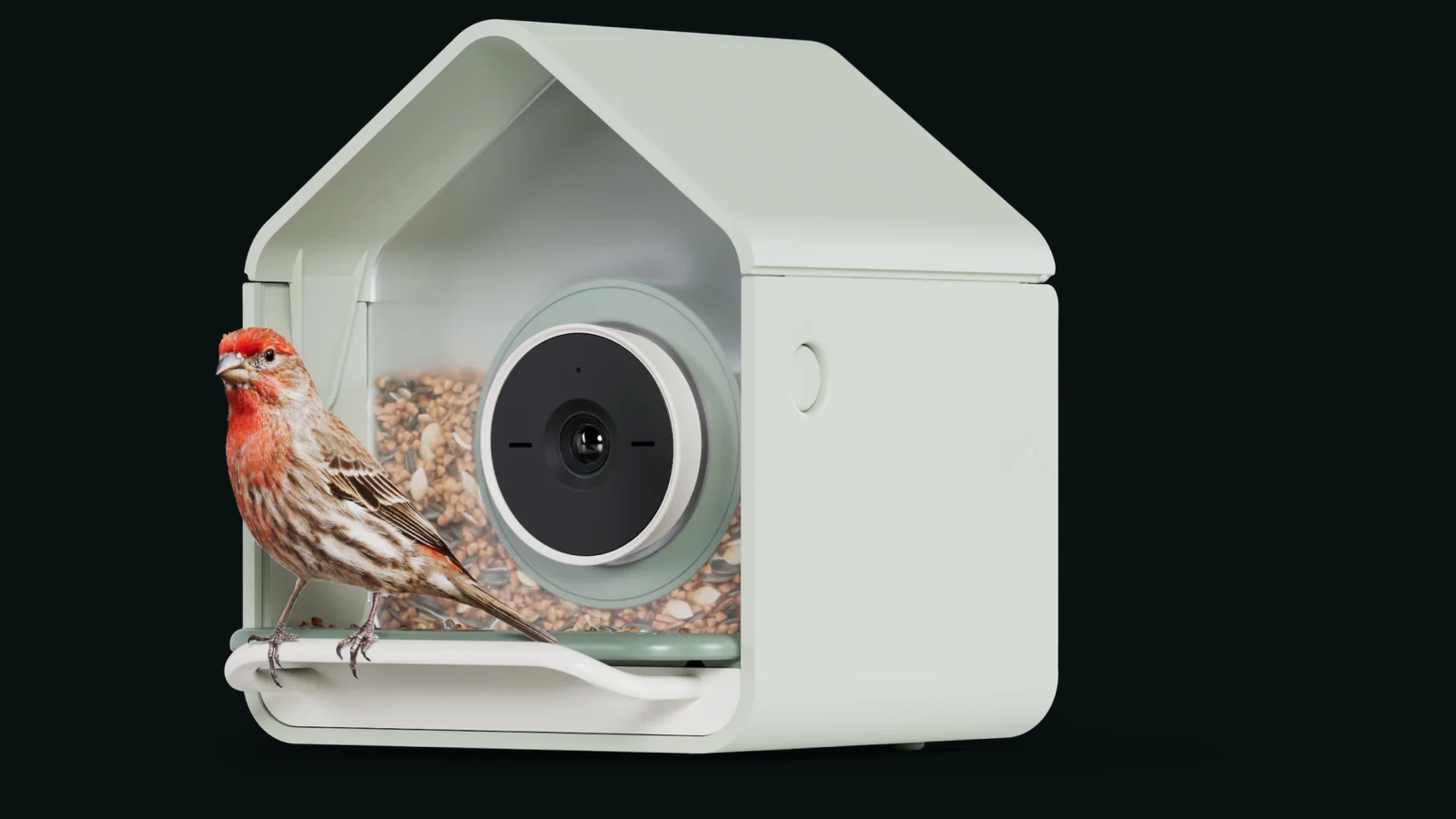
The Birdbuddy Nook brings a camera, AI-assisted species identification and a $99 starting price to the backyard bird feeder.
Birdbuddy announced the smart feeder on October 22, 2026. First shown at CES 2026 as the Birdbuddy 2 Mini, it now arrives under the Nook name, aimed at smaller outdoor spaces and people buying their first connected bird feeder.
What the camera captures
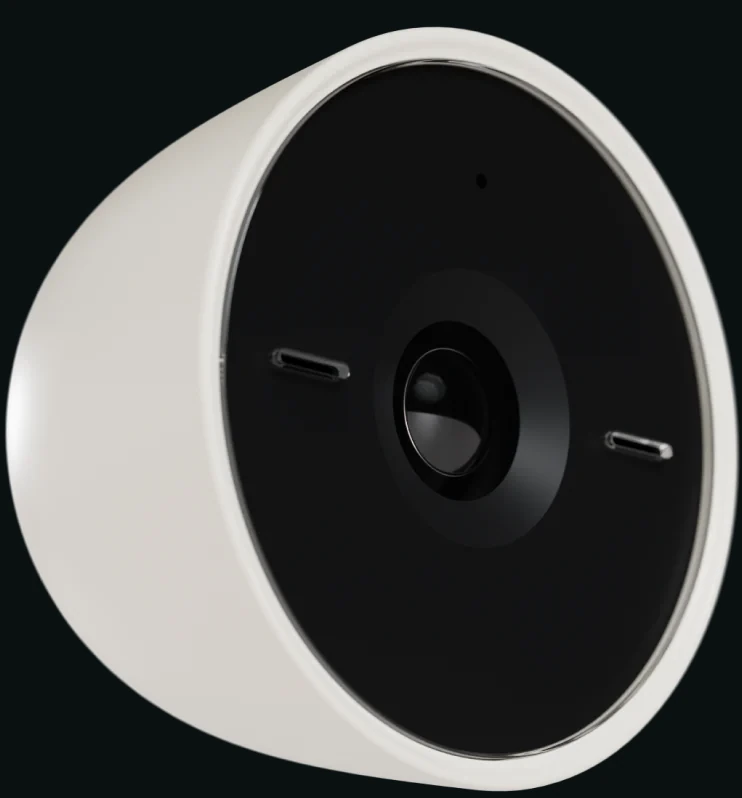
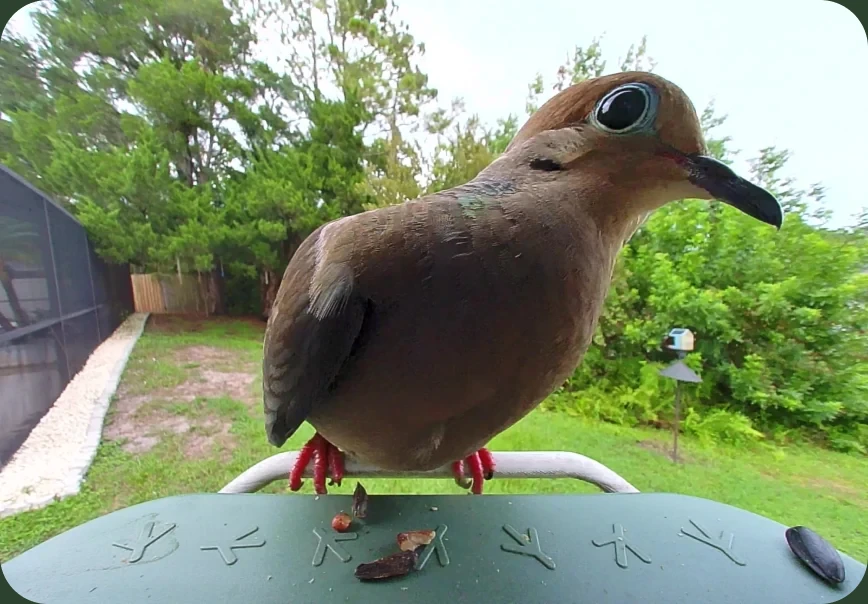
The circular camera has a 135-degree field of view, captures 5-megapixel HDR photos and supports landscape or portrait framing. Birdbuddy calls the camera “2K HDR” in its announcement, while its detailed specifications list Full HD HDR video with slow-motion functionality, without clearly explaining the difference between those descriptions.
Instant wake-up and continuous capture are designed to record short visits without needing someone behind the camera. For anyone tracking the species visiting a garden, automatic recording is much more useful than having to wait outside with a camera.
Species recognition and phone notifications
The Birdbuddy app connects over 2.4GHz Wi-Fi and sends notifications when birds arrive. It offers AI species recognition, live viewing and features that flag pets near the feeder or potentially sick birds. Optional paid memberships are also offered, so buyers should check which specific features are included in the free tier.
The approach is related to AI-powered wildlife observation cameras, but here the camera is fixed close to the food, providing a much tighter view of visiting birds. Compared with AI-assisted bird identification through a spotting scope, Nook is a stationary observation device rather than something used to search for species in the field.
Setup, battery and weather protection
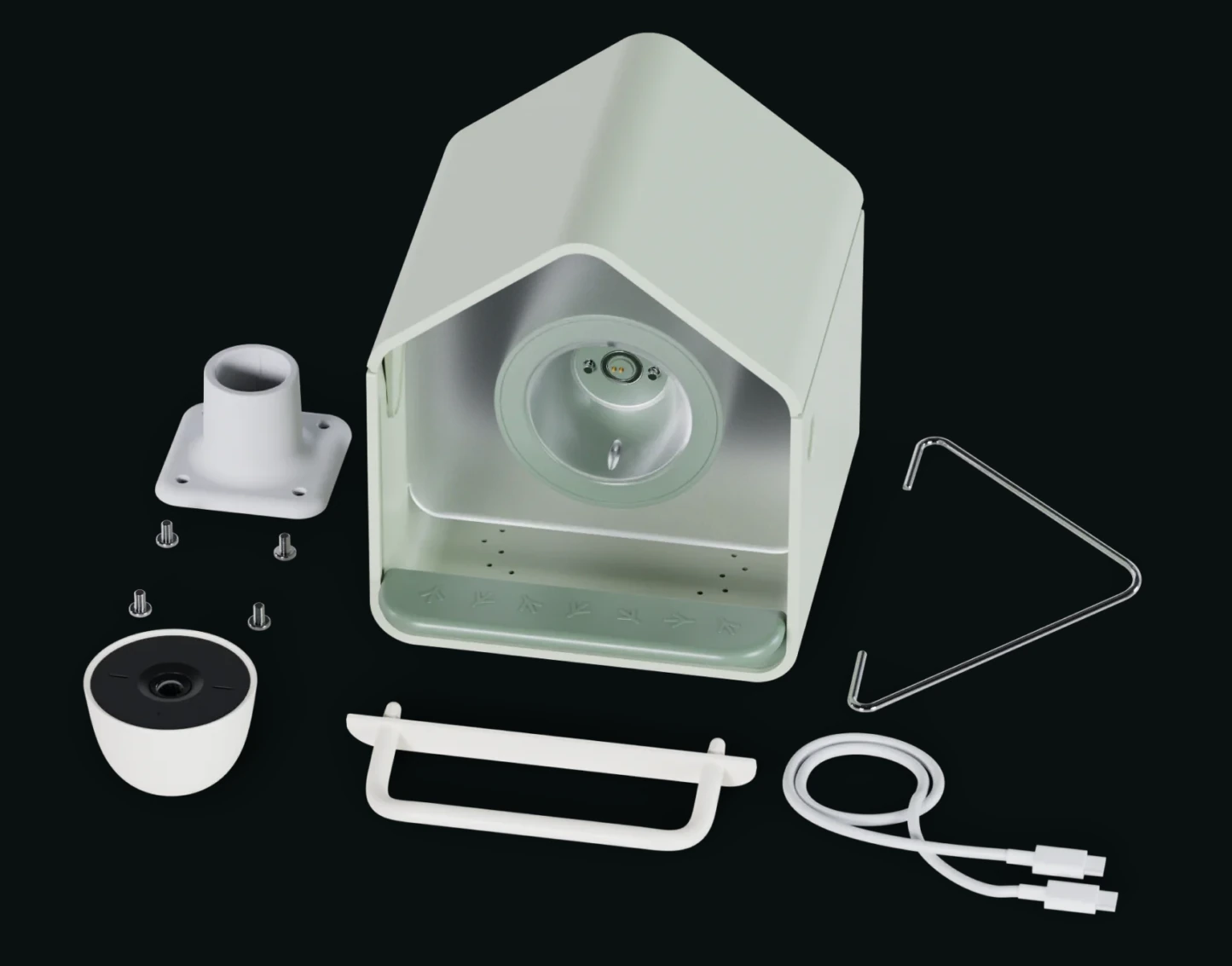
Nook holds 0.9 liters of seeds (3.8 cups) and has a removable camera, a 3,900mAh battery rechargeable via USB-C and IP67 protection for the camera module. The company says battery life can reach around one month per charge, depending on bird activity and livestream usage.
The package includes a metal hanger, universal pole mount, screws, USB-C cable and clip-on perch. A wall mount is optional, while the Solar version adds a roof-mounted panel to reduce the need for manual charging.
More information here about Birdbuddy Nook and more information here about Birdbuddy Nook Solar.
Price and availability
Birdbuddy Nook starts at $99 for the standard model and $159 for the Solar version. The official product page says deliveries begin in November 2026. These are announced US-dollar prices; an official European price for these configurations was not found.
The larger $219 Birdbuddy Home was also introduced, with a six-cup seed reservoir and two integrated solar panels. It is a separate model focused on fewer refills and charging sessions.
What we think
For bird photographers, the appeal of Nook is not that it replaces a telephoto lens. It is the chance to see behavior and visits from close range that would be difficult to capture without being present at exactly the right moment. Even a simple record of frequent visitors could be a useful starting point for more structured wildlife observation.
The 135-degree field of view makes it easier to fit a moving bird into the frame, but it gives a different look from the compressed perspective of a telephoto lens. And if a garden is busy with birds, the small 0.9-liter seed container will need refilling more often. Those practical details matter more than a flashy AI description.
We would also look beyond the $99 entry price: a solar roof, additional mounts and any membership needed for particular app features can change the total cost. With careful placement and regular cleaning, though, this is an accessible way to observe wildlife right outside the window.
Frequently asked questions
Does it need Wi-Fi?
Yes. Birdbuddy Nook connects to the app over a 2.4GHz home Wi-Fi network, so the feeder needs to be within network range.
Can it work without the solar roof?
Yes. The standard model has a rechargeable 3,900mAh battery and charges via USB-C. The Solar version reduces the need for manual charging depending on available sunlight.