Summary
- Heidi Levine tells CNN about her beating by Israeli settlers.
- The attackers also took memory cards containing work from Ukraine.
- She highlights Palestinians’ role in her rescue and the daily threat they face.
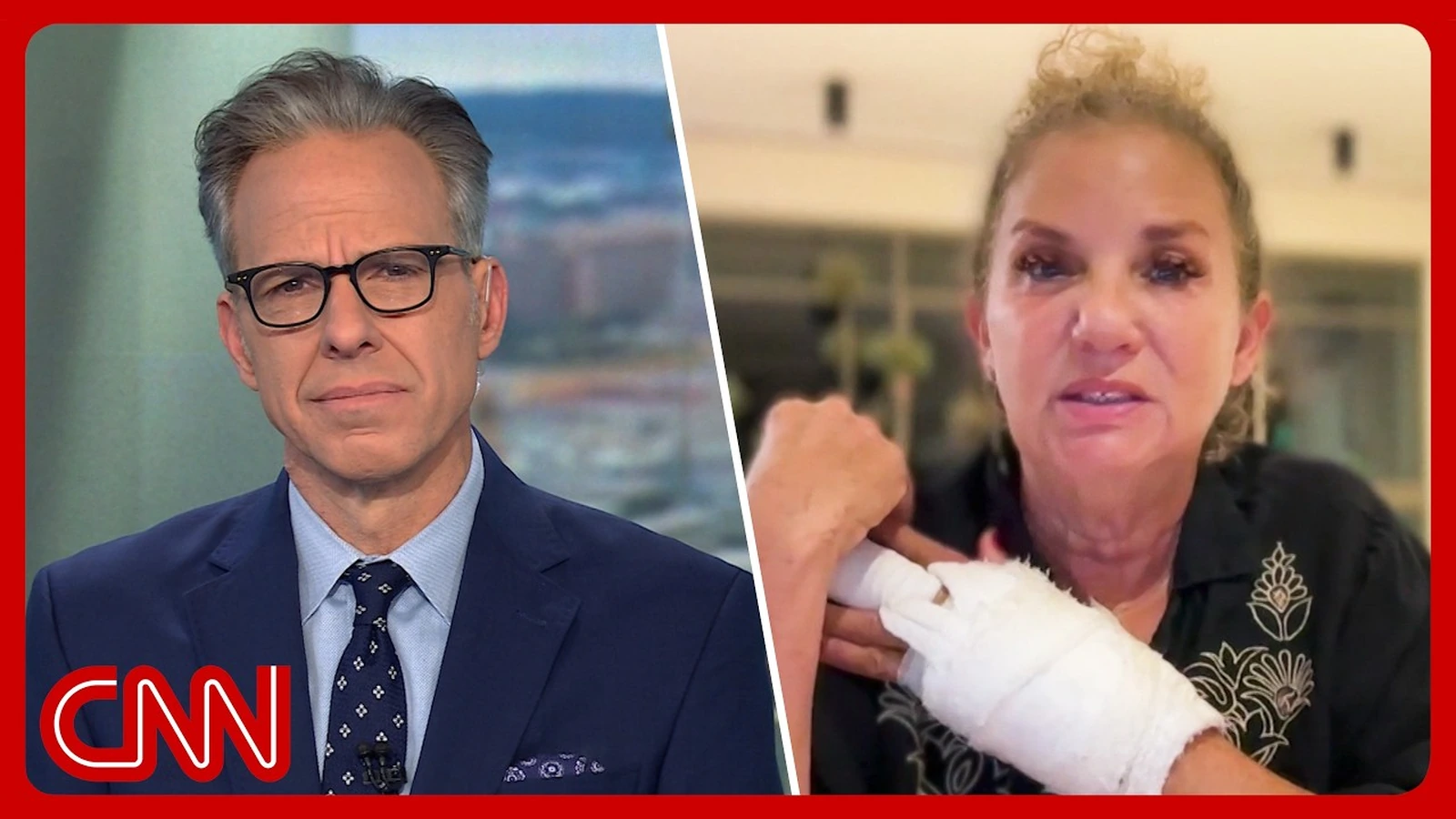
Heidi Levine says that, as Israeli settlers beat her on the ground, she considered pretending to be dead in the hope they would stop. In her interview with Jake Tapper, broadcast on October 22, the Washington Post photojournalist describes her rescue and draws attention to Palestinians who face this violence every day.
The attack on Levine during the olive harvest took place on October 16, 2026, near Abu Falah in the occupied West Bank. When she spoke to CNN, she had just returned home from hospital.
The interview on CNN:
The helmet, the vest and the memory cards
Levine says her helmet and protective vest were crucial as she was kicked and hit with sticks. That morning, the journalists had discussed the need to wear both despite the additional weight.
The attackers took her cameras, lenses, passport and personal belongings. They also took memory cards containing work from Ukraine, where she had spent three weeks on assignment.
They lifted her to take her equipment
The photojournalist rejects Benjamin Netanyahu’s interpretation that the images showed people helping her. She explains that they lifted her because they were struggling to remove all the equipment from her shoulders.
She also describes another attack during her rescue. Palestinian men moved in front to protect her and the people getting her out. Levine credits their intervention with preventing her rescuers from ending up in the same situation.
The safety other victims do not have
She acknowledges that her American citizenship and work for the Washington Post brought international attention to her case. She is now in a safe place. Palestinians she has met after similar attacks, she stresses, remain exposed to the daily threat. The experience has strengthened her commitment to keep working.
The assault follows the beating of AFP photographer Jaafar Ashtiyeh near Aqraba on October 6. He, too, was covering the olive harvest, and his attackers took his photographic equipment.
What we think
The fact that a photojournalist considers pretending to be dead to survive says a great deal about the conditions in which she is expected to work. A helmet and vest serve a practical purpose, but protecting journalists cannot end with what they manage to wear or endure. Responsibility for the attack lies with those who carried it out.
For a photographer, having memory cards taken also strikes at the record itself. Losing equipment can mean losing access to weeks of work. Accountability therefore needs to address both the physical violence and the taking of the tools and material used to document events.
Levine insists on something that needs to remain part of the discussion: the safety she has after leaving hospital is not available to everyone. International attention to her case should translate into pressure on the Israeli authorities to protect civilians and journalists and hold perpetrators accountable. Otherwise, the people who remain there will keep paying the price when the cameras of international news turn elsewhere.