

Summary
- AI-enhanced bird photos may contaminate citizen science databases.
- Researchers warn that even minor edits can alter species identification.
- The issue could affect biodiversity monitoring and climate research.
- Scientists call for stronger verification of AI-edited images.
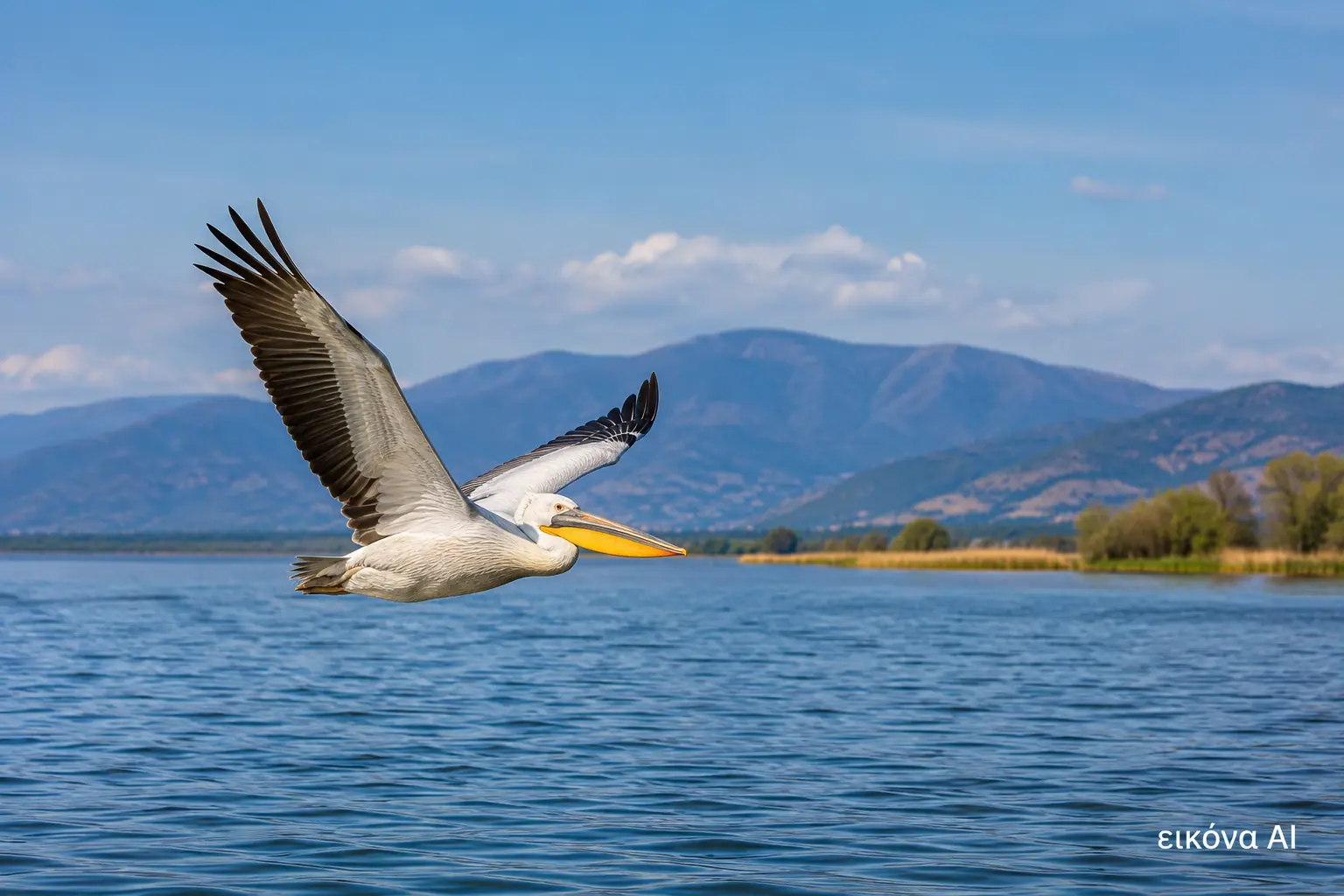
AI-enhanced bird photographs may create false species records and undermine the reliability of scientific biodiversity databases.
Scientists warn that the growing use of artificial intelligence to enhance wildlife photographs could compromise valuable data used in biodiversity research. According to a correspondence published in Nature Ecology & Evolution, even subtle edits may change a bird’s identifying features, leading to incorrect species identification and false records.
This matters because millions of people contribute observations to citizen science platforms every year. These databases are widely used to monitor species distributions, migration patterns and the effects of climate change. If inaccurate records accumulate, scientific conclusions may also be affected.
Why seemingly harmless edits matter
Researchers say the main concern is not entirely fake images but genuine photographs enhanced with generative AI. Removing branches, sharpening details or reconstructing missing areas can unintentionally introduce features belonging to another species.
One reported case involved a common bird photographed in Brazil that, after AI enhancement, appeared to display characteristics of a different species, resulting in misidentification.
Citizen science databases
Platforms such as iNaturalist and the Macaulay Library are important sources of biodiversity data collected by birdwatchers and nature enthusiasts. Scientists rely on these records to study wildlife populations and conservation trends.
The authors urge citizen science platforms to strengthen AI image detection systems and establish clear policies regarding AI-edited submissions.
What we think
Artificial intelligence can be a valuable image-editing tool, but whenever photographs are used as scientific evidence, transparency about any AI intervention is essential to preserve data quality.
Frequently Asked Questions
Why are AI-edited bird photos a concern?
Because AI may alter identifying features and lead to incorrect species identification.
Which platforms are affected?
Citizen science platforms such as iNaturalist and the Macaulay Library.
Is the problem limited to completely fake images?
No. Researchers believe enhanced real photographs may pose an even greater challenge.
What do scientists recommend?
They call for improved image verification and clear policies regarding AI-edited content.