Summary
- Audun Rikardsen won the 2026 OurNature Image of the Year with A Seal’s Nightmare.
- Alain Schroeder was recognised for his Saving Orangutans series.
- This article presents 21 images from the winners and the awarded series.
- Greek photographer Agorastos Papatsanis served on the jury.
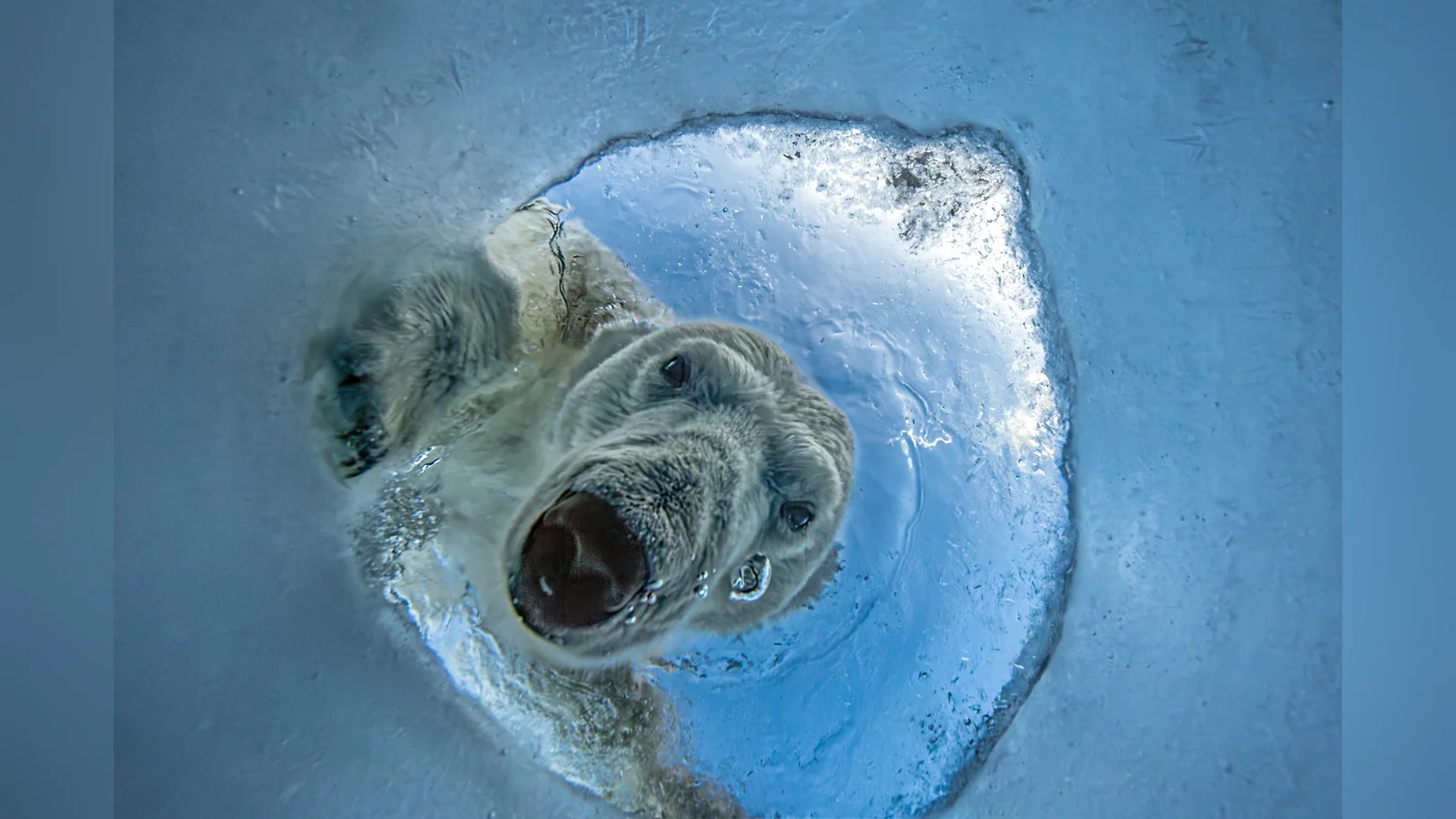
A polar bear looks straight into an underwater camera through an opening in Arctic sea ice, earning Audun Rikardsen the top distinction at the 2026 OurNature Photo & Video Awards.
“A Seal’s Nightmare” places us in the position of potential prey. Meanwhile, Alain Schroeder’s “Saving Orangutans” demonstrates how photography can document the effort to protect threatened wildlife.
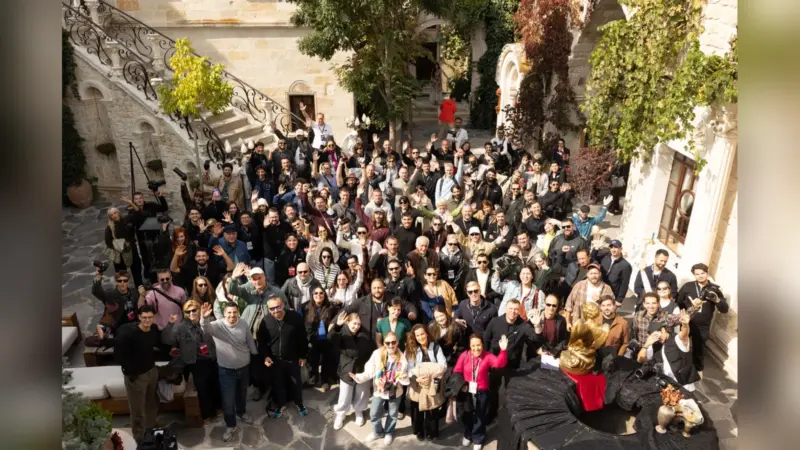
The competition received 2,105 entries from 158 photographers in 35 countries, according to its official finalists announcement. The awards were celebrated in Budapest on 15 October 2026.
Image of the Year and the category winners
A Seal’s Nightmare — Audun Rikardsen (Pure Nature – Water / Image of the Year). A polar bear peers into an ice opening, photographed from a seal’s underwater point of view.
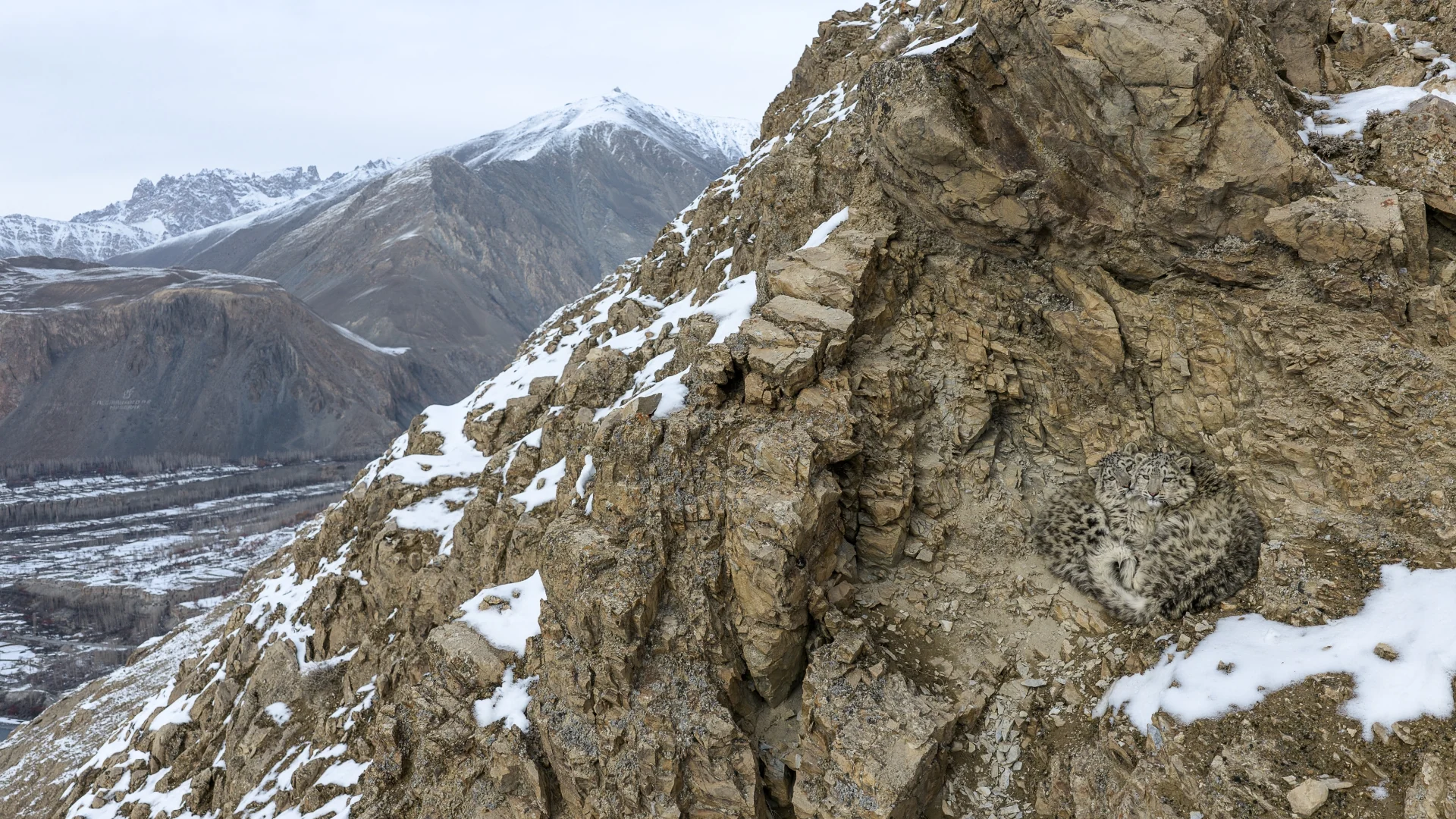
Hidden in Plain Sight — Awais Ali Sheikh (Pure Nature – Land). The photograph explores how a subject disappears into its natural surroundings.
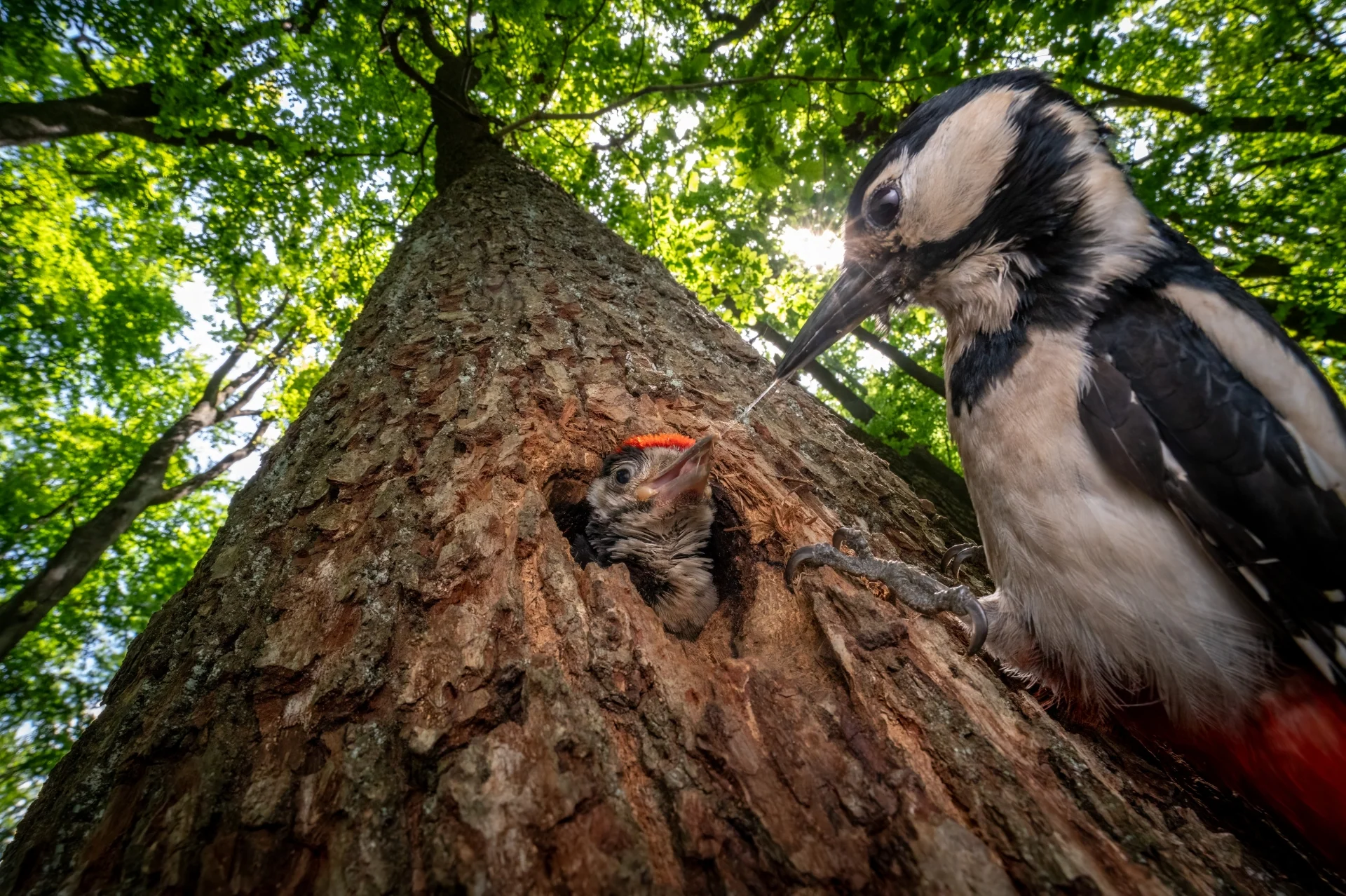
The Busy Feeder — Jan Pokluda (Pure Nature – Air). A feeding scene turns animal behaviour into a decisive photographic moment.
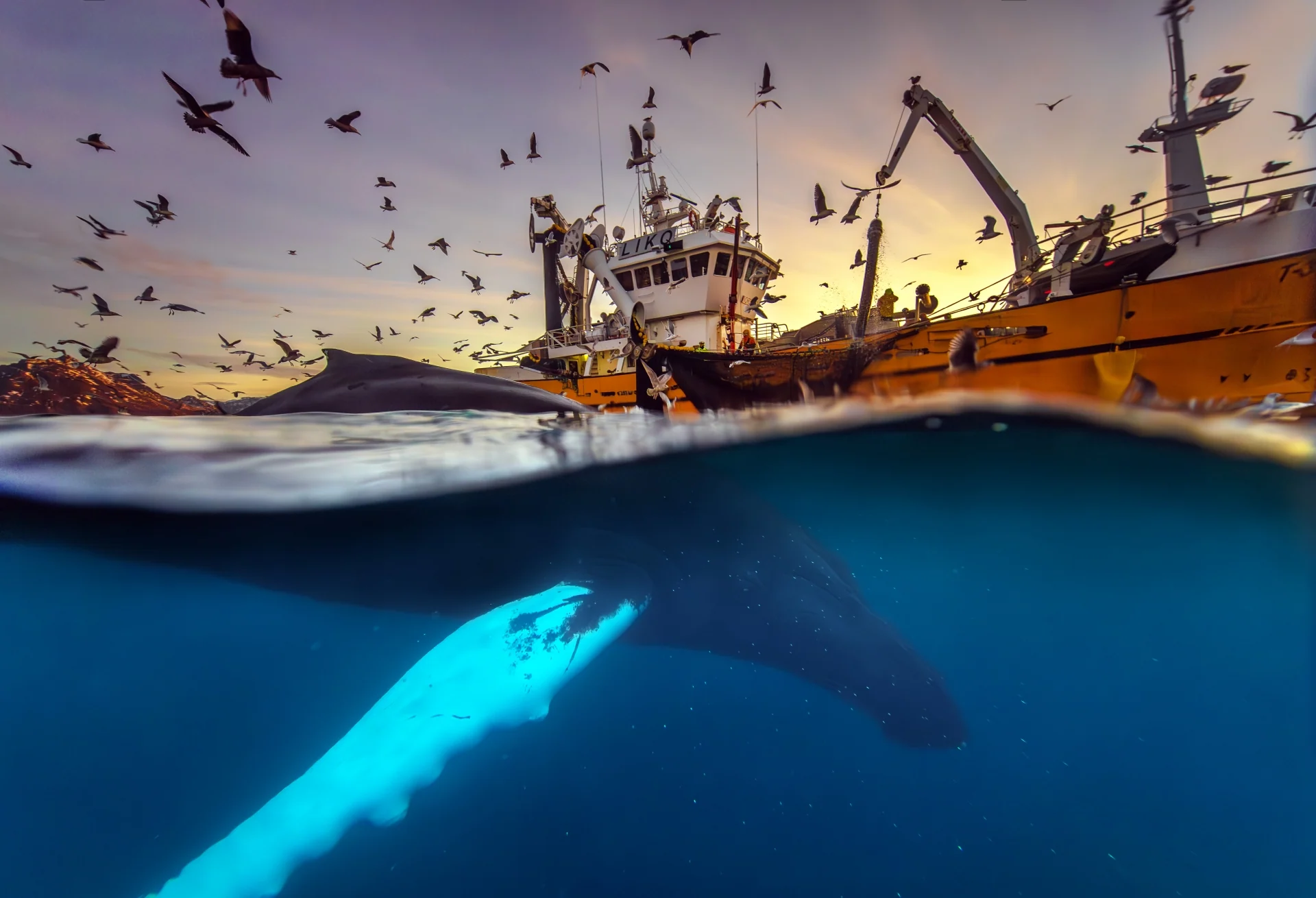
Dinner Is Served! — Audun Rikardsen (Our Footprints). This winning image belongs to the category exploring humanity’s relationship with nature.
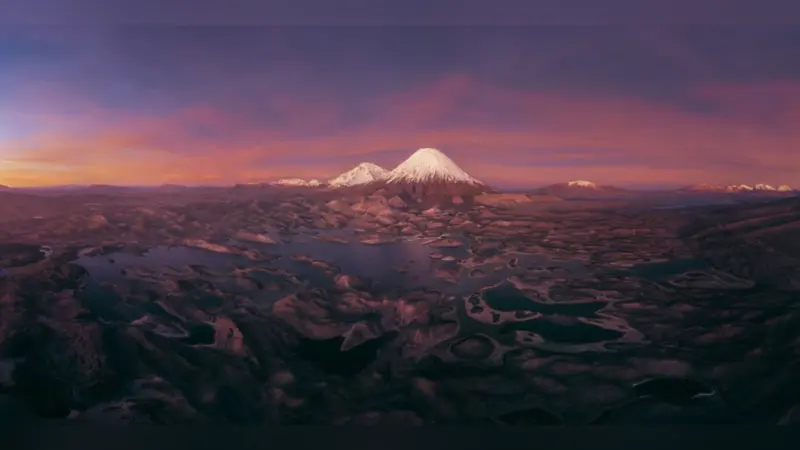
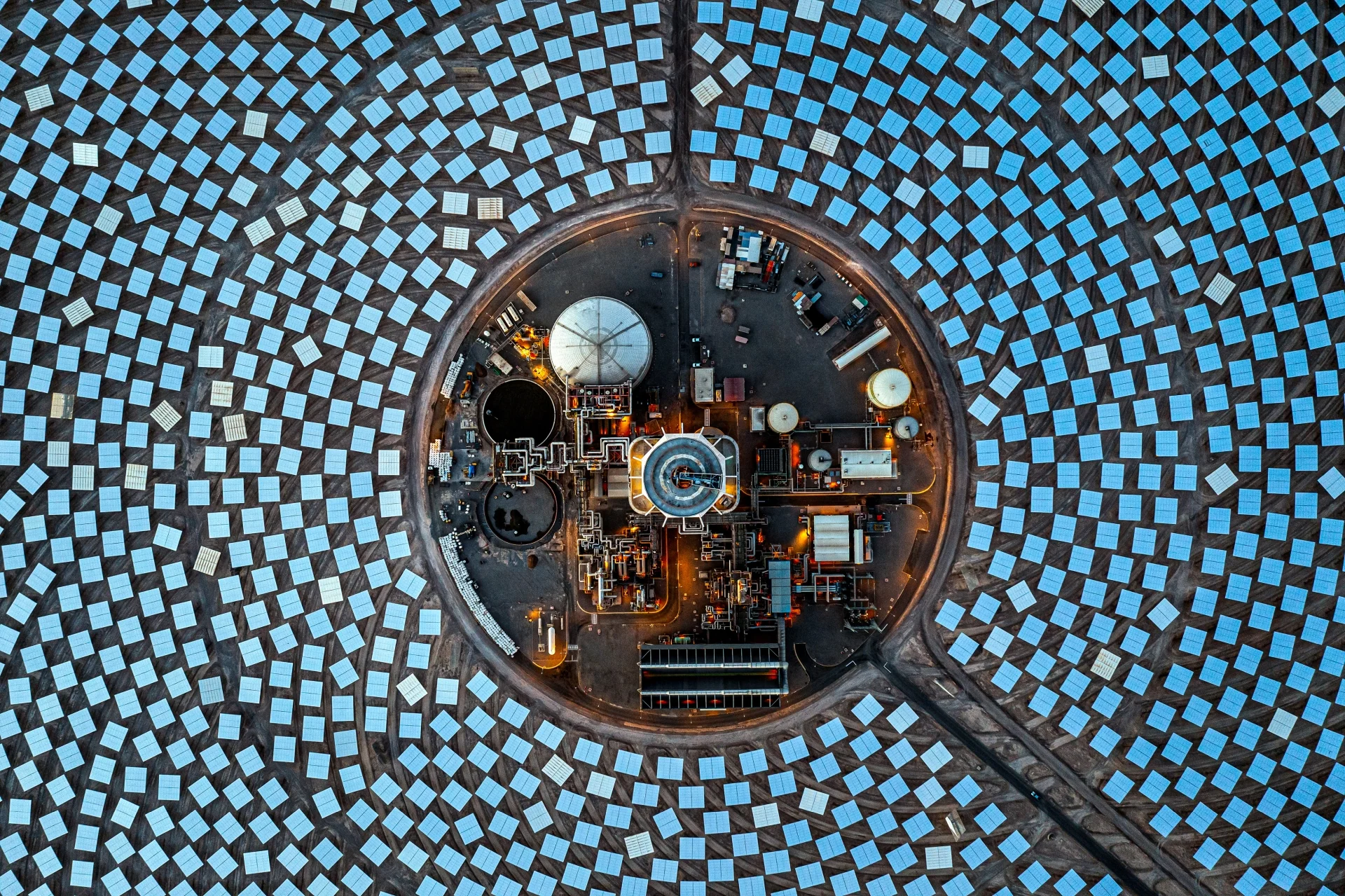
Cerro Dominador — Matjaž Krivic (Solutions). The work addresses solutions and sustainability.
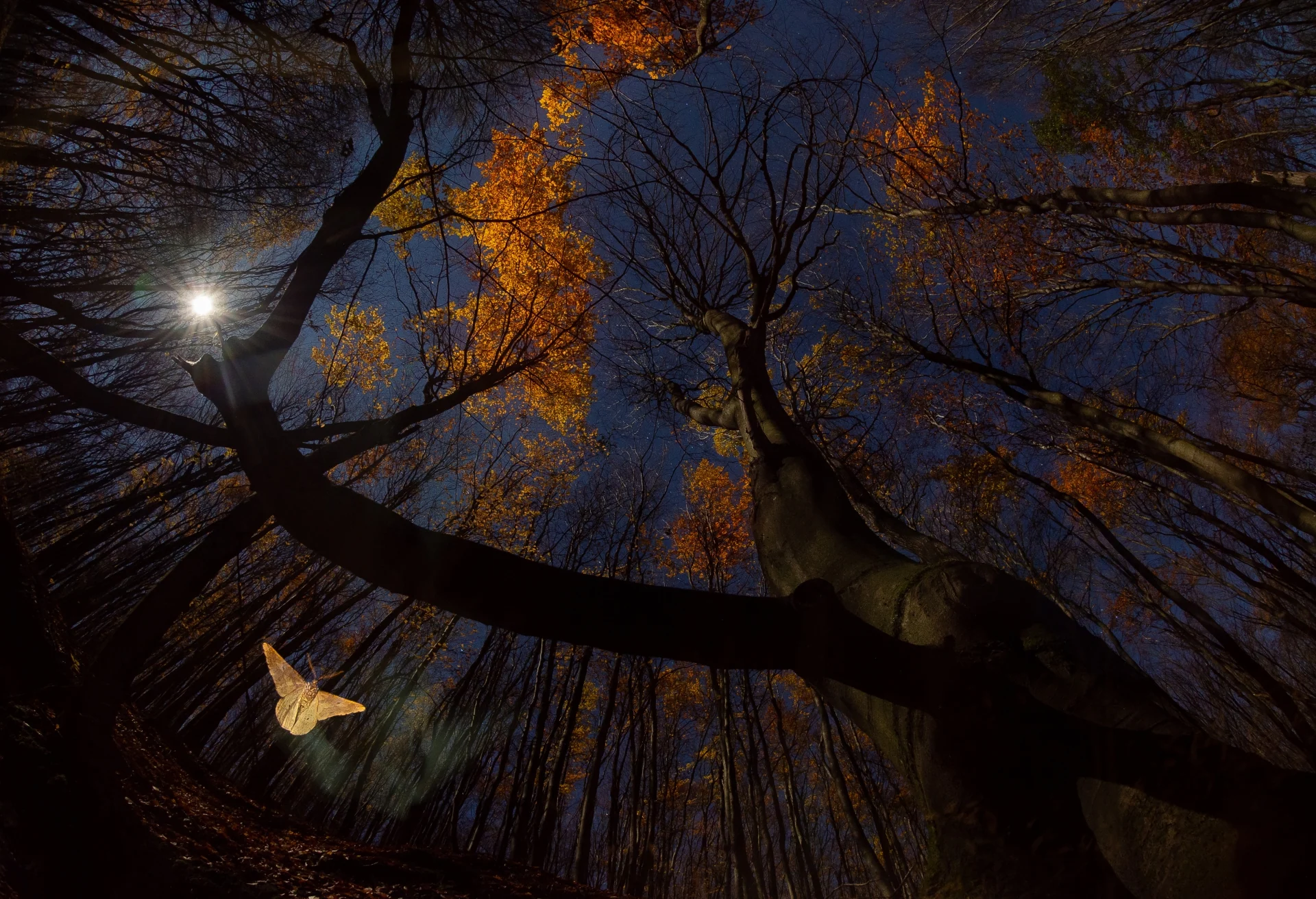
Moonlight — Imre Potyó (Carpathian Basin). A nocturnal interpretation of nature in the Carpathian Basin category.
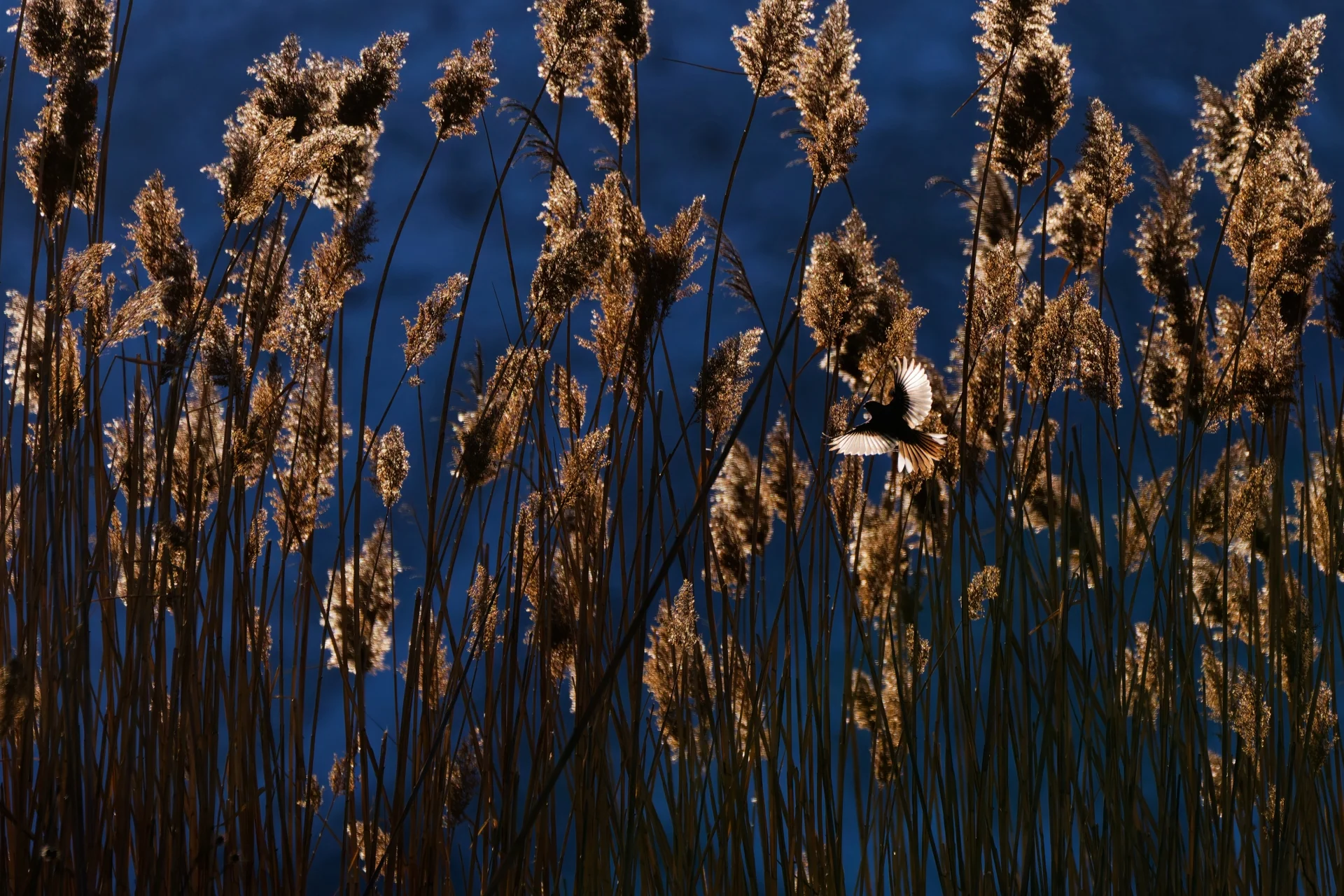
Among the Tall Reeds — Marina Gavrikova (Young Photographers). The young photographer’s work rewards careful observation.
The selection covers distinct directions in nature photography: animal behaviour, the natural landscape, human impact and environmental responses. That range also appears in the 2026 Wildlife Photographer of the Year awards, where observation and documentation sit alongside strong visual composition.
“Saving Orangutans”: Alain Schroeder’s photographic story
Belgian photojournalist Alain Schroeder received the story award for “Saving Orangutans”, a series about rescuing and caring for orangutans. All 14 frames supplied for this article appear below, in their filename sequence.
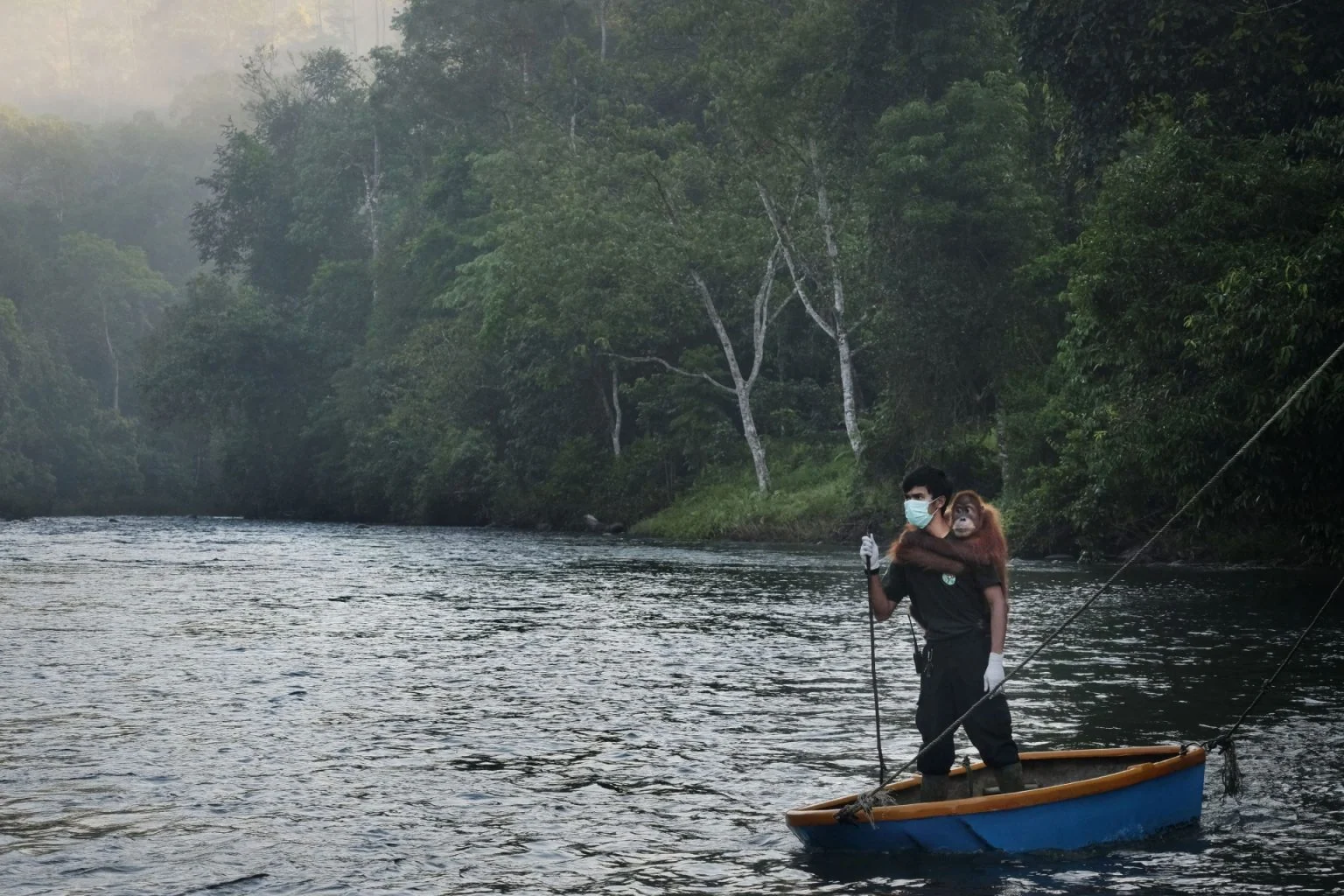
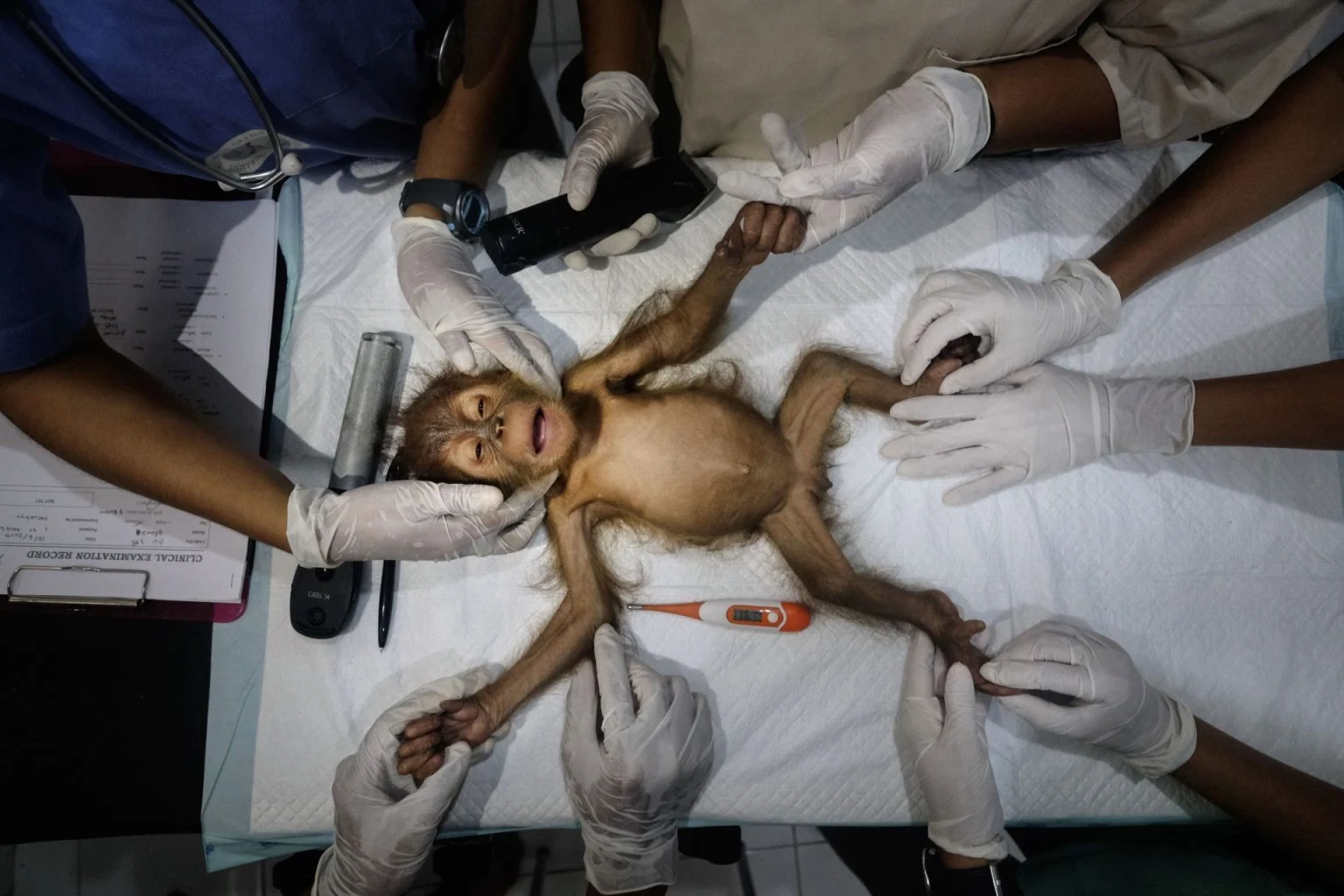
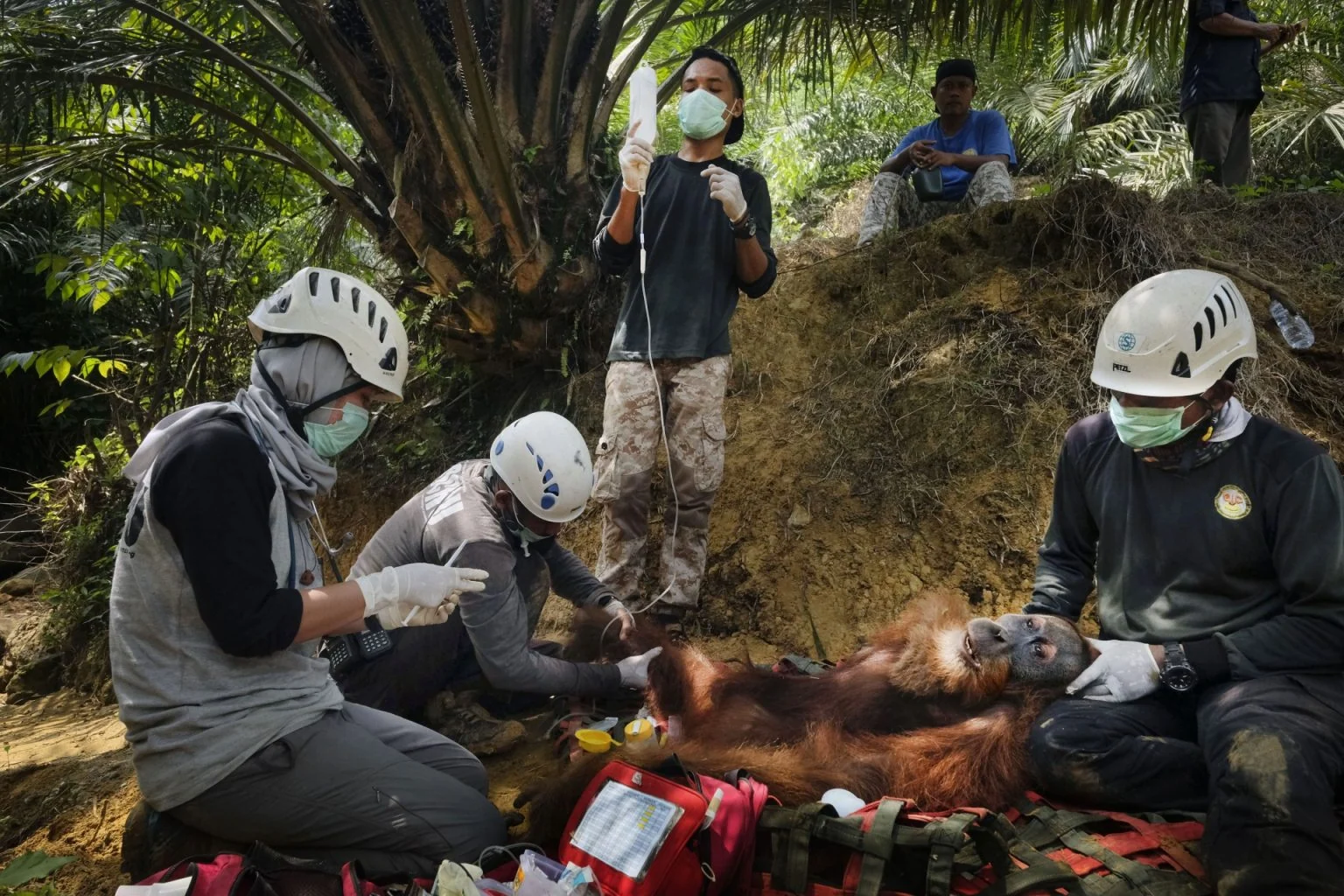
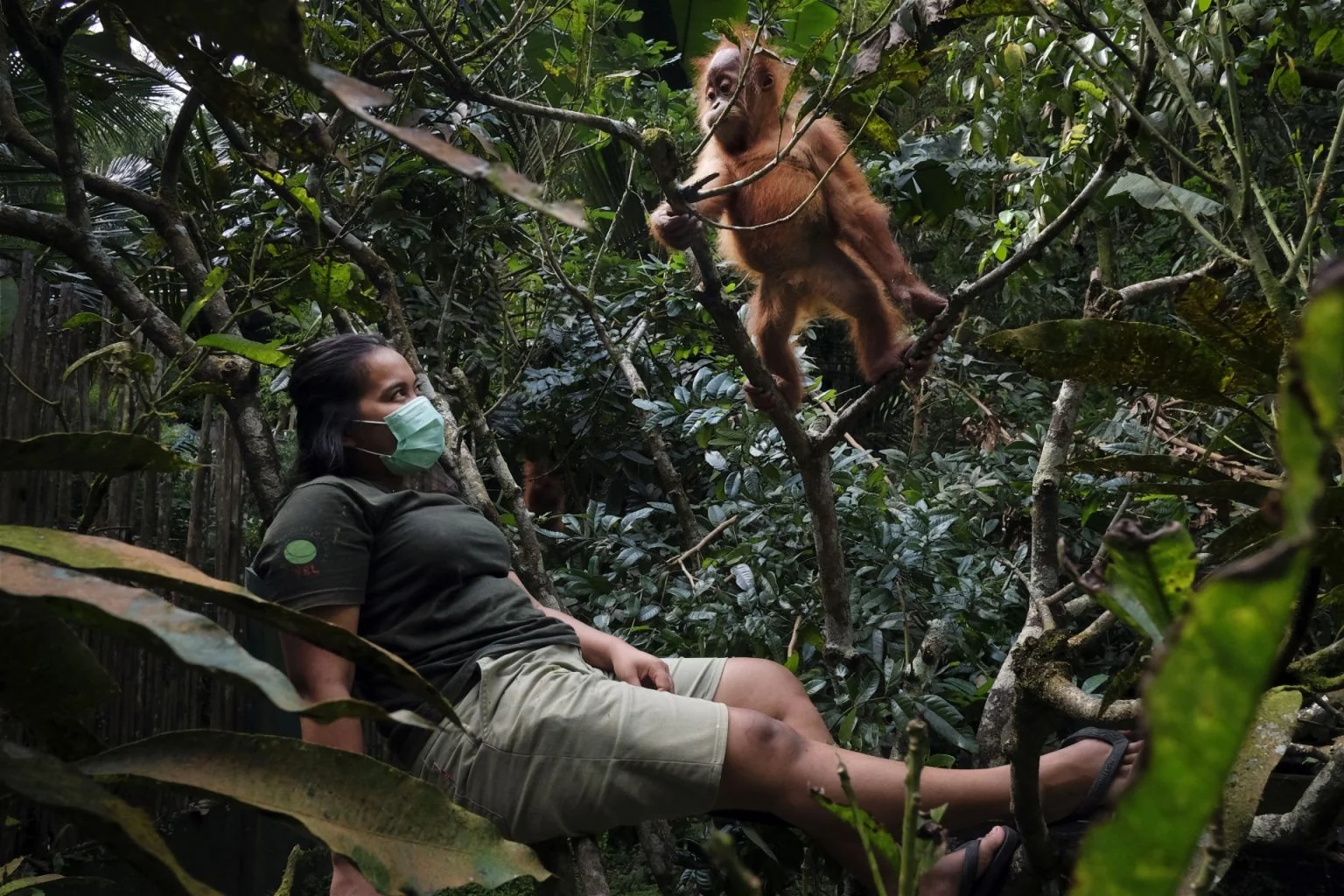
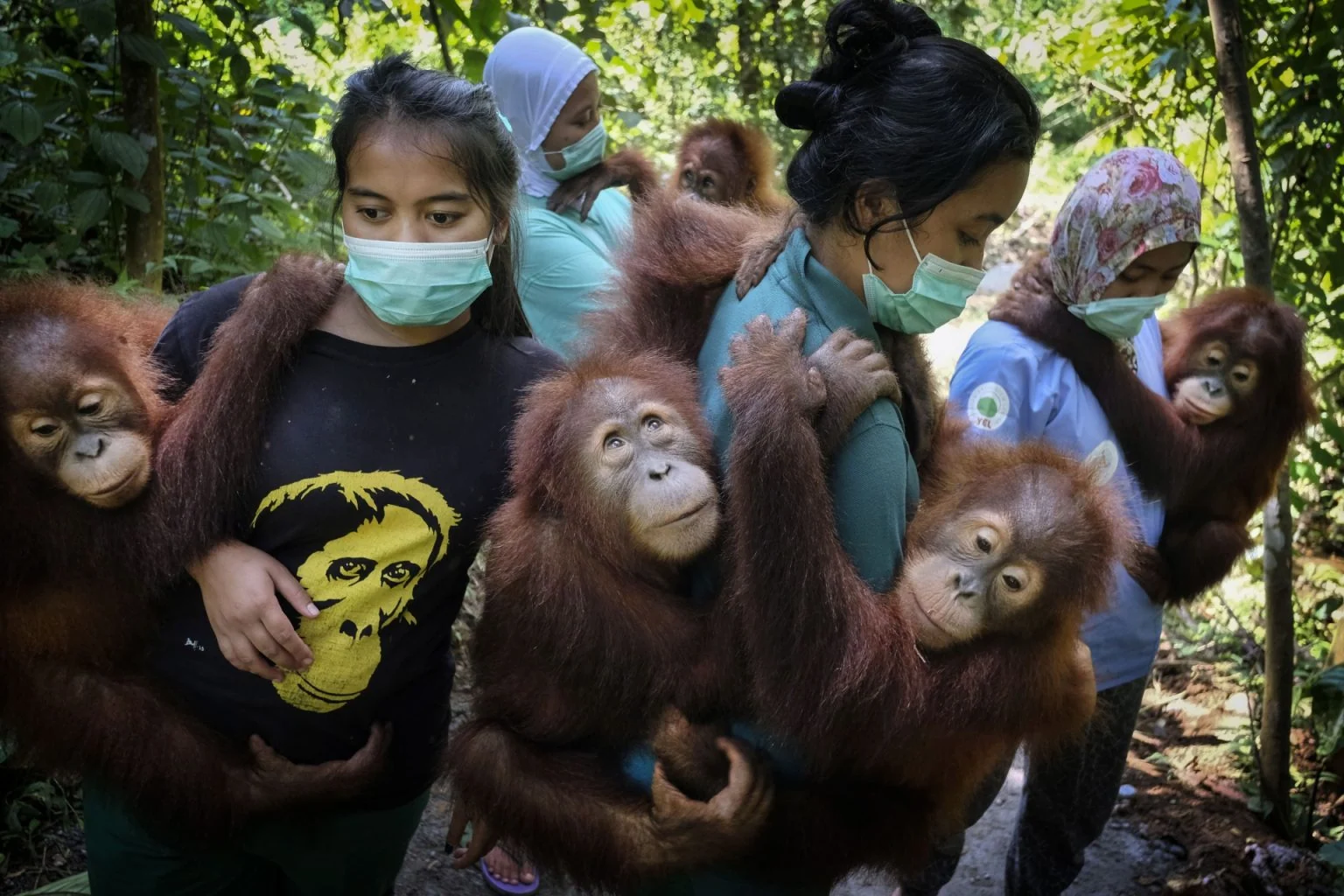
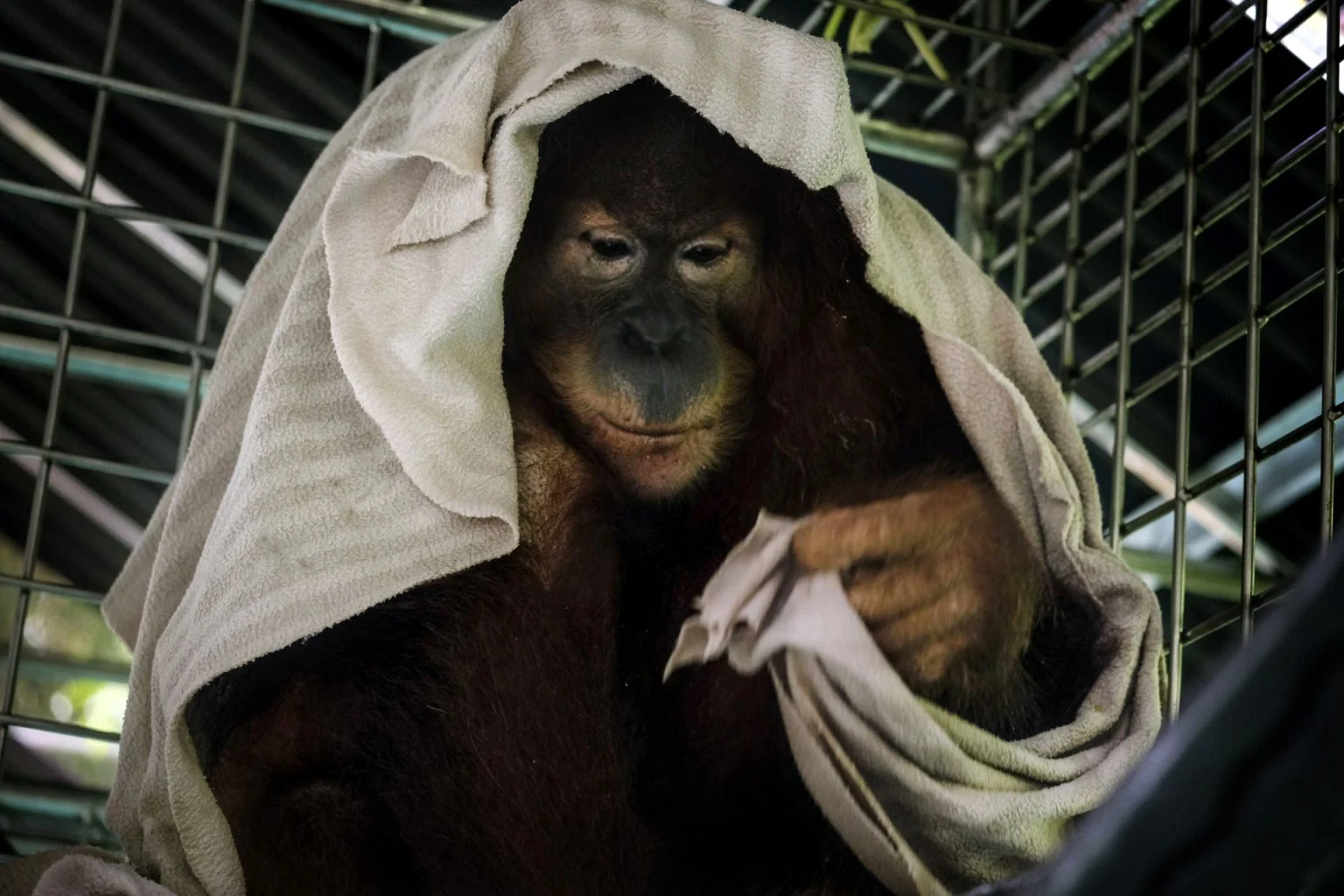
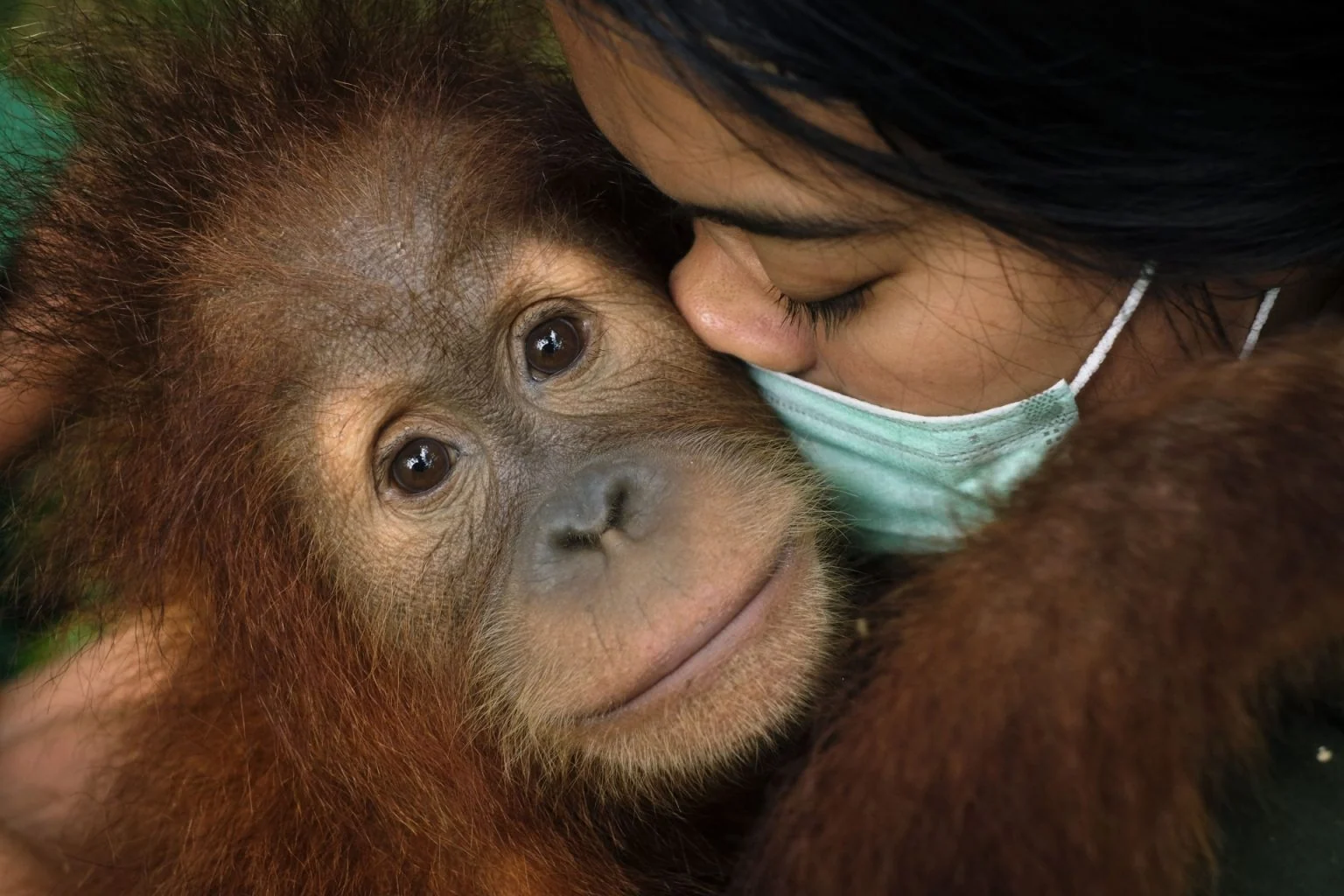
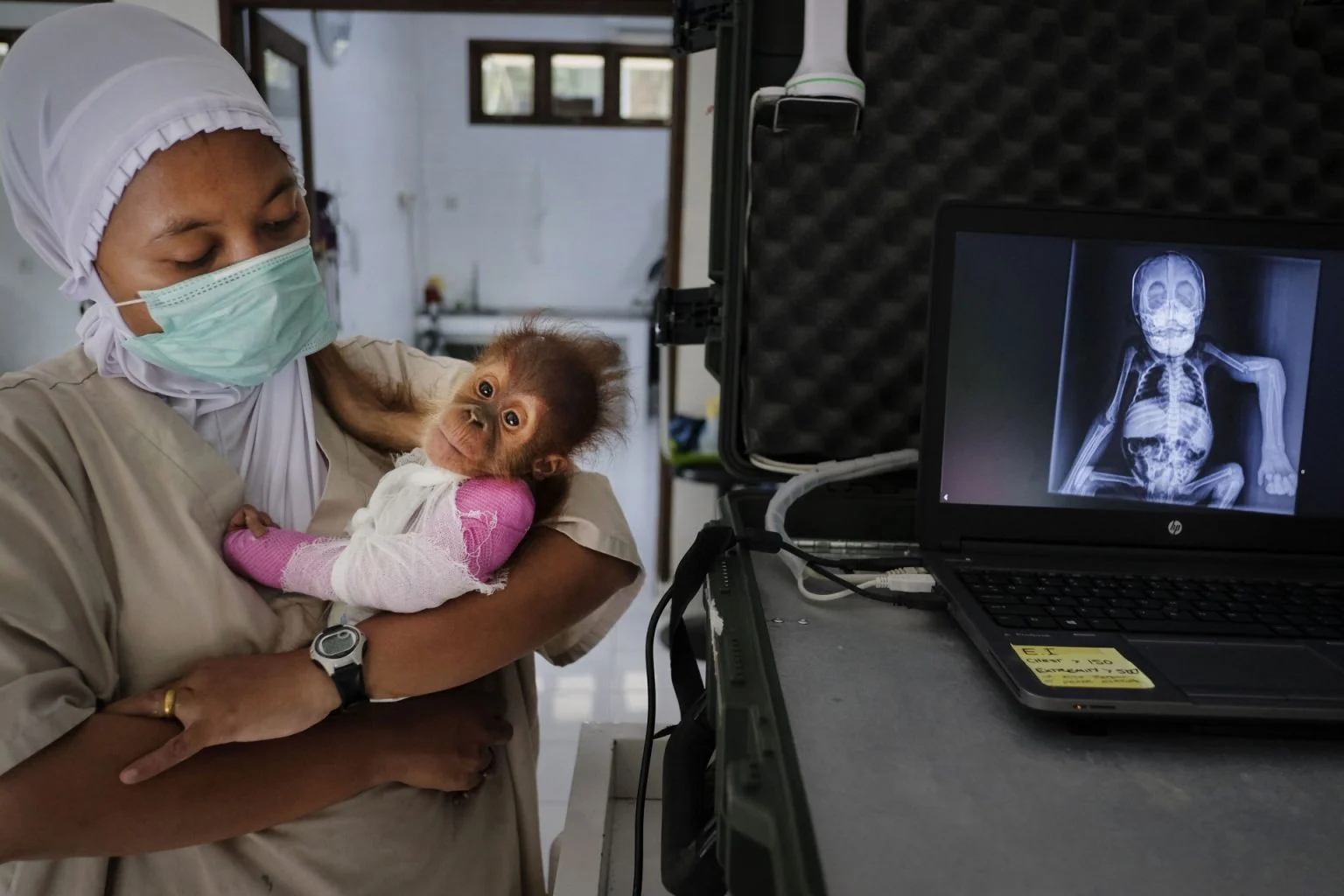
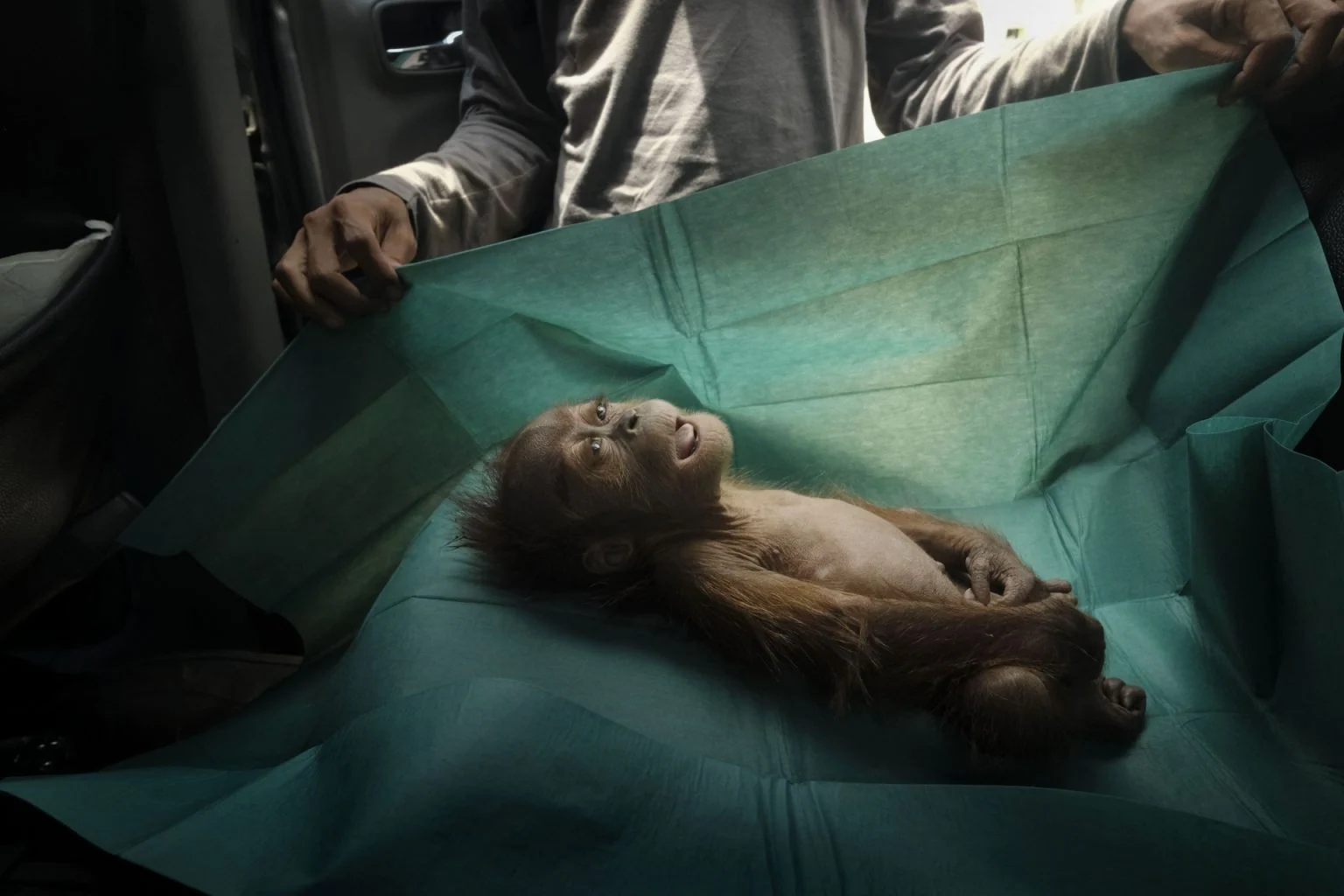
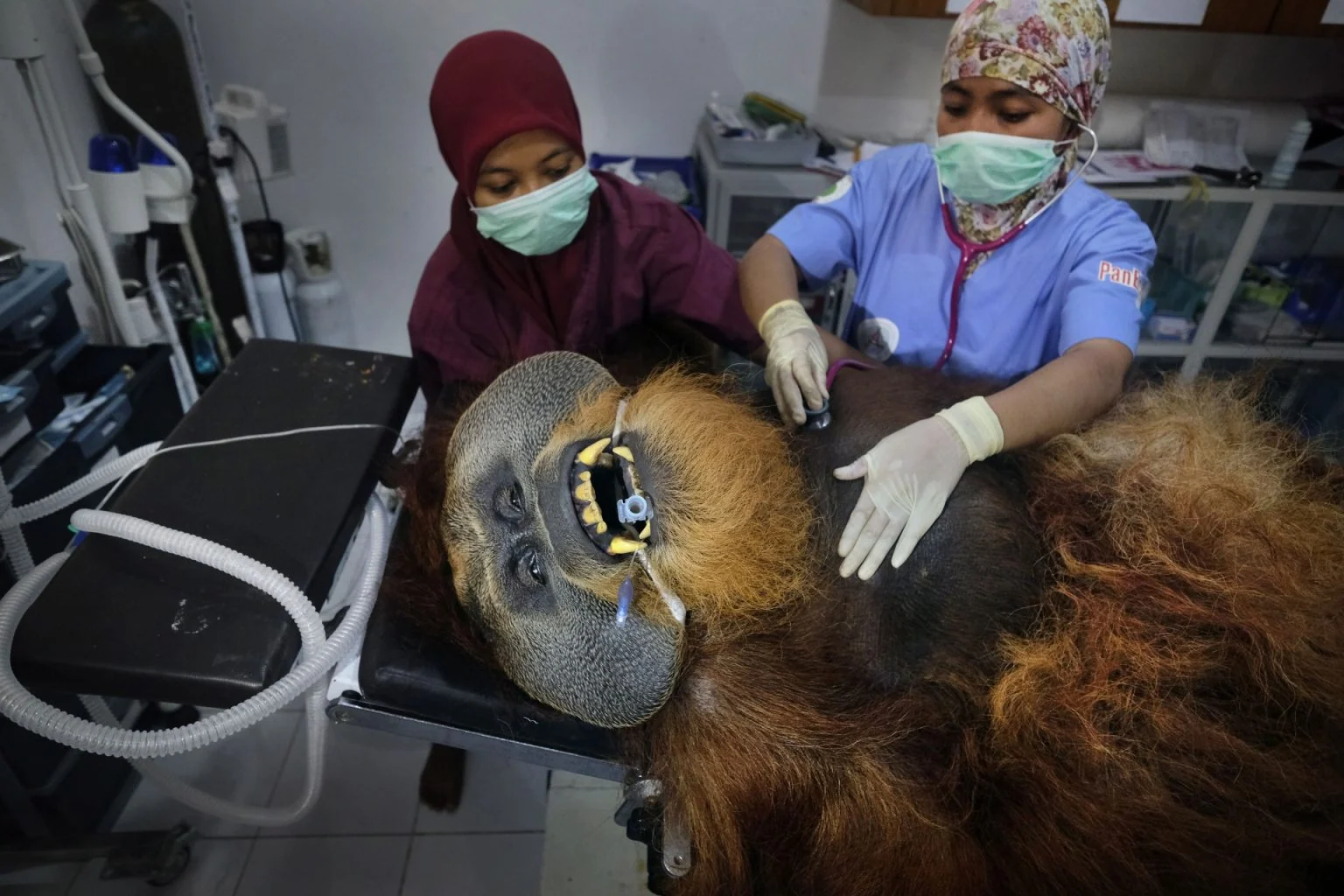
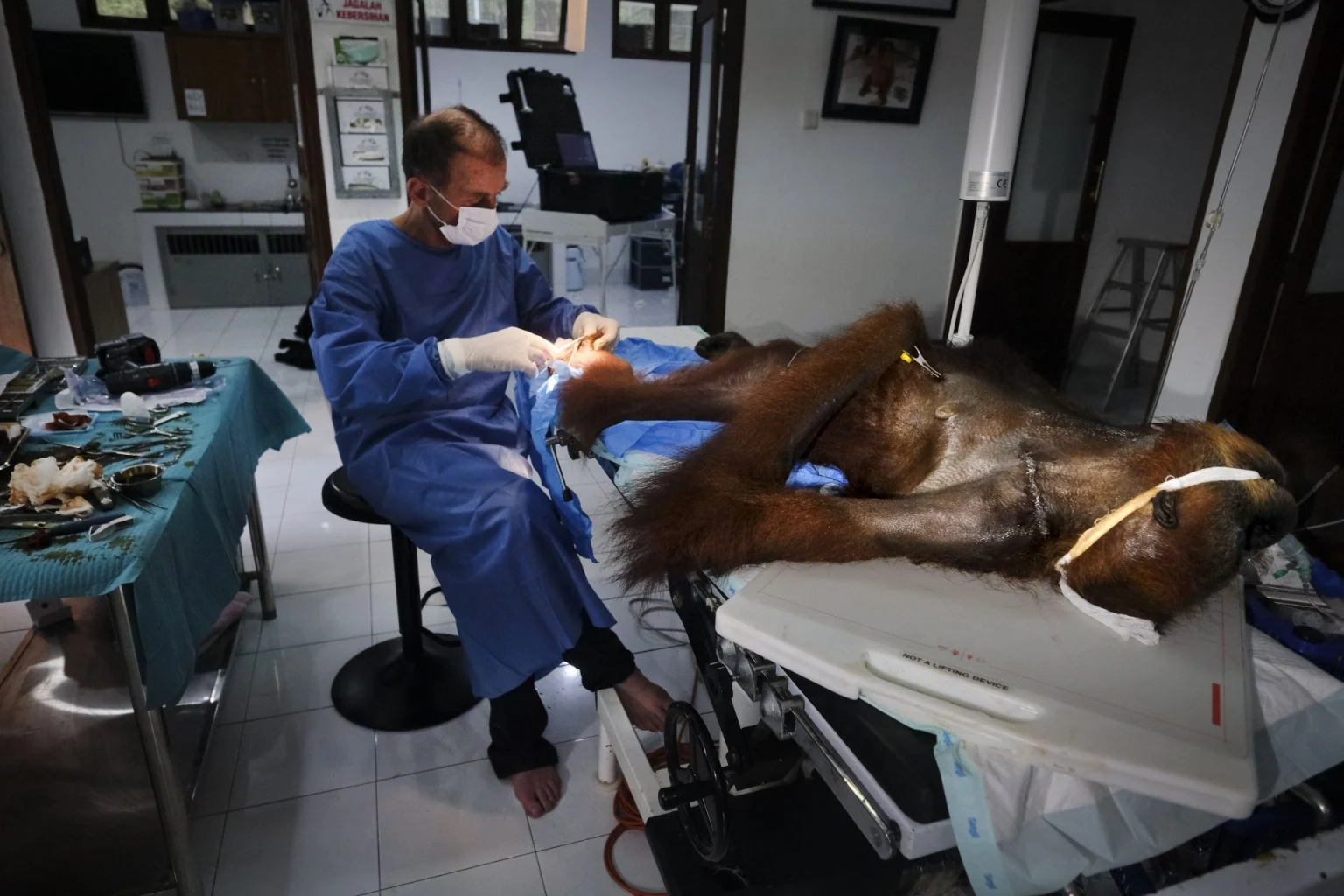
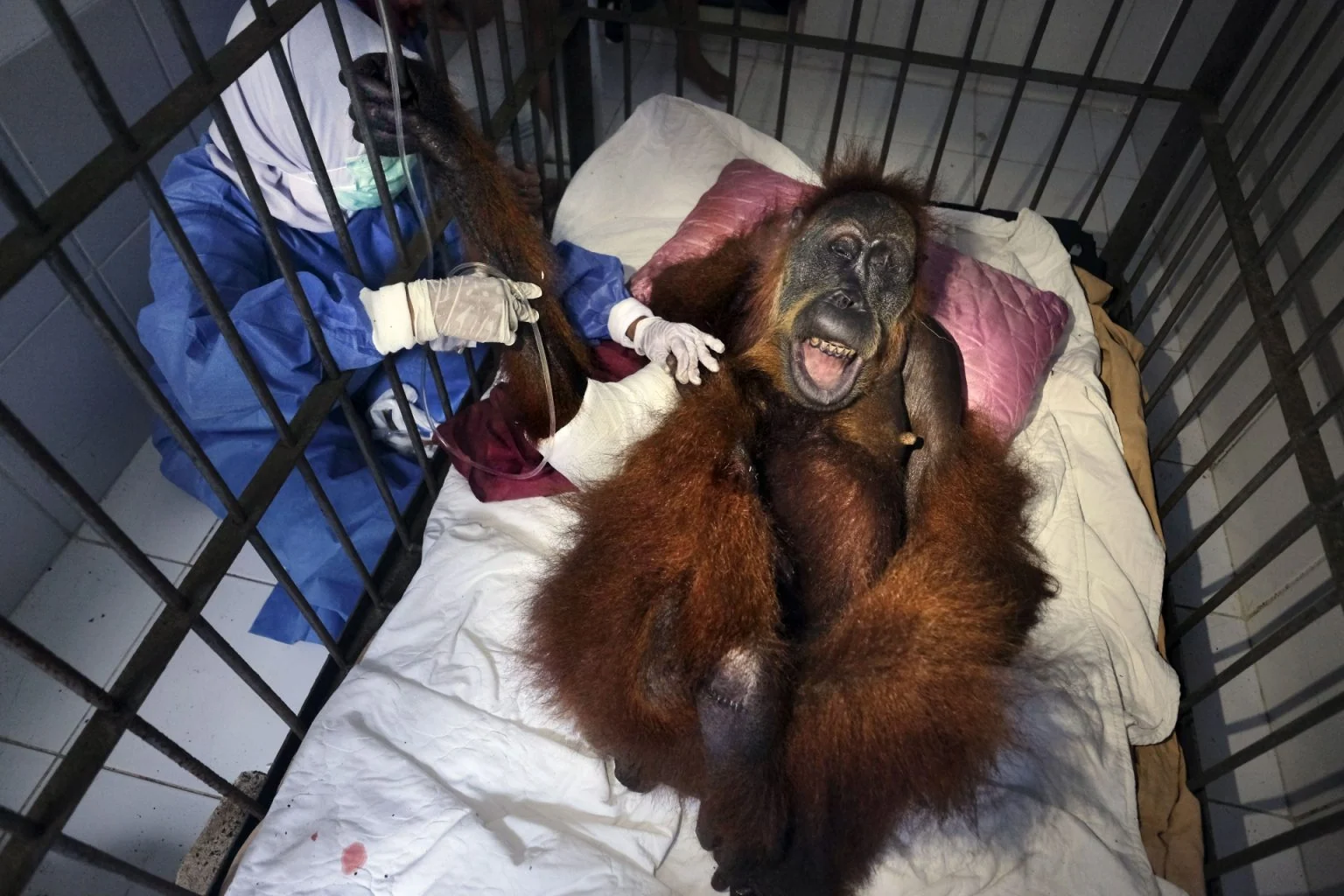
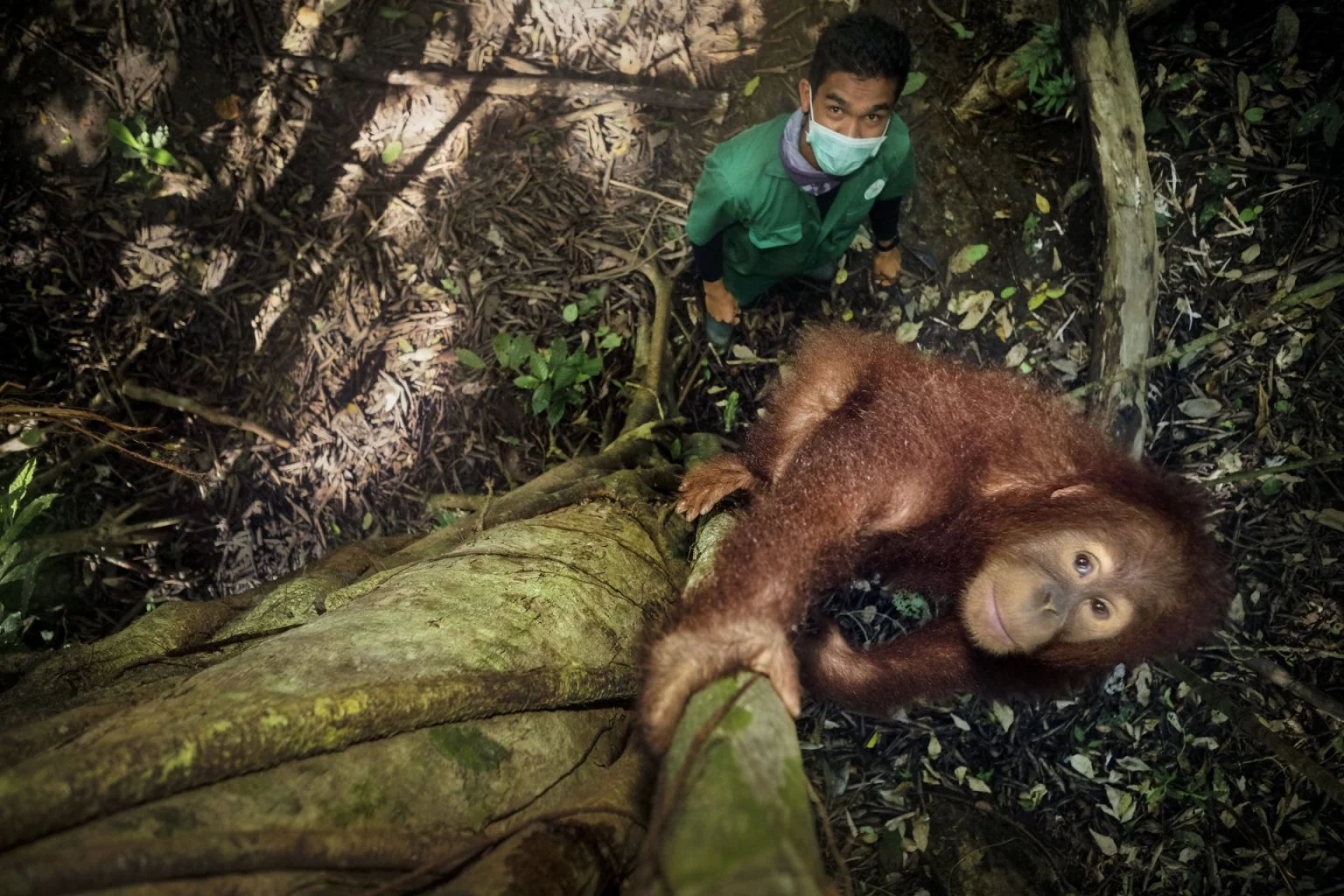
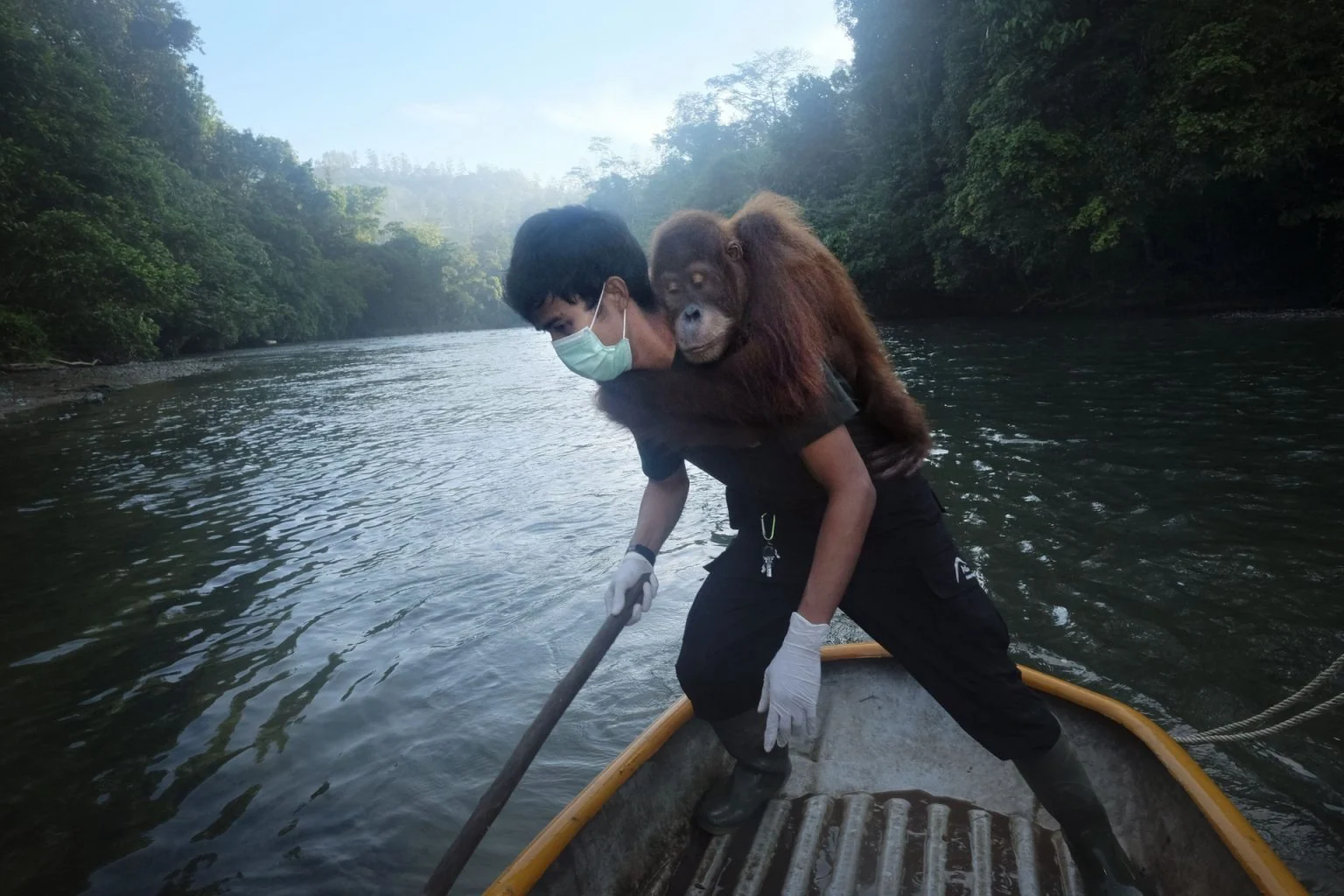
The sequence carries a different weight from any single spectacular frame. It allows the photographer to connect the animal with the people caring for it and show rescue as a process rather than a fleeting event.
The awards and the Greek juror
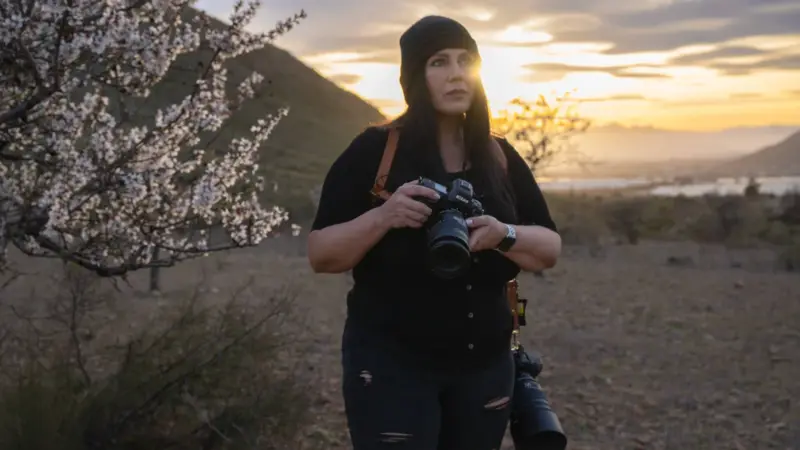
The OurNature Photo & Video Award grew from the FotoKozma Outdoor Photography Festival and is promoted by the Vértes Kozma Foundation. Entries were judged anonymously. The panel included Greek nature photographer Agorastos Papatsanis, alongside Sophie Stafford, Tamás Vitray and Milan Radisics.
The official categories span water, land, air, human footprints, solutions, the Carpathian Basin, young photographers, stories and video. Luciano Morales Corinaldesi won the video category with “Curious Creatures”; that video was not included in the uploaded image archive.
What we think
“A Seal’s Nightmare” works because it reverses the perspective of an encounter. Rikardsen does more than make a striking portrait of a polar bear. By placing the lens where a seal might surface for air, he turns proximity into a story about predator and prey. The placement of the camera is central to the meaning of the image.
Schroeder’s series matters for a different reason. The story of orangutan rescue cannot be fully conveyed by one portrait. It needs continuity, the people involved, the circumstances of care and enough frames to explain what wildlife protection entails. Long-form visual storytelling deserves room in photography competitions.
It is valuable that OurNature puts wilderness, human impacts and possible responses into the same conversation. Yet a winning photograph should not be judged on appearance alone. How it was made, what it actually documents and whether it respects the animal and its surroundings are equally important questions.