Summary
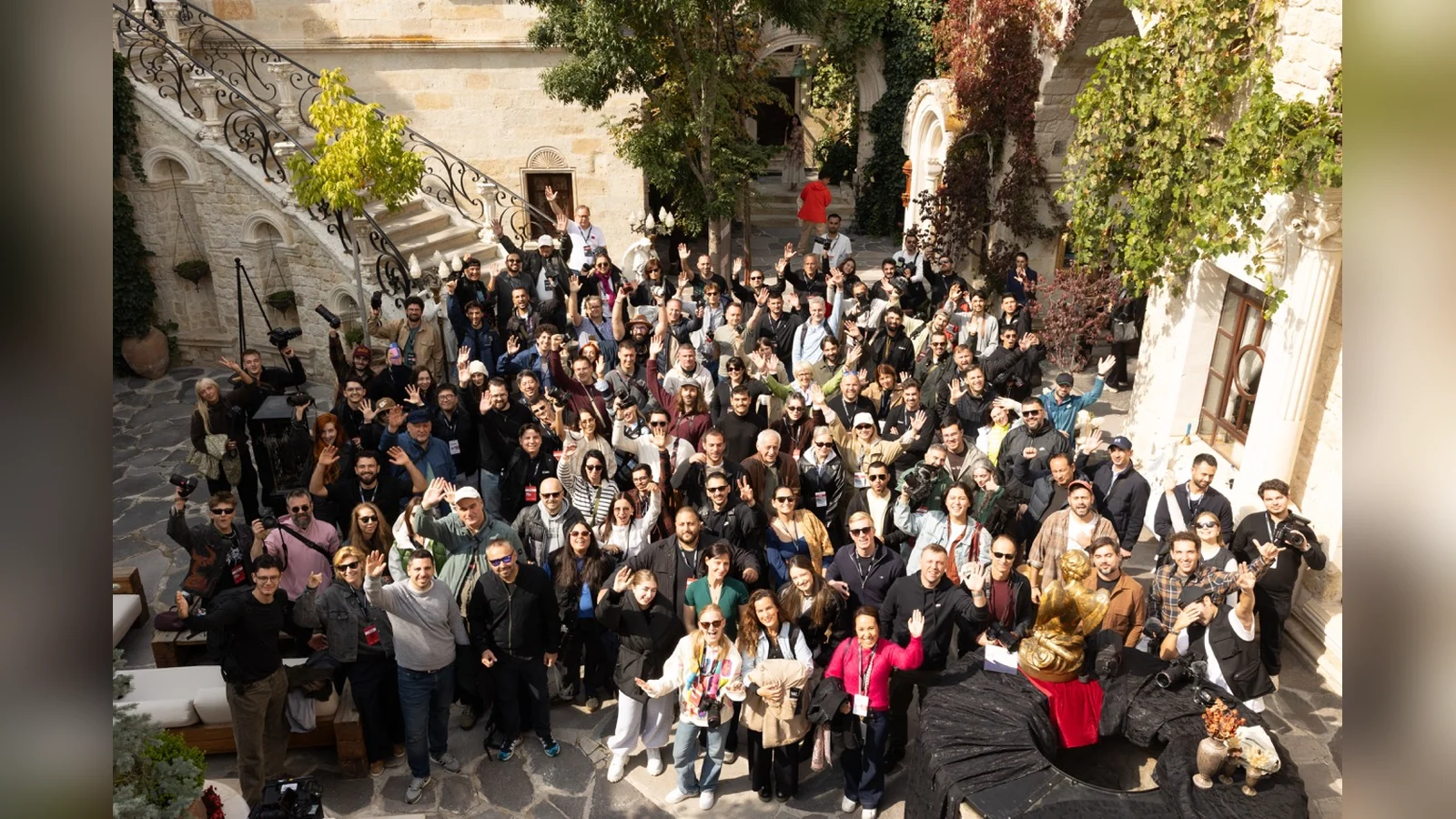
- The second Canon Vision took place in Cappadocia, gathering more than 50 creators and 40 partners from 20 countries.
- Participants worked with equipment in location-based filming sessions.
- An AI-assisted virtual production demonstration was also presented.
- Rok Milnar received the Best Cinematic Award.
For two days, Canon turned Cappadocia into a working creative location, bringing photographers, filmmakers and content creators together to shoot, test equipment and exchange ideas.
The second Canon Vision event gathered more than 50 creators and 40 partners from 20 countries across Central and Eastern Europe and Turkey. Canon Central & East shared its account of the event on October 19, 2026.
Beyond the striking scenery, the event illustrates Canon’s wider ambition to strengthen its relationship with video-first creators, from small social productions to professional filmmaking.
From hot-air balloons to action shoots
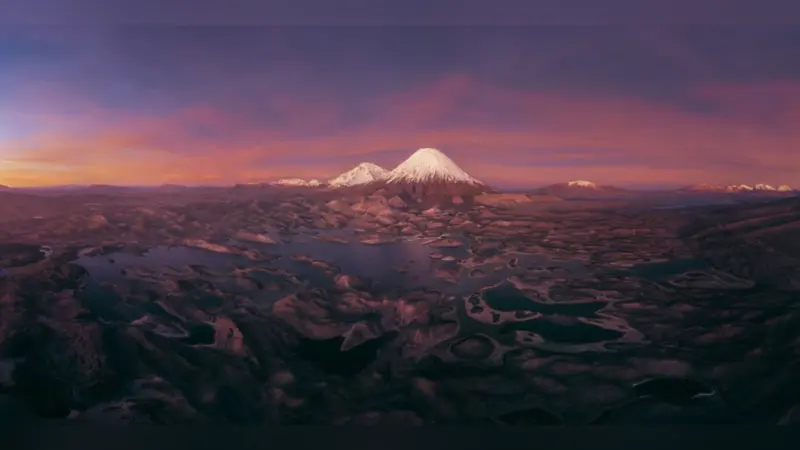
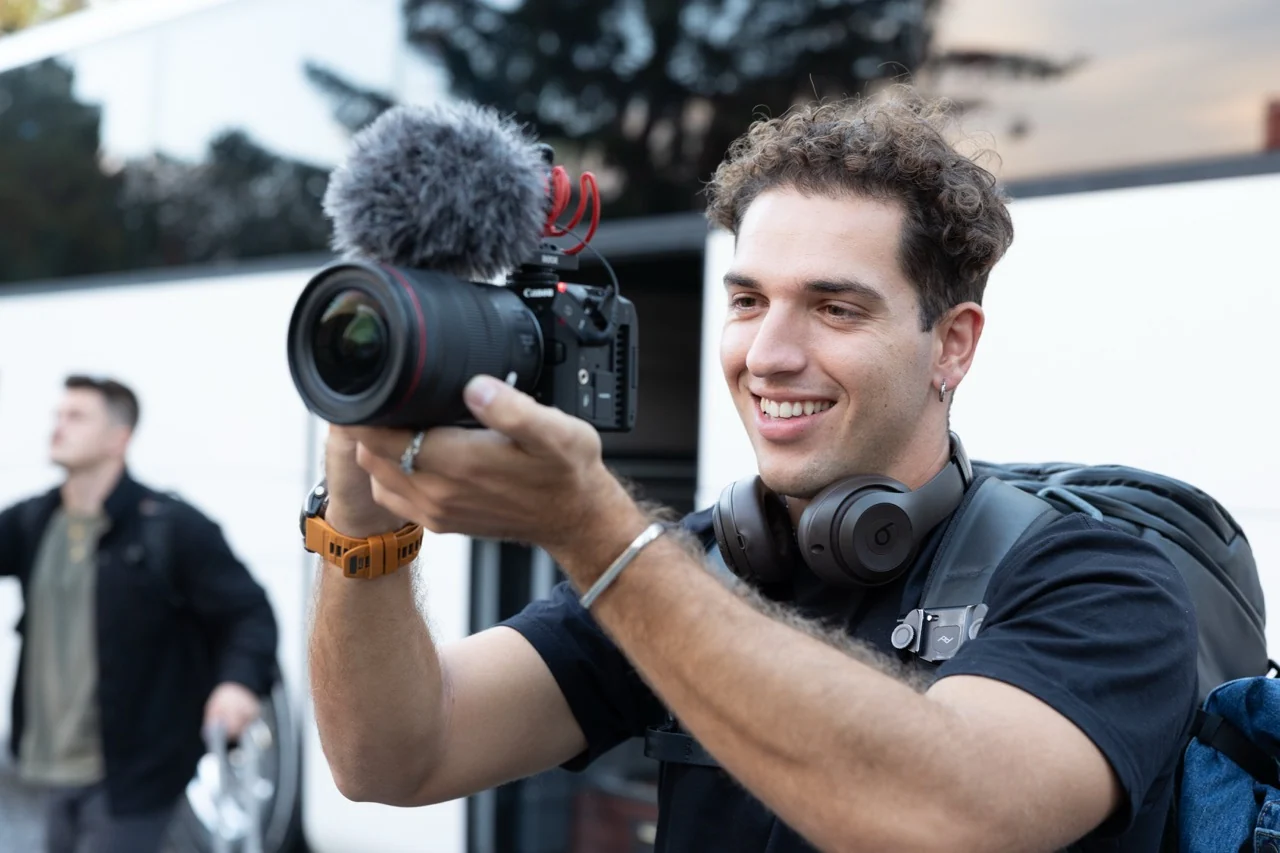
Canon used Cappadocia’s distinctive landscape to stage shooting assignments that let participants work with cameras and lenses in challenging conditions.
At sunrise, creators filmed the valleys from hot-air balloons, managing changing light and movement. The shoots provided opportunities to work with image stabilization, dynamic range and low-light recording capabilities.
Other sessions involved high-frame-rate water sequences for slow-motion footage and tracking horse riders through narrow canyons, with moving subjects putting autofocus systems to use.
Assignments ranged from short vertical videos for social media to more developed cinematic storytelling.
Cinema EOS, RF lenses and AI-assisted production
Participants used Canon cameras, Cinema EOS equipment and RF lenses. The press release does not specify which models were used for individual shoots or provide independent performance measurements.
The video emphasis reflects the broader development of Canon’s creator-focused equipment. One example is the Canon EOS C50, with 7K RAW and Open Gate recording that offer flexibility when creating different aspect ratios from the same footage.
Another part of the event involved an AI-supported production environment. Canon combined physical cameras with AI-generated virtual sets to explore different approaches to building scenes.
This is potentially useful when productions face tight schedules or limited access to locations. However, Canon has not specified the AI software used or described the demonstration as a newly available commercial Canon solution.
For smaller crews, planning and using alternative virtual environments could broaden creative options, though it is not a universal replacement for shooting on location.
Creators from 20 countries and a cinematic award
Collaboration was a central part of Canon Vision. Creators from different countries took part in the same workshops and shoots, but brought individual perspectives to the assignments.
Slovenian creator Rok Milnar received the Best Cinematic Award. He said he was struck by how differently participants approached the same subjects, even though they visited the same locations and attended the same workshops.
Marie Andreeva highlighted what the opportunity and connections meant to her personally. Adil Abzel also focused on the people he met and the experiences he would take away from the gathering.
For photographers and filmmakers, relationships like these can outlast the event itself. Seeing contrasting responses to the same brief, exchanging methods and making professional connections are difficult to replicate in a conventional product presentation.
Canon wants to understand what creators need
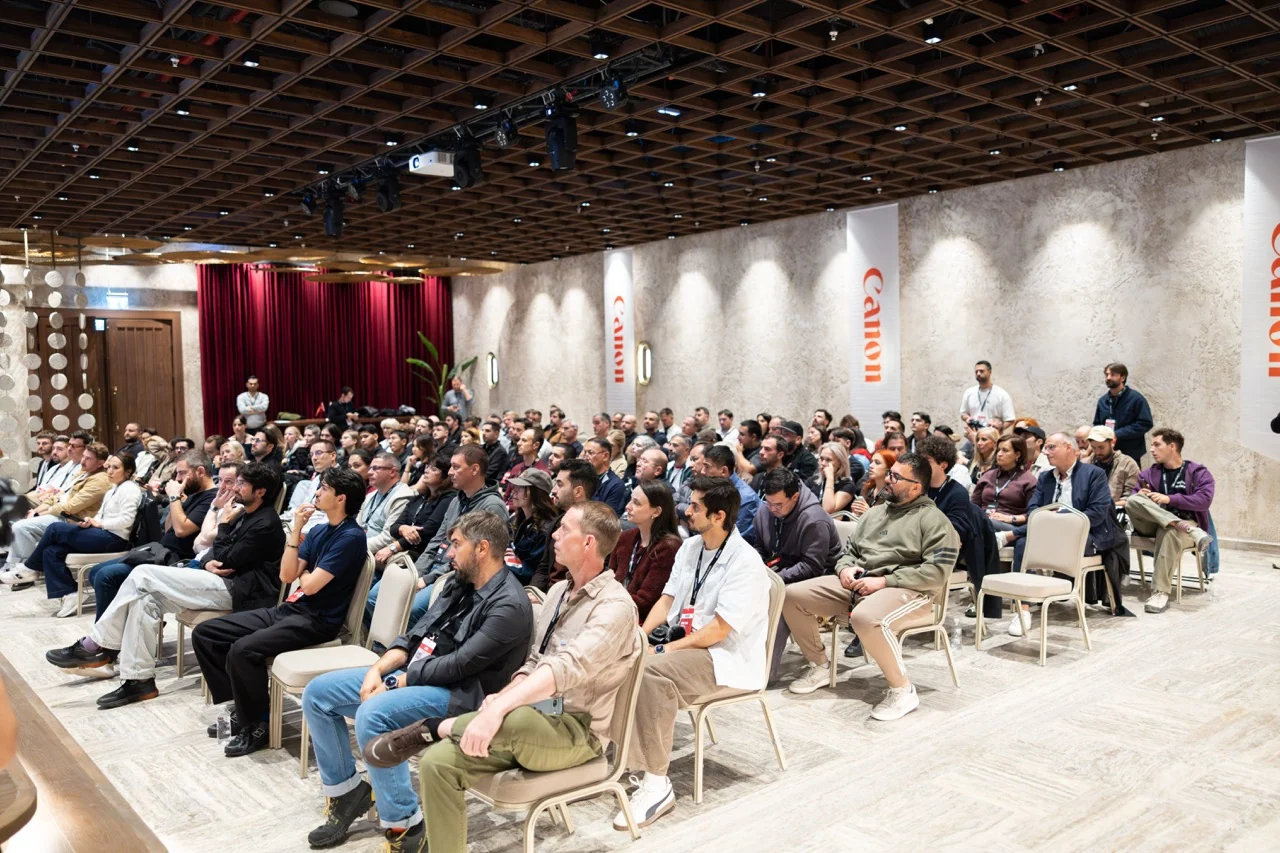
Partners and Canon executives also attended to gain a clearer understanding of creators’ workflows and the changing demands of content production.
Maksym Boiko, B2C Sales and Marketing Director at Canon Central & East, said that creators now influence not just purchasing decisions but how content is produced and consumed.
This dialogue also has a commercial purpose for Canon. Understanding creators’ needs can shape product marketing, customer support and future priorities across its ecosystem.
Peak Design, RØDE, Other World Computing (OWC) and NANLUX supported the event as sponsors, representing different parts of the production workflow.
Content created at Canon Vision is expected to reach audiences over the coming weeks. Canon points to the official Canon Greece Instagram account for photographs and a forthcoming event recap video.
What we think
The most compelling aspect of Canon Vision is not simply the location. It is the decision to give creators concrete production assignments where the results depend on how they use their gear and the visual choices they make.
In photography and especially filmmaking, there is a substantial gap between a specifications presentation and an actual shoot. Hearing about stabilization and autofocus is different from tracking a horse through a canyon or handling fast-changing sunrise light.
These events can also create lasting value through the relationships between creators. People from different countries interpreted and filmed the same scenes in distinct ways, underscoring how much individual perspective matters. For Canon, listening to those varied practical needs may ultimately prove more useful than a polished product demonstration.