Summary
- Daniel Viñé Garcia won Open Photographer of the Year at the 2026 Pano Awards.
- Tomás Sánchez Ruiz took the Amateur title.
- The competition received 4,084 entries from 93 countries.
- This article presents 16 images from the award-winning selection.
The Epson International Pano Awards 2026 range from Andean volcanoes to New Zealand’s night sky, with two Spanish photographers taking the competition’s top titles.
Daniel Viñé Garcia was named Open Photographer of the Year, while Tomás Sánchez Ruiz won Amateur Photographer of the Year in the 17th edition. The competition drew 4,084 images from photographers in 93 countries, up 19% on 2025.
Overall winners and the new categories
The new Aerial division, introduced in the 2026 competition programme, attracted 680 entries. There were 2,122 Open entries and 1,962 Amateur entries.
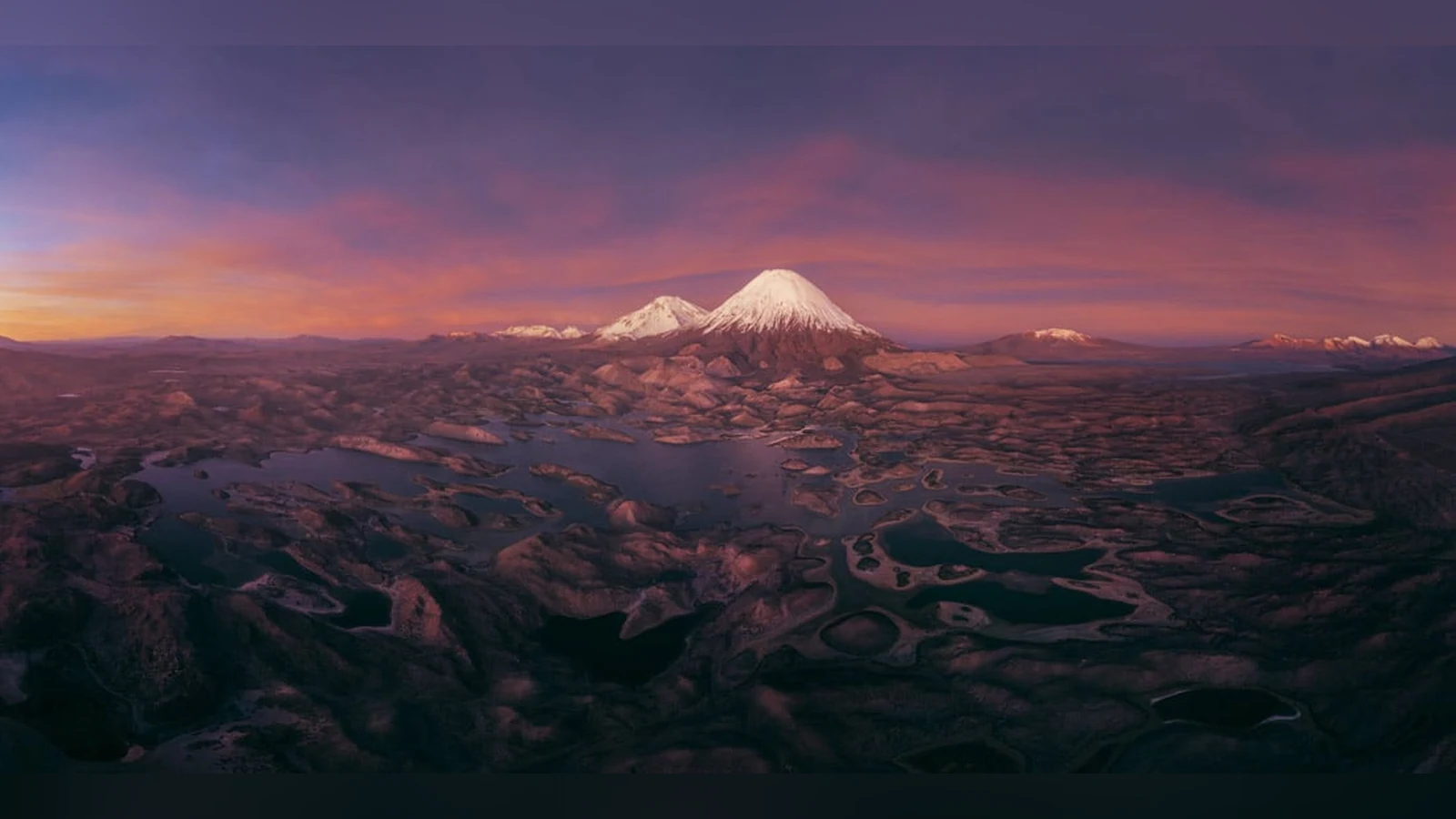
Viñé Garcia’s portfolio explores the high Andes and Argentina’s Puna region. His work The Sleeping Giant was photographed at Chile’s Parinacota Volcano, with 33 aerial exposures assembled into a 360-degree panorama. It illustrates just how much planning and post-production can lie behind a seemingly effortless frame.
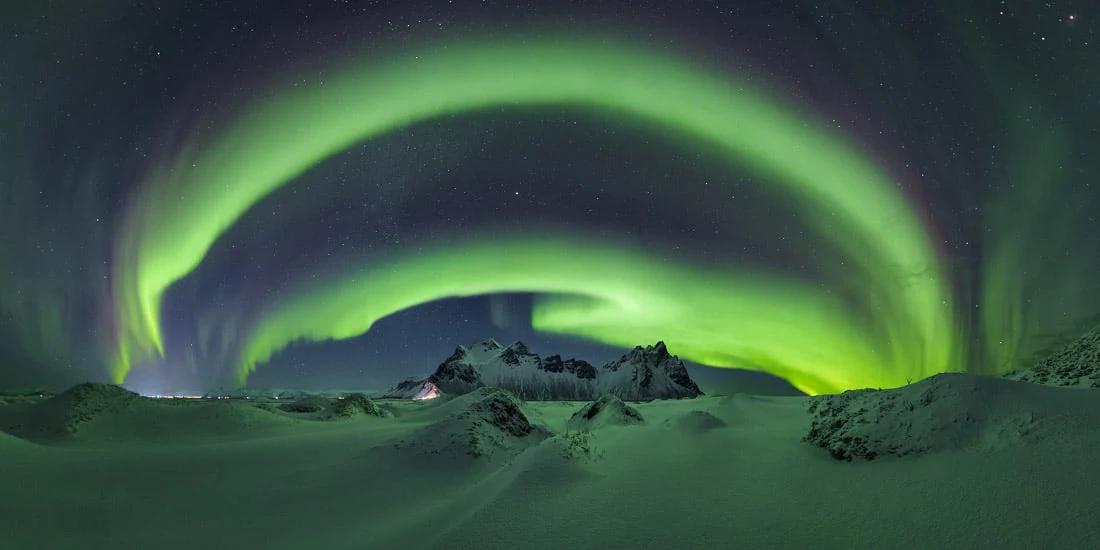
Fellow Spaniard Tomás Sánchez Ruiz took the Amateur Photographer of the Year title. His entries in landscape and built-environment photography demonstrate the breadth of his panoramic work.
Category winners
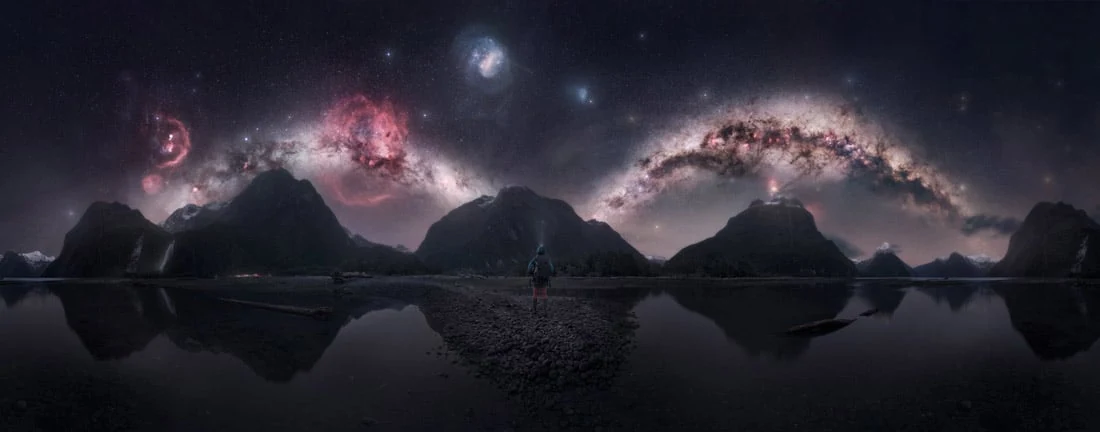
Mikel Iraeta won Open Nature/Landscape with Double arch on Milford Sound. The image required a clear, moonless night at the right time of year to reveal the Milky Way’s double arch. The finished composition draws on 107 individual frames.
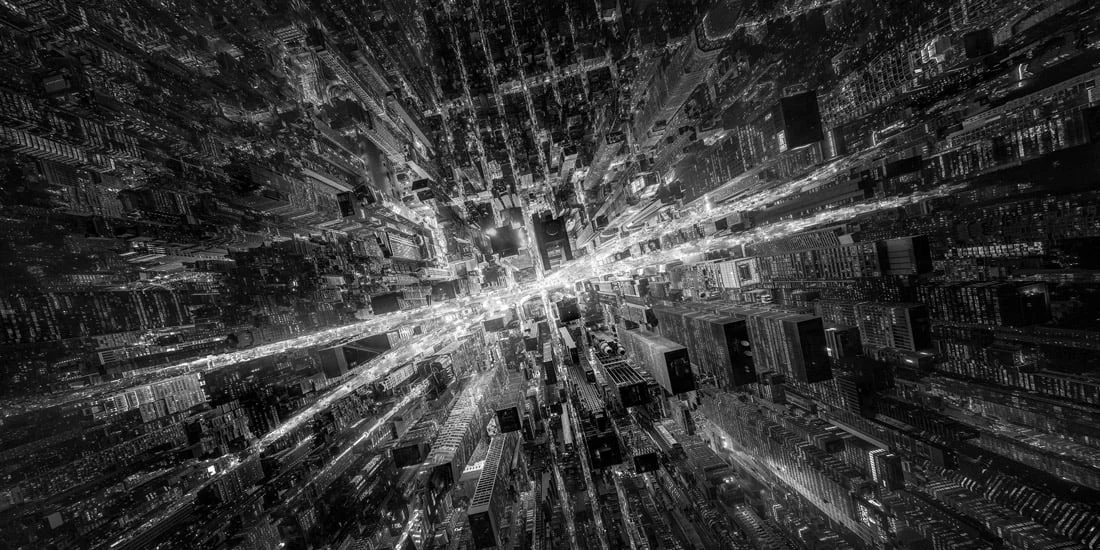
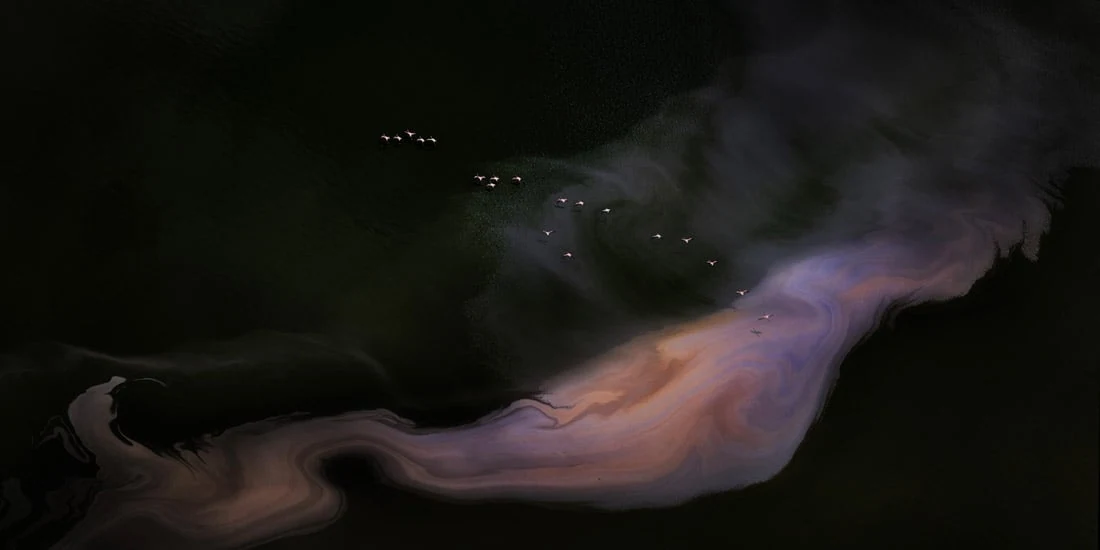
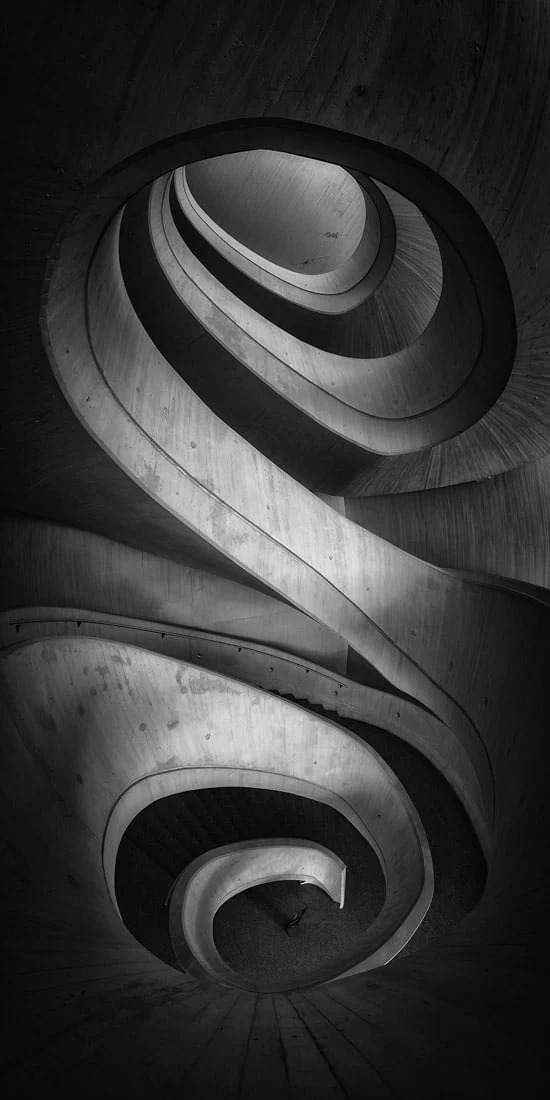
Xuecheng Liu topped Open Built Environment, Xuejun Long won Amateur Aerial, and Sebastián Cantos Navalón took Amateur Built Environment. The selected works move between architectural form and drone-based viewpoints.
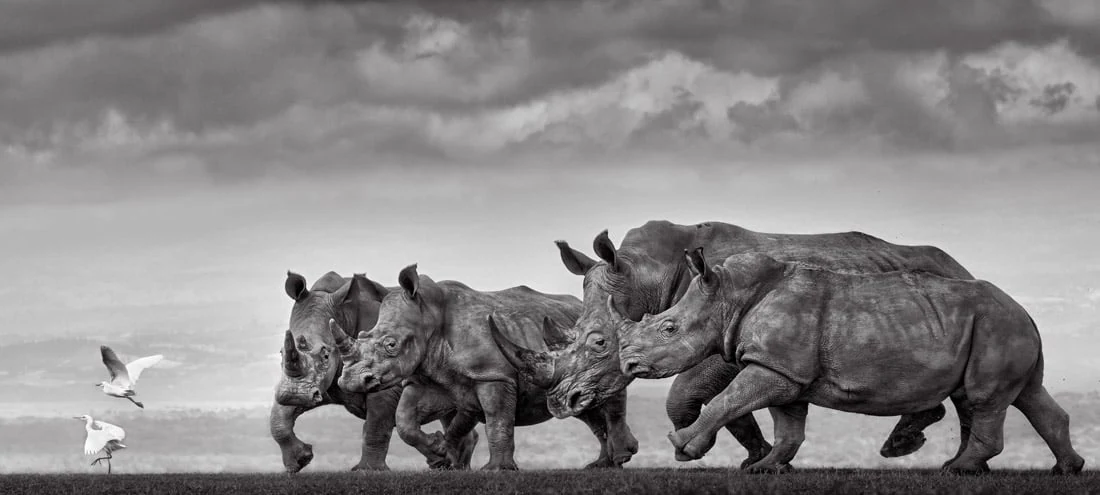
India’s Preeti and Prashant Chacko received the Epson Digital Art Prize for The Rugby Players, featuring white rhinos at Kenya’s Solio Game Reserve. The prize recognizes excellence in digital processing alongside photographic technique.
More images from the award-winning selection
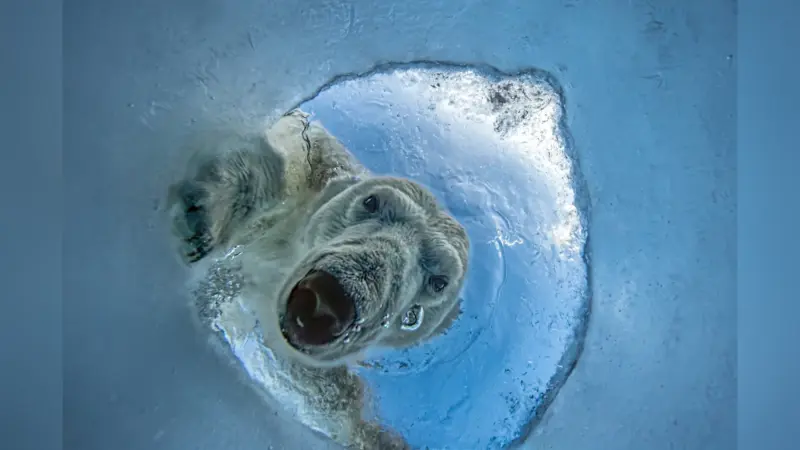
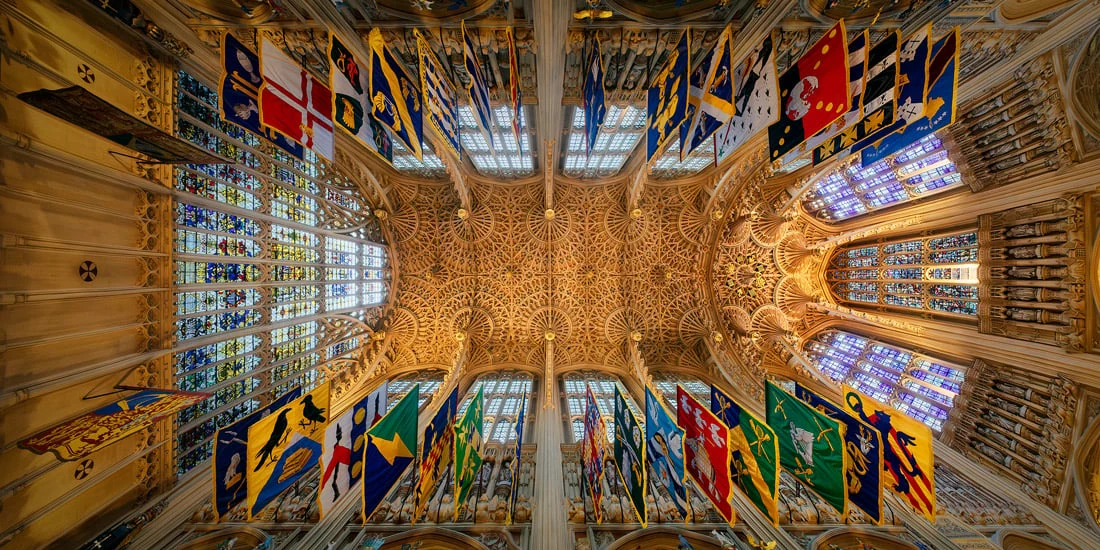
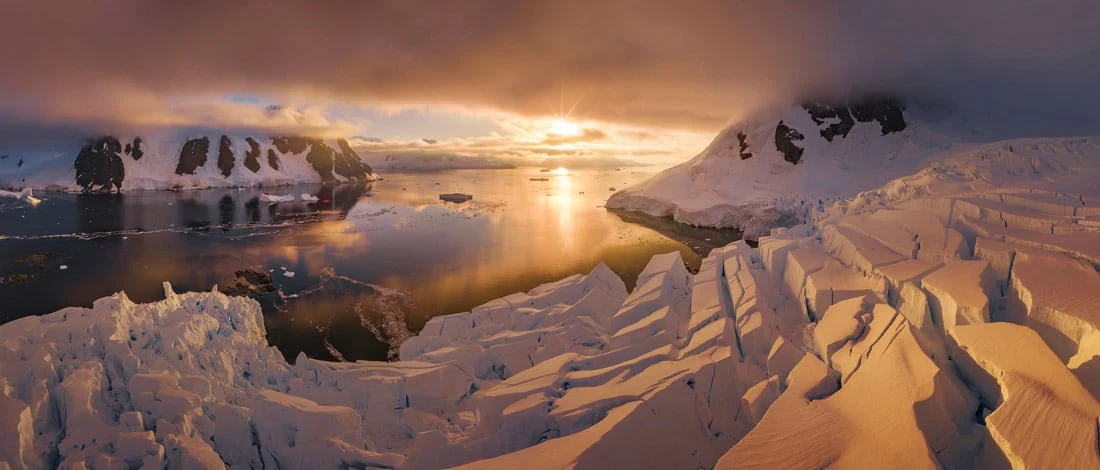
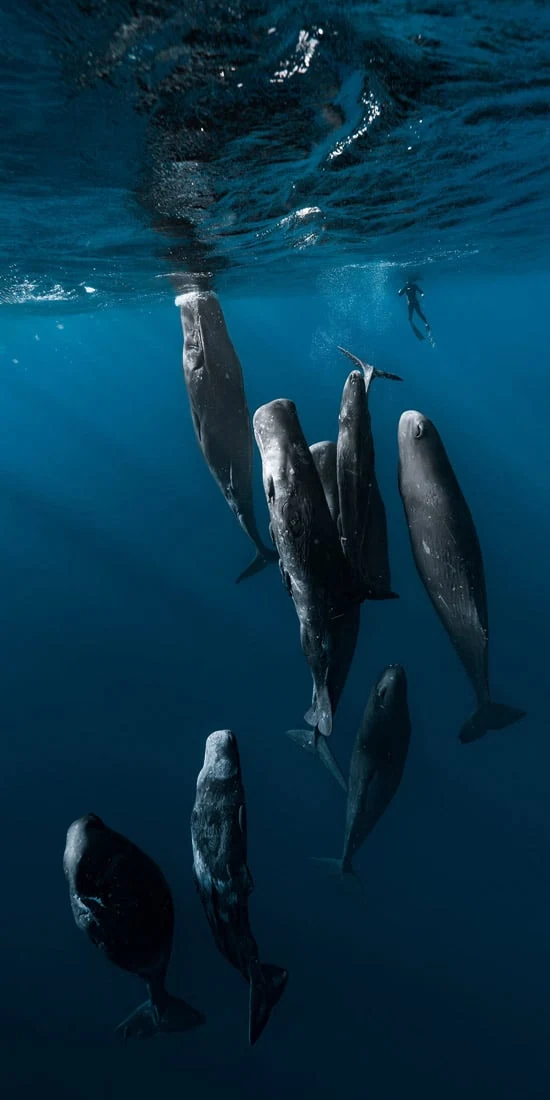
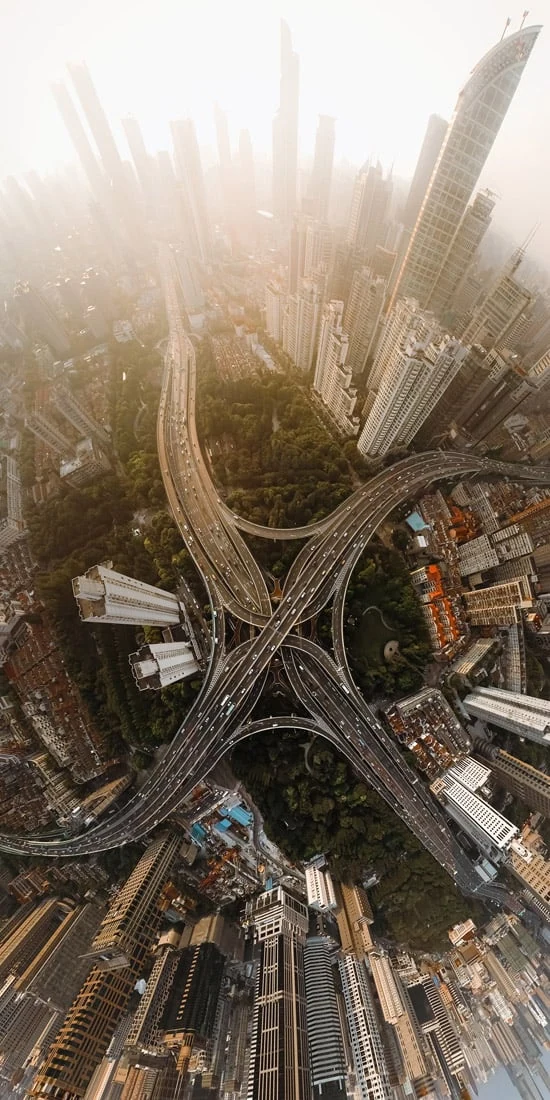
The following images add further ranked entries, other categories and the separate VR/360 field. The ranking numbers in the captions are drawn from the supplied image filenames; not every photograph shown represents a first-place finish.
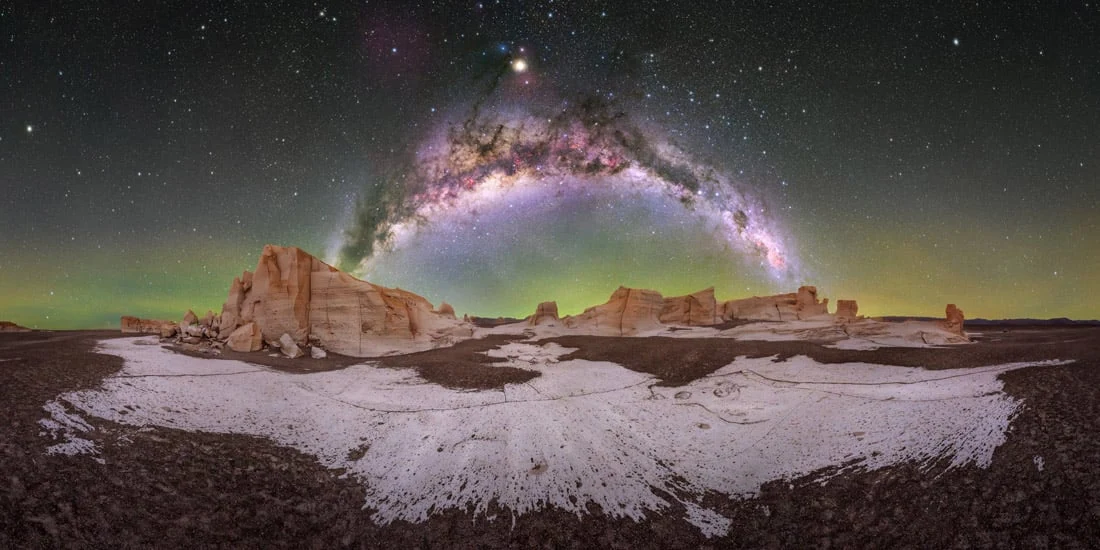
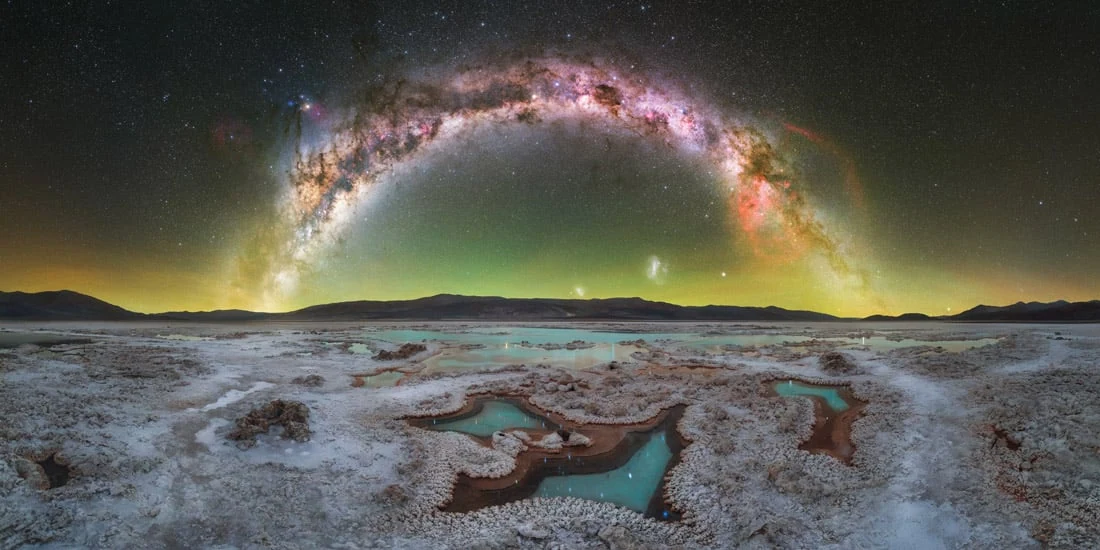
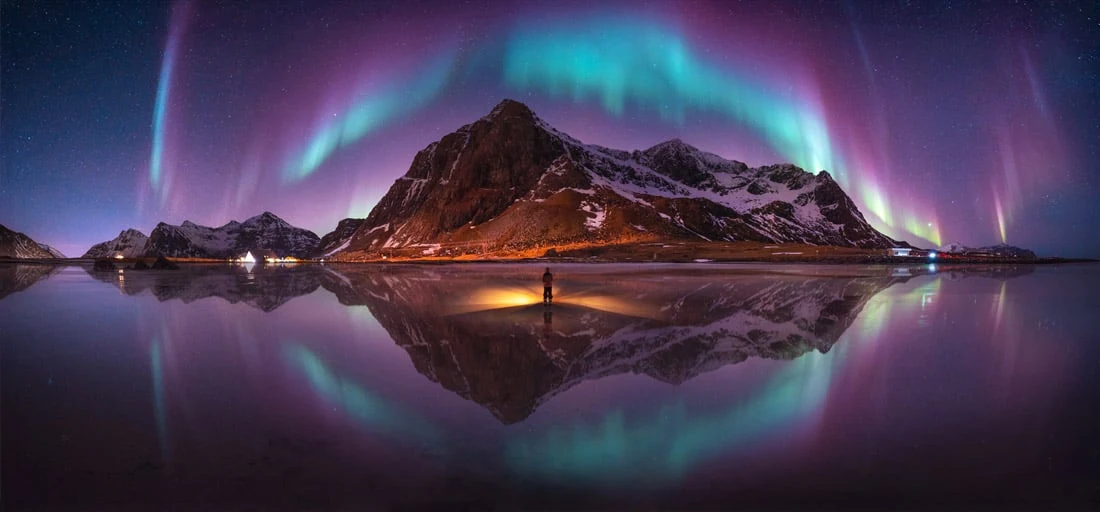
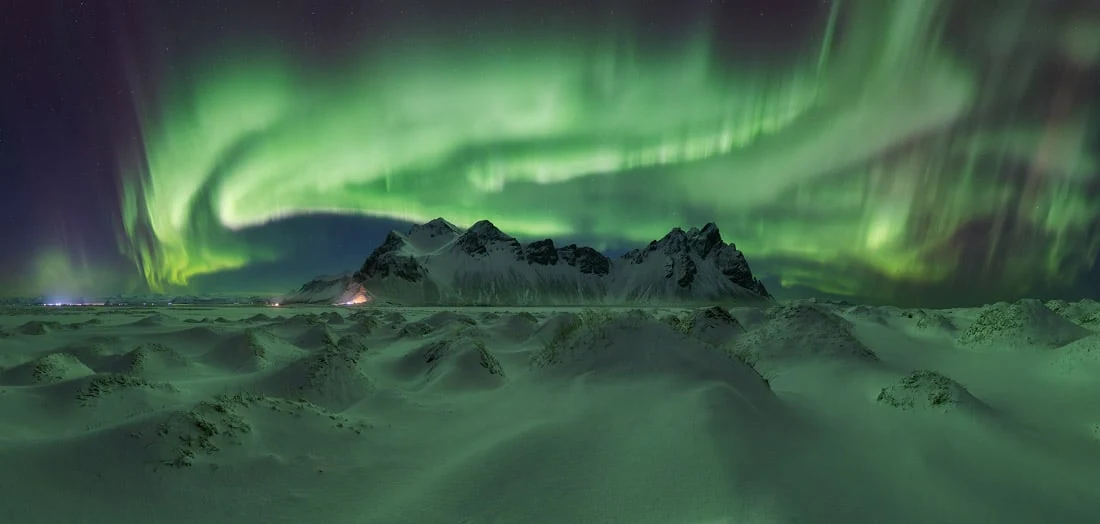
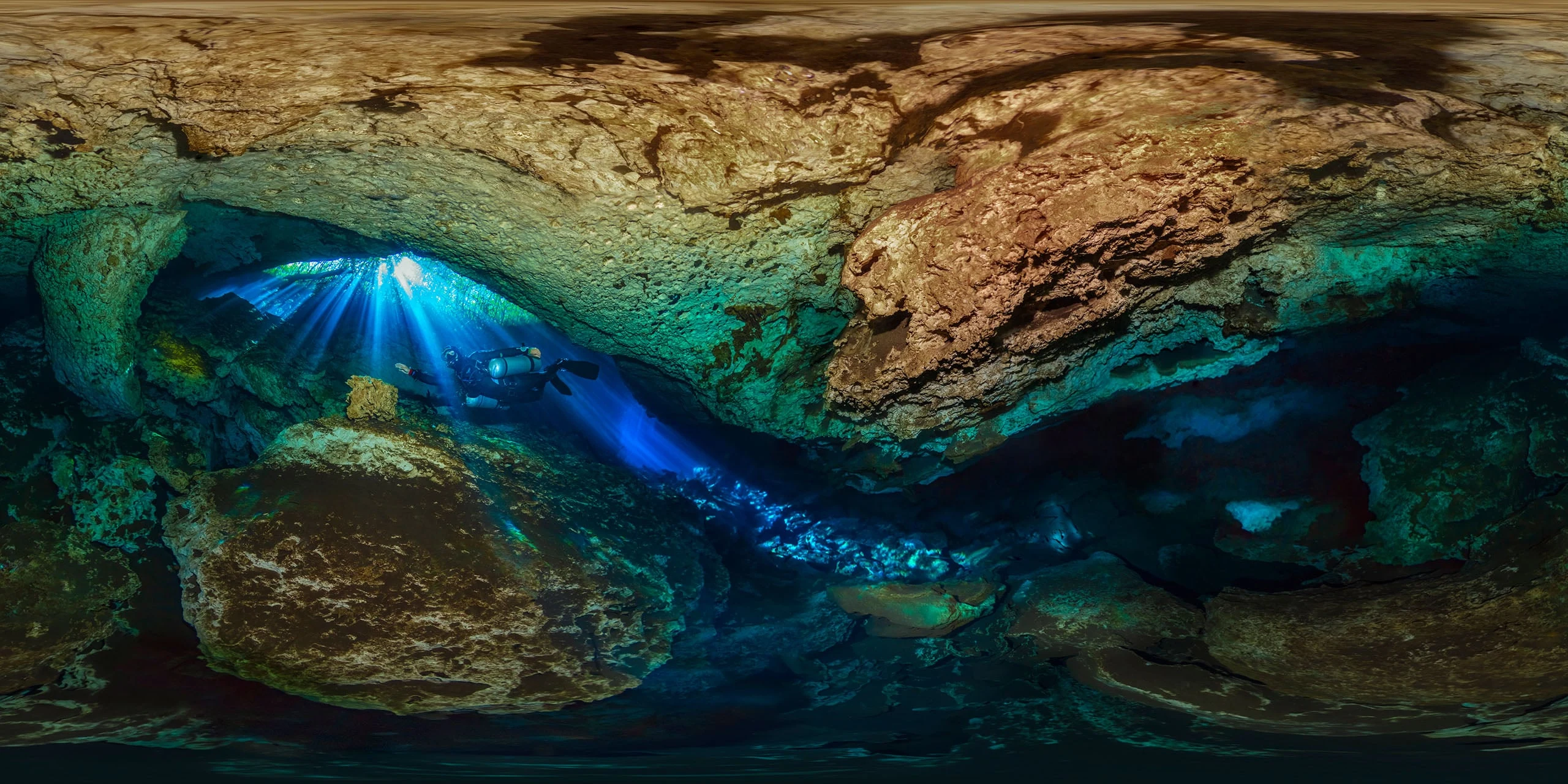
Looking back at the 2024 winning panoramas shows a continuing reliance on multi-frame construction alongside an increasingly visible aerial perspective.
What we think
This year’s awards underline that panoramic photography is far more than an unusually wide crop. Iraeta’s image required 107 exposures and unusually specific night-sky conditions. The technical work serves the visual idea rather than becoming the point of the picture.
The recognition of aerial photography in a dedicated category is particularly interesting. A drone offers new geometries and viewpoints, but a high vantage point alone does not guarantee a compelling photograph. Subject selection, compositional consistency and careful editing remain essential.
For photographers developing their own panoramic work, these images are worth studying not simply as finished spectacles but as examples of lighting decisions, patience and deliberate visual construction.