Summary
- A 16mm film reportedly dating to 1966 is presented as possible rehearsal footage for the famous Bigfoot scene.
- Capturing Bigfoot examines the discovered reel and testimony from those involved.
- The production has also released a new 4K scan of the original film.
- The interpretation of the archival material remains disputed.
A 16mm reel kept in a safe for decades is reopening the story behind the world’s most famous Bigfoot footage: was the 1967 encounter staged?
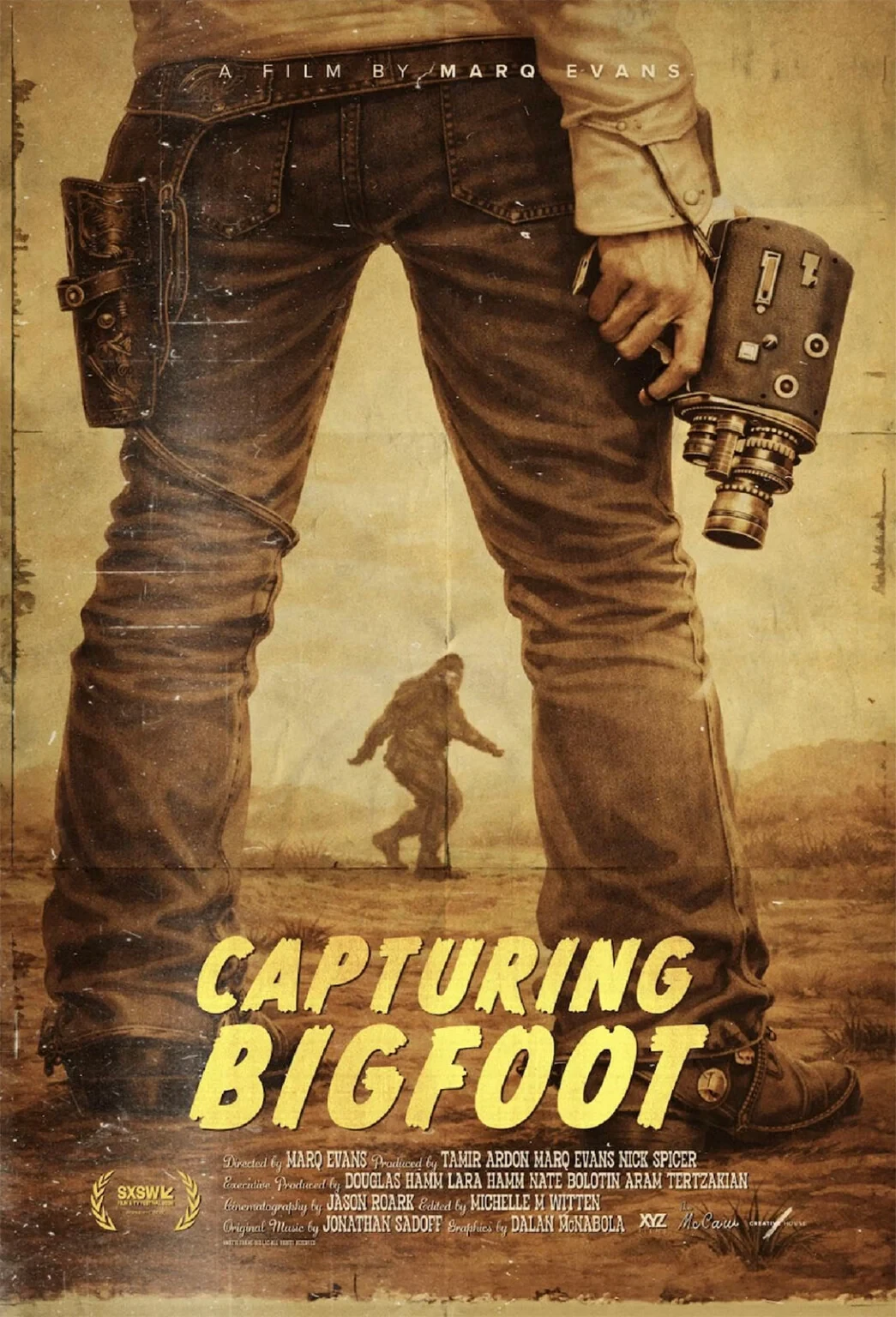
Marq Evans’s documentary Capturing Bigfoot introduces approximately 40 seconds of previously obscure film which the production dates to 1966. Its filmmakers interpret the material as a possible rehearsal for the famous Patterson–Gimlin film, made one year later.
There is another significant visual source: the production has released a new 4K scan of the 1967 film from material in the Patterson family collection. The official upload appears below.
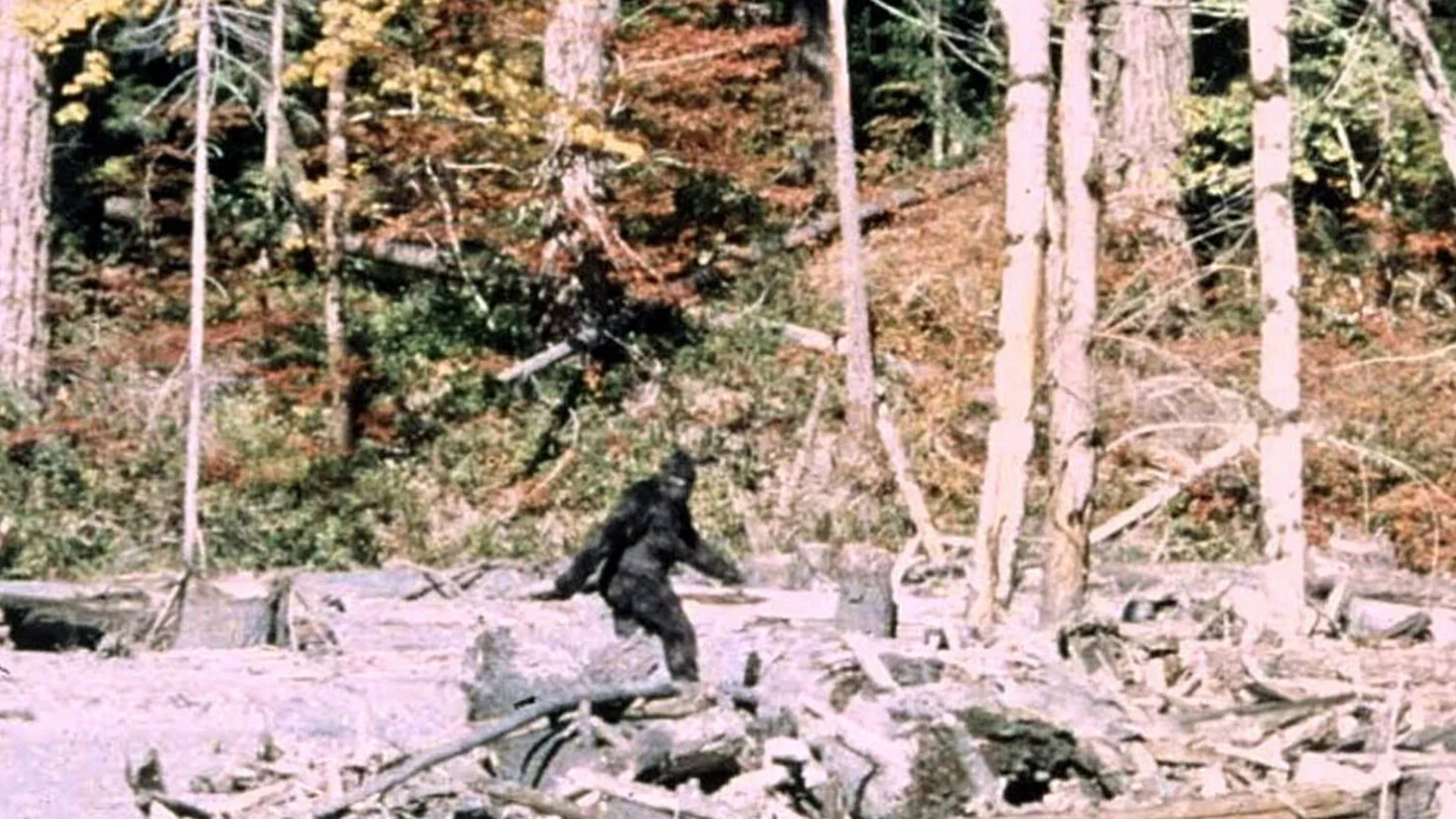
The footage that created a legend
On October 20, 1967, Roger Patterson and Bob Gimlin filmed a hairy, humanlike figure walking through the woods in Northern California, briefly turning its head toward the camera. Those few seconds became the most recognizable image associated with the mythical Bigfoot.
The figure was nicknamed “Patty.” The handheld footage is unsteady, with limited detail because of the subject’s size in the frame. Those visual limitations have sustained decades of conflicting interpretations of its anatomy, gait and apparent natural movement.
The reel discovered in a safe
Teresa Brooks contacted director Marq Evans in 2022 with a 16mm reel from her family archive. Her father, Norm Johnson, worked in a Boeing film laboratory and had connections to people associated with the original filmmakers.
The reel was scanned and contained roughly 40 seconds showing a similar hairy figure in woodland. Evans and other documentary participants argue that the material shows a costume test or rehearsal preceding the 1967 footage. Dating, provenance, chain of custody and its relationship to the original reel are essential to assessing that conclusion.
The documentary also features people closely connected to the story, including Patterson’s son Clint Patterson, Bob Gimlin and Bob Heironimus, who has previously claimed he wore the costume. Their accounts offer different perspectives but must be evaluated alongside the physical film evidence.
A new 4K scan and the frame-rate problem
The production describes its new transfer as a scan of Patterson family film material without artificial image enhancement. A higher-resolution scan can help people inspect what the photochemical original holds, but it cannot recover visual detail that the lens never captured.
Frame rate is a significant technical issue. The original camera speed was never conclusively established; 16 or 18 frames per second are commonly estimated, while the newly published video is presented at 24 fps. Without accounting for that difference, apparent walking speed and body movement can be misleading.
What is established, and what remains disputed
The newly found archival reel is central to the documentary’s investigation. Interpreting it as proof of a planned hoax is the position advanced by the filmmakers and interviewees who support that account. We could not establish a publicly available, independent technical authentication sufficient to settle the dispute conclusively.
Capturing Bigfoot premiered at SXSW in March 2026. Distributor XYZ Films has announced limited theatrical screenings and an Amazon Prime Video release beginning October 20, 2026, exactly 59 years after the original filming. The announcement does not establish availability in Greece.
What we think
For photographers and filmmakers, the most intriguing part of this story is not the search for a mythical creature. It is how a short, imperfect image can survive for decades as supposed evidence when the circumstances of its creation remain uncertain. The 1967 film is compelling precisely because its visual gaps invite viewers to fill them in.
A better scan is valuable. It gives researchers a clearer common reference and reduces reliance on copies degraded by generations of analogue and digital transfer. It also highlights how playback speed alone can change our interpretation of a person’s or creature’s movements.
A reel emerging after decades is an exciting documentary discovery, but the strength of its claims depends on verifiable provenance and dating. Capturing Bigfoot has a compelling story to tell. A definitive verdict should follow careful examination of the evidence rather than precede it.