Summary
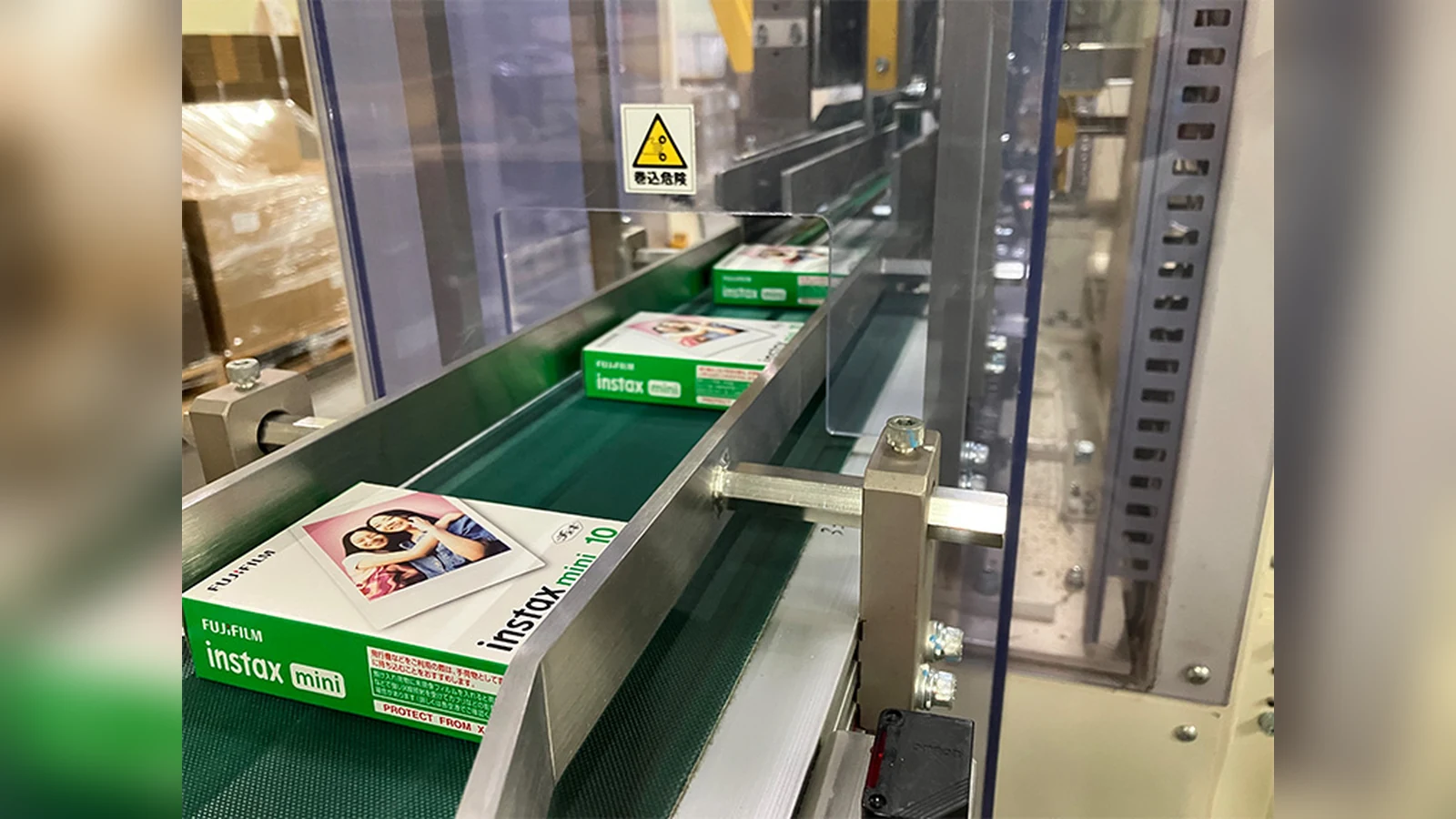
Fujifilm is investing another 3 billion yen in instax film production in Japan as worldwide demand for instant photographs continues to grow.
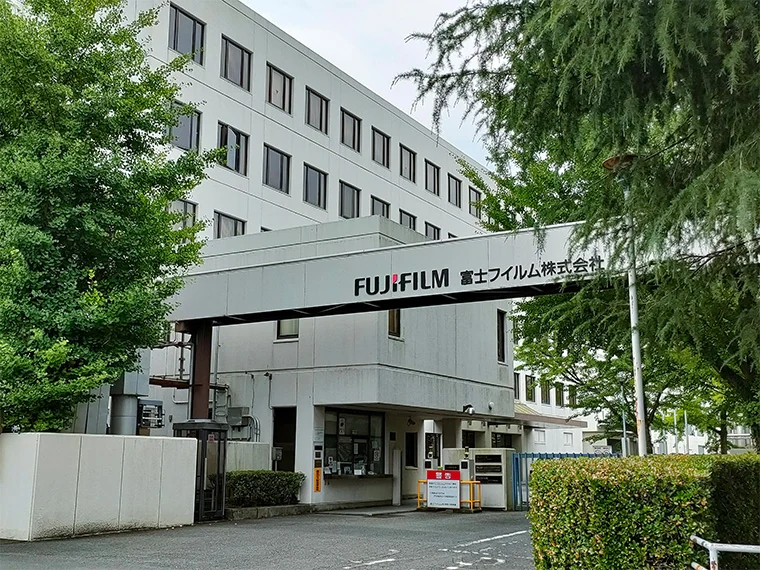
Announced on October 20, 2026, the investment will add production lines at the Ashigara Site of the Kanagawa Factory. The news matters because it concerns the consumable material underpinning the entire instax system, rather than another camera launch.
New production lines and 20% more capacity
The approximately 3-billion-yen investment will fund additional instax film production lines and associated facilities in Minami-Ashigara, Kanagawa. Operations are scheduled to begin in stages in spring 2027, with full operation expected in spring 2028.
At full capacity, Fujifilm expects instax film production capacity to be approximately 20% above FY2026 levels.
A 70% production-capacity increase since 2022
Fujifilm has continued investing in instax film facilities since 2022. Once the latest expansion is fully operational, capacity is expected to stand approximately 70% above FY2022 levels. The company separately announced a 5-billion-yen investment in December 2025; this latest project is an additional expansion rather than a repetition of that announcement.
More than 100 million instax products sold
Launched in 1998, instax is now available in more than 100 countries and encompasses analog and hybrid instant cameras, smartphone printers and compact digital cameras. According to Fujifilm, cumulative worldwide instax product sales surpassed 100 million units by the end of FY2024.
The instax business recorded 200 billion yen in sales in FY2025, its fifth consecutive record year since FY2021. The broader commercial strength of instant imaging can also be seen in Fujifilm’s Imaging segment financial results, where Consumer Imaging reported substantial growth.
Instax moves further into events and business
Fujifilm also highlights the use of instax at events, entertainment venues, retail locations and fan gatherings. Its instax Biz service enables organizers to produce instant photographs carrying customized graphics, turning prints into keepsakes associated with a business or event.

This business use helps explain why film demand is no longer tied exclusively to individuals buying a camera for personal pictures. Recurring events and services that provide instant prints can generate a continuing demand for film.
What we think
The most significant development is Fujifilm’s renewed investment in the physical manufacture of instant film. An instant-camera ecosystem cannot thrive on new devices alone: if people struggle to obtain film, the photographic experience itself becomes less accessible.
The expansion is particularly relevant to professionals offering instant photography at events, where predictable consumable supplies matter. The announcement does not, however, justify predicting cheaper packs or specific availability improvements in Greece or elsewhere.
We are also interested in instax’s shift from personal snapshots towards an experience offered at physical gatherings. That creates a tangible market for instant photography, although the resulting prints need to retain their photographic value rather than serve only as branded promotional material.