Summary
- The Sigma 50mm F1.4 CL DG Contemporary launches a new CL family within the I Series.
- It weighs 375g and introduces the RDD autofocus actuator.
- The optical design aims for gentler rendering and smooth bokeh.
- Sony E-mount and L-Mount versions are expected in early spring 2027, with pricing still unannounced.
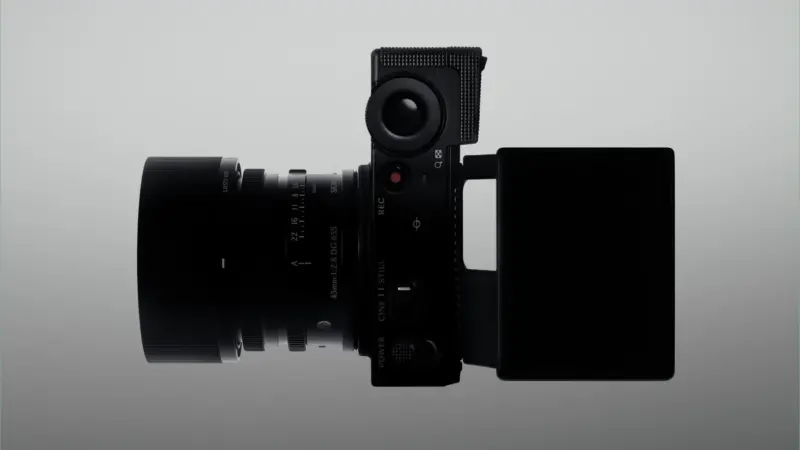
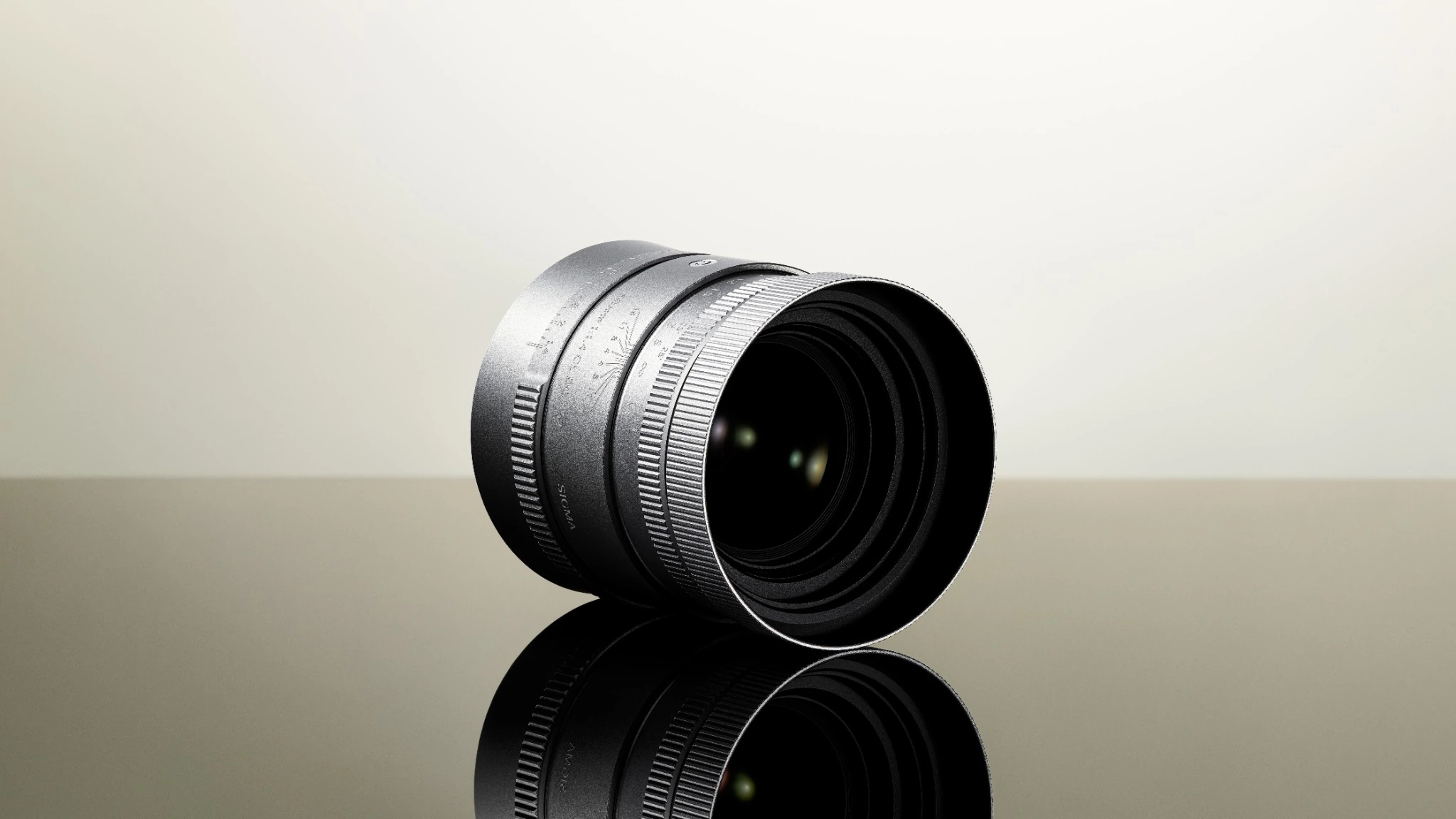
Sigma has introduced an unusually compact full-frame 50mm f/1.4 with a new autofocus drive, all-metal construction and an optical design aimed at giving images a distinct character.
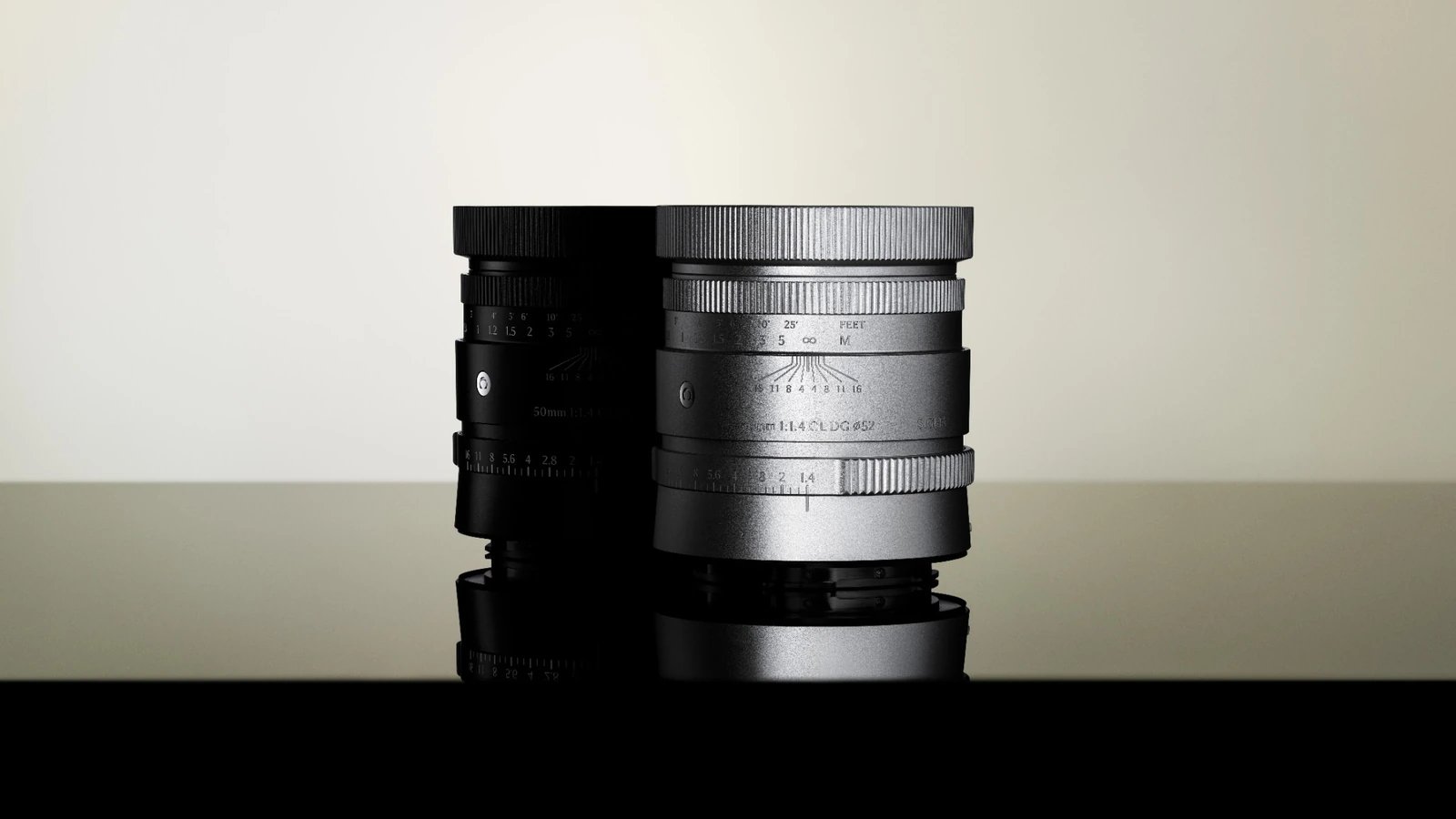
Announced on October 23, 2026, the Sigma 50mm F1.4 CL DG | Contemporary is the first lens in the new CL family within the I Series. At 375g, Sigma is aiming to deliver f/1.4 speed without the bulk normally associated with modern full-frame 50mm primes.
A small 50mm with a different approach to rendering
The CL is particularly relevant to portrait and everyday photographers. Sigma says it used advanced optical simulations to control aberrations deliberately: the aim is not simply maximum sharpness but a more gentle rendering in the focus plane, smooth bokeh and natural tonal transitions. That is an aesthetic design decision, not a promise that every image will look soft.
Its optical construction comprises nine elements in six groups, including three aspherical elements and one FLD element. The lens has a 14-blade rounded diaphragm and accepts 52mm front filters. The f/1.4 aperture at 50mm offers control over depth of field for portraits and available-light photography, with a field of view versatile enough for daily shooting.
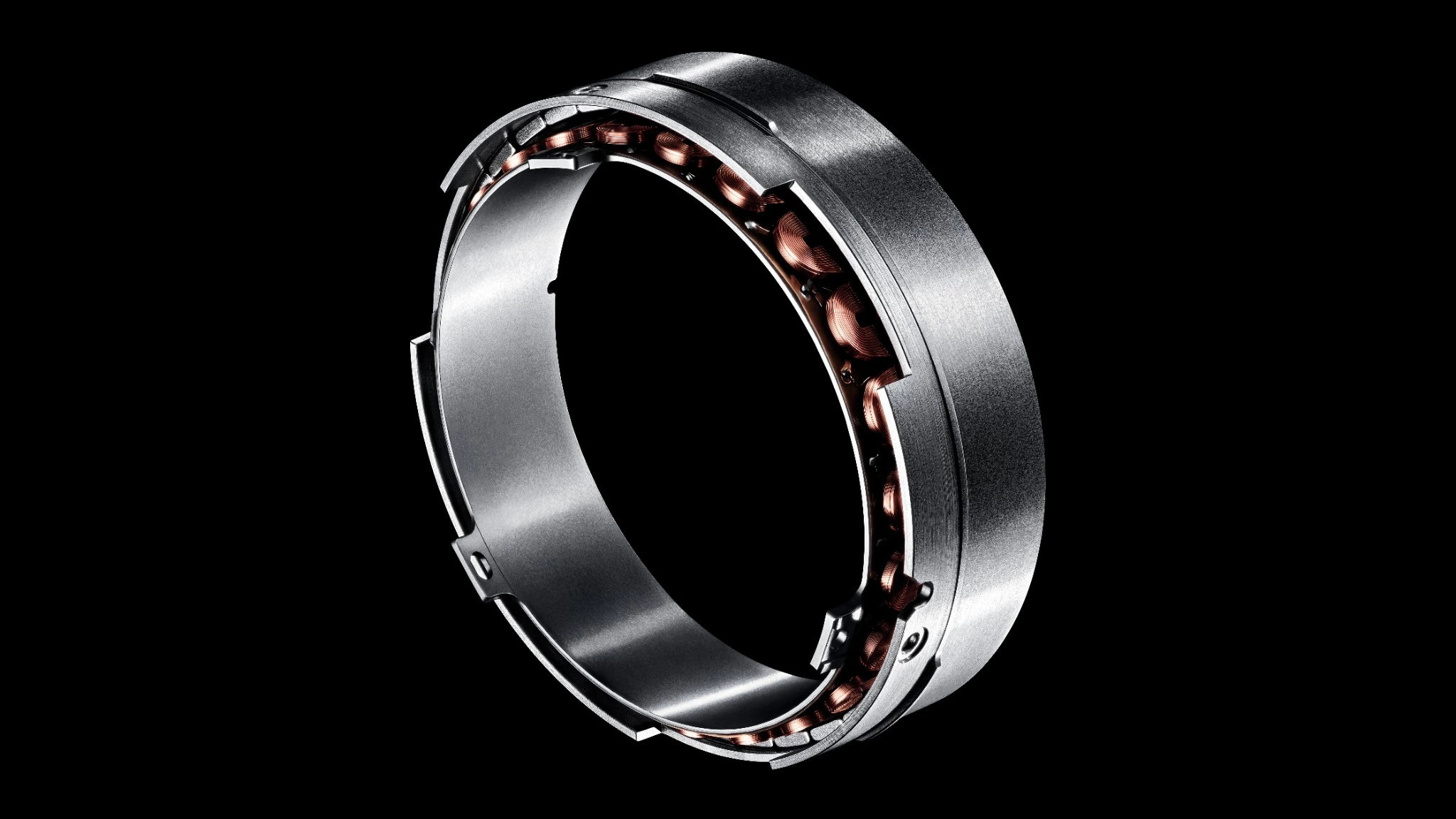
RDD: a new autofocus drive designed to save space
To make the lens smaller, Sigma chose a whole-lens extension focusing system rather than internal focusing. Its new Rotary Direct Drive (RDD) actuator arranges magnets and coils around the circumference of the mechanism, creating a slim, high-torque motor capable of moving the heavier optical assembly.
Turning the focus ring immediately allows manual intervention even while autofocus is operating, without first switching modes. Because the full optical assembly moves, however, the lens changes length as it focuses. This matters for video work, particularly during continuous focus transitions: actual AF performance still needs independent testing.
Metal construction and technical details
The metal barrel, screw-on hood, textured focus and aperture rings, and magnetic metal lens cap follow the I Series design language. Distance and depth-of-field scales provide visible reference points while shooting. The lens uses a dust- and splash-resistant construction, which is not waterproof, plus a water- and oil-repellent coating on the front element.
Length is 54mm for L-Mount and 56mm for Sony E-mount, with a 64.7mm maximum diameter and the same 375g weight. Minimum focusing distance is 45cm, maximum magnification is 1:6.8, and the minimum aperture is f/16. Black and silver finishes are planned. It follows a different design philosophy from larger fast Art primes such as the Sigma 85mm F1.2 DG | Art, which serve a different set of shooting priorities.
More information here.
Price and availability
Sigma expects to release the lens in early spring 2027 for Sony E-mount and L-Mount. A final release date and price have not been announced, and no official European price has been identified. Sigma also notes that appearance and specifications may change before commercial release.
What we think
A 375g f/1.4 50mm has a straightforward practical advantage: you can leave it in the bag or on the camera without turning a casual shoot into a heavy kit day. For street photography, travel or available-light portraits, size can matter just as much as maximum aperture.
The more interesting decision is Sigma’s willingness to pursue something other than perfect test-chart sharpness. There are plenty of highly corrected lenses already; a lens designed for gentler transitions and a particular rendering style could make a visible creative difference without having to recreate it in editing. We would still want to examine real RAW files shot wide open, especially portraits with bright highlights in the background.
RDD is a clever way to reduce size, but moving the whole optical assembly adds a consideration for filmmakers. Smoothness, speed and behaviour during a focus pull will matter more than autofocus being listed on the spec sheet. And pricing will determine whether this becomes an appealing everyday prime or a more specialized purchase for its particular look.