

Summary
- FUJIKINA Paris ran from September 4 to 6, 2026
- Four exhibitions spanned two centuries of photographic history
- Talks, masterclasses and hands-on trials gave the event its rhythm
- PTTL handled the lightweight and compact Fujinon XF400mmF4.5
- Fujifilm combined culture, education and equipment at the Palais Brongniart
- The Palais Brongniart became part of the experience
- Four genuinely curated exhibitions
- From Magnum’s colour archive to contemporary youth
- Two centuries of portraiture and 15 years of X Series
- Clear audio for the talks, without complete isolation
- Hands-on trials and a genuine ecosystem
- The new XF400mmF4.5 up close
- Thanks to Fujifilm
- What we think
- Frequently asked questions
The first FUJIKINA in the heart of Paris brought photographic history, contemporary practice, education and hands-on access to equipment together in an event with a clear curatorial identity.
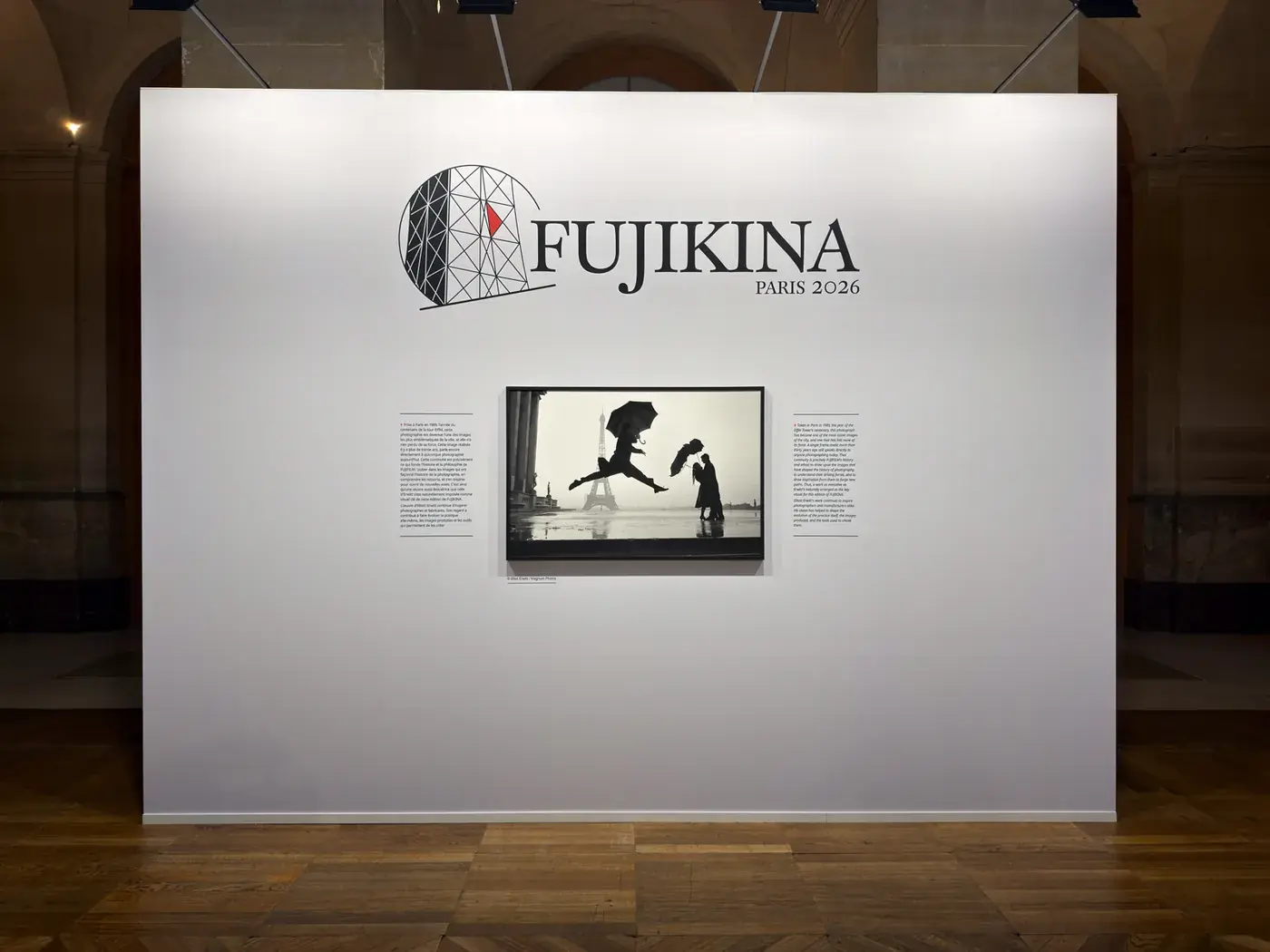
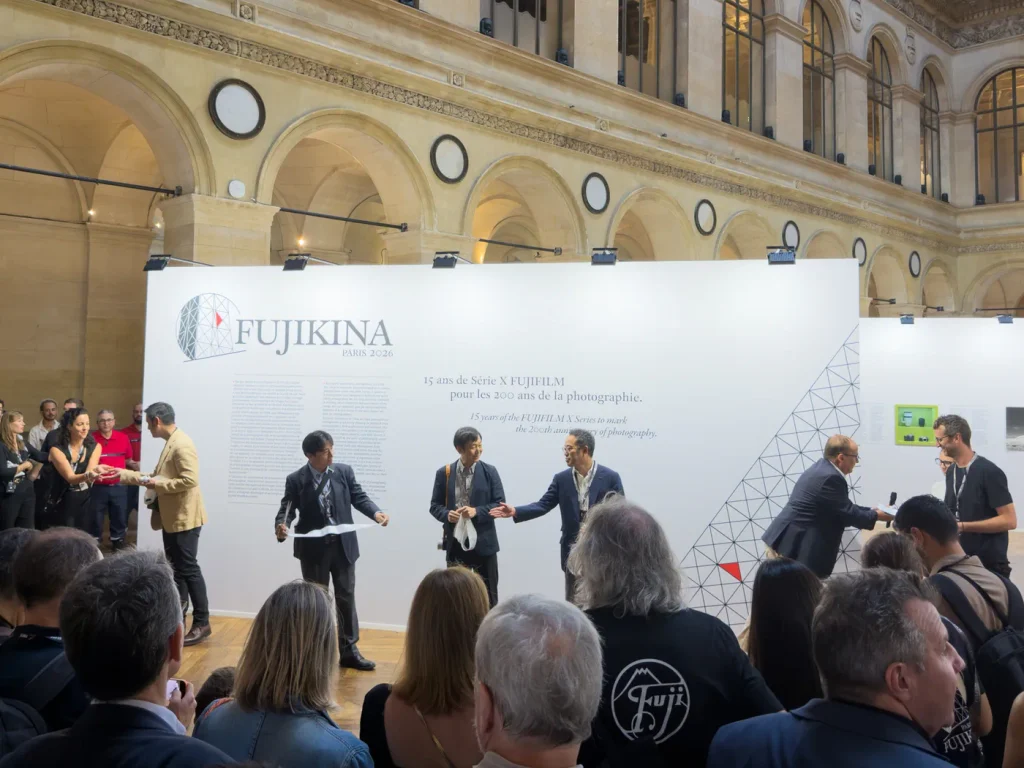
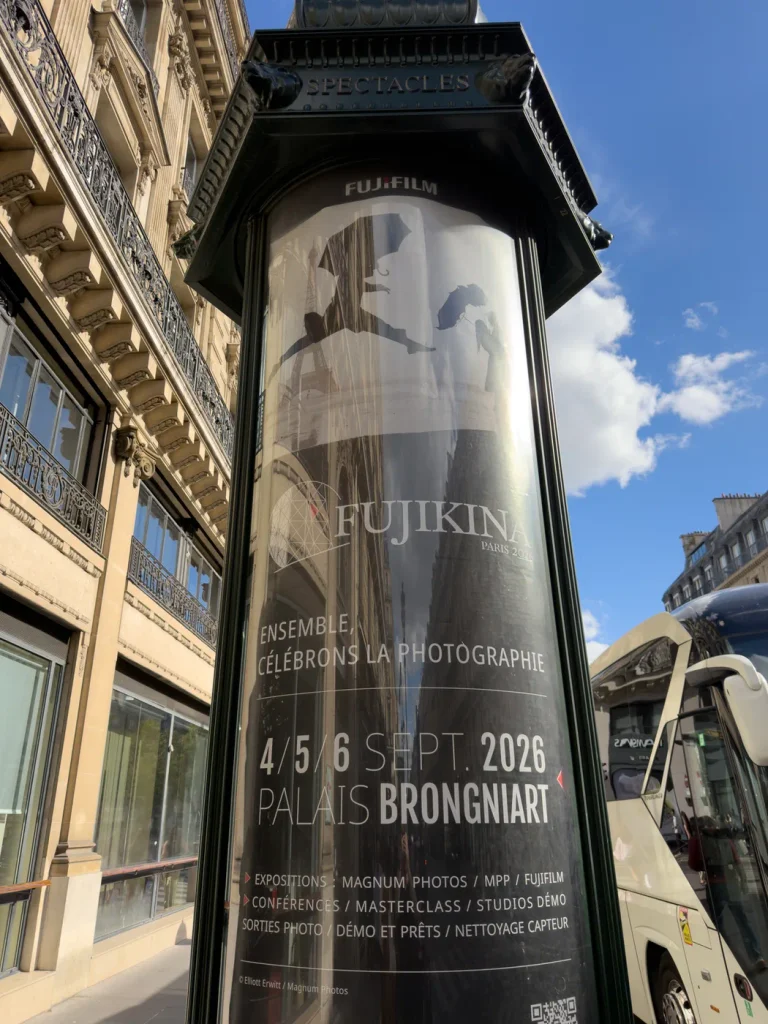
PTTL attended FUJIKINA Paris 2026, held from September 4 to 6 at the Palais Brongniart. For three days, the historic building on Place de la Bourse hosted four main exhibitions, talks, masterclasses, photo walks, Demo Studios, product trials and equipment loans. The French Ministry of Culture had officially labelled it an event marking photography’s bicentenary.
The value of FUJIKINA lay in more than the scale of its programme. Fujifilm created an experience in which photography came before the trade-show element: visitors could spend time with important work, listen to photographers, handle cameras and lenses and meet members of the photographic community without the individual parts feeling disconnected.
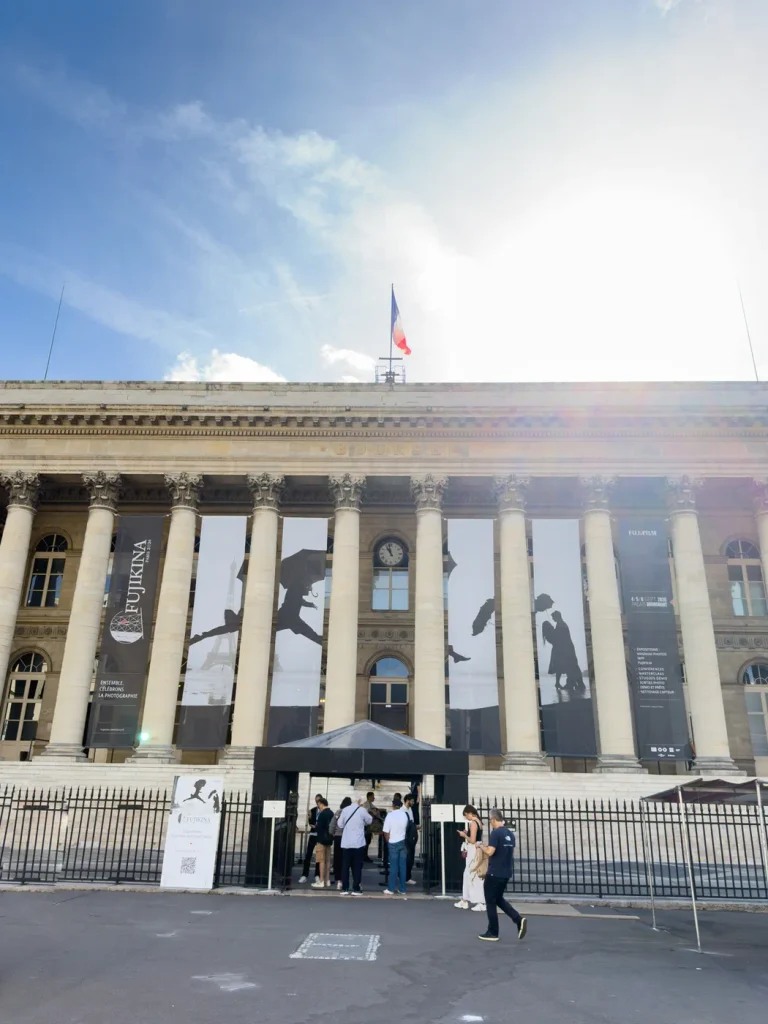
The Palais Brongniart became part of the experience
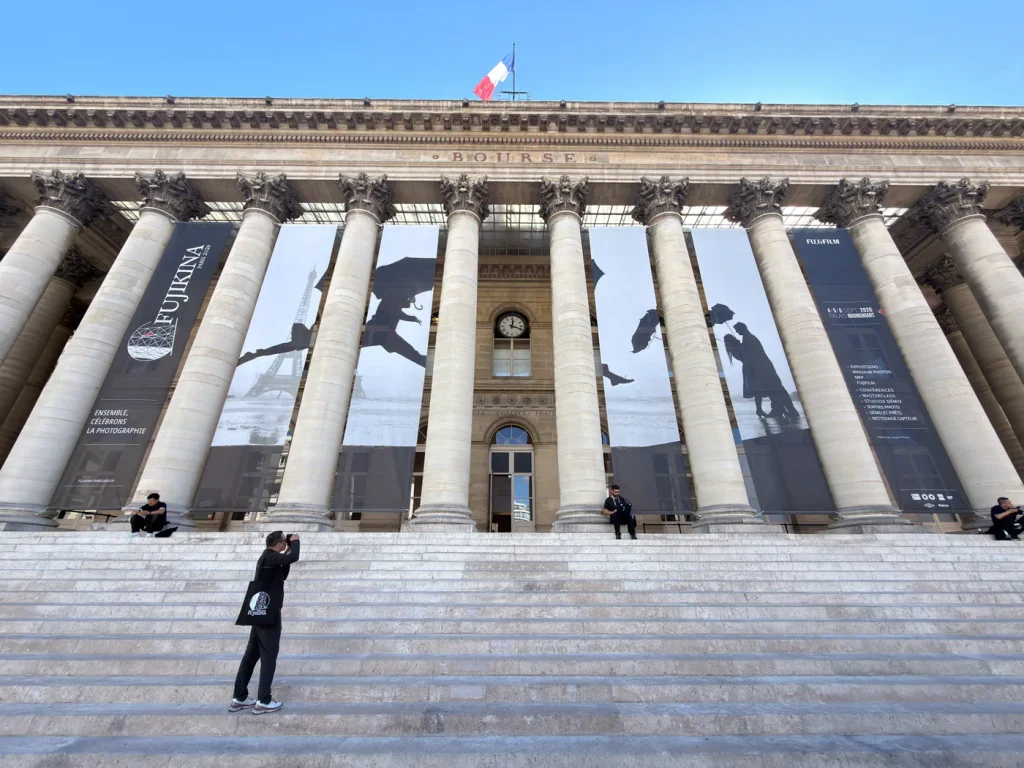
Choosing the Palais Brongniart, the neoclassical building that formerly housed the Paris stock exchange, gave FUJIKINA both scale and character. Its halls, corridors and presentation spaces formed a natural route through the exhibitions, talks and hands-on areas.
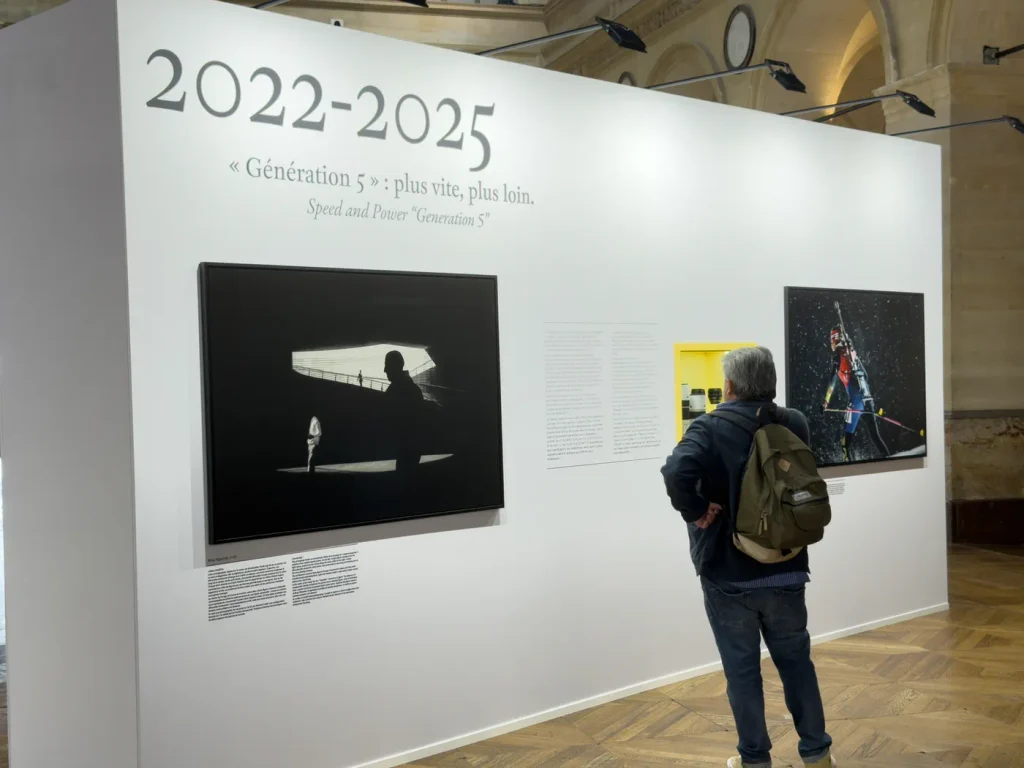
The installation did not treat the building as a simple backdrop. Prints had room to breathe, supporting information was easy to read and the lighting rewarded close viewing. The overall impression was closer to a carefully curated photography exhibition than a hall packed with product stands.
Four genuinely curated exhibitions
The exhibition programme covered two centuries of photographic history. Two shows were produced with Magnum Photos, one drew on the national collections of the Médiathèque du Patrimoine et de la Photographie, and another traced 15 years of Fujifilm’s X Series.
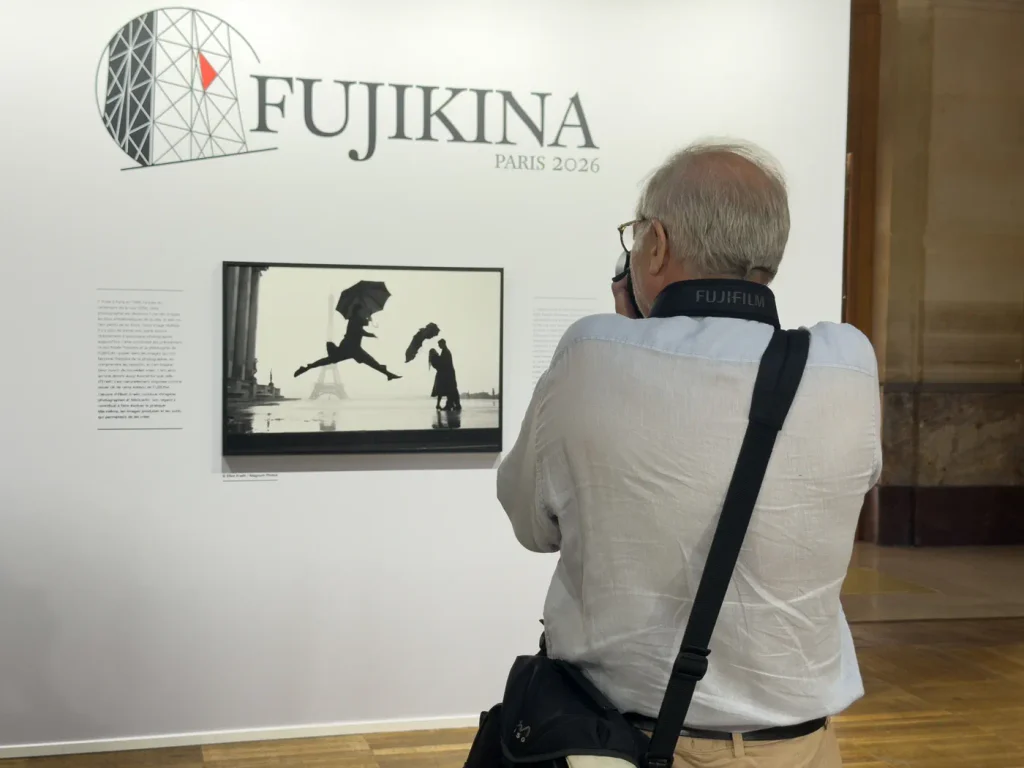
The quality of the prints, their placement and the accompanying texts showed consistent care. These were not images used as decoration around products; they were exhibitions that asked visitors to slow down and gave them enough context to engage with each work.
From Magnum’s colour archive to contemporary youth
“Magnum: A World In Color” was presented as the largest retrospective to date of the agency’s colour archive. The material came from an archive of approximately 43,000 contact sheets and 650,000 colour slides, digitised with support from Fujifilm and the GFX100 II system. The show revealed a side of Magnum that had long been less visible than its classic black-and-white work.
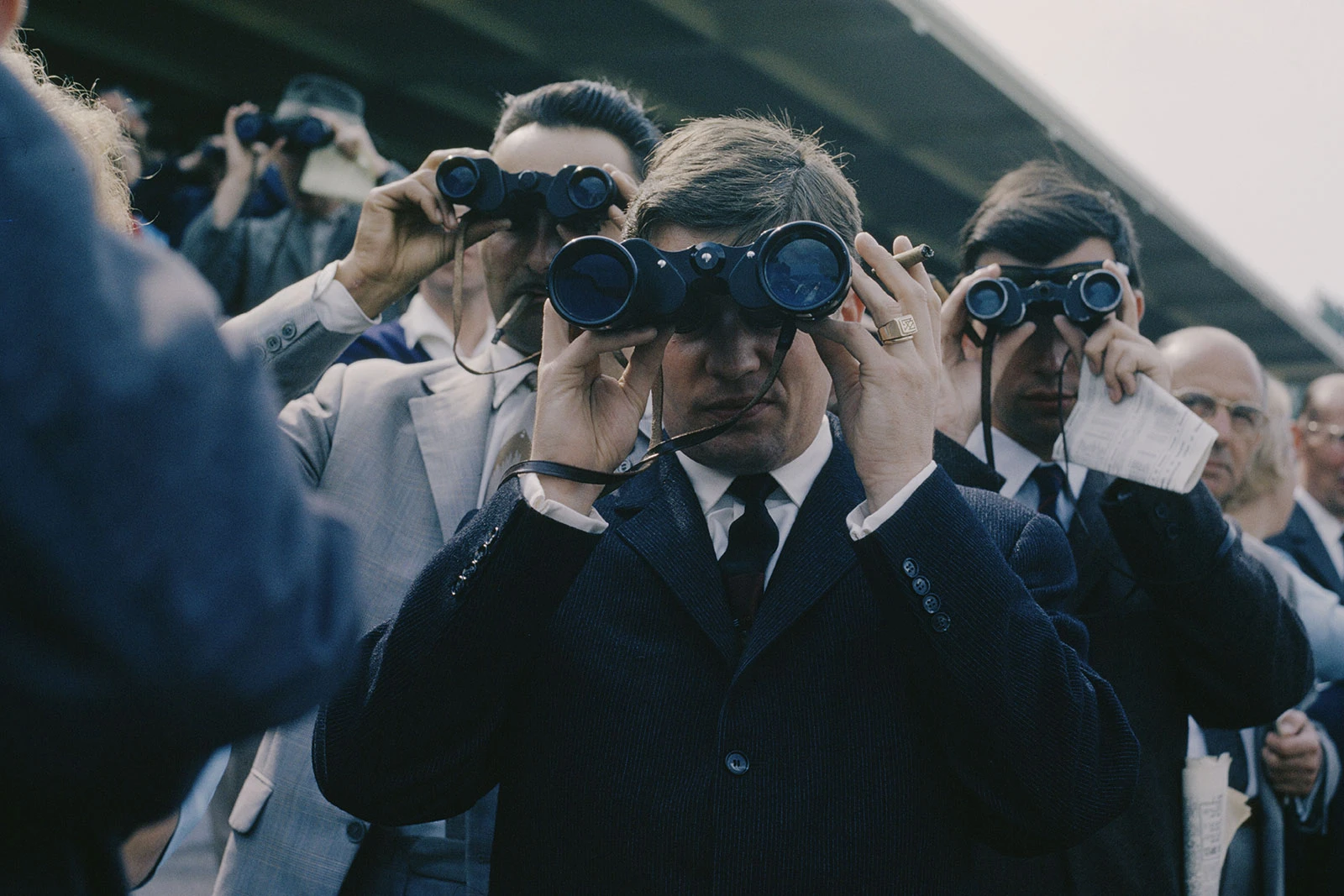
“Magnum Youth” looked at youth through two distinct American perspectives. Alex Webb presented “Las Calles: In the Spirit of Youth”, built around the complex colour and movement associated with his work, while Alec Soth contributed “Three Teens”, a quieter and more personal study of the transition towards adulthood.


Two centuries of portraiture and 15 years of X Series
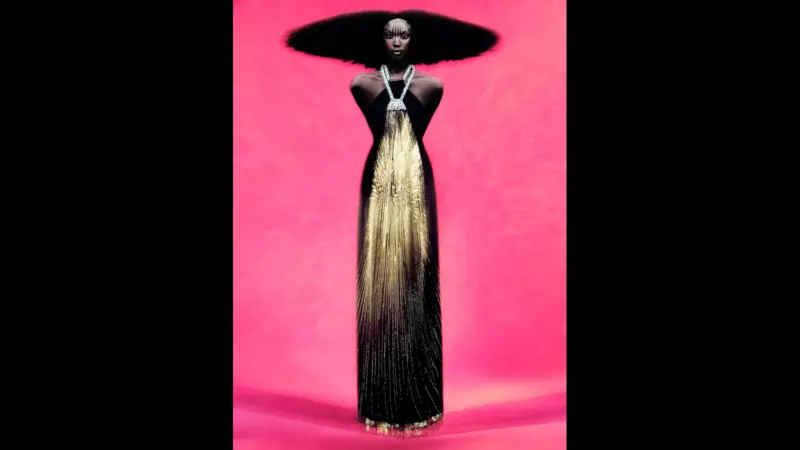
“Histoire de Portrait(s) des Collections MPP” followed the evolution of portraiture from the medium’s beginnings to the present day. The Médiathèque du Patrimoine et de la Photographie holds around 25 million photographs, and the FUJIKINA selection brought historical images, different techniques and changing ideas of a person’s public image into the same space.
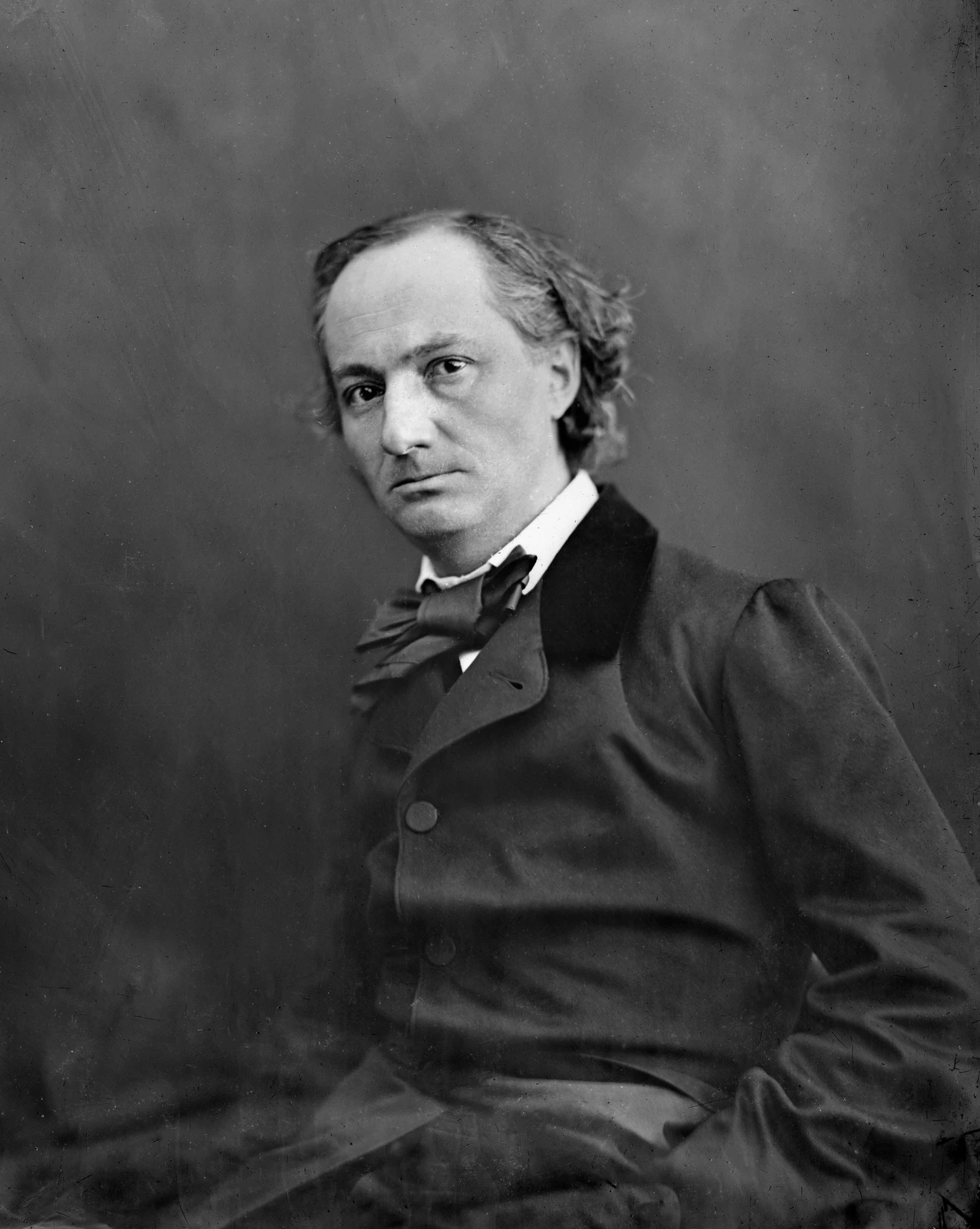
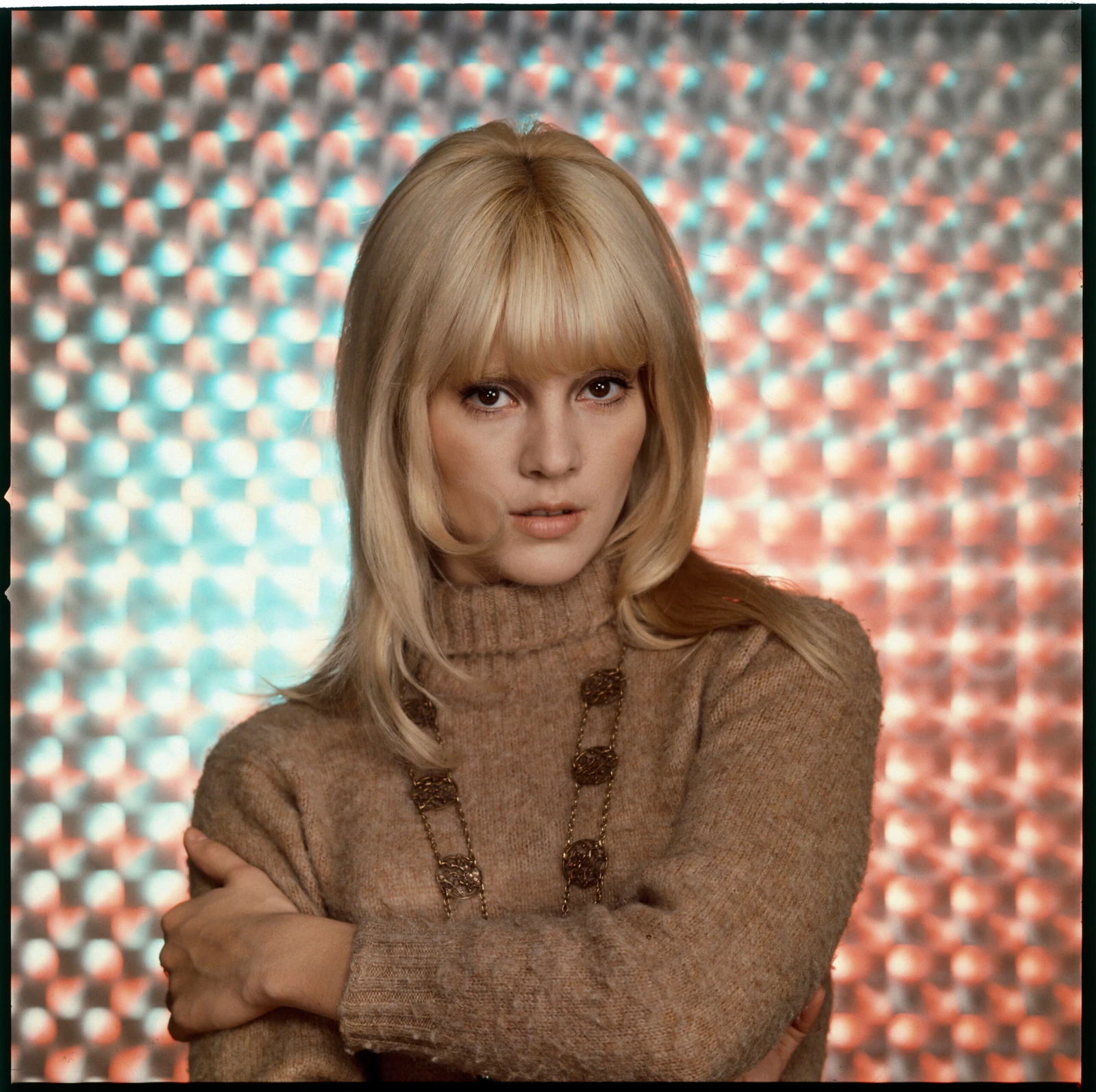
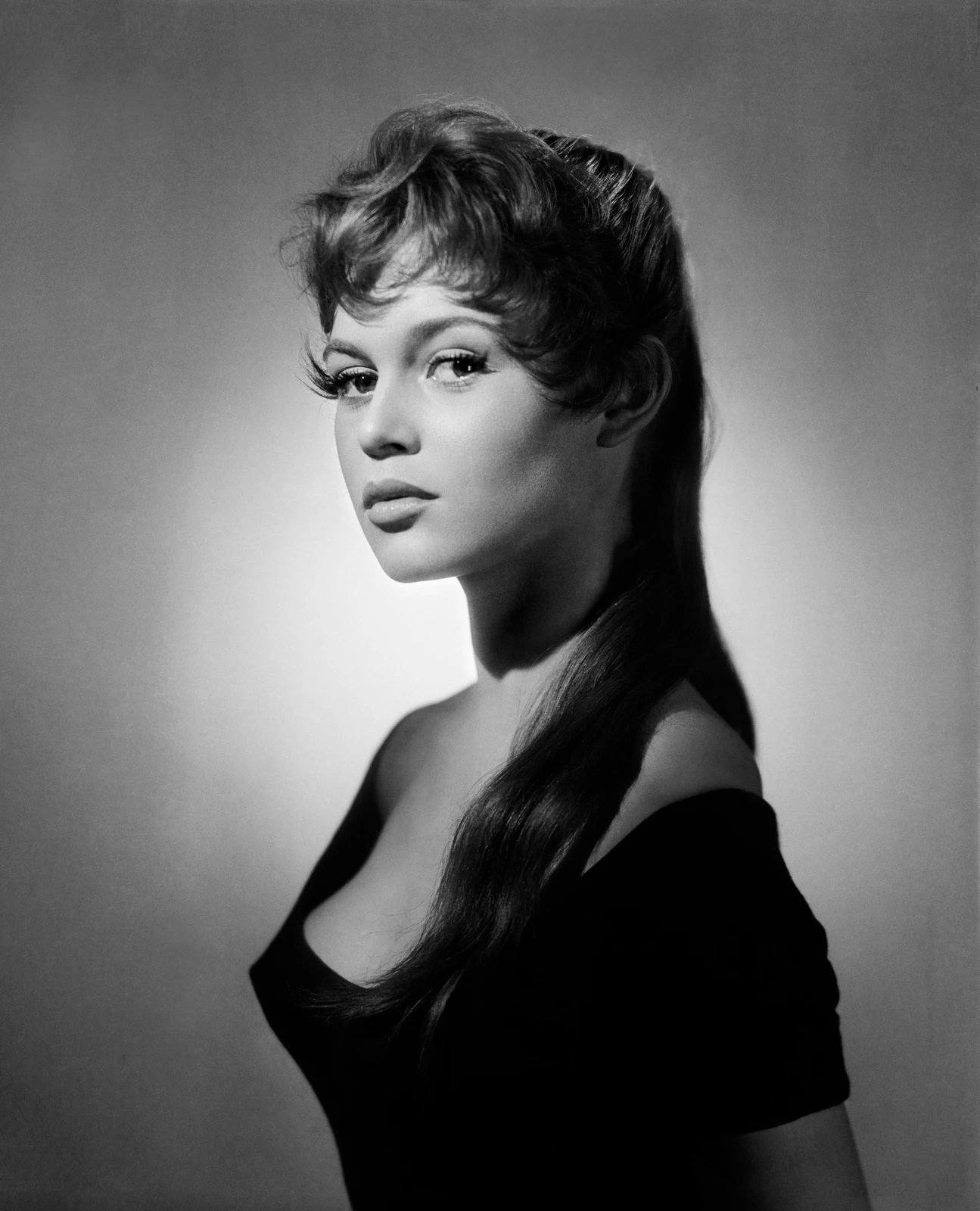
The fourth exhibition, “15 ans de Série X Fujifilm, pour 200 ans de photographie”, linked the bicentenary with the story of the X Series. From the first mirrorless bodies to the GFX system, it showed how Fujifilm has combined design, handling, sensor technology and colour reproduction in a continuous photographic proposition. FUJIKINA began in 2022 and has since established an international presence; PTTL also covered the Copenhagen event in 2026.
Clear audio for the talks, without complete isolation
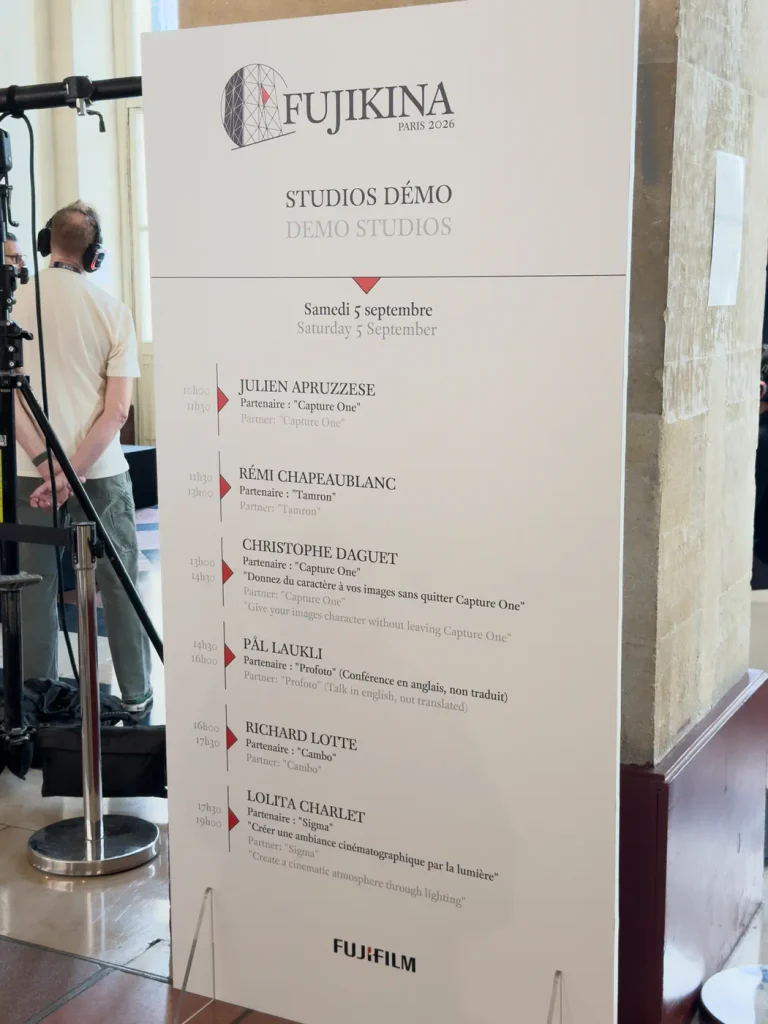
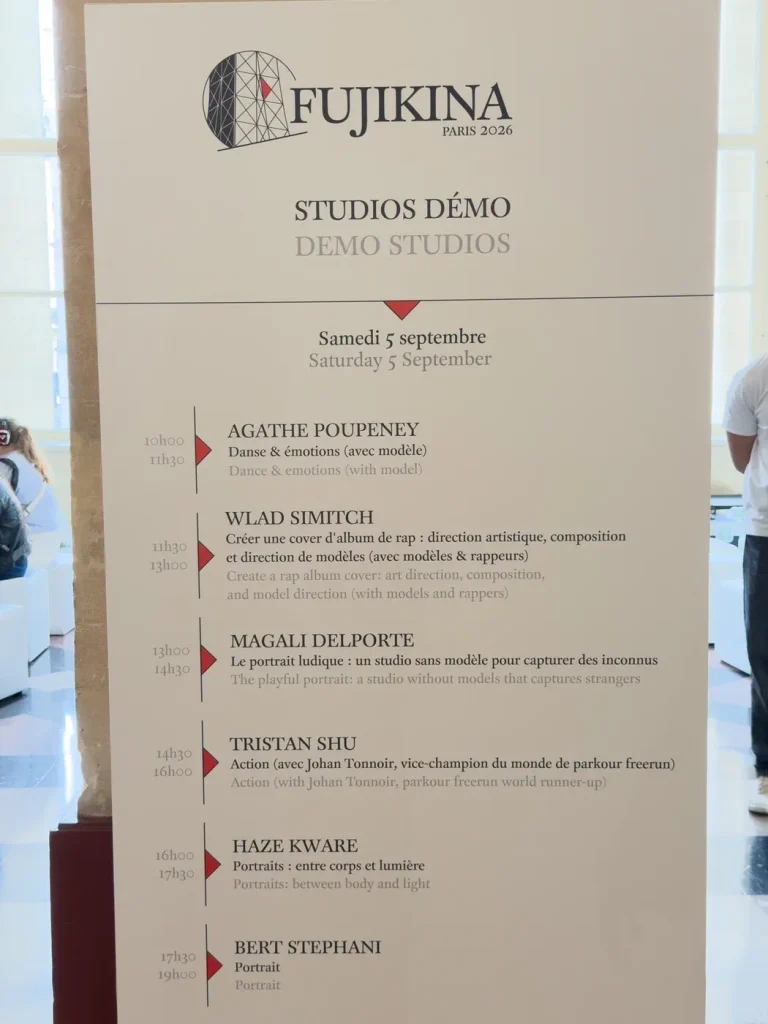
The educational programme included talks and masterclasses with photographers such as Alec Soth, Mário Cruz, Tom Hegen, Jonas Rask, Éric Bouvet and Tristan Shu. The main auditorium seated 580 people, while other areas hosted demonstrations and smaller presentations.
During the sessions we attended, headphones kept the speakers clear even with activity nearby. It was an effective answer to a presentation space next to the wider exhibition, although a more isolated room would have allowed for still greater concentration.
Hands-on trials and a genuine ecosystem
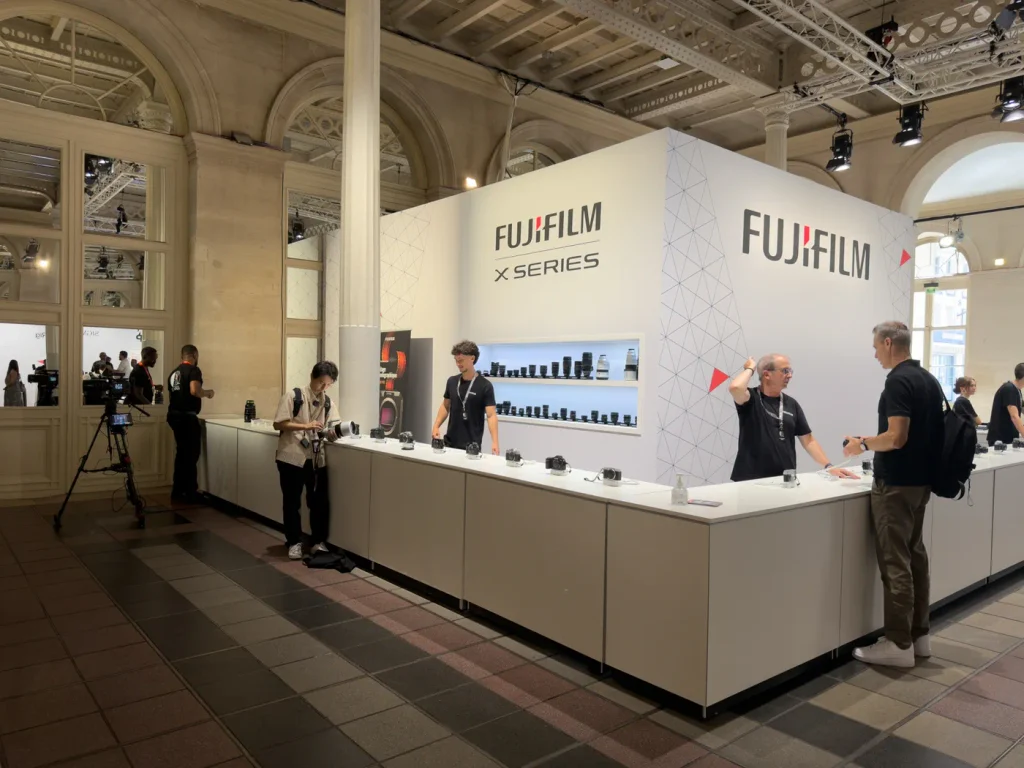
In the Touch & Try area, visitors could handle X Series and GFX bodies and lenses, ask for guidance and experience how the options worked in practice. Handling, the balance of a body-and-lens combination and the immediate response of physical controls cannot be communicated by a specification table alone.
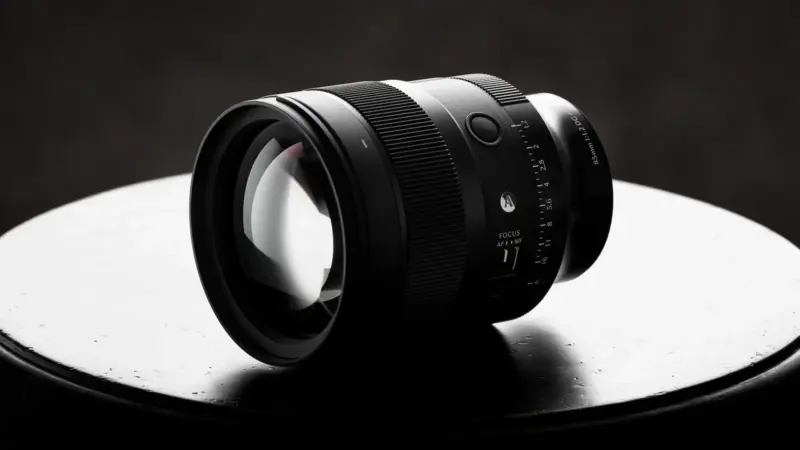
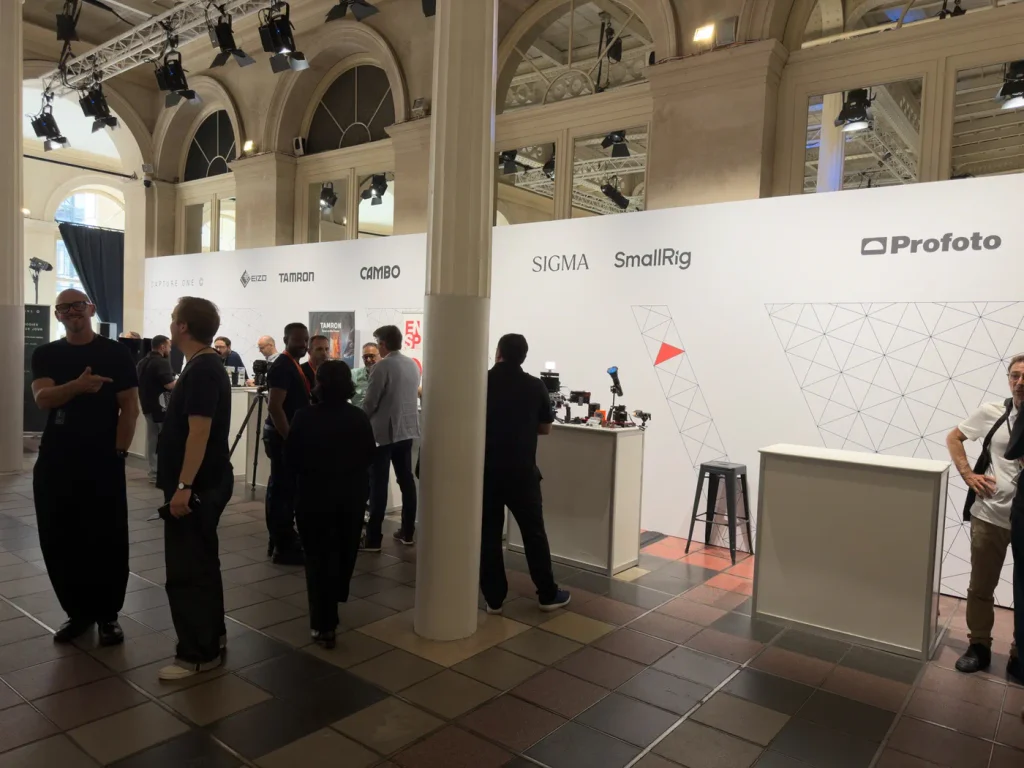
Partners including Sigma and SmallRig added useful context. Third-party lenses, cages, grips and accessories for stills and video showed how Fujifilm cameras fit into a broader toolkit for today’s creators. Equipment loans, sensor cleaning, an instax area and photo walks in Paris were also available.
The new XF400mmF4.5 up close
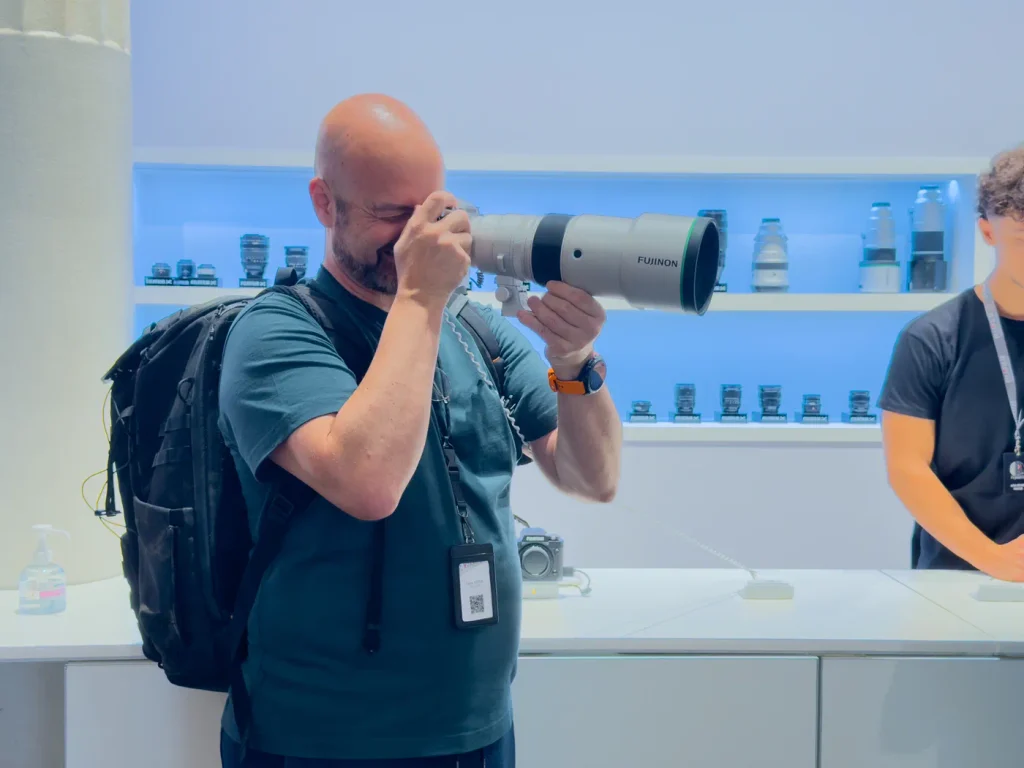
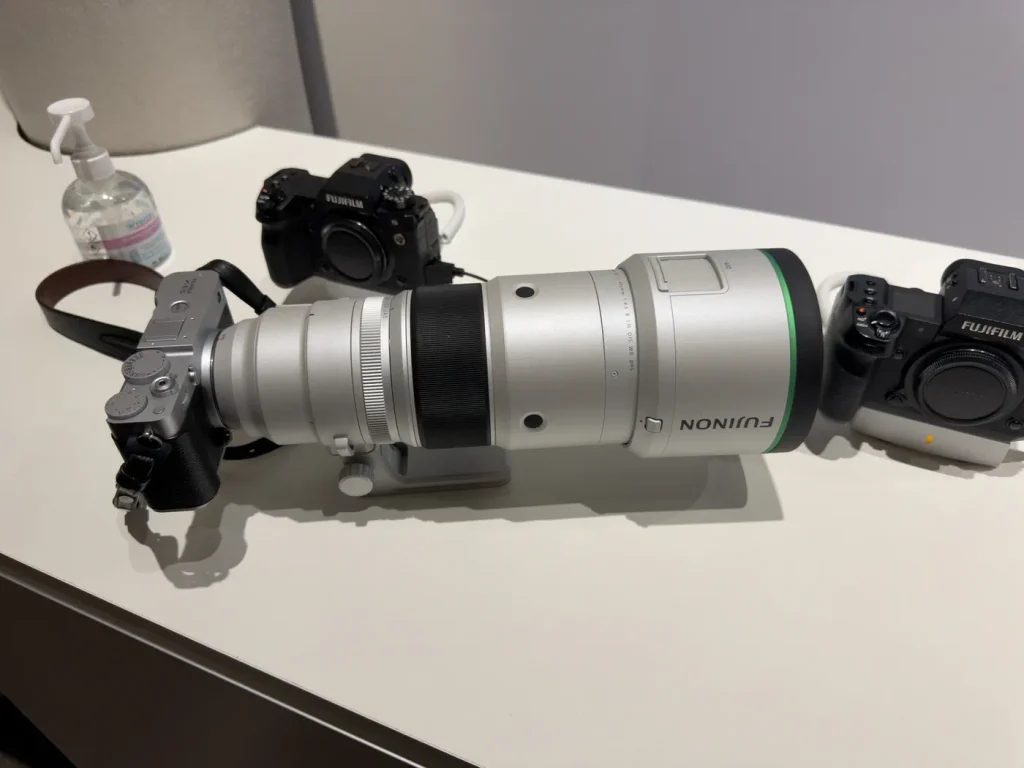
One of the most important moments of our visit was our first hands-on encounter with the new Fujinon XF400mmF4.5 R LM OIS WR. We handled it and the first thing that stood out was how light and compact it is for a super-telephoto lens in this class. At 1,245g without caps or hood and 239.5mm long, it is far easier to work with in the field than its focal length might suggest.
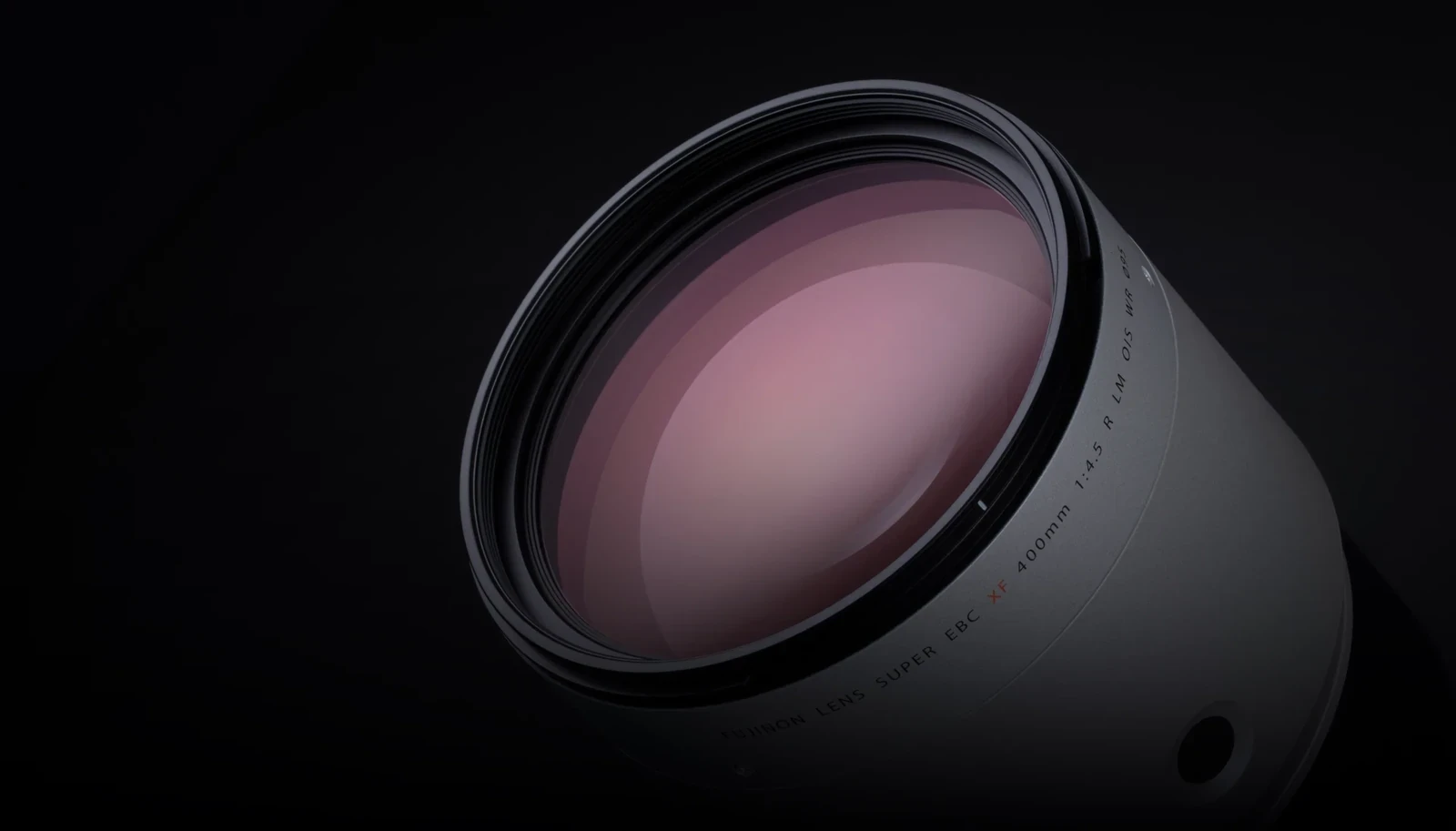
On the X system, 400mm delivers the angle of view of a 609mm lens on full frame. Its constant F4.5 aperture, 5.5-stop optical image stabilisation and linear autofocus motor target wildlife, sport and any subject that demands long reach. The optical design uses 21 elements in 14 groups, including four ED and two Super ED elements, while 20 weather-sealing points support operation down to −10°C. It is also compatible with the XF1.4X TC WR and XF2X TC WR teleconverters.
Our hands-on impression confirmed that the XF400mmF4.5 completes the X system exceptionally well. It sits between the fast XF200mmF2 and the longer XF500mmF5.6, delivering substantial reach without the bulk normally associated with a 400mm prime.
The official Fujinon XF400mmF4.5 R LM OIS WR promotional video. Video: FUJIFILM X Series / YouTube
Thanks to Fujifilm
PTTL thanks Fujifilm for the invitation and the opportunity to attend this important event. Being at the Palais Brongniart allowed us to experience the exhibitions, follow the programme and handle the new equipment in the setting FUJIKINA was designed to create: an open gathering centred on photography.
What we think
FUJIKINA Paris showed that a manufacturer-led event can carry cultural weight when curation and education receive the same attention as the products. The balance between four exhibitions, conversations and hands-on equipment gave both working photographers and people who simply love the medium a meaningful reason to attend.
Frequently asked questions
When and where did FUJIKINA Paris 2026 take place?
It was held from September 4 to 6, 2026 at the Palais Brongniart, 16 Place de la Bourse, in central Paris.
Which exhibitions were presented?
The four exhibitions were “Magnum: A World In Color”, “Magnum Youth”, “Histoire de Portrait(s) des Collections MPP” and “15 ans de Série X Fujifilm, pour 200 ans de photographie”.
What did the programme include beyond the exhibitions?
It included talks, masterclasses, Demo Studios, photo walks, hands-on trials, equipment loans, sensor cleaning and an instax area.
How was audio handled during the presentations?
In the sessions we attended, headphones made the speaker easy to hear despite activity in the neighbouring exhibition space.
Which new lens did PTTL handle?
PTTL saw and handled the Fujinon XF400mmF4.5 R LM OIS WR, a 400mm super-telephoto for the X system weighing 1,245g and offering the angle of view of a 609mm lens on full frame.