Summary
- Grok Imagine’s seven-minute AI Odyssey faces sharp criticism over its storytelling and dialogue.
- Film critic Peter Bradshaw awarded it one star and challenged its lack of dramatic momentum.
- Wonder Studios says a three-person creative team produced the episode in under two weeks.
- The project highlights the difference between rapidly generating imagery and making a convincing film.
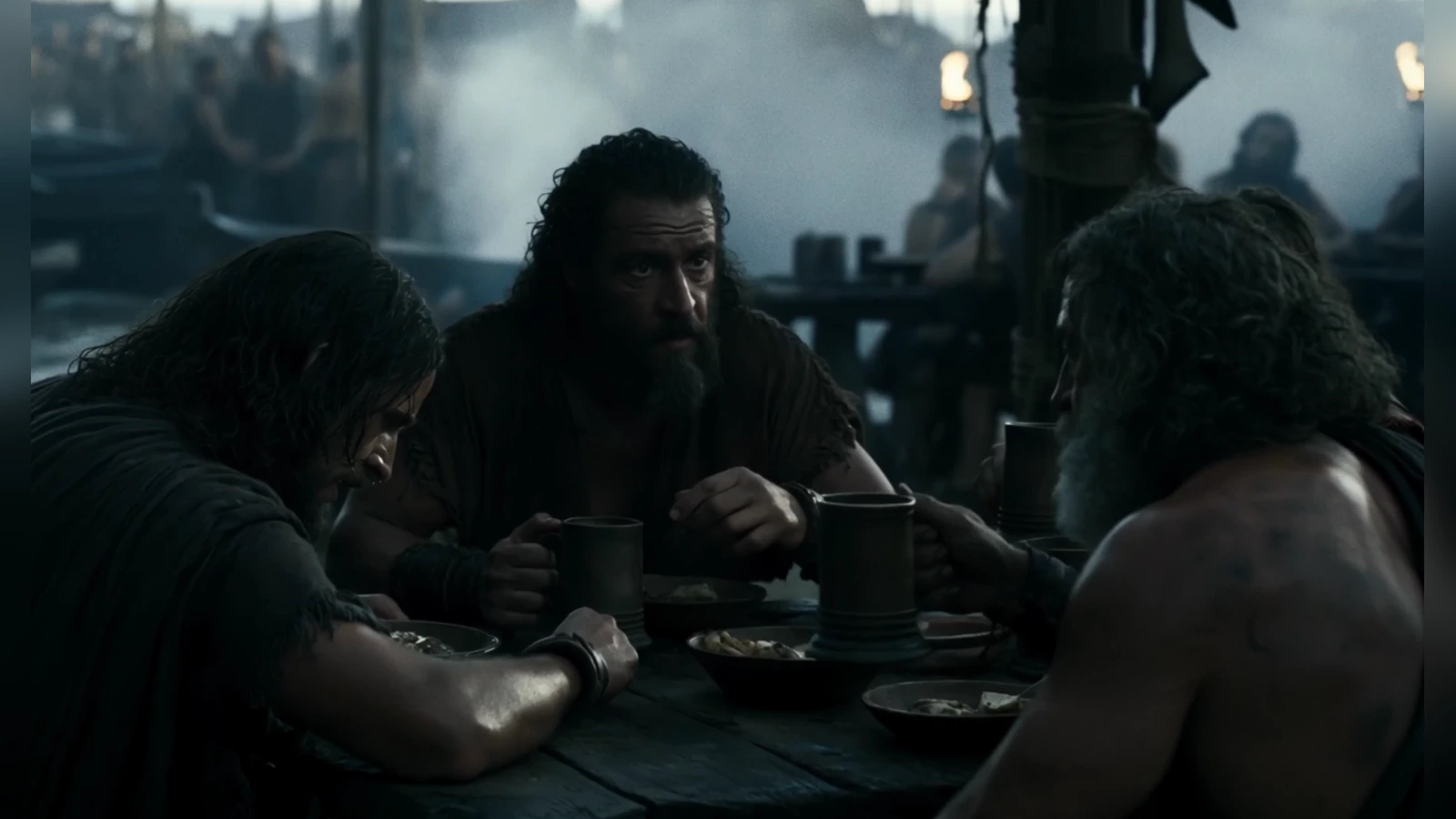
The seven-minute Odyssey made with Grok Imagine has drawn fierce criticism, with striking synthetic imagery failing to make the story itself compelling.
Episode 1 was published on October 23, 2026, as a collaboration between Grok Imagine, Wonder Studios and director Dev Walker. The release of the seven-minute first episode demonstrated what generative video can produce over a longer stretch; the subsequent reviews ask whether the finished piece actually works as cinema.
Watch the complete first episode in Grok Imagine’s official post:
One star and serious problems with storytelling
Film critic Peter Bradshaw gave the episode one star. His review focuses on scenes that fail to build dramatic tension, stiff performances by synthetic characters and visuals that sometimes resemble video-game cutscenes more than a convincing film.
The story begins with Odysseus attempting to avoid joining the Trojan War before having to leave his family behind. It then moves to the Greek campaign and the siege of Troy. Critics’ central objection is not the choice of events but the way they connect: prolonged voice-over explains what could have been conveyed through action, while the dialogue struggles to give the characters distinct personalities.
Three creators and less than two weeks of production
Xavier Collins, co-founder of London-based Wonder Studios, said a three-person creative team worked on the episode, including director Dev Walker. Production took less than two weeks, with costs reported to be in the tens of thousands of dollars.
That is the most concrete production result: a small team delivered seven minutes of cinematic-looking imagery featuring characters, sets and battles without the scale of a traditional shoot. But the budget also reflects human creative labour and decisions; it is not the price of entering a single prompt.
Collins described the goal as understanding the technology’s strengths and weaknesses, rather than creating a political response to Nolan. He also said feedback about the historical details of the boats and the rushed pacing would inform a future episode.
The comparison with Christopher Nolan
The dispute began in July, when Elon Musk promised a “historically accurate” feature-length adaptation of Homer after attacking casting decisions in Christopher Nolan’s film. Releasing a first seven-minute episode has not yet fulfilled that promise.
The two productions operate on radically different scales. Nolan’s movie reportedly had a budget of around $250 million and was filmed on real locations, while the Grok episode relied on AI tools and a far smaller team. This demonstrates a different production model, not an automatic verdict on the artistic worth of either work.
What it reveals about AI video production
For filmmakers, seven minutes is long enough to expose problems that a spectacular ten-second shot can hide. Consistent eyelines and character motion, spatial continuity between shots, editing rhythm and line delivery all have to support the same dramatic moment—not merely look photorealistic.
This project demonstrates how AI video tools can significantly reduce the need for some kinds of shooting and visual effects. They do not eliminate the writing, directing, editing or sound decisions that determine why a shot belongs in the film and when it should end.
What we think
Pause the film on certain frames and you will see images that would have demanded a serious production just a few years ago. That is impressive. But once you hit play and follow an entire scene, you start noticing the pauses between lines, how the characters look at one another and whether there is any reason to cut to the next shot.
Three people making an episode like this so quickly is genuinely useful progress for smaller creative teams. Their human work deserves recognition. Yet a short production schedule does not tell us whether the story is moving or memorable.
As creators, the part worth taking away is how quickly you can test worlds, sets and storytelling ideas. The part that still needs a lot of care is directorial consistency: an image should move the story forward rather than keep asking us to admire it.
Frequently asked questions
How many people worked on the AI episode?
According to Wonder Studios co-founder Xavier Collins, the creative team consisted of three people, including director Dev Walker. That is not necessarily a complete account of every supporting contributor.
Has Musk’s promised feature-length movie been released?
No. As of October 28, 2026, the release consists of a roughly seven-minute first episode, not a completed feature film.