

Summary
- Nick Woodman addressed concerns about the future of GoPro cameras
- Consumer and professional camera development remains a core priority
- The letter promises more cameras, accessories, software and services
- No specific models or release dates were announced
- The Starman merger is still described as proposed
GoPro is trying to reassure users after announcing its proposed merger with Starman, saying cameras remain central to the company’s strategy.
In a letter published on September 3, founder and CEO Nick Woodman acknowledged that the agreement had raised questions about GoPro’s direction. His answer is that consumer and professional camera development remains a core priority.
That matters to people who have invested not only in a camera body but also in batteries, mounts, accessories, apps and workflows. At the same time, this is a strategic commitment rather than a product announcement.
What GoPro is promising to continue
Woodman refers to more innovative cameras, smarter accessories, more powerful software and services. He also points to a technology base built over 24 years and more than 2,500 patents. The message is that cameras are not being treated as a legacy business to be replaced by something unrelated.
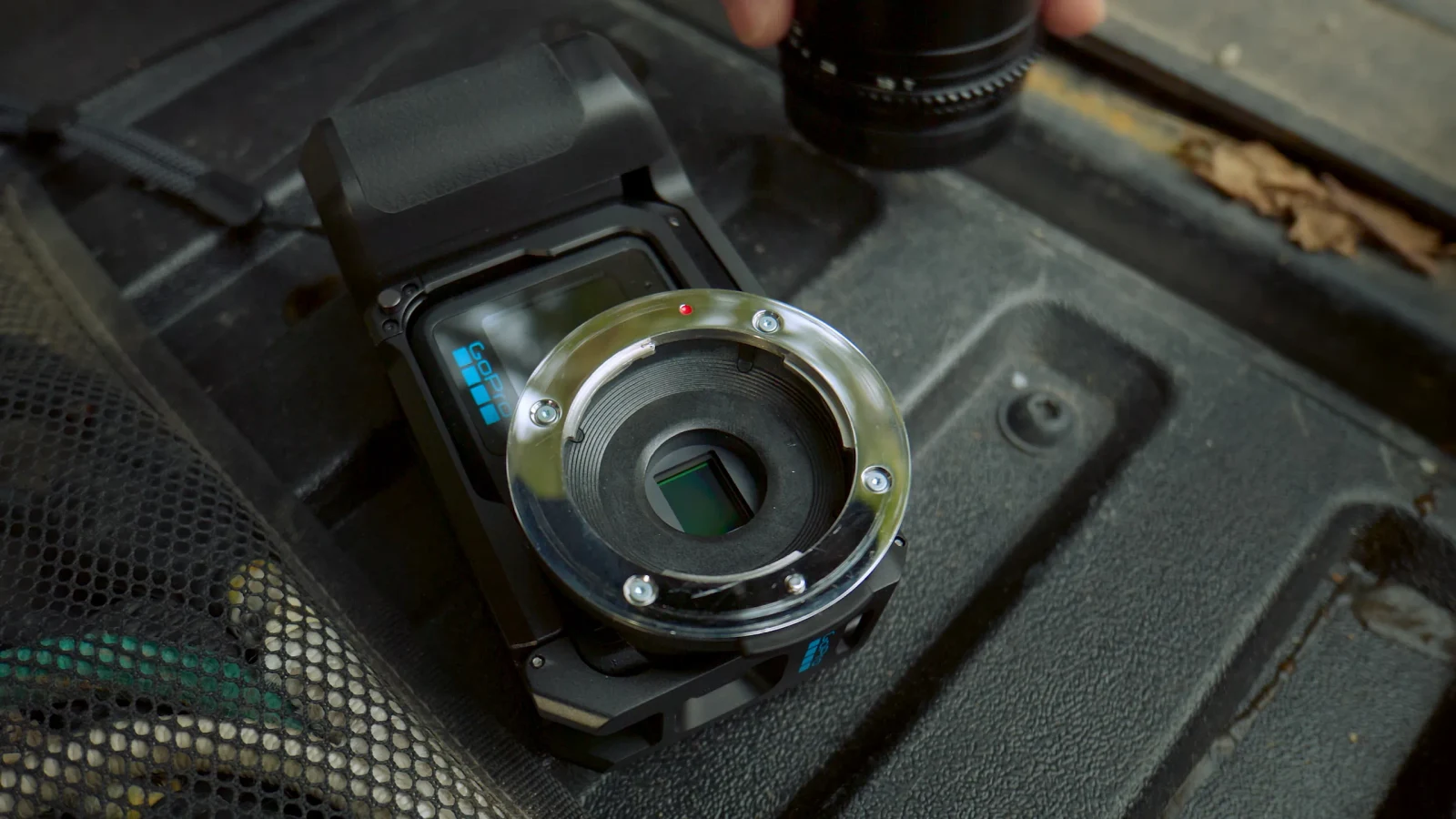
The letter covers both consumers and professionals. This is relevant because GoPro has begun moving beyond the familiar consumer action camera with systems aimed at productions, developers and specialist uses.
What the company did not announce
There are no model names, complete specifications, prices or launch dates. “More cameras” should not be read as confirmation of a particular HERO, MAX or professional product. The same caution applies to software and services: the direction is described, but no roadmap is public.
That is the gap between a public commitment and information an immediate buyer can use. GoPro answers “will cameras continue?” but not yet “which camera is next and when?”
The merger has not closed
GoPro continues to describe the Starman merger as proposed. Completion depends on shareholder approval, regulatory steps and other customary conditions. It is therefore inaccurate to treat the transaction as finished or attribute unannounced decisions to the future corporate structure.
PTTL previously explained the original GoPro–Starman agreement and its wider context. Woodman’s new letter is the clearest response yet to the concerns that followed.
What it means for current users
In the short term, the letter does not change the capabilities or support status of a particular camera. It does establish a public commitment that cameras, accessories and software will keep evolving. That promise will be tested by actual products, updates and services.
What we think
The letter is useful because it addresses a genuine community fear directly, but it is not a substitute for a product roadmap. GoPro has a strong identity and a large ecosystem. Its next task is to convert reassurance into consistent products, long-term support and software that earns users’ confidence.
Frequently asked questions
Is GoPro stopping camera development?
No, according to Nick Woodman. Consumer and professional cameras remain a core development priority.
Did GoPro announce a new model?
No. The letter gives no model name or release date.
Has the Starman merger closed?
No. It is still described as proposed and remains subject to the required approvals and conditions.
What else did GoPro promise?
Woodman referred to smarter accessories, more powerful software and services without specific launch details.