Summary
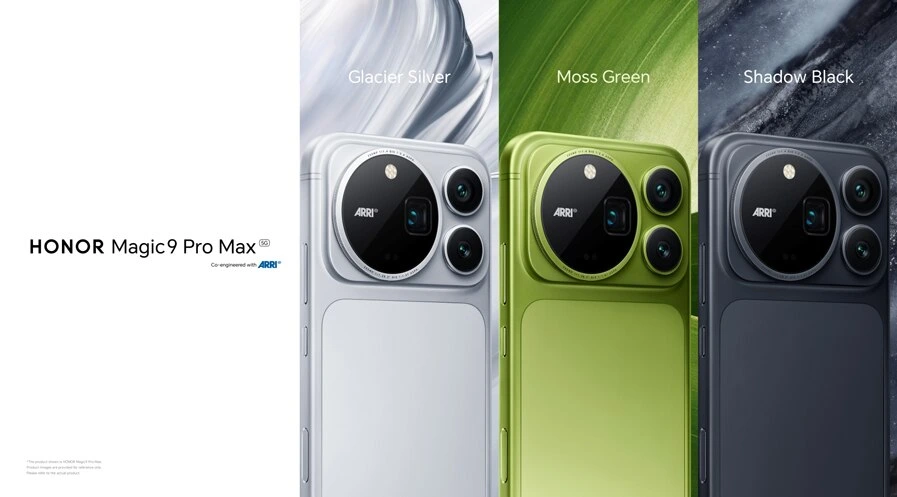
- HONOR begins the international Magic9 Pro Max rollout in Malaysia.
- The phone supports ARRI LogC3 and APV 10-bit 4:2:2.
- It features dual 200MP cameras and optional 200mm and 500mm teleconverters.
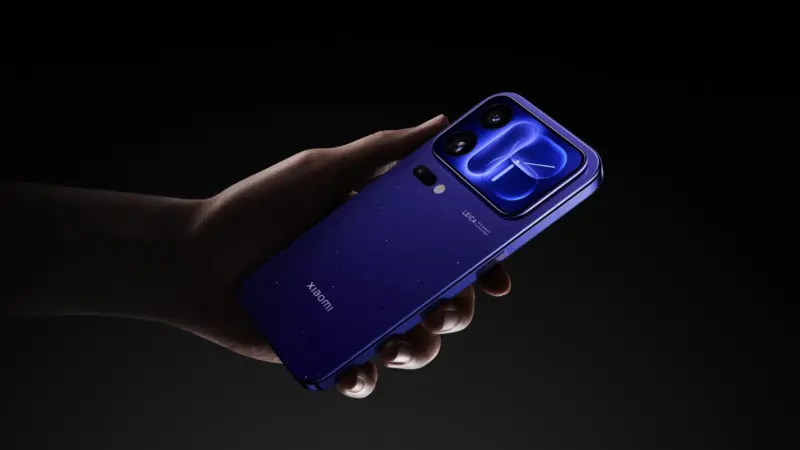
On November 24, 2026, HONOR began the international rollout of the Magic9 Pro Max, first unveiled in China in September, starting in Malaysia. The new announcement emphasizes APV 10-bit 4:2:2 recording, the ARRI partnership and accessories launching alongside the phone.
The official launch presentation:
ARRI LogC3 and APV: what changes for video
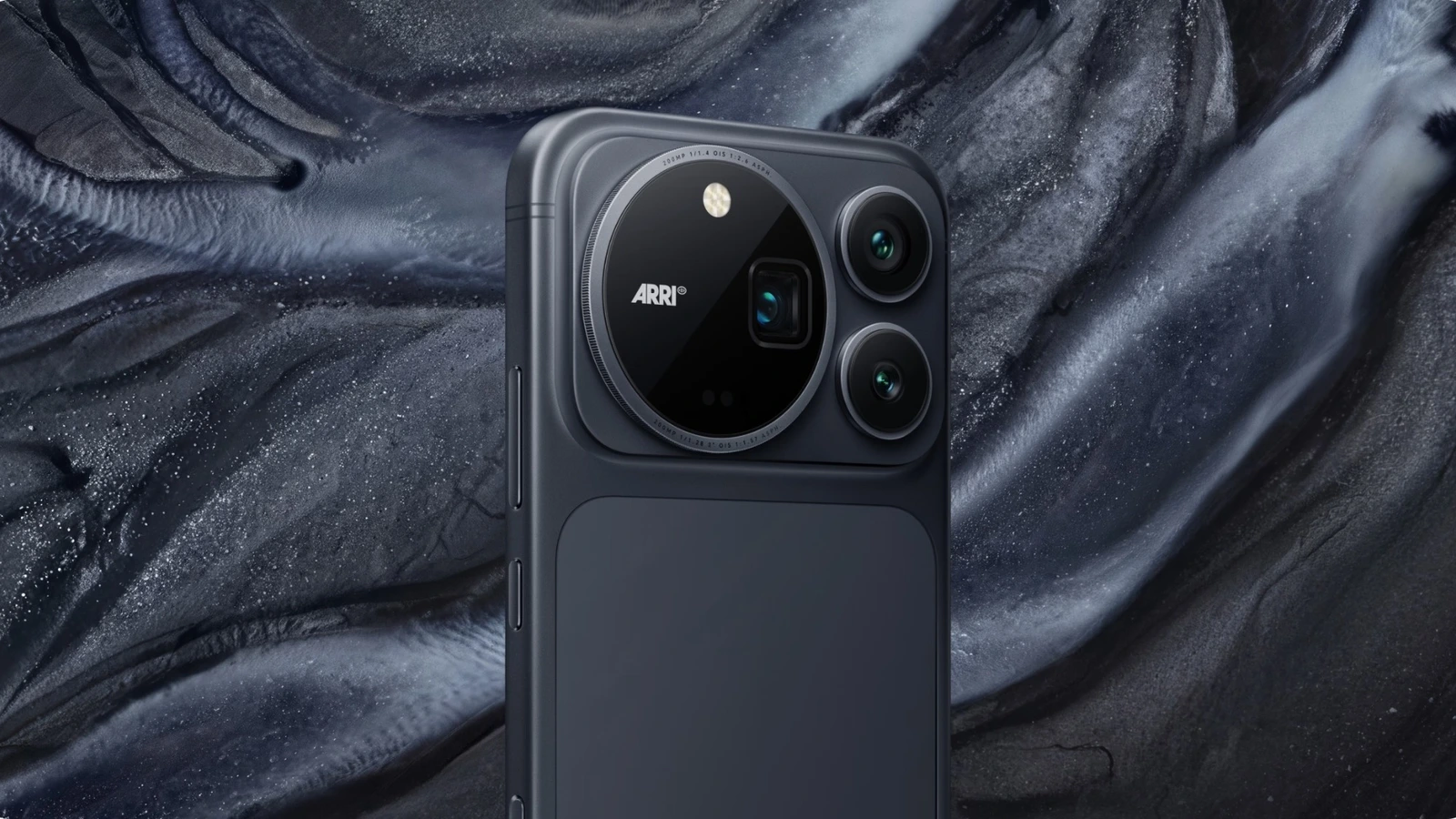
ARRI CINEMA Mode records up to 4K/60p with LogC3 and the ARRI Wide Gamut 3 color space. General video recording reaches 4K/120fps in supported modes. ARRI confirms its contribution to selected elements of the imaging pipeline, from capture to color finishing.
APV records 10-bit color with 4:2:2 chroma subsampling. Compared with 8-bit footage, the additional tonal steps help when grading, while 4:2:2 retains more chroma information than 4:2:0. HONOR reports roughly 20% lower storage consumption than ProRes at a similar quality target under specific test conditions. Editors should check APV compatibility with their software before a shoot.
The app includes 14 built-in ARRI Looks, access to a library of 87 options and support for compatible third-party LogC3 LUTs. Exposure, focus, frame rate, codec and monitoring controls sit in a dedicated interface. This helps creators assess their intended color treatment before editing.
Dual 200MP sensors and a square selfie camera
The main camera combines a 200MP 1/1.28-inch-type sensor, an f/1.57 aperture and optical stabilization. The telephoto uses a 200MP 1/1.4-inch-type sensor, f/2.6 and OIS, with 3.5x optical zoom. The 50MP f/2.0 ultrawide covers 122°. Maximum still resolution requires UHD mode.
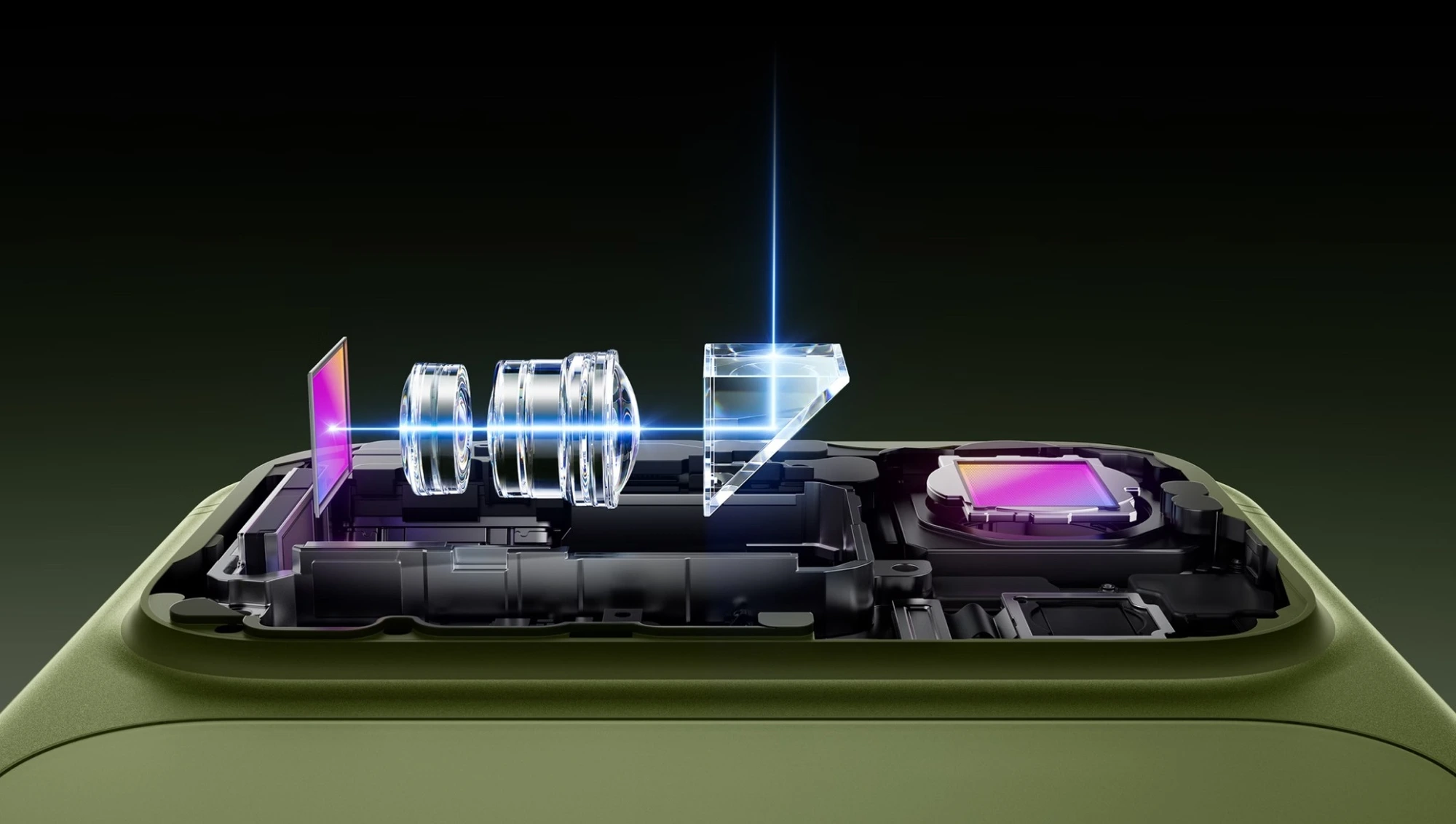
The H1 imaging processor applies noise reduction at the RAW-data stage. HONOR reports an 8dB signal-to-noise improvement and up to 14 stops of dynamic range in its own tests. These are manufacturer laboratory results rather than independent measurements.
The 55MP front camera has a square sensor and supports video up to 3840×3840 pixels. This makes it easier to extract vertical and horizontal compositions from the same shot. According to Amateur Photographer, focus is fixed, limiting flexibility for close-up vlogging.
Teleconverters, sound and longer shoots
The optional G200 and G500 fit over the 85mm telephoto lens, providing equivalent focal lengths of 200mm and 500mm respectively. The smaller attachment weighs approximately 88g and measures 81mm in length. Extra optical reach is useful for wildlife or stage photography, but steady support becomes particularly important at 500mm.
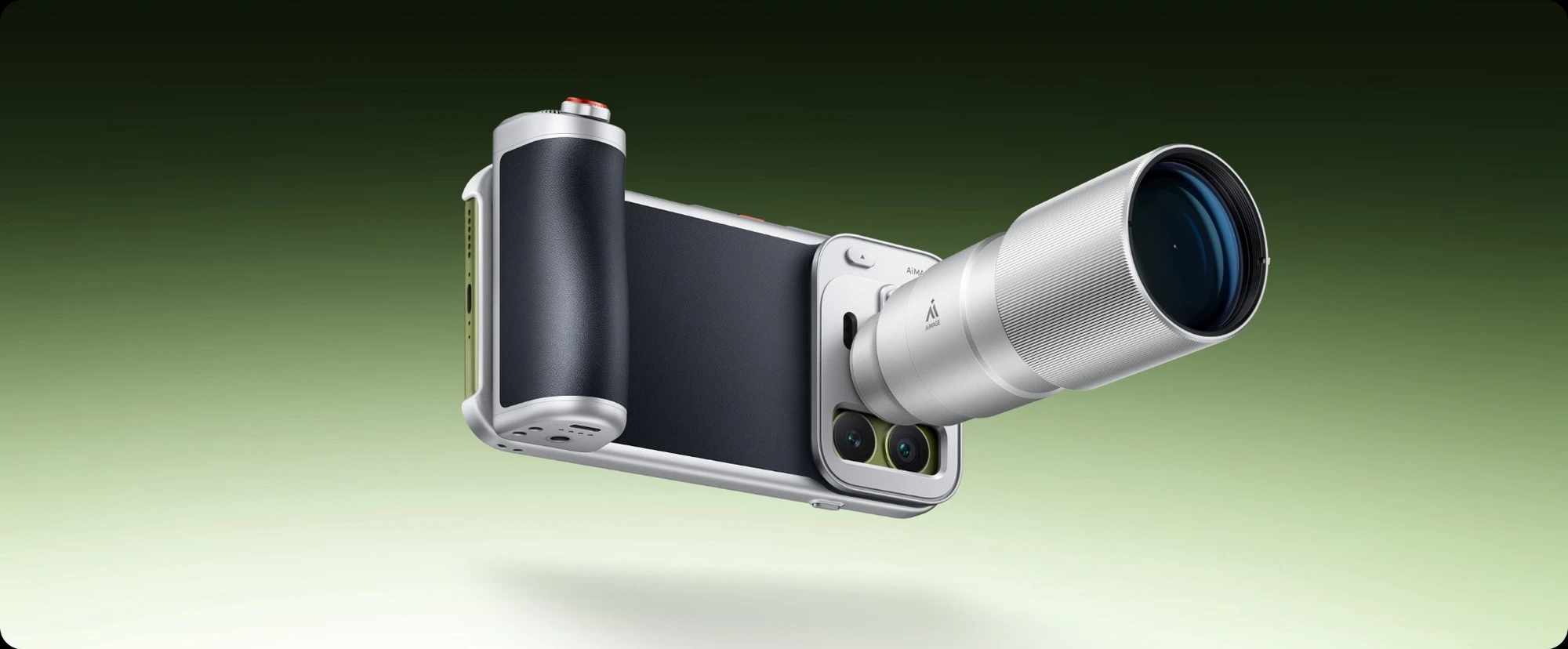
The SmallRig Mobile Video Kit provides accessory mounting points and includes a cooling attachment for extended recording. For sound, one directional and three omnidirectional microphones enable directional pickup. HONOR claims a range of up to 20 meters under laboratory conditions. For interviews in noisy environments, a microphone close to the speaker remains preferable.
Pricing, international availability and regional differences
According to the international announcement, the global model features Snapdragon 8 Elite Extreme Gen 6, a 6.8-inch LTPO OLED display and an 8,000mAh battery. Charging reaches up to 100W wired and 80W wirelessly. Amateur Photographer reports a 7,030mAh battery for the UK version, so specifications must be checked for each local variant.
In Malaysia, the price is RM5,999 for 12GB of physical RAM and 512GB of storage (the advertised 24GB of RAM includes 12GB of Turbo RAM). Pre-orders run from November 24 to December 3, with sales beginning on December 4, 2026. UK availability is reported for January 14, 2027, a date also confirmed for France in official promotional terms. No official European or Greek price was found.
More information here.
What we think
For a filmmaker already working with Log footage, the Magic9 Pro Max’s greatest potential is integrating smartphone shots into a structured grading workflow. A small phone can fit where a full-size cinema camera cannot, or capture supplementary documentary footage. LogC3 and APV are far more useful for this task than another impressive megapixel count.
Before using it on a real production, we would test how easily its different cameras can be color-matched, how highlights behave and how long it can sustain 4K recording without thermal constraints. The ARRI partnership does not erase the physical differences between a small sensor and a cinema camera. It could, however, give us a much more useful secondary tool on set.