

Summary
- Getty Images and CPJ demand the immediate release of Majid Saeedi.
- The photojournalist has been detained since September 9, 2026.
- Authorities have not officially disclosed his charges or whereabouts.
- He has received international awards for his photography in Afghanistan.
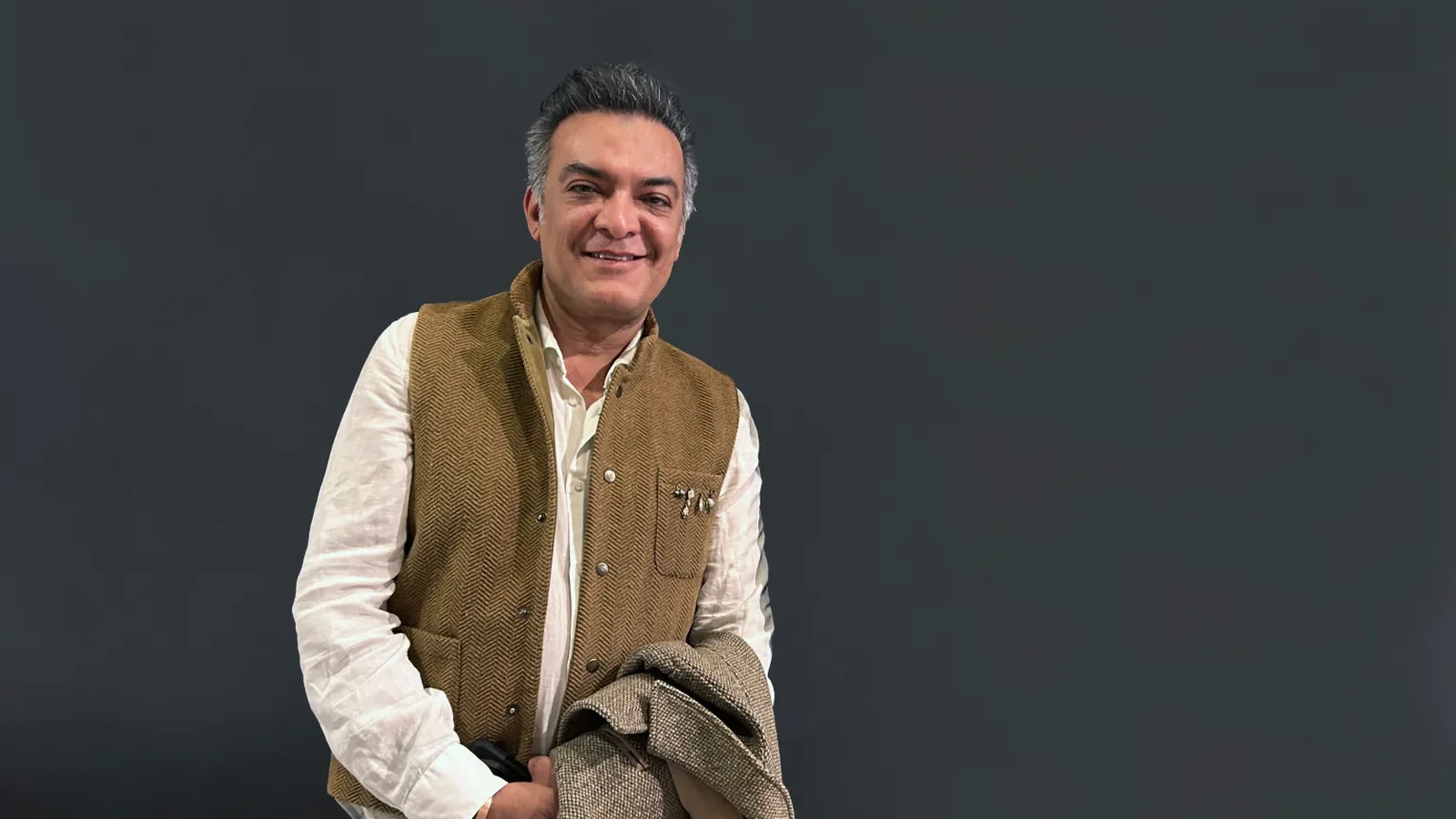
The Committee to Protect Journalists (CPJ) and Getty Images issued a joint appeal on November 24, 2026, demanding the immediate and unconditional release of Iranian photojournalist Majid Saeedi. The freelance photographer, a longstanding contributor to the agency, was arrested at his home in Tehran on September 9.
More than two months later, the two organizations say authorities have not officially disclosed any charges or identified the agency holding him. He is believed to be in Kerman, in southeastern Iran, but this has not been officially confirmed.
The appeal from Getty Images and CPJ
CPJ regional director Sara Qudah emphasizes that the photographer’s family has been left without information about his safety, while Pancho Bernasconi, Getty Images’ vice president of global news, describes his prolonged detention without officially confirmed charges as unacceptable. The agency’s position is clear: journalism is not a crime.
CPJ places the case within a wider crackdown on independent journalism in Iran involving arrests, lengthy prison sentences, surveillance and professional bans. Among the cases it cites is photojournalist Artin Ghazanfari, who was sentenced to 26 years in prison. The two organizations also call for the release of journalists imprisoned for their work.
This is not his first arrest
CPJ has documented Saeedi’s previous arrests. In July 2009 he was arrested at home during the crackdown following Iran’s disputed presidential election. State media subsequently alleged that he had sent photographs to news outlets deemed hostile to the regime.
In August 2021 he was arrested while photographing Afghan refugee camps in West Azerbaijan province. According to CPJ, he was working for Shargh Daily and had received permission to cover the camps. Iranian media attributed the arrest to photography in restricted border areas.
On June 17, 2025, during the 12-day war between Israel and Iran, police arrested him while he was documenting the aftermath of an Israeli airstrike on the state broadcaster’s headquarters in Tehran. He was taken to Evin Prison. As he told CPJ, a judge ordered his release the following day after establishing that he had a valid press card and permission to work.
His photographic career
Saeedi grew up in Tehran and took up photography at 16. Two years later he travelled to the Iran-Iraq border to document the lives of refugees. Humanitarian reporting and everyday life in the Middle East subsequently became central themes in his work.
His long-term project Life in War explores how decades of conflict have shaped the lives of Afghan people. It received second prize in the Contemporary Issues category of World Press Photo in 2013 and the FotoEvidence Book Award in 2014, and was published as a photo book. His other distinctions include second prize in the 2010 UNICEF Photo of the Year, a Lucie Award and the Robert F. Kennedy Journalism Award.
According to his World Press Photo biography, his photographs have appeared in publications including The New York Times, The Washington Post, Time and Life. He has also led photography departments at Iranian media organizations and mentors younger photographers.
What we think
Holding a photojournalist for months without officially disclosing even his whereabouts is unacceptable. Saeedi’s case, like the recent attack on AFP photographer Jaafar Ashtiyeh in the West Bank, demonstrates how vulnerable those documenting matters of public interest remain. Their ability to work cannot depend on whether those in power approve of their images.
Photographers who live in the places they cover cannot always leave when an assignment ends. International agencies have a duty to support their local contributors even when they stop delivering images because they are in danger or in detention. That is precisely why Getty Images’ public intervention matters. We support the call for Majid Saeedi’s immediate release and the protection of press freedom.