Summary
- Three photojournalists sued Saint Paul police in Minnesota.
- They allege officers hit them with chemical irritants and pepper-ball rounds while they were working.
- One photographer was transported to hospital.
- Police declined to comment on the pending case.
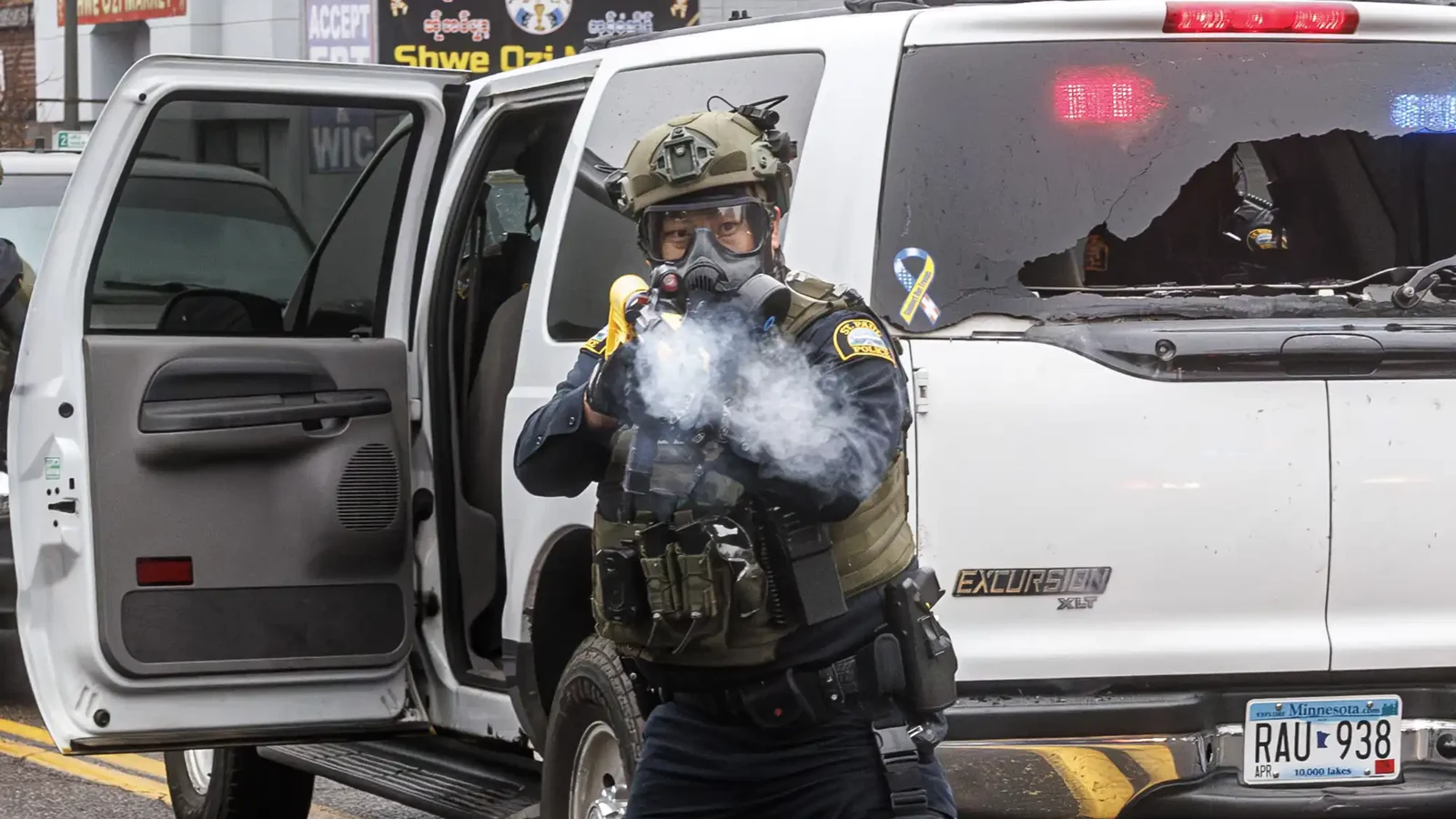
Three U.S. photojournalists have filed a lawsuit against St. Paul police, alleging that officers hit them with chemical irritants and projectiles while they were covering an ICE operation in Minnesota.
Kerem Yücel of MPR News, Aaron Nesheim of Sahan Journal and freelance photographer Timothy Evans were in the Payne-Phalen neighborhood on November 25, 2025, as federal agents attempted to arrest a man. Protesters gathered around the operation, and city police officers also responded.
Their lawsuit was filed in federal court in Minnesota on November 17, 2026, almost a year after the incident. The three photographers say they were readily identifiable as journalists and posed no threat to the officers.
MPR News published video documenting what happened to the photojournalists on the day of the operation.
What the three photojournalists allege
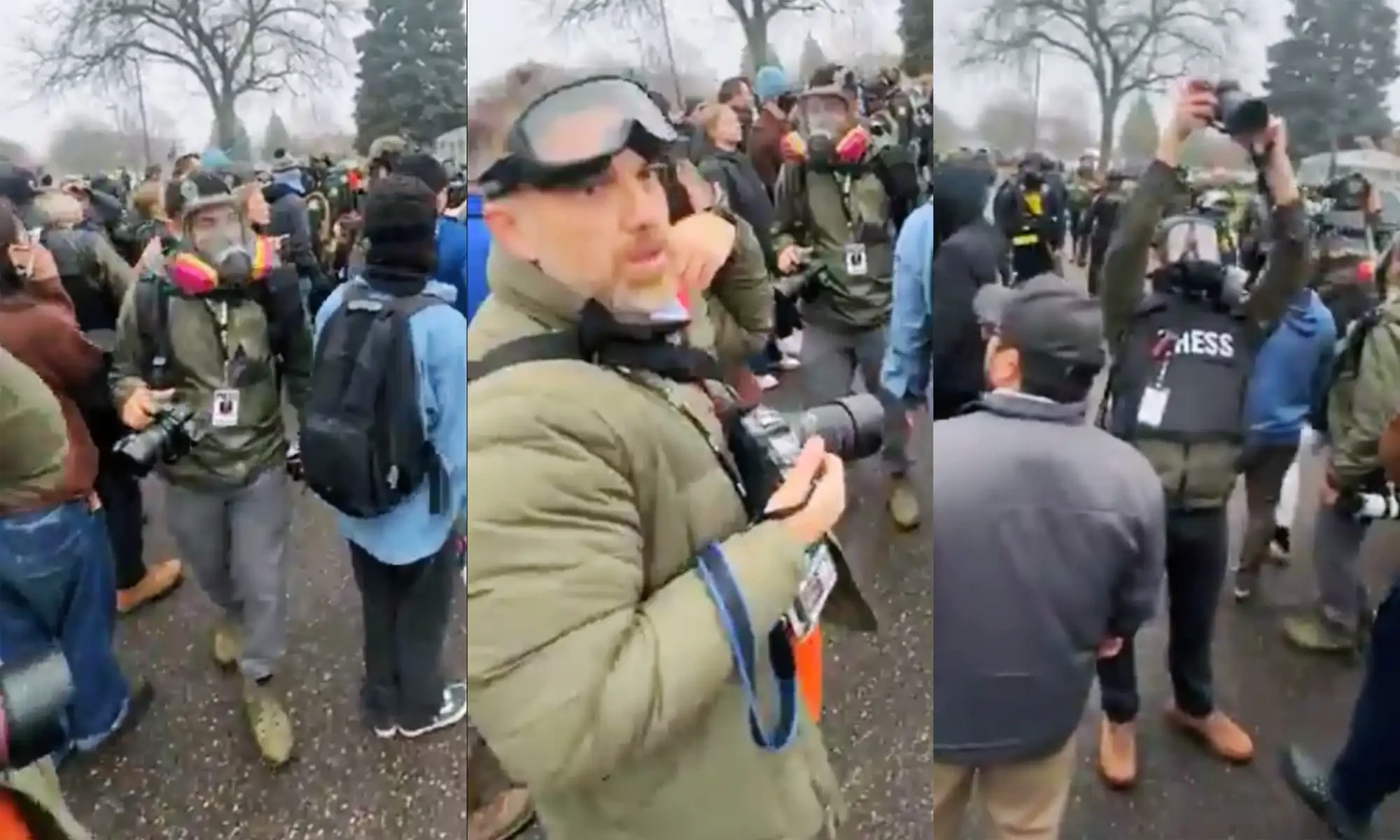
According to the complaint, the photographers were together at the edge of the crowd, at least 10 feet from the nearest protesters. They had press credentials and professional cameras, while Evans wore a ballistic vest clearly marked PRESS.
After ICE agents left the scene with detainees, St. Paul officers began withdrawing. The photographers allege that officers then used pepper spray, tear gas and pepper-ball rounds without first ordering the journalists to move away.
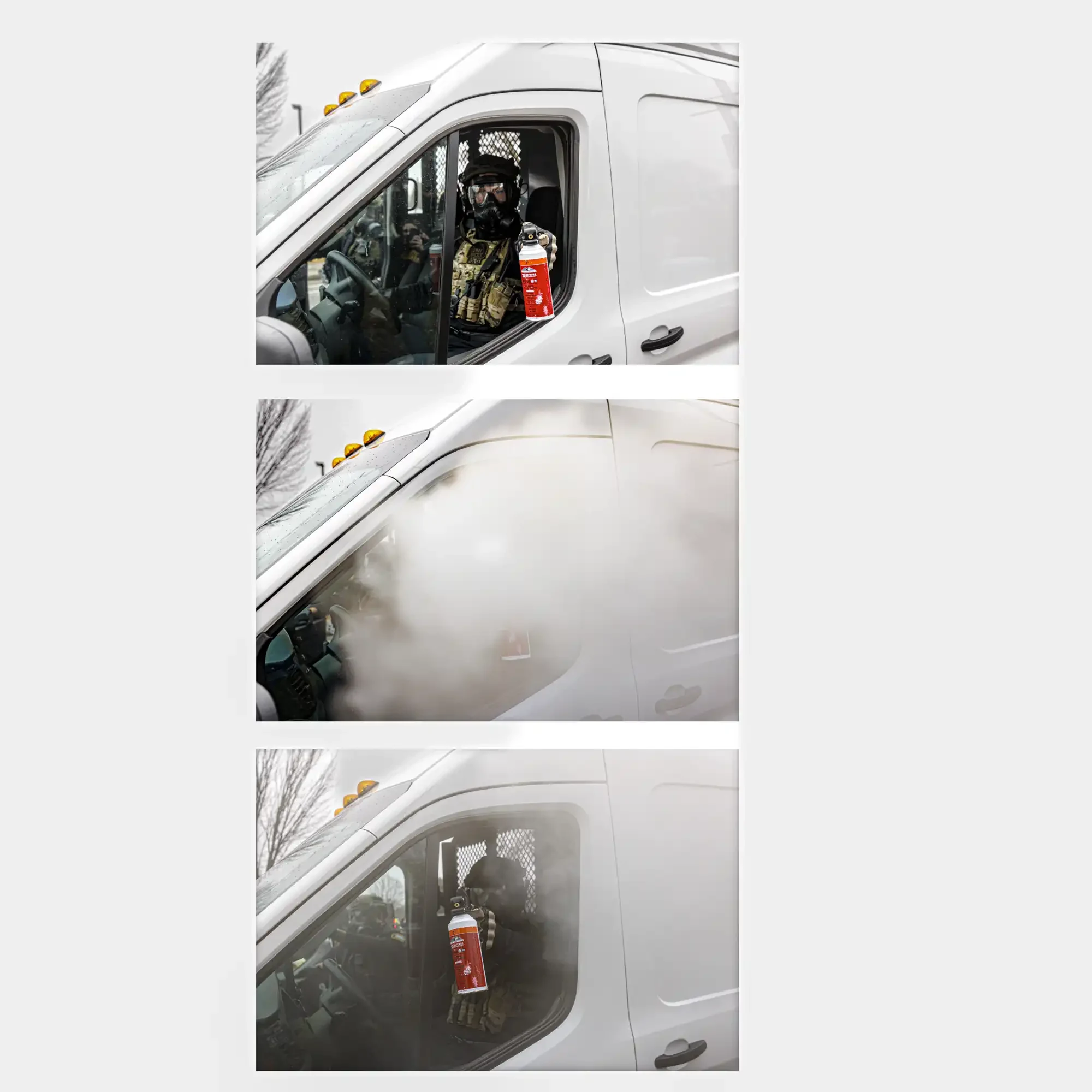
Yücel says an officer sprayed his face at close range and another fired pepper balls into his chest, shoulders and throat. Evans reports severe abdominal bruising after a round burst inside his protective vest. Nesheim was struck in the head by a police projectile.
Yücel’s injuries and the aftermath
Yücel struggled to breathe after exposure to the chemicals and was transported by ambulance. According to allegations described in the complaint, paramedics had to seal his jacket in a garbage bag because of chemical contamination, and staff at Regions Hospital initially kept him out of the main hospital areas to protect patients and employees.
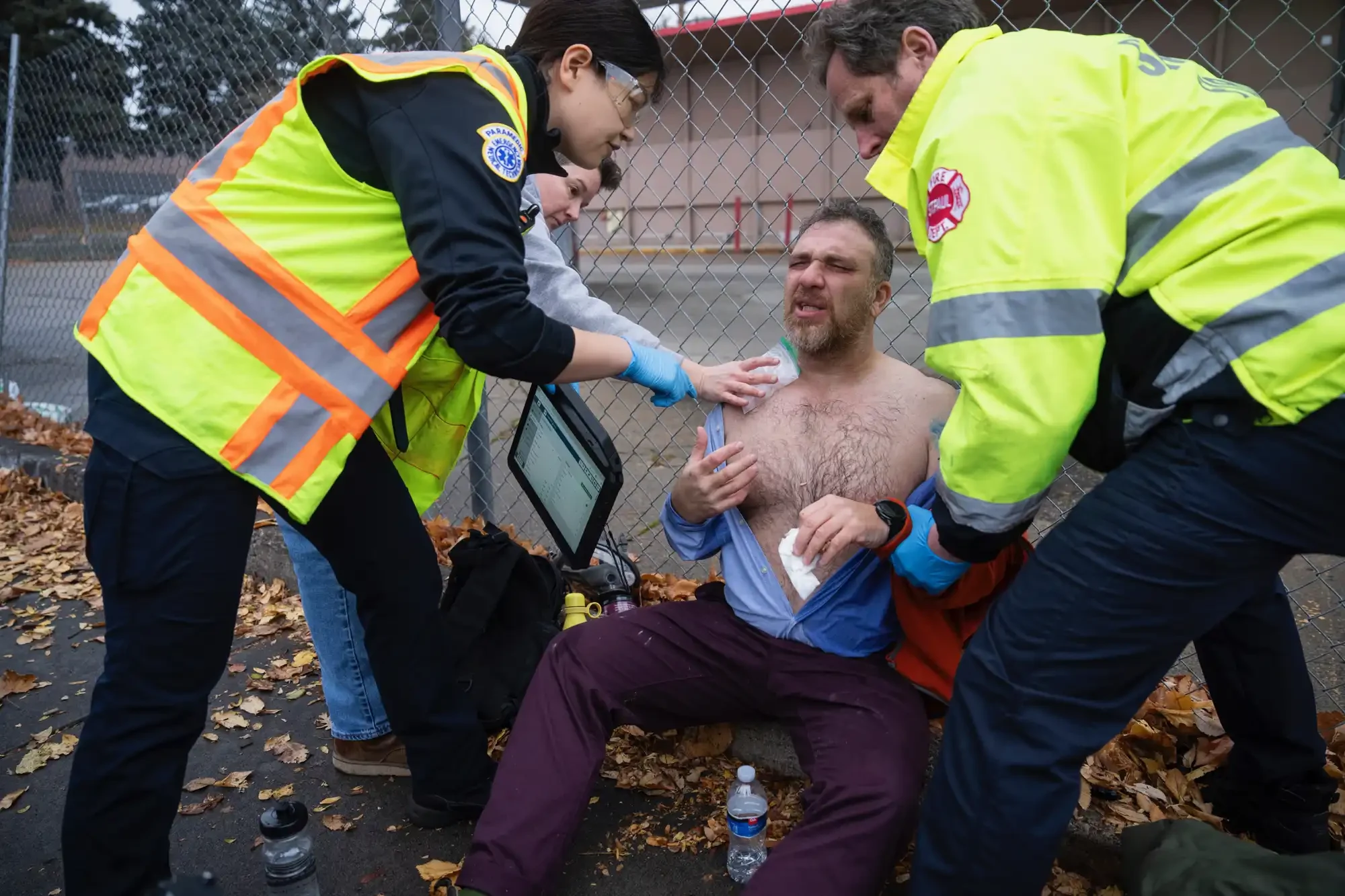
All three men describe physical and psychological consequences and say they required mental health treatment after the incident. Photographs made that day, along with video footage, are among the materials supporting their allegations.
The lawsuit and the police response
The lawsuit names St. Paul Police Chief Axel Henry and 12 unidentified officers. The plaintiffs allege violations of the First, Fourth and Fourteenth Amendments to the U.S. Constitution and bring civil claims including assault and battery. They seek damages, legal fees and an injunction intended to prevent further unconstitutional conduct against them.
St. Paul police said they do not comment on pending litigation. The local civilian police review commission is also still investigating the incident. No court ruling on the allegations has been issued.
On November 26, 2025, the Minnesota Society of Professional Journalists condemned the injuries to the three journalists, noting that they had visible press identification. Their case reflects wider concern over the safety of people documenting police operations: in Paris, photographer Ahmed Benmezroua was gravely injured by an alleged police grenade strike while covering a demonstration.
What we think
When you are wearing a PRESS badge, carrying a camera and standing away from protesters, you should not have to wonder whether an officer is about to point pepper spray or a weapon at you. That is the core of what these three photojournalists are alleging.
The images matter because they document an incident now before the courts. When police use of force is being challenged, photojournalism allows the public to examine what happened rather than relying solely on official statements. Photographers should not end up leaving an assignment with injuries and breathing problems because they were documenting events.
The court proceedings need to establish what each officer did and whether any actions were intended to obstruct news coverage. Police leadership also needs to answer questions about orders, training and supervision. A clearly identifiable journalist should not become an afterthought when force is deployed.