Summary
- Johann Lurf filmed Ottenstein Reservoir over 22 months using a custom 65mm camera.
- Some frames were exposed for up to 24 hours.
- The final sequence compresses 423 days into roughly 17 seconds.
- The film screened at the opening of the 64th Viennale on October 22, 2026.
Can 423 days fit into 17 seconds? Johann Lurf has done exactly that with a specially built 65mm camera in his experimental film Forever…Forever, screened on October 22 as part of the opening of the 64th Viennale.
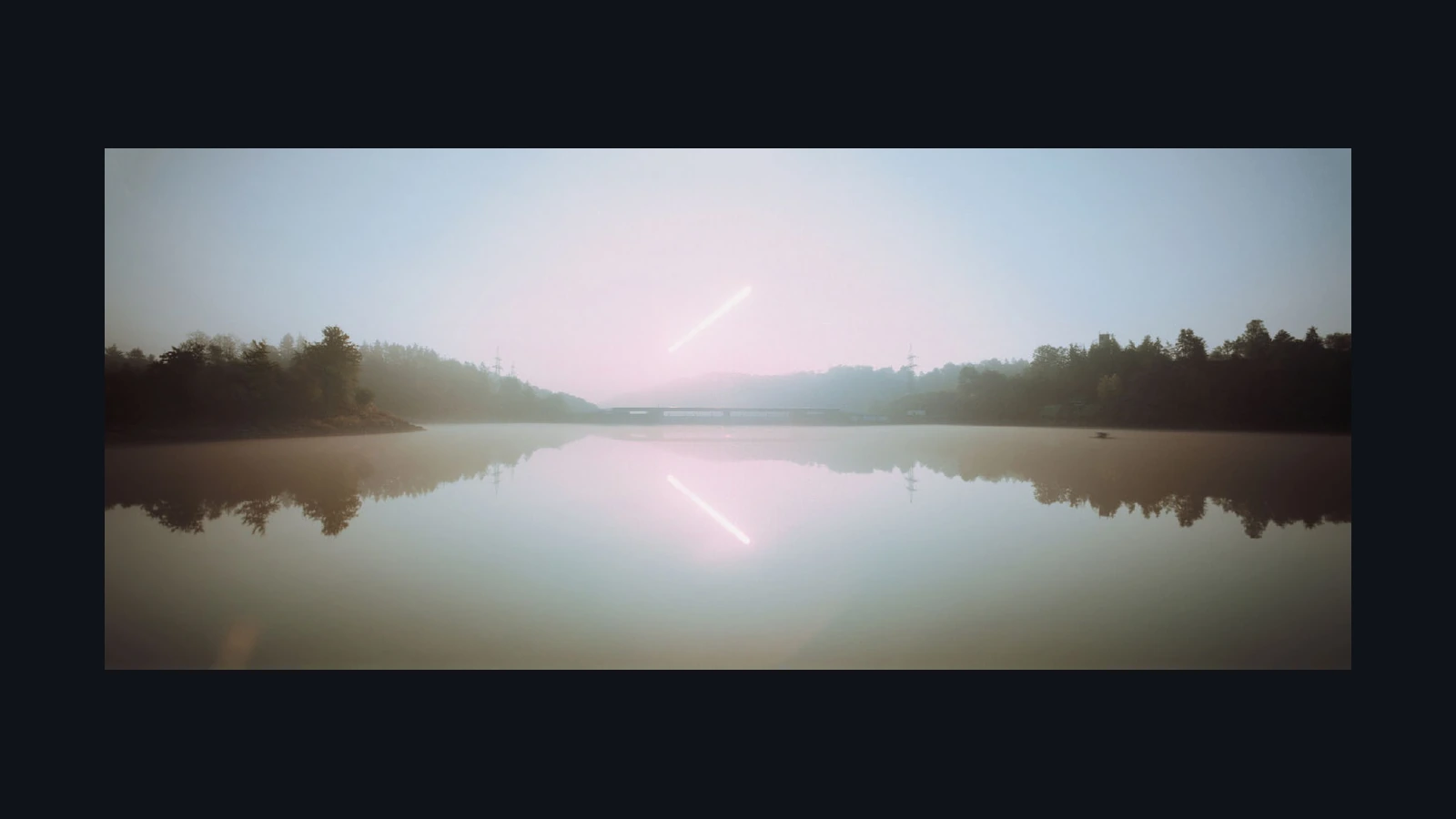
The 21-minute Austrian-French production observes the same scene for 22 months: Austria’s Ottenstein Reservoir, where a bridge, the surrounding forest and the sky keep changing within a fixed frame.
A 65mm camera built to record time differently
Lurf used a custom-built camera and specially adapted 65mm film stock. Instead of recording continuous motion with conventional shutter times, individual frames gathered light over increasingly long periods, with some exposures lasting up to 24 hours.
The sun and moon leave luminous trails while the water reflects the sky. This unusual combination of time-lapse and long-exposure photography captures not only changing weather but also the rotation of the Earth.
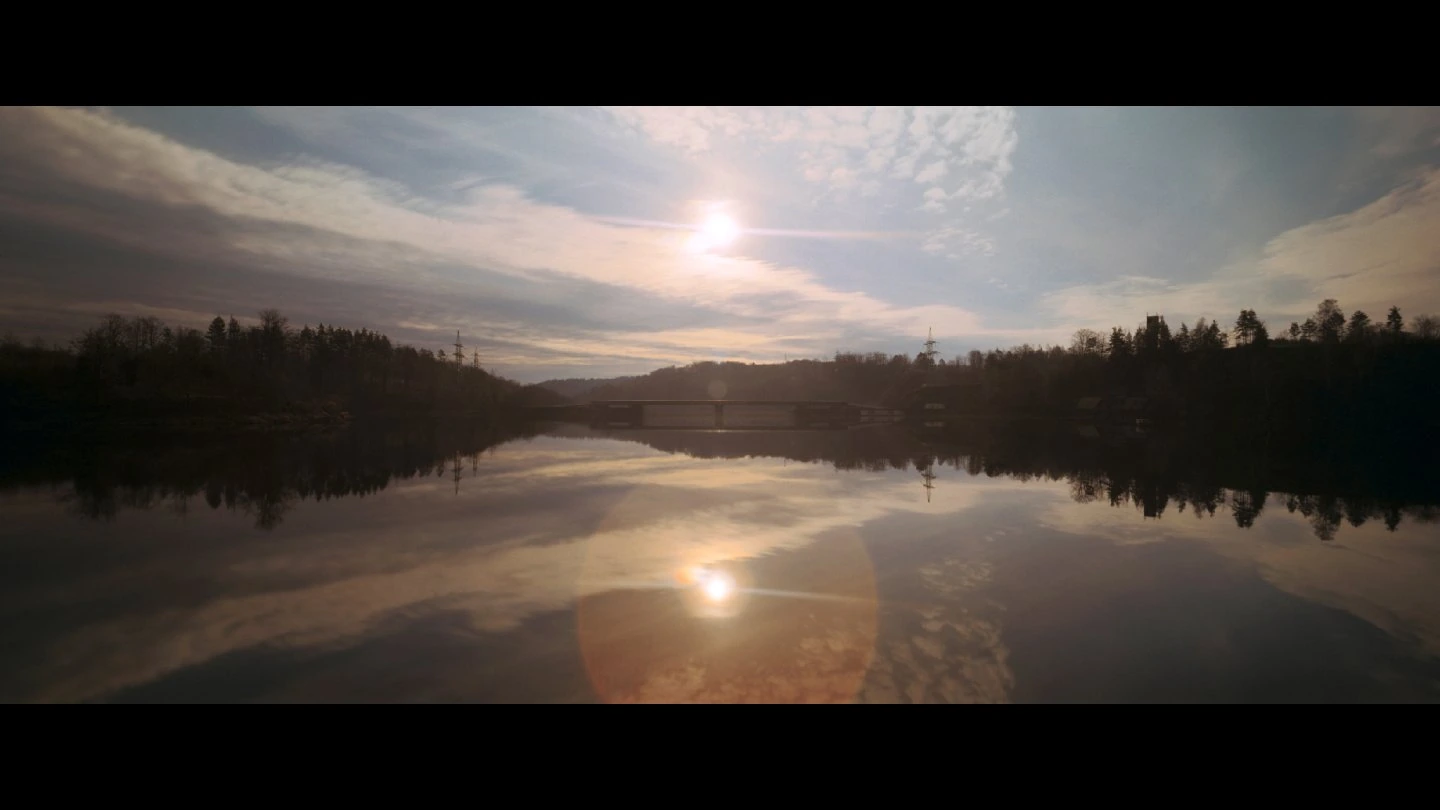
423 days compressed into 17 seconds
The passage of cinematic time becomes progressively faster. In the final sequence, 423 days are represented by 423 frames; at 24 frames per second, the sequence plays for approximately 17.6 seconds. The Viennale describes the compression as 17 seconds.
The film screened at Vienna’s Gartenbaukino during the Viennale opening programme on October 22, 2026. This was not its world premiere: the film had already appeared at the Berlinale earlier in the year.
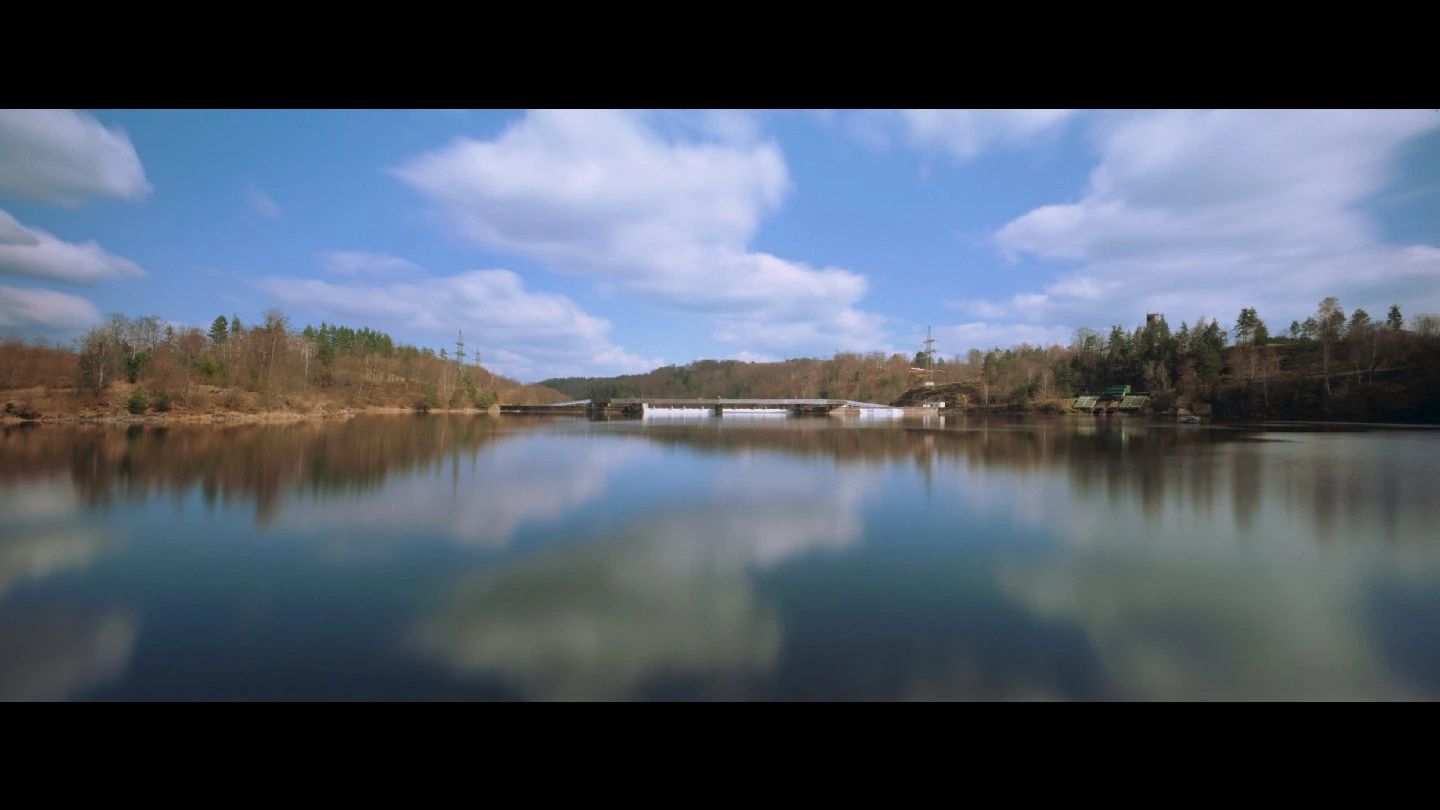
From 65mm negative to 70mm projection
The project was shot on 65mm stock, while distributor sixpackfilm lists a 70mm exhibition print with a 2.20:1 aspect ratio, 24 fps and DTS 5.1 sound. A 35mm CinemaScope print and a 4K DCP are also available. Jung An Tagen’s sound composition follows the cycles of day and night and the motion of celestial bodies.
There are other, very different ways of putting physical film at the heart of a cinematic experience. In Telemach Wiesinger’s live 16mm film performance, the projection machinery itself becomes part of the event.
What we think
What makes Lurf’s approach so compelling is that he did not build an extraordinary camera to record an extraordinary event. He pointed it at an ordinary landscape and changed the scale of time until something normally invisible to us became apparent.
For photographers and filmmakers, a 24-hour exposure on a single frame is much more than an extreme shutter setting. It forces you to rethink the relationship between a frame, continuity, movement and light. The analogue medium is an integral part of the idea rather than a nostalgic look applied afterwards.
A genuine 70mm screening adds something that is difficult to appreciate on a phone. Both the scale of the image and the months invested in making it reward a cinema experience where we pay attention to the smallest shifts in light.