Summary
- NASA’s Swift made its final science observation on October 20, 2026.
- It observed over 2,000 gamma-ray bursts and 1,400 supernovae.
- Its UVOT instrument produced more than 1.5 million images.
- The public archive spans roughly 12 TB.
After nearly 22 years of observations, NASA’s Swift space telescope has ended its mission, leaving more than 1.5 million images and an extraordinary record of cosmic explosions.
The Neil Gehrels Swift Observatory made its final science observation on October 20, 2026. NASA announced the mission’s end on October 23 and expects the spacecraft to re-enter Earth’s atmosphere in the coming weeks.
Why Swift stopped observing
Its orbit had dropped below 275 kilometers (171 miles). At that altitude, increased atmospheric drag prevented its telescopes from holding a stable pointing position. Solar activity had accelerated the orbital decay, while an attempt to raise the spacecraft’s orbit did not result in a successful boost.
Swift launched on November 20, 2004, for an initially planned two-year primary mission. It ultimately operated for more than ten times that period. NASA renamed the observatory in 2018 in honor of its first principal investigator, Neil Gehrels.
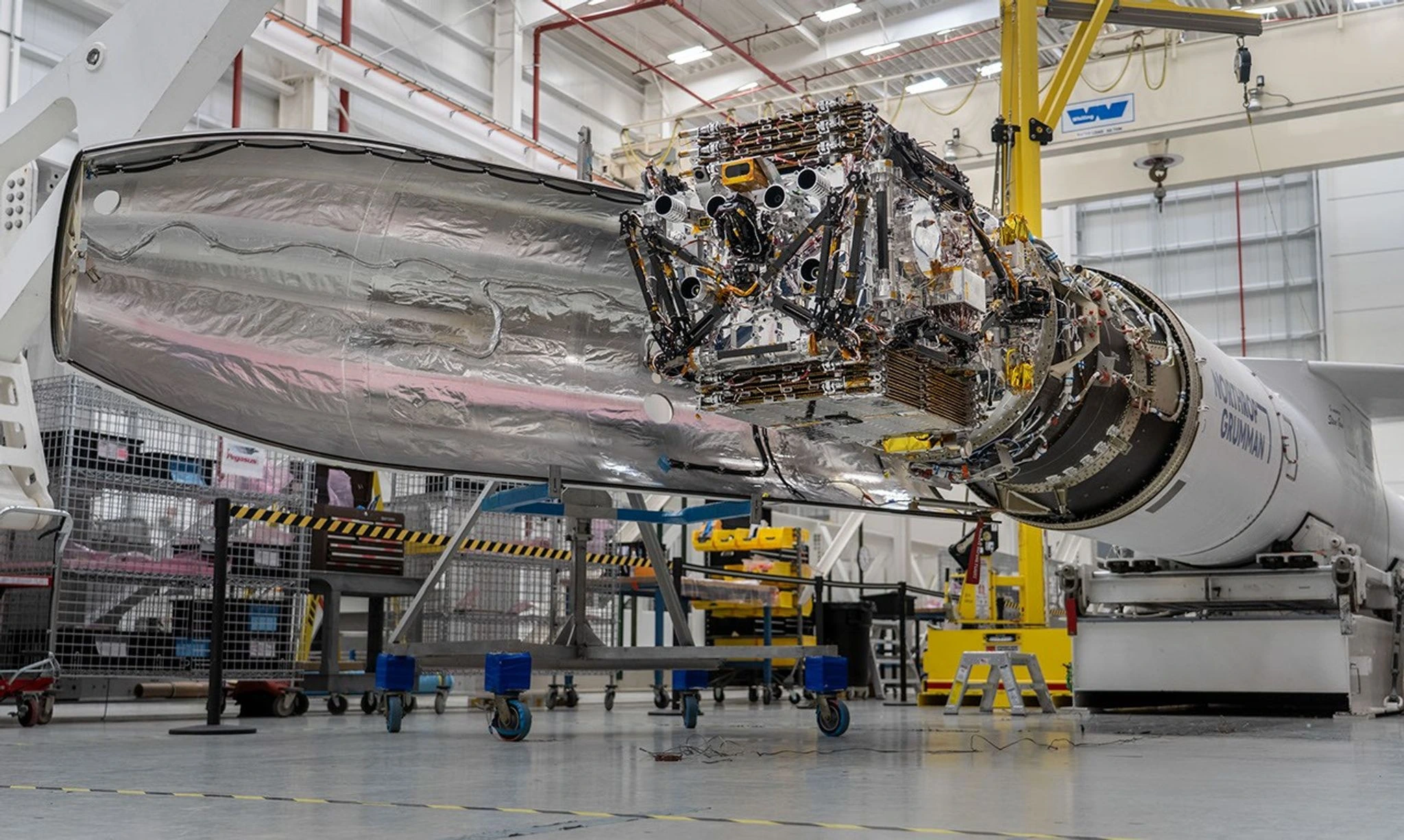
More than 2,000 gamma-ray bursts
Swift was designed to tackle one of astronomy’s most time-critical targets: gamma-ray bursts, which can last from fractions of a second to much longer. It could identify an outburst, communicate its position to other observatories and rapidly turn its own telescopes toward the fading afterglow, typically within about a minute.
During its career, it observed more than 2,000 gamma-ray bursts and studied over 1,400 supernova explosions. It also observed stars being torn apart by black holes, active galaxies, asteroids and comets. Its data contributed to approximately 7,000 published scientific papers.
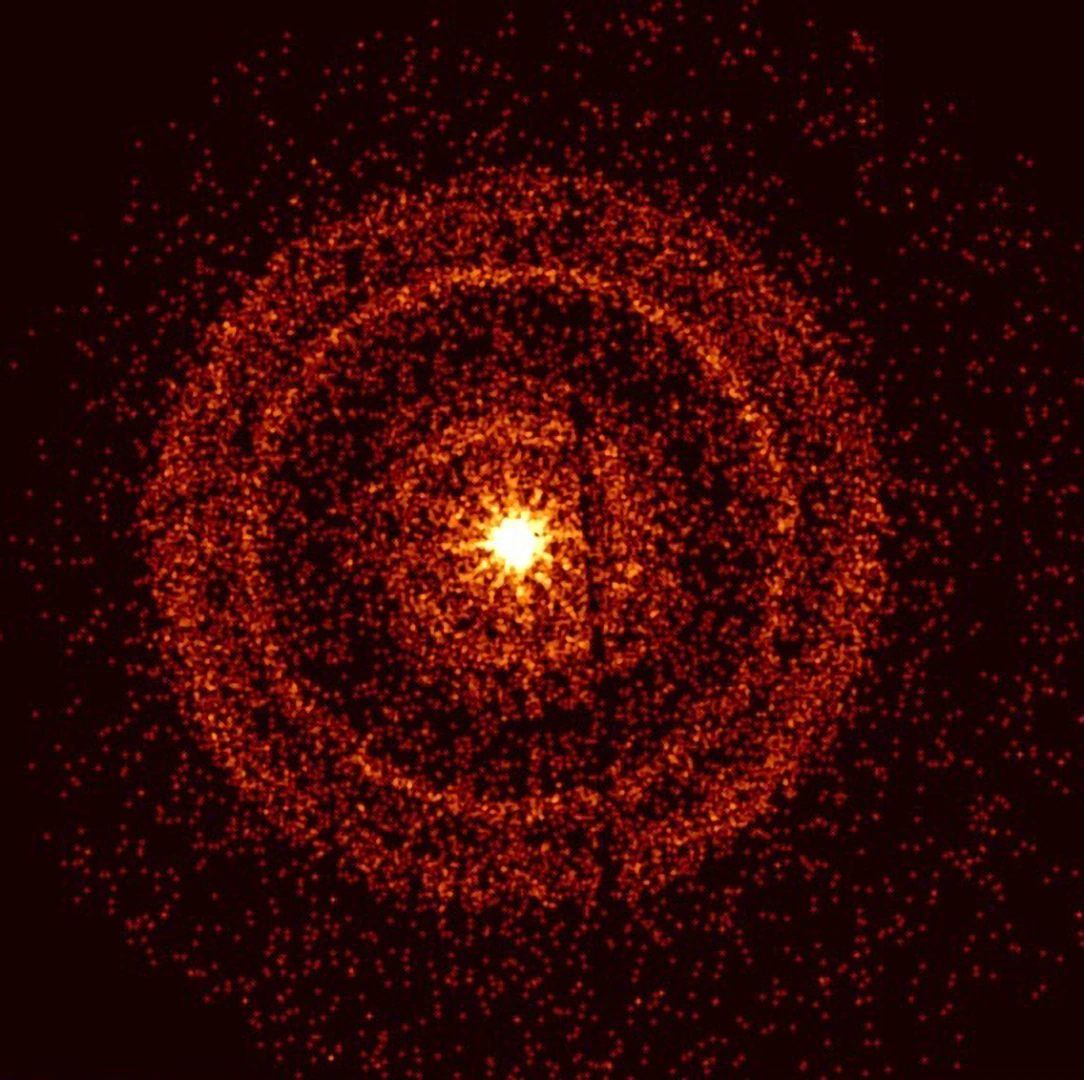
One remarkable example is the 2022 burst GRB 221009A. The rings in the X-Ray Telescope image are not blast waves surrounding the distant source. They are produced by X-rays scattered through layers of interstellar dust within our own galaxy. Work by the Chandra X-ray Observatory similarly illustrates why changes in brightness over time are key to understanding evolving cosmic phenomena.
The legacy of 1.5 million images
Swift’s Ultraviolet/Optical Telescope (UVOT) produced more than 1.5 million images in ultraviolet and visible wavelengths. Together with spectra and nearly 22 years of brightness measurements, they form a publicly accessible scientific archive of about 12 TB. Comparing observations across years lets researchers investigate changes that would be invisible in a single snapshot.
Swift’s response speed was just as important as its imaging: it could schedule as many as 75 independent targets per day and respond to urgent observation requests. NASA is now considering how its existing fleet and future missions could help fill the rapid-response gap left behind.
What we think
Anyone who works with images knows how decisive the moment of capture can be. In astronomy, some events have almost vanished by the time a telescope turns toward them. That is where Swift was special: it reacted while an explosion still had a detectable afterglow, rather than waiting for the next routine observing slot.
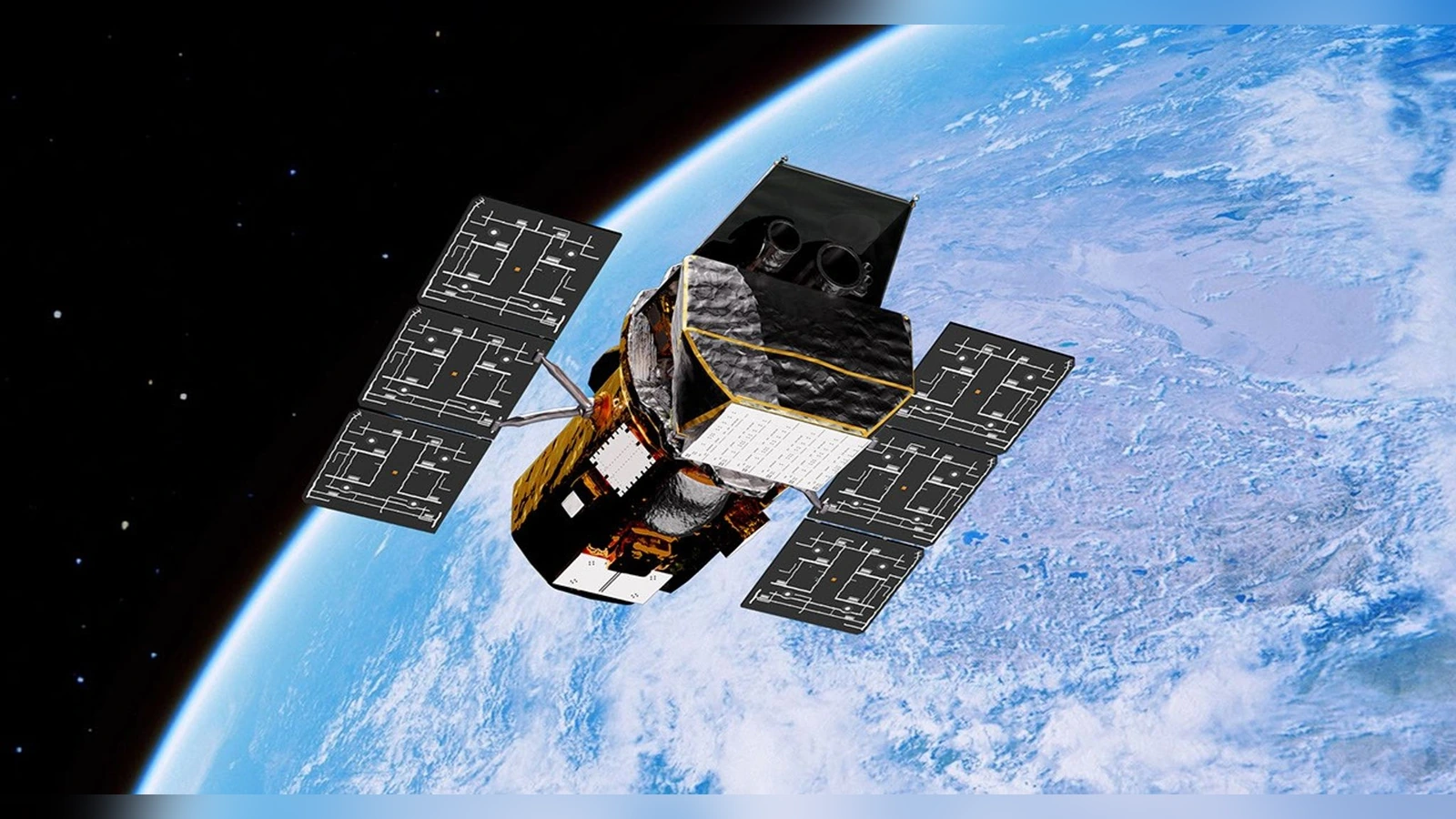
It is also worth distinguishing a real scientific observation from an artist’s rendering of a spacecraft. The picture of Swift above Earth helps us visualize the satellite; the X-ray rings show actual measurements, rendered into an image for scientific interpretation.
The encouraging part of Swift’s final chapter is that its images and measurements remain openly available. A mission can stop photographing the sky while its records continue to answer questions for many years.