Summary
- Douglas Kirkland photographed Marilyn Monroe for Look on 17 November 1961.
- Monroe shaped the atmosphere and participated in the picture selection.
- Kirkland used a Hasselblad 500C and simple lighting.
- Damiani’s new leporello photobook presents the series as an unfolding sequence.
Silk sheets, champagne and Frank Sinatra records helped produce one of Marilyn Monroe’s most recognisable portrait sessions. A new photobook takes us back to the evening those photographs were made.
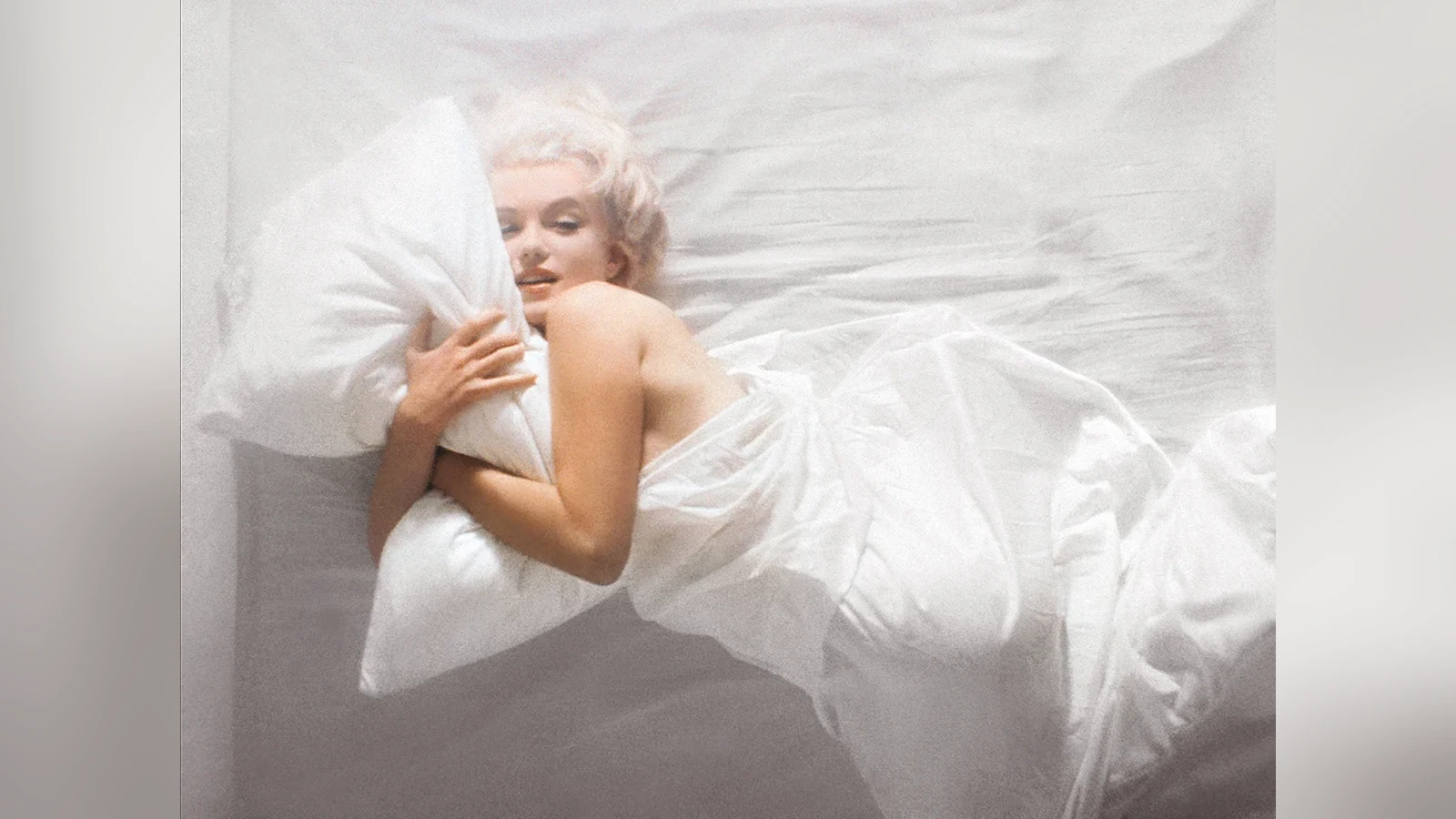
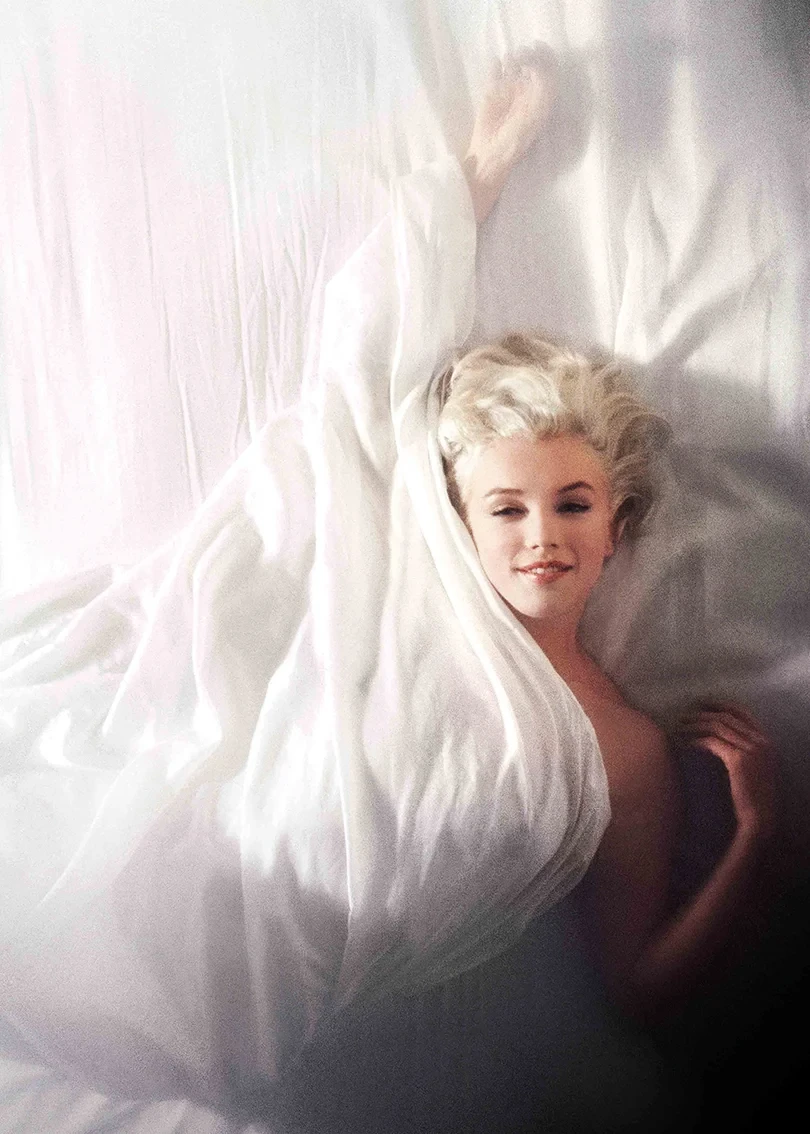
On 17 November 1961, 27-year-old Douglas Kirkland photographed the 35-year-old actress for Look magazine. The portraits, made on a bed draped in white silk, now appear in Damiani’s «Marilyn. A Magical Dance», edited by Françoise Kirkland.
Marilyn shaped the shoot herself
The assignment was intended for Look’s 25th-anniversary issue. Monroe wanted something other than a conventional star portrait: a bed, white silk sheets, Dom Pérignon champagne and Frank Sinatra records. When the session began, she asked her staff to leave so she could work alone with the photographer.
Kirkland initially imagined a dress and a layer of fine fabric, but Monroe rejected the idea. She helped determine the image: nude beneath the sheets, with her movements, expressions and the folds of the fabric providing the visual story. The session lasted more than two hours.
A Hasselblad, two lenses and one soft light
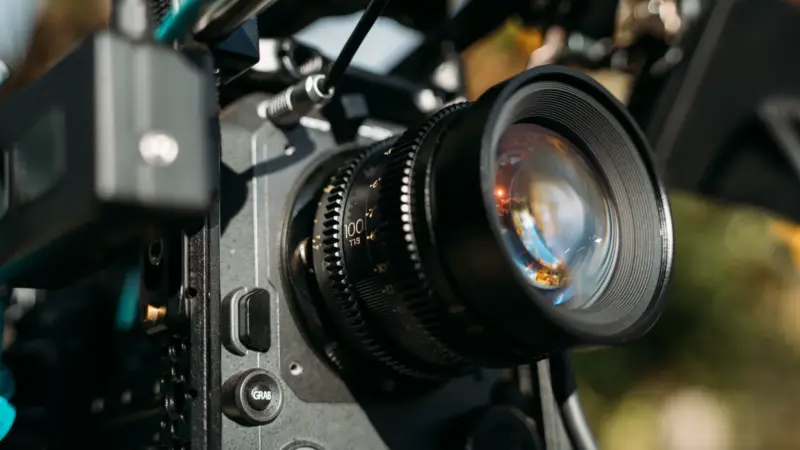
Kirkland worked with a 1959 Hasselblad 500C medium-format camera, Carl Zeiss Planar 80mm f/2.8 and Sonnar 150mm f/4 lenses. Two interchangeable film backs helped him change rolls quickly. A single floodlight fitted with a diffuser provided soft light. The simple setup left room for a connection with his subject rather than turning the scene into a large production.
One of the best-known frames shows Monroe clutching a pillow. Her expression and natural gesture became more important than an elaborate set. Kirkland later described their collaboration as a dance between photographer and subject.
The photographs Monroe did not approve
Monroe also took part in selecting the photographs. When she reviewed the contact sheets, she rejected many images and cut up some prints. Having learned how carefully she needed to protect her public image, she placed considerable importance on controlling which portraits survived.
This relationship of trust also appeared in other photographers’ work with Monroe. Eve Arnold’s approach to photographing Marilyn Monroe reveals another side of that collaboration, beyond the manufactured glamour of a film star.
The book «Marilyn. A Magical Dance»
Published by Damiani for the centenary of Marilyn Monroe’s birth, the edition contains 45 illustrations across 44 pages. It is a hardbound leporello, unfolding like an accordion so that the sequence of portraits can be viewed as a continuous visual story. Kirkland’s handwritten recollections are also included.
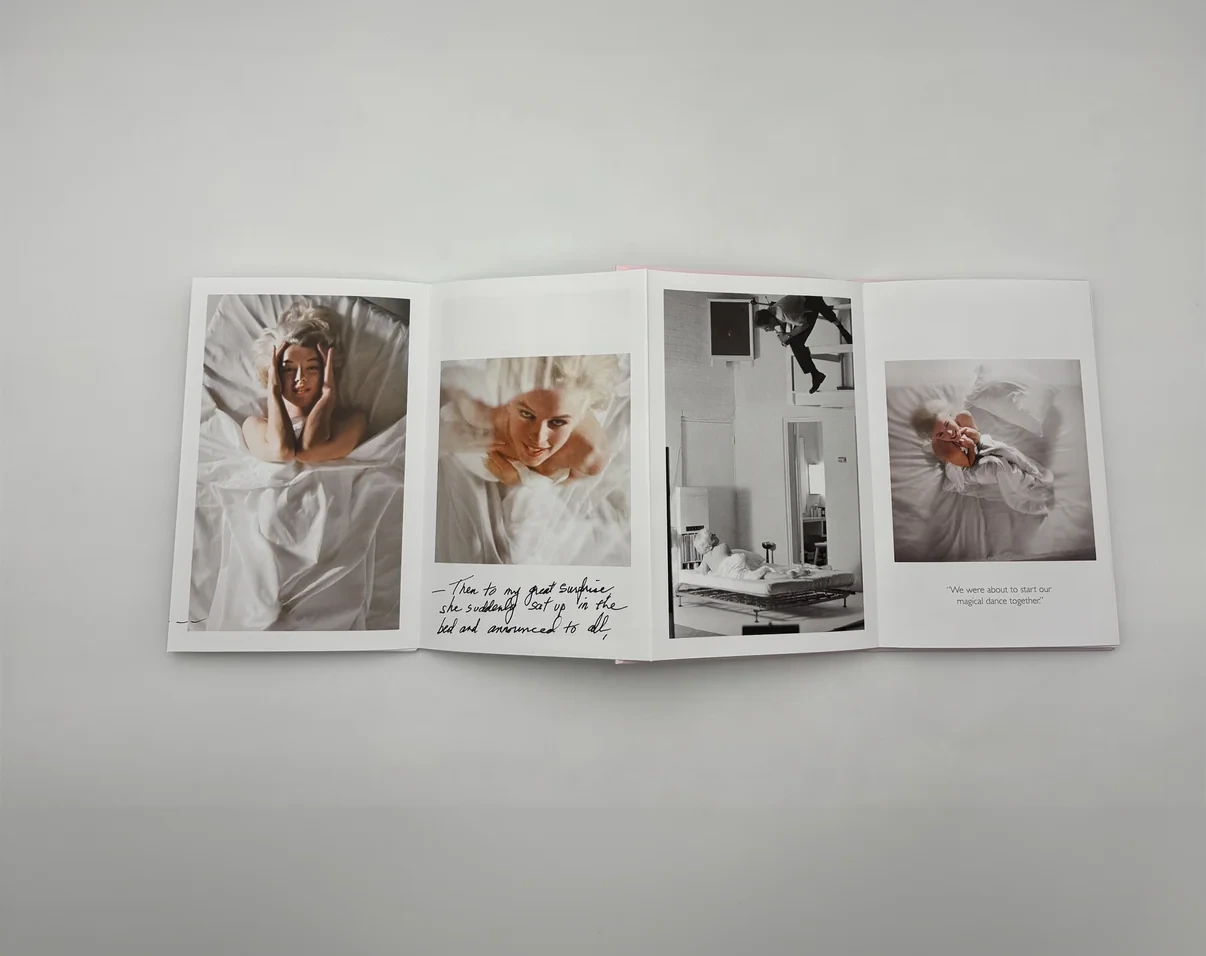
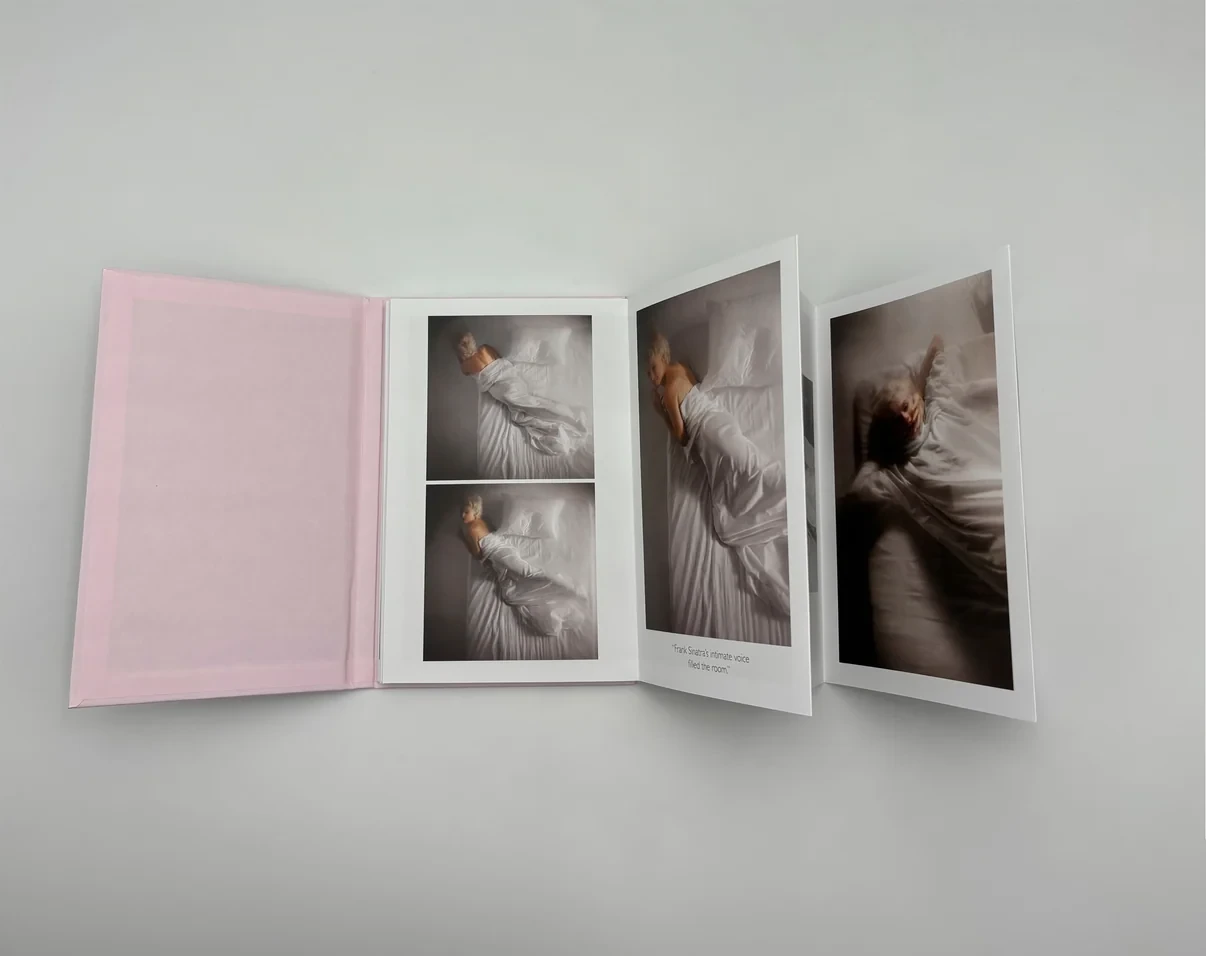
Françoise Kirkland edited the volume and continues to care for the archive of the photographer, who died in 2022. The English-language book measures 13 × 20 cm and carries ISBN 9788862088695. Damiani lists it at €50, excluding shipping.
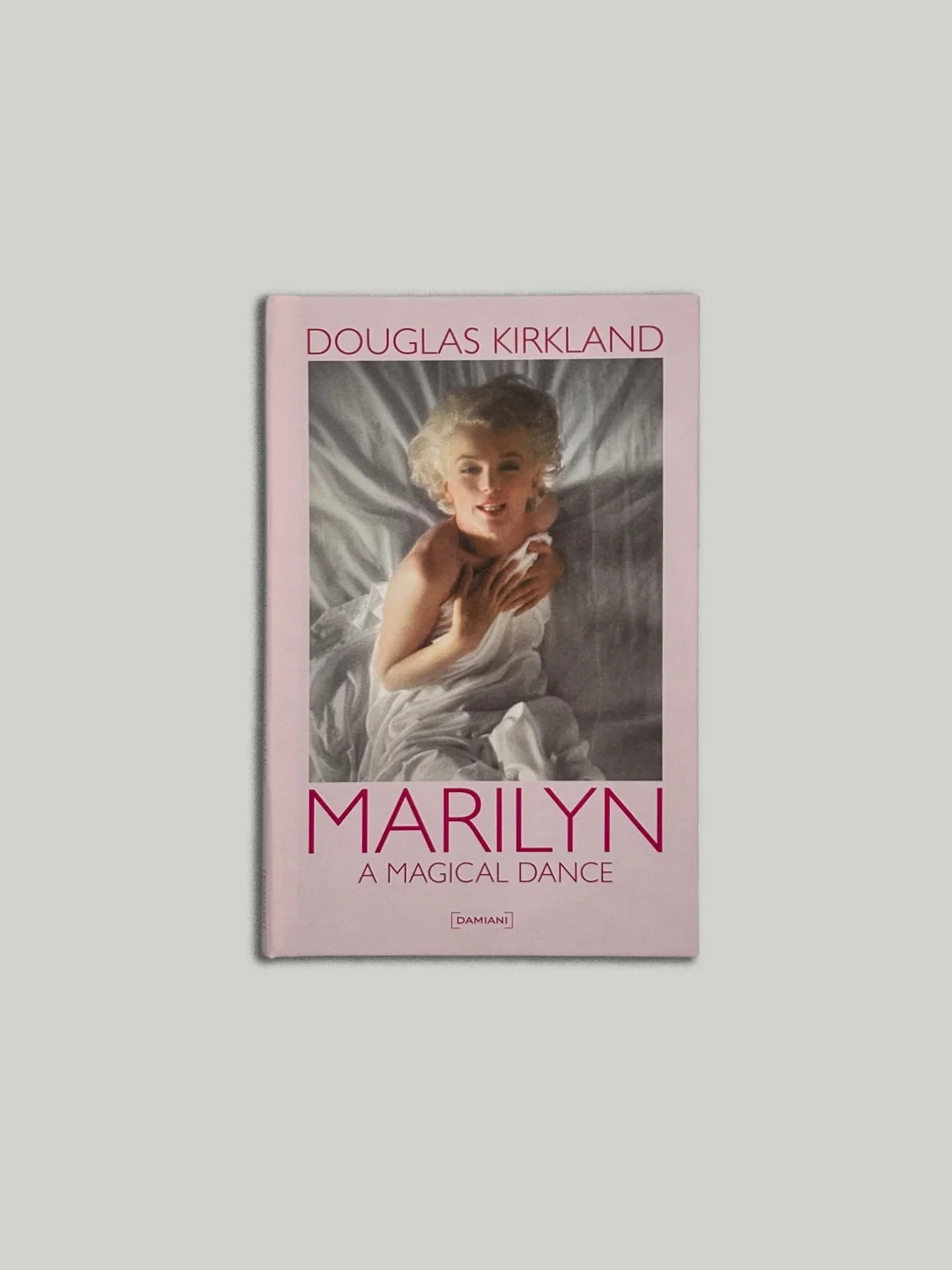
More information here.
What we think
What makes this story particularly compelling is that one of the world’s most photographed women did not simply let a photographer direct her. She proposed the setting, shaped the mood and insisted on a say in the final selection. Monroe was an active creative participant, not a passive subject.
Photographically, the simplicity is worth remembering: one camera, two lenses, one light. The pictures worked because there was communication, not because the studio was packed with equipment. That remains a useful lesson whenever we set up a portrait today.
The book’s unfolding format also fits Kirkland’s idea of a session as a dance. Instead of looking only at a famous single frame, we can follow the gestures and expressions leading up to it. That is where the photographer’s process becomes visible.