Summary
- Thypoch announced its new Simera-C 100mm T1.9 full-frame cinema lens.
- The new lens features a 16-blade iris, 0.85m close focus and a 210° focus throw.
- It comes in Sony E and Leica M versions priced at €799 and €869.
- The 100mm completes the seven-prime lineup, with shipping scheduled for late October 2026.
Thypoch has announced the new Simera-C 100mm T1.9 cinema prime for Sony E and Leica M mounts, with suggested European prices starting at €799.
Unveiled on October 23, 2026, the telephoto is intended for tight portraits, character reactions and narrative details. The 100mm is also the seventh focal length in the Simera-C series, which previously ended at 75mm.
What the new Simera-C 100mm T1.9 offers
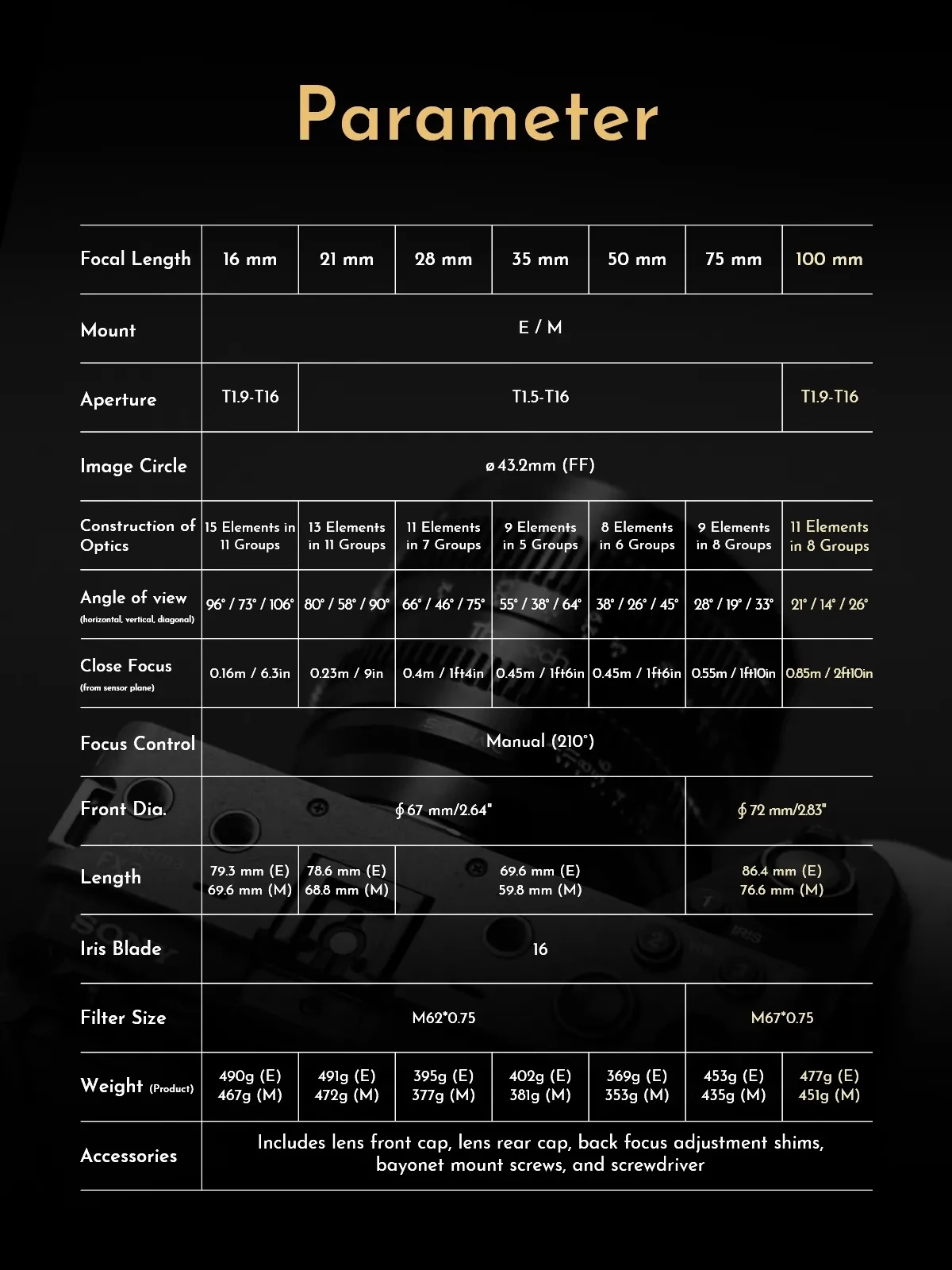
The Simera-C 100mm covers full-frame sensors with a 43.2mm image circle. Its optical design uses 11 elements in eight groups, with a 16-blade iris that stops down to T16. Thypoch lists a horizontal angle of view of approximately 21° and a minimum focus distance of 0.85m.
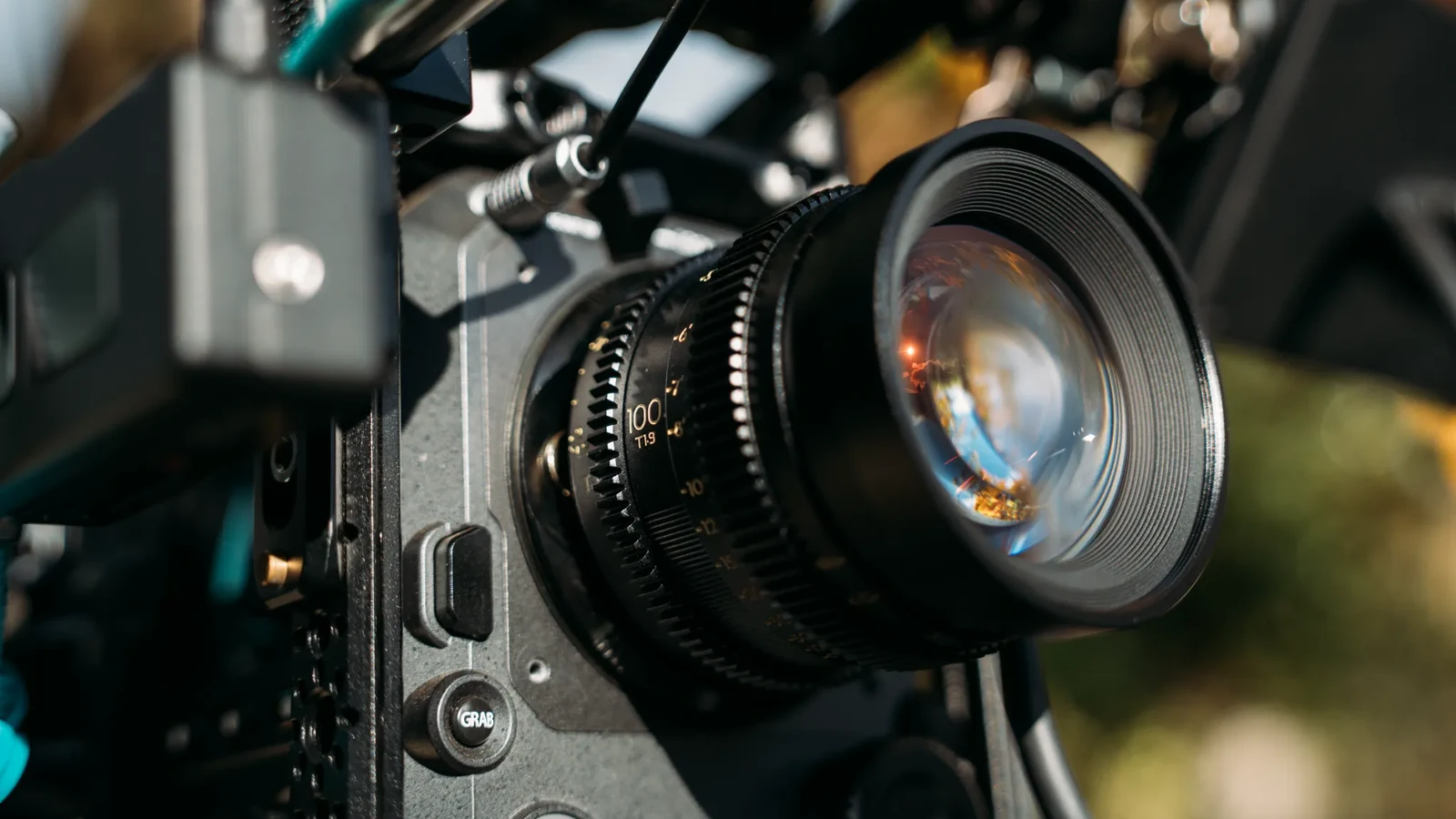
Thypoch says the focal length and T1.9 aperture are designed to produce defined subject detail, gentle out-of-focus transitions and controlled chromatic aberrations. The sample image published by the company illustrates a possible shooting use rather than providing an independent performance test.

Manual focusing with cinema-oriented controls
The focus ring turns through 210°, allowing finer manual focus pulls, especially with a follow-focus system. Both focus and iris rings use 0.8 MOD gears. The front diameter is 72mm, while the filter thread is 67mm, shared with the 75mm prime.
Sharing the 75mm’s filter diameter makes it easier to alternate between those two focal lengths on set. The same screw-in filter can be reused, reducing accessory changes.
The new 100mm brings Simera-C to seven primes
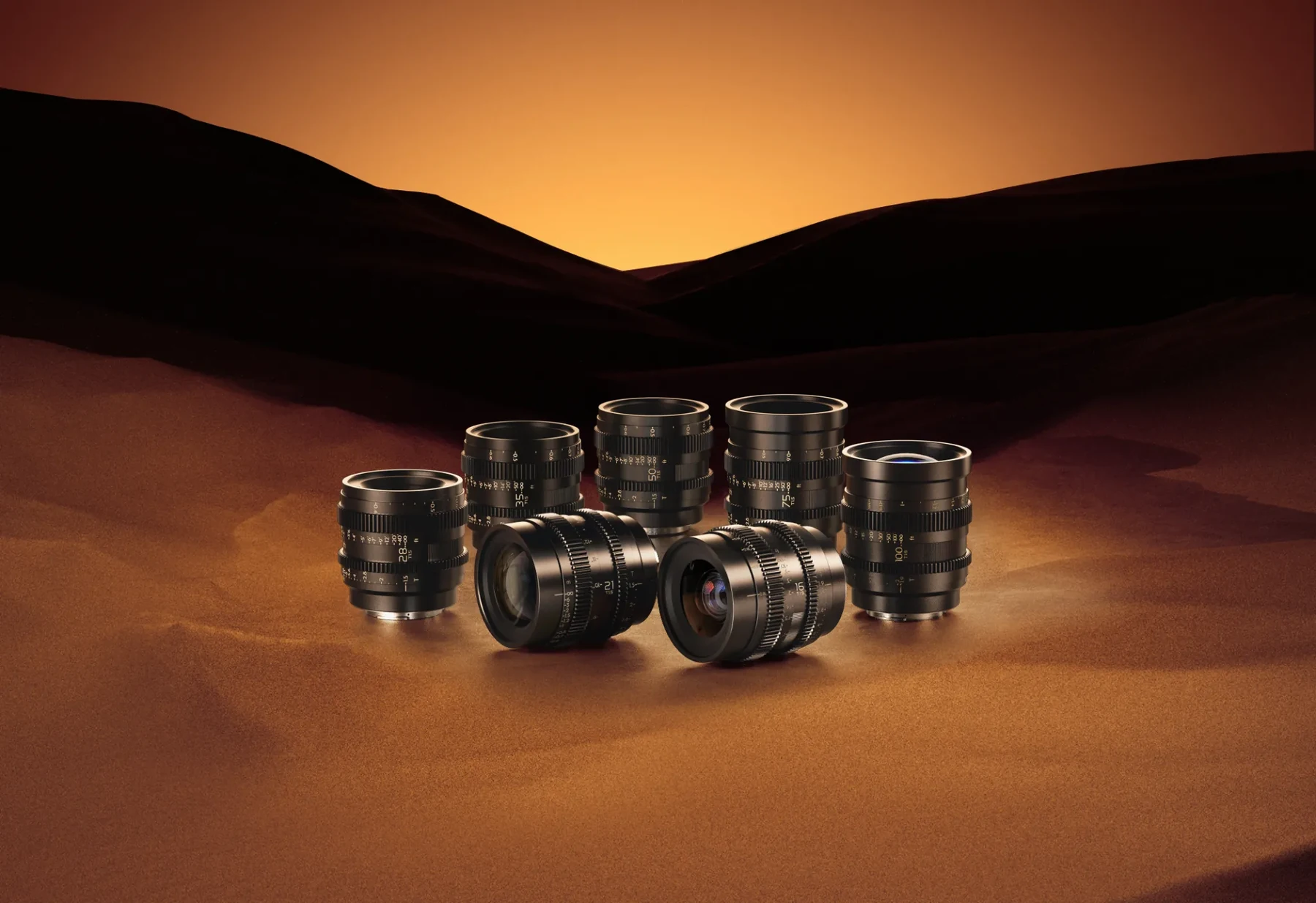
The complete lineup comprises 16mm T1.9, 21mm T1.5, 28mm T1.5, 35mm T1.5, 50mm T1.5, 75mm T1.5 and 100mm T1.9. The five middle primes have faster T-stops than the two focal-length extremes; this is not an all-T1.5 set.
Thypoch emphasizes compact dimensions and shared cinema controls, aiming to make the primes practical for smaller rigs, handheld cameras and gimbals. Whether all seven focal lengths belong in one kit still depends on the production, framing and crew.
Sony E, Leica M, prices and availability
The 100mm comes in black with a native Sony E or Leica M mount. The Sony E version is 86.4mm long and weighs 477g; the Leica M version measures 76.6mm and weighs 451g. With suitable Thypoch positive-lock adapters, the M-mount lens can also be used on compatible Sony, Canon, Fujifilm, Lumix and DJI systems; these are adapted rather than native mounts.
Thypoch has announced suggested European prices of €799 for Sony E and €869 for Leica M. Shipping is scheduled to begin in late October 2026, with availability varying by retailer and market. The package includes front and rear caps, back-focus shims, mount tools and a warranty card.
More information here.
What we think
For a small crew or a filmmaker switching between handheld work and a gimbal, a 451–477g 100mm cine prime is genuinely appealing. It offers tighter portraits and detail shots without forcing the camera uncomfortably close to the person being filmed.
It is good to see the practical cinema details taken seriously: a long focus throw and consistent gear design are more useful during a shoot than a polished product photo. But if a project depends on continuous autofocus or extreme close-focus work, a manual 100mm limited to 85cm is not the obvious answer.
The bigger attraction is being able to assess Simera-C as a complete system instead of a collection of affordable standalone primes. We would first look at colour and contrast matching across a 35mm-to-100mm change and how easily the lenses swap on a real rig. That determines whether the €799 entry price saves a production money in practice.
Frequently asked questions
Do all Simera-C lenses have the same maximum T-stop?
No. The 16mm and 100mm open to T1.9, while the 21mm, 28mm, 35mm, 50mm and 75mm reach T1.5. Exposure adjustments may be needed when switching lenses.
Does the 100mm offer autofocus?
The lens is manual-focus and has no electronic contacts. External focusing systems require additional equipment and must be compatible with the rig.