

Summary
- The Light Lens Lab 35mm f/2 Apochromatic is a manual-focus lens for Leica M
- It uses 11 elements in six groups, including four aspherical elements
- Its floating optical system enables focusing down to 0.3 meters
- It will be offered in aluminum versions and a limited titanium edition
- Prices start at $2,049, with preorders opening on August 10, 2026
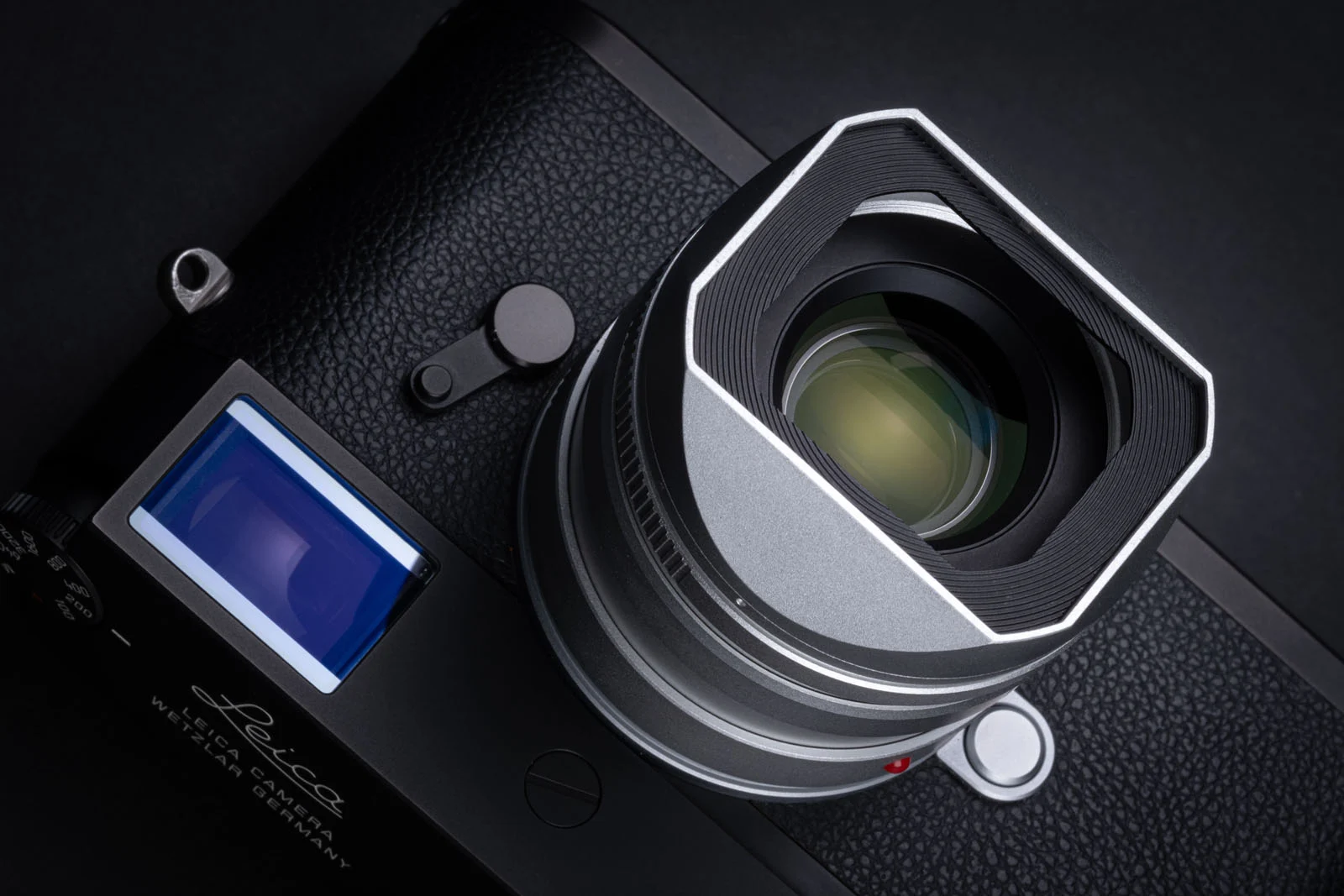
Light Lens Lab has unveiled the manual-focus 35mm f/2 Apochromatic for Leica M, the first independently designed lens in its new high-performance series.
Production of the Light Lens Lab 35mm f/2 Apochromatic has already begun, while preorders are scheduled to open on August 10, 2026. It is a full-frame, manual-focus Leica M-mount lens with a minimum focusing distance of 0.3 meters and an 11-element optical construction.
The announcement is particularly significant because Light Lens Lab is primarily known for modern recreations and reinterpretations of classic lenses. The new 35mm f/2 does not reproduce a historical design but instead marks the starting point of a family of original, high-performance apochromatic lenses.
A new direction for Light Lens Lab
The company has placed the lens within its Apochromatic Series Project, a long-term program for developing independent optical designs. The new series will focus on apochromatic correction, advanced optical materials, high-precision manufacturing, and optimization for ultra-high-resolution digital sensors.
The lenses are also intended for use with high-acutance photographic and cinema film. Each future focal length will receive its own independent optical design while retaining the performance and manufacturing principles established by the 35mm f/2.
An 11-element optical construction
The Light Lens Lab 35mm f/2 Apochromatic uses 11 elements arranged in six groups. These include four aspherical elements and multiple elements made from ultra-low-dispersion and anomalous partial-dispersion glass.
This arrangement is designed to reduce chromatic aberrations and colored fringing. A new high-transmission multilayer coating additionally aims to suppress fringing, purple fringing, and unwanted reflections in backlit or otherwise challenging lighting conditions.
The aperture has 11 blades. According to the company, the lens delivers high sharpness at f/2, controlled distortion, strong edge-to-edge performance, and smooth transitions between focused and defocused areas. These claims will need to be confirmed through independent testing of final production lenses.
Floating system and 0.3-meter focusing
The floating optical system changes the relative position of selected elements during focusing, aiming to maintain optical performance throughout the focusing range. The lens can focus from 0.3 meters to infinity.
Focusing is entirely manual, and the lens uses a Leica M bayonet mount. Its ability to focus down to 0.3 meters provides greater flexibility for close compositions than many traditional rangefinder lenses.
Two focusing-barrel versions
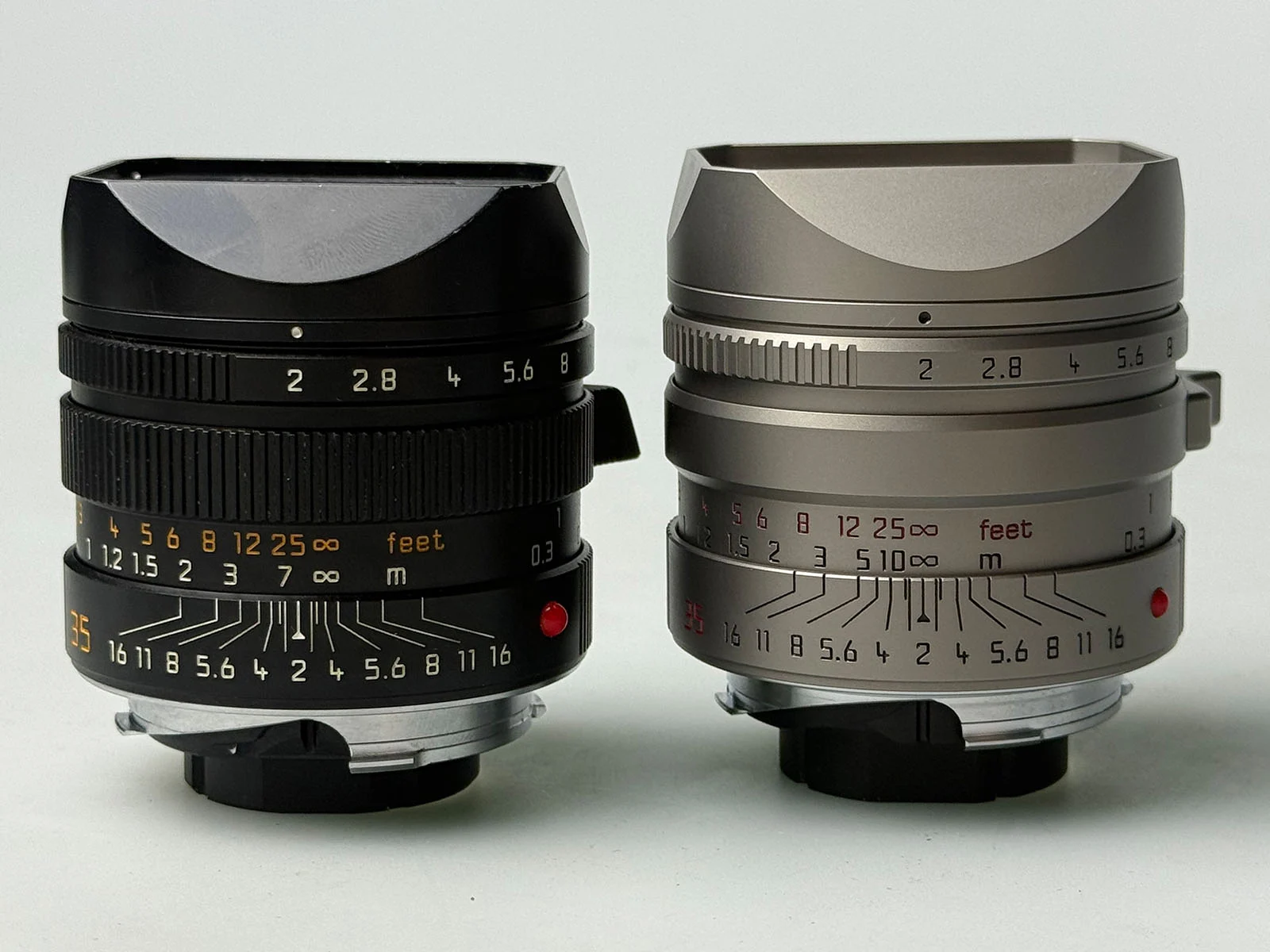
Light Lens Lab will manufacture two exterior versions of the lens, both using the same optical system. The first will have a smooth focusing barrel without an additional textured surface in the close-focus area, creating a cleaner and more minimalist appearance.
The second version will feature a knurled surface near the close-focus section, providing a more secure grip and improved tactile feedback. The smooth version will be released first because the additional machining required for the second configuration needs greater production capacity.
The company is also exploring a new front-ring design and a custom typeface for the exterior engravings. This visual language is expected to be introduced gradually across future Apochromatic Series lenses.
Dimensions, filters, and weight
The full-frame lens accepts E39 filters and measures approximately 40.9 millimeters in length without its hood. The square hood adds around nine millimeters, while the maximum barrel diameter is approximately 53 millimeters.
The aluminum versions will be offered in Black Paint and Silver Chrome finishes, weighing approximately 327 grams with the hood installed. The limited Titanium Gray edition will weigh around 360 grams with the hood.
Pricing and availability
Preorders for the aluminum versions begin on August 10, 2026. The Aluminum Black Paint and Aluminum Silver Chrome variants will cost $2,049.
The Titanium Gray Limited Edition will cost $2,349 and will be available to preorder only from August 10 through September 10, 2026. The company says enough units will be produced to fulfill the preorders placed during this period.
Shipments of the smooth-barrel version are scheduled to begin on September 30 and continue through November 2026. The close-focus-knurled variant is expected to ship from December 2026 through January 2027.
Light Lens Lab notes that each lens will be individually produced and assembled by its team. Because of its limited production capacity and the demands of manufacturing apochromatic optics, customers may face a longer interval between placing an order and receiving it.
Prototype testing and sample images
Working prototypes of the lens are being tested by photographers in several countries, while final production verification remains underway. Light Lens Lab has published sample images, including photographs captured by Jonas Rask.
Because the photographs were created with prototypes and published by the company itself, they do not constitute an independent assessment of the final optical quality or consistency between production units.
Future lenses in the series
The 35mm f/2 Apochromatic will serve as the foundation for the development of additional focal lengths. Light Lens Lab plans to introduce a newly and independently designed 50mm lens in 2027, followed by other focal lengths.
The company has not yet announced detailed specifications, prices, or release dates for the future models.
What we think
The 35mm f/2 Apochromatic represents a meaningful change of direction for Light Lens Lab, moving the company from recreations of classic lenses toward the development of its own advanced optical designs. Its apochromatic correction, four aspherical elements, floating system, and 0.3-meter focusing distance create an interesting technical package, but its price places it in a highly demanding category. Its true value will be determined by independent measurements, images captured with final production units, and the consistency of its manufacturing quality.
Frequently asked questions
Which cameras is the Light Lens Lab 35mm f/2 Apochromatic designed for?
The lens has a Leica M mount and covers full-frame sensors. Focusing is manual.
Does it have autofocus?
No. It is an exclusively manual-focus lens.
What is its minimum focusing distance?
The minimum focusing distance is 0.3 meters, with a floating optical system designed to maintain performance at close distances.
How much does it cost?
The Black Paint and Silver Chrome aluminum versions cost $2,049, while the limited Titanium Gray edition costs $2,349.
When do shipments begin?
The first shipments of the smooth-barrel version are scheduled for September 30, 2026. The close-focus-knurled variant is expected to begin shipping in December 2026.