Summary
- Ten projects shared €125,000 at Atlas Workshops.
- Faux Bijoux received €30,000 for post-production.
- America Is Behind the Door received €25,000 for development.
Ten film projects shared €125,000 at the ninth Atlas Workshops of the Marrakech International Film Festival, held from 22 to 26 November 2026.
The two largest prizes went to Faux Bijoux by Lebanese filmmaker Jessy Moussallem (€30,000 for post-production) and America Is Behind the Door by Palestinian filmmaker Laila Abbas (€25,000 for development).
The awards address different needs: completing a film in one case, and preparing a project to be made in the other.
The official trailer for the short film Faux Bijoux:
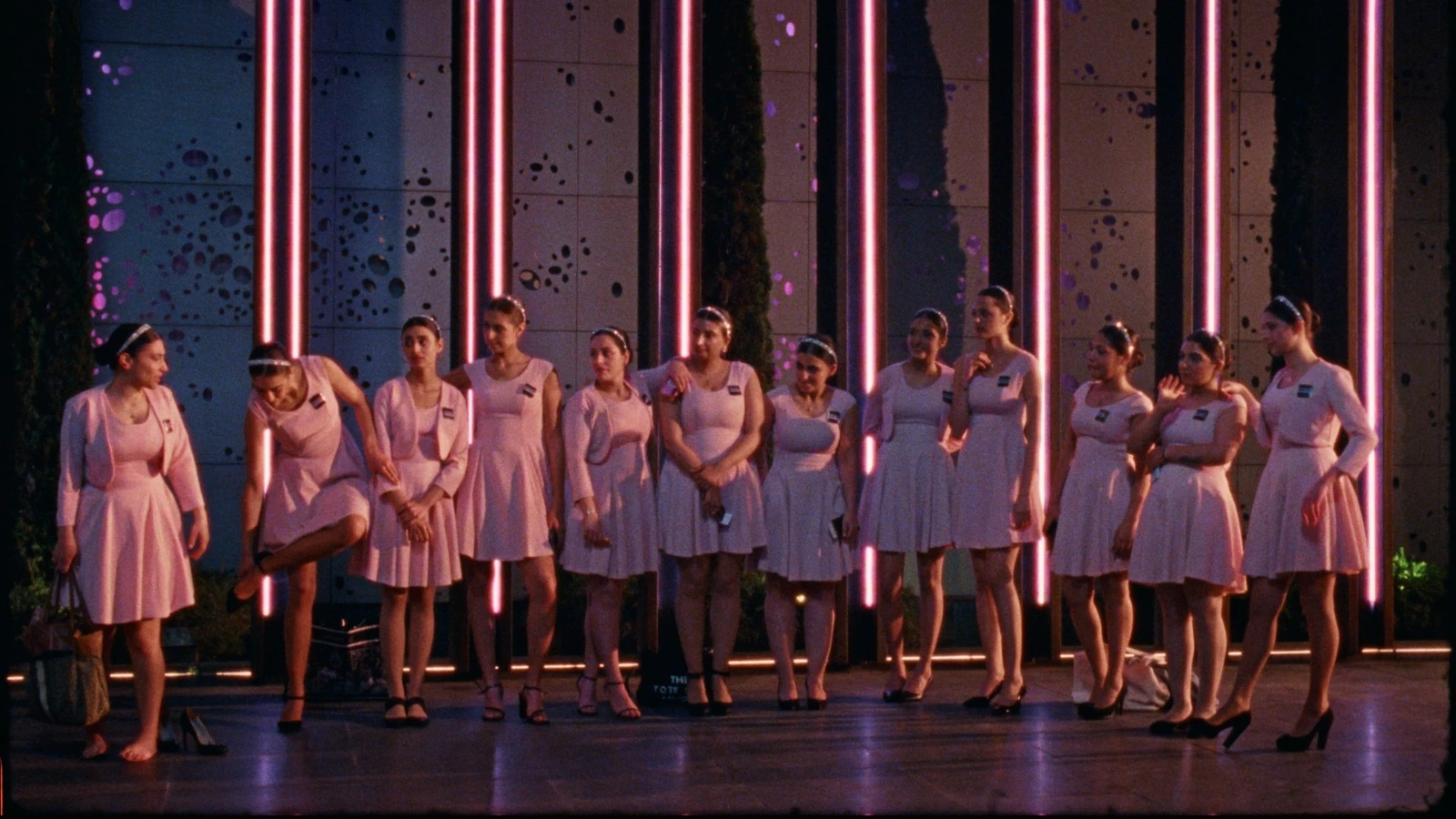
Faux Bijoux: From short to feature
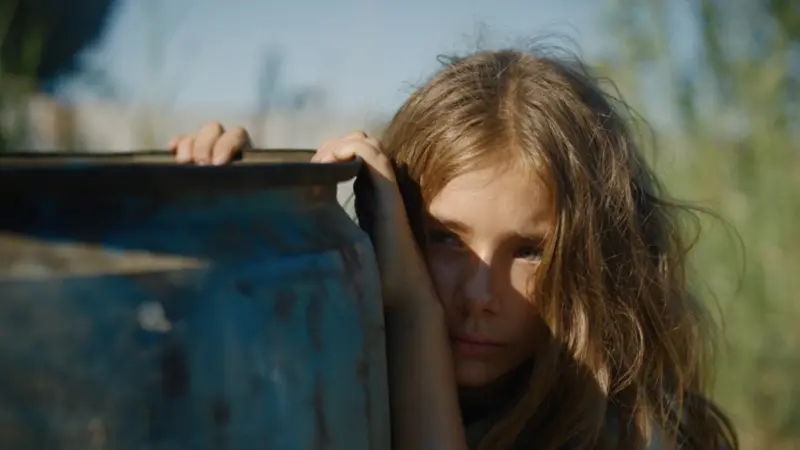
Moussallem’s first feature is a co-production between Lebanon, France, Belgium and Qatar. It follows a family strained by debt, secrets and its members’ efforts to keep up appearances.
The 22-minute short of the same name, conceived to test the idea for the feature, was selected at Sundance and Clermont-Ferrand and won the top prize at the Brussels Short Film Festival.
The official catalogue for the feature credits Robbie Ryan as cinematographer and Camille Toubkis as editor. Olivier Muller of Vixens is the producer.
On 26 November, Eurimages, the Council of Europe’s film fund, announced a separate €150,000 co-production award for Faux Bijoux. Combined with the Marrakech prize, the two announced awards amount to €180,000.
Post-production funding can help cover costs such as editing, colour grading, sound editing and mixing, or final screening masters. The precise allocation of this production’s award has not been confirmed.
America Is Behind the Door: Funding before filming
Laila Abbas’s second feature is a Palestine–Italy co-production, produced by Giovanni Pompili of Kino Produzioni.
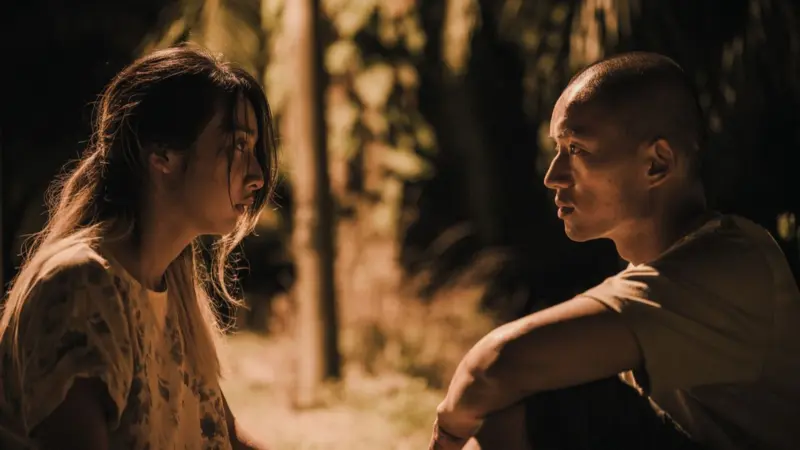
The story centres on Nadine, a Palestinian mother living in the United States, in the ten days before her citizenship interview. Her family’s daily life is shaped by political events, the US relationship with Israel and anxiety over loved ones in Palestine.
Abbas had already won the directing award at the Thessaloniki International Film Festival for Thank You for Banking with Us! (2024).
Unlike a post-production prize, development funding can support script work, research, production planning and preparing materials for co-producers and financiers. These expenses often arise before the full budget is secured.
The other eight projects
In post-production, Hamlet from the Slums by Ahmed Fawzi-Saleh, Occupational Hazards by Bassel Ghandour and My Father Killed Bourguiba by Fatma Riahi received €10,000 each.
In development, Waltz of the Savages by Yasmine Benkiran received €15,000, Eko Gongon by Carlos Yuri Ceuninck €10,000, and Safara by Awa Moctar Gueye and Chronicles of an Unannounced Death by Dyaa Naim €5,000 each.
The Cemetery’s Birds by Madane El Ghazouani won €5,000 in Atlas Close-Ups, the section for Moroccan filmmakers.
What a film industry market offers
The Atlas Workshops began in 2018 to connect filmmakers from Morocco, the Arab world and Africa with international industry professionals.
This year’s edition brought together 350 professionals and 30 projects from 14 countries, with 575 meetings held at the co-production market.
A comparable example is Thessaloniki Agora Works in Progress, where films approaching completion seek funding, post-production services and distribution partners.
What we think
The journey of Faux Bijoux shows why a short can become more than a standalone film: tangible evidence of a director’s intentions, style and team’s capabilities when seeking partners for a larger project.
For an independent filmmaker, choosing the right market matters as much as the size of a prize. Development calls for a persuasive package and a realistic budget, while post-production needs a clear finishing plan. Funding is most valuable when it addresses the actual gap preventing a film from moving forward.