

Summary
- Michel Hazanavicius will present footage from The Third Hand at Les Arcs.
- AI was used in development and post-production while filming relied on conventional methods.
- The presentation will be followed by a discussion about AI regulation and creators’ rights.
Michel Hazanavicius, director of The Artist, which won five Oscars in 2012, will unveil exclusive footage from his upcoming film The Third Hand at France’s Les Arcs Film Festival. Together with post-production studio Digital District, he will explain the methods and AI tools used on the production.
The festival runs from 12 to 19 December 2026, with its industry programme, Industry Village, taking place from 12 to 15 December. The session concerns the production process rather than a premiere of the finished film.
What is The Third Hand?
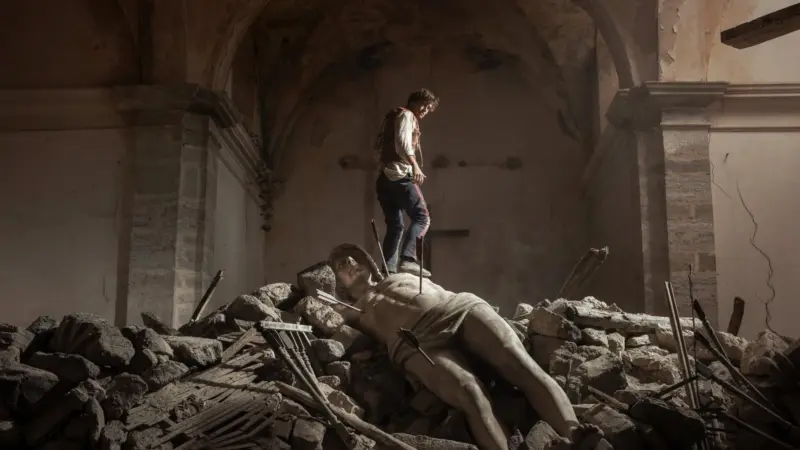
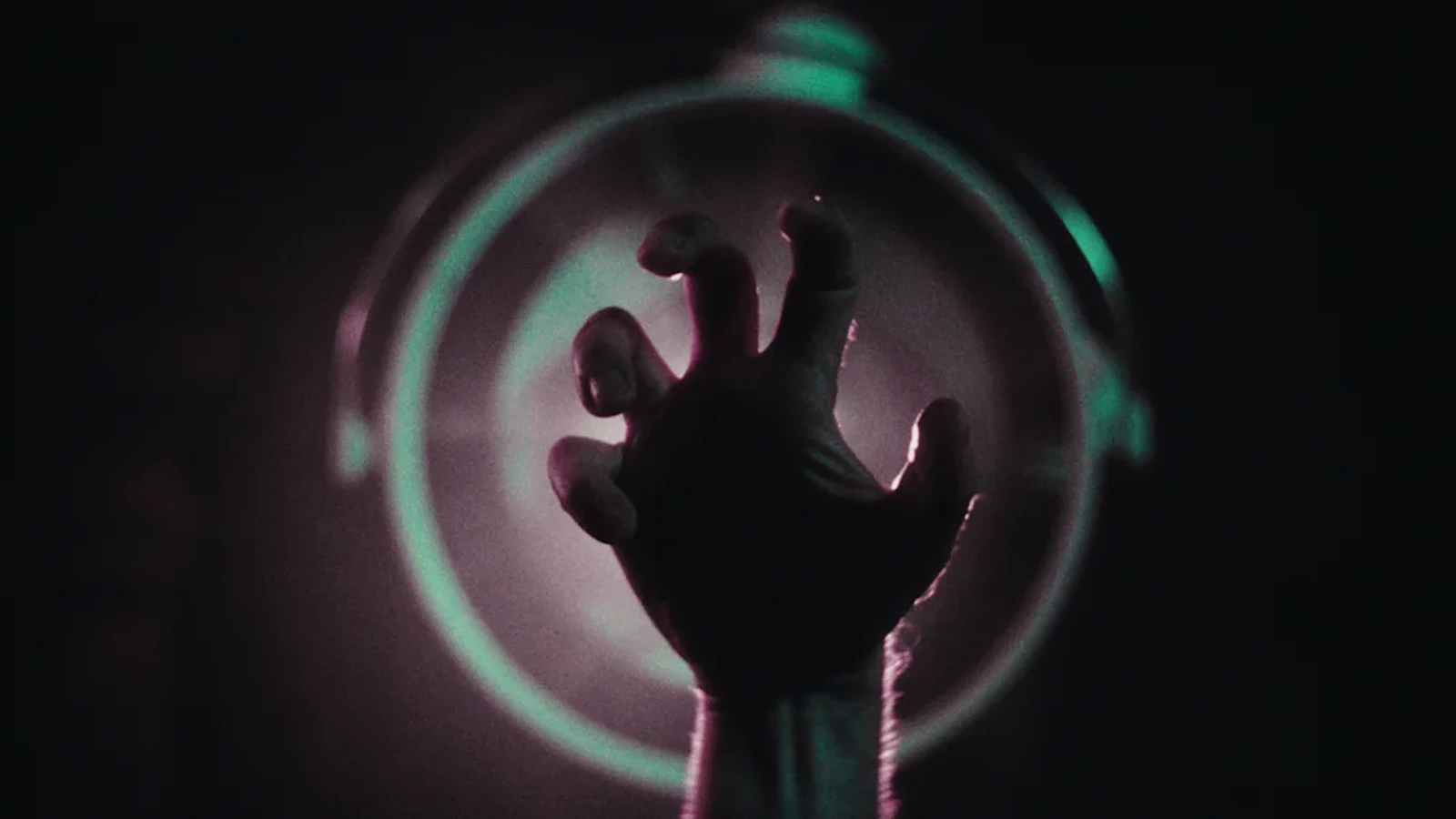
Hazanavicius returns to silent cinema, this time with a fantasy film in colour. The screenplay, co-written with Thomas Cailley, adapts Arthur Dreyfus’s novel of the same name. Set in Verdun in 1916, the story follows a wounded French soldier who wakes in a deranged scientist’s laboratory to find a German hand attached to his abdomen.
François Civil leads the cast alongside Bérénice Bejo, Rebecca Marder and Michel Fau. David Chambille is the cinematographer and Alexandre Desplat is composing the score. Les Compagnons du Cinéma is producing with France 3 Cinéma and StudioCanal as co-producers, with backing from Greece’s Haris & Co. as well.
Where AI enters the workflow
According to Deadline, AI was used for parts of development and post-production. The shoot itself relied on conventional sets and filming techniques. The film is now in post-production, with visual effects still requiring substantial work.
The use of AI had already sparked debate in September. Vincent Maraval of Goodfellas, the film’s international sales agent, had claimed that the technology reduced a battle sequence’s shoot from ten days to two. Producer Florence Gastaud disputed that account, telling Variety that AI had not reduced the shooting days for the Verdun sequences. Those scenes involved trenches built inside a studio and hundreds of extras.
The available reports do not yet identify the AI models, the specific tasks they performed or the number of shots affected. Those details are necessary to assess the technology’s contribution to the finished images and the time spent by the crews.
The debate over creators’ rights
The presentation will be followed by a discussion with MEP David Cormand on regulating AI in Europe, protecting creators’ rights and preserving cultural autonomy. Hazanavicius will also mentor participants in Talent Village, a programme that helps emerging European directors move from shorts to feature films.
The discussion follows recent criticism over alleged AI use in David Fincher’s new film. In that case, the production method behind the disputed shots remains unconfirmed. With The Third Hand, by contrast, the use of AI has been acknowledged and the filmmakers plan to explain how they applied it.
What we think
What we want to see at Les Arcs is not simply impressive footage, but how it was made. As the experiment with eight films based on the same Efthimis Filippou script showed, the use of an AI tool does not in itself describe the creative process. It matters who makes the decisions about the image, which elements come from the shoot and which are created or altered afterwards.
For a filmmaker, a useful presentation should place original shots alongside the final ones, explain the corrections and describe the work done by the post-production team. Only then can we judge whether a tool genuinely serves the story, saves time or merely shifts work from the set to post. Transparency about the method and protection of the rights of those who contribute to the image should be part of the same discussion.