Summary
- HUMANCENTRIC began with one scene written by Efthimis Filippou.
- Eight teams used AI while keeping the dialogue unchanged.
- The project featured in an Evolution Mallorca panel on November 1, 2026.
- The films show how different human decisions shape the same material.
Efthimis Filippou wrote a single scene, and eight artists using AI tools transformed it into eight strikingly different short films, showcased in the Evolution Mallorca programme.
HUMANCENTRIC, a project by creative production company MikeTeevee, was featured in the festival’s AI Creativity Panel on Sunday, November 1, 2026, at 19:00, at CineCiutat, Sala 2, in Mallorca. The programme listed MikeTeevee creative director Dave Bell and AI artist Veronika Pell as panelists.
The festival event was the latest occasion to revisit the project, not its launch. Its films had already been shown through an interactive installation at AI on the Lot in Los Angeles on May 27–28, 2026, and the project was publicly introduced more widely by late August.
The same dialogue, eight different films
Efthimis Filippou, Yorgos Lanthimos’s co-writer on The Lobster, The Killing of a Sacred Deer and Kinds of Kindness, wrote a scene set in a bar. A battered lieutenant looks for Peterson, whom the bartender connects to the murder of the lieutenant’s wife and four children. The man leaves threatening to return, while the story’s central questions remain unanswered.
There was one non-negotiable rule: the dialogue had to remain unchanged. Everything around the words—characters, genre, setting, rhythm, images and narrative context—was open to interpretation. AI was part of each filmmaker’s process, rather than a single automated system turning out eight films without directorial decisions.
The eight interpretations
Not Finished Yet — Blumquist. A character moves through unfinished narratives, with some unexpected AI results feeding back into the film’s very development.
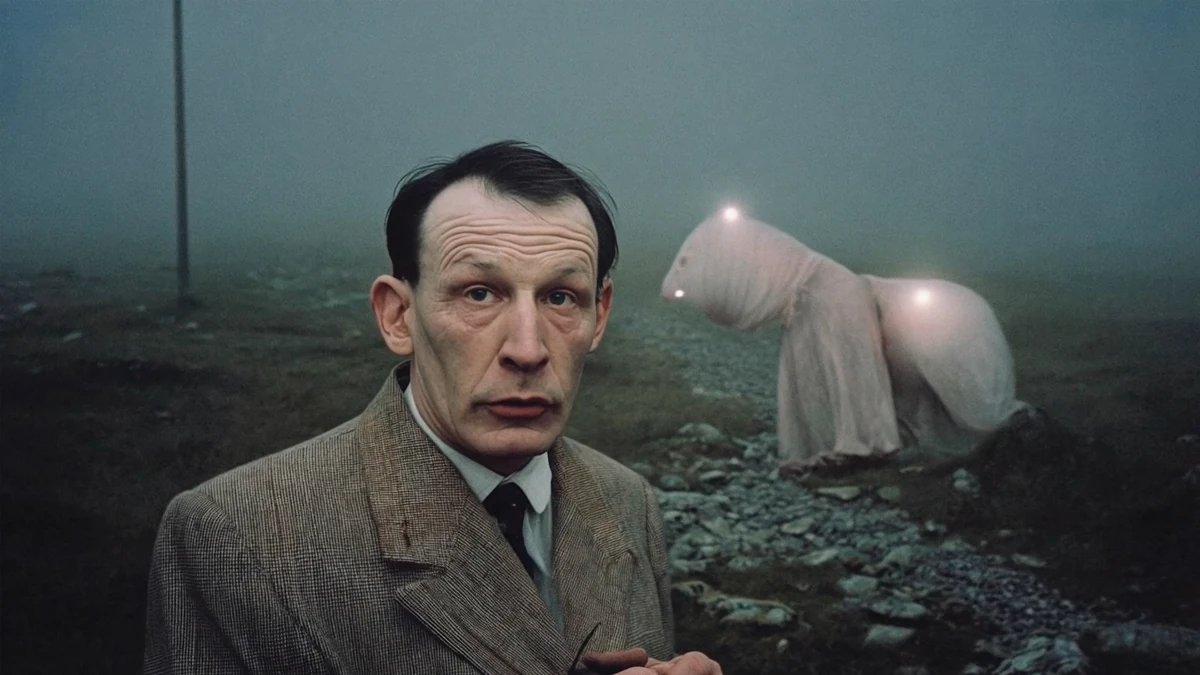
The Hunter — Gizem Akdağ and Ege Berkina Akdağ. This version moves into the events leading up to the bar scene, changing how we understand the lieutenant’s anger and vulnerability.
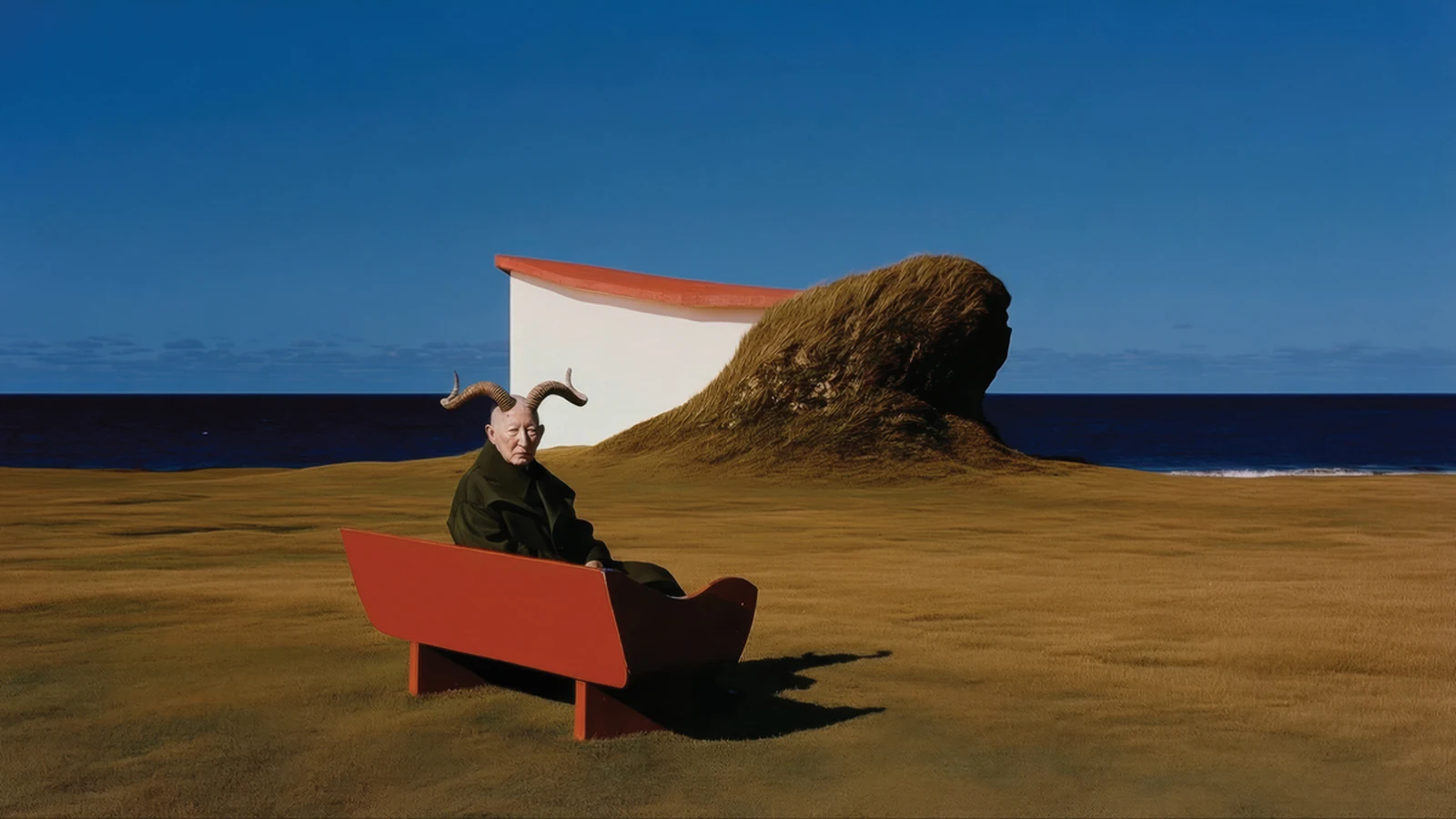
Patternson — DoopiiDoo. Rather than explain Peterson, the film preserves the mystery and introduces uncanny imagery. Maintaining spatial continuity across generated shots was an important creative task.
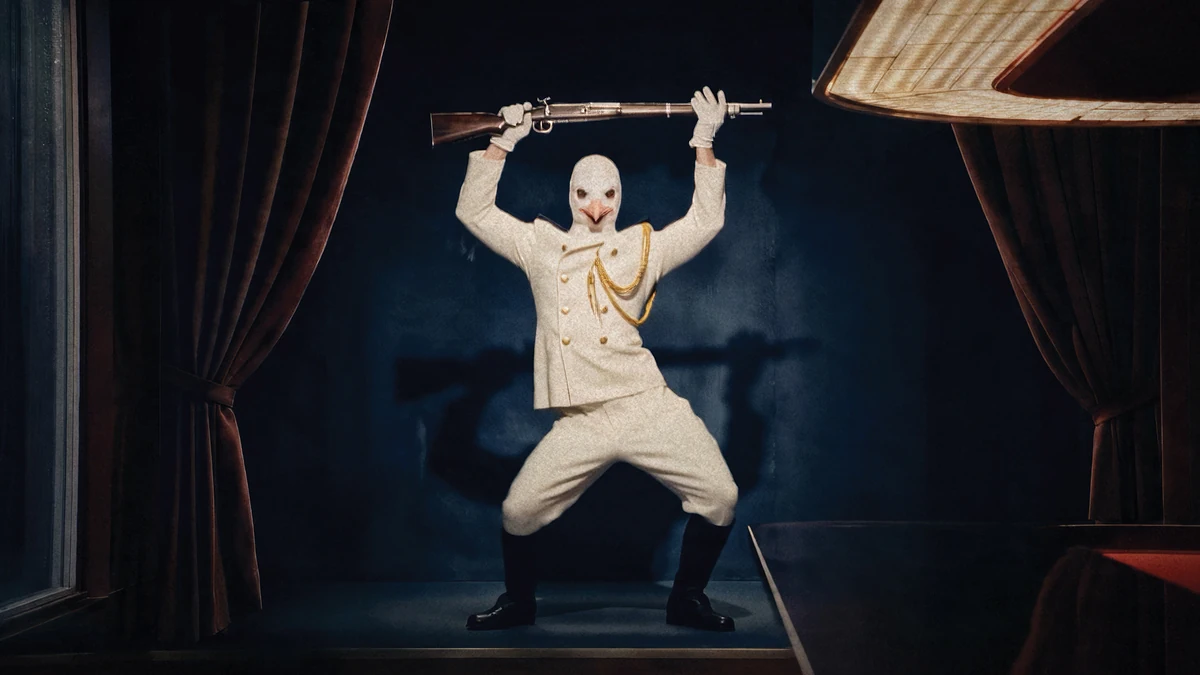
Ladder — Anna Réka Baktay and David Szauder. The duo builds contrasting black-and-white worlds around the scene, starting with imagination, visual planning and a storyboard before creating AI images.
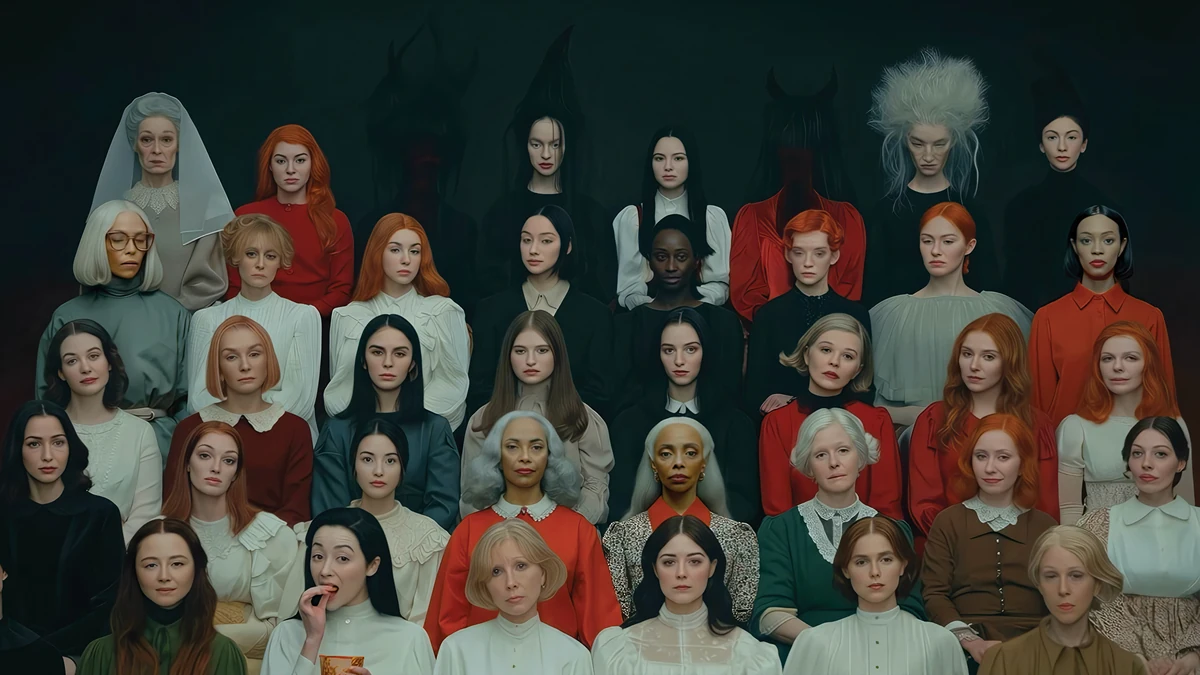
The Regular — Veronika Pell (MindEye). The bartender becomes a woman, while a female presence watches the protagonist, turning the confrontation into a more inward-looking, almost theatrical experience.
Something Came Over Me — REO. Black-and-white noir gives way to the surreal. When AI failed to render a convincing punch, the filmmaker found a different cinematic way to show the action’s aftermath.
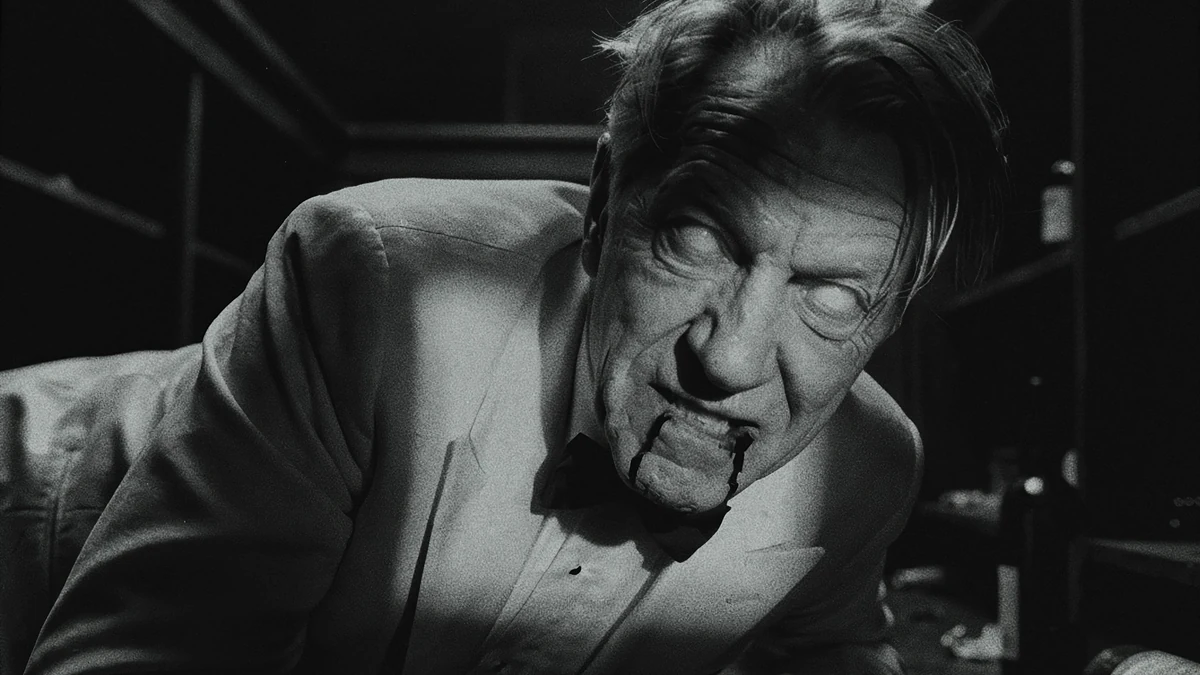
Scoria — Infrarouge. Rain, cold light and texture become a language for trauma. Editing, shot duration and the deliberate degradation of images are central to this interpretation.
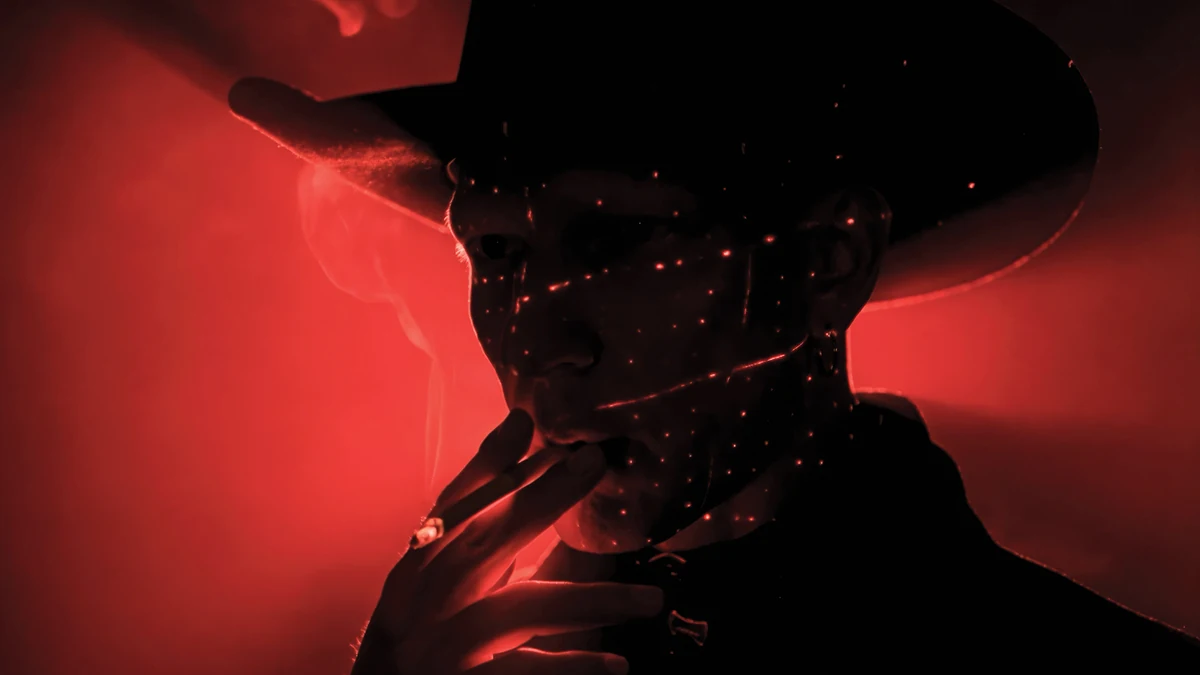
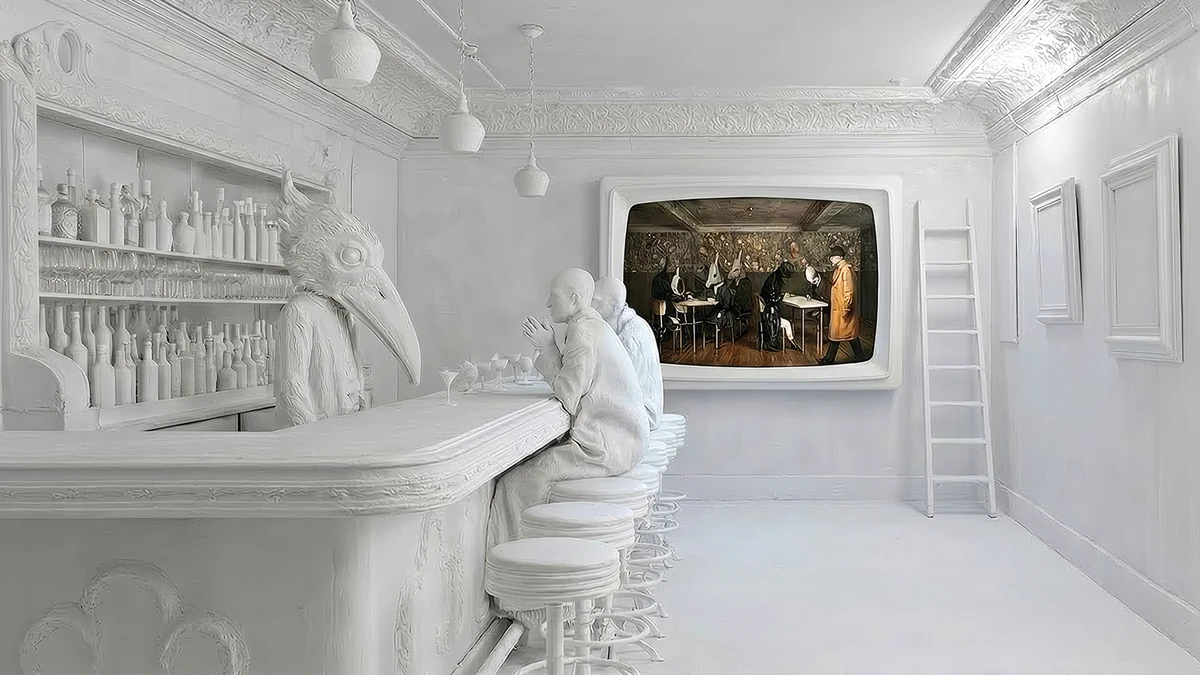
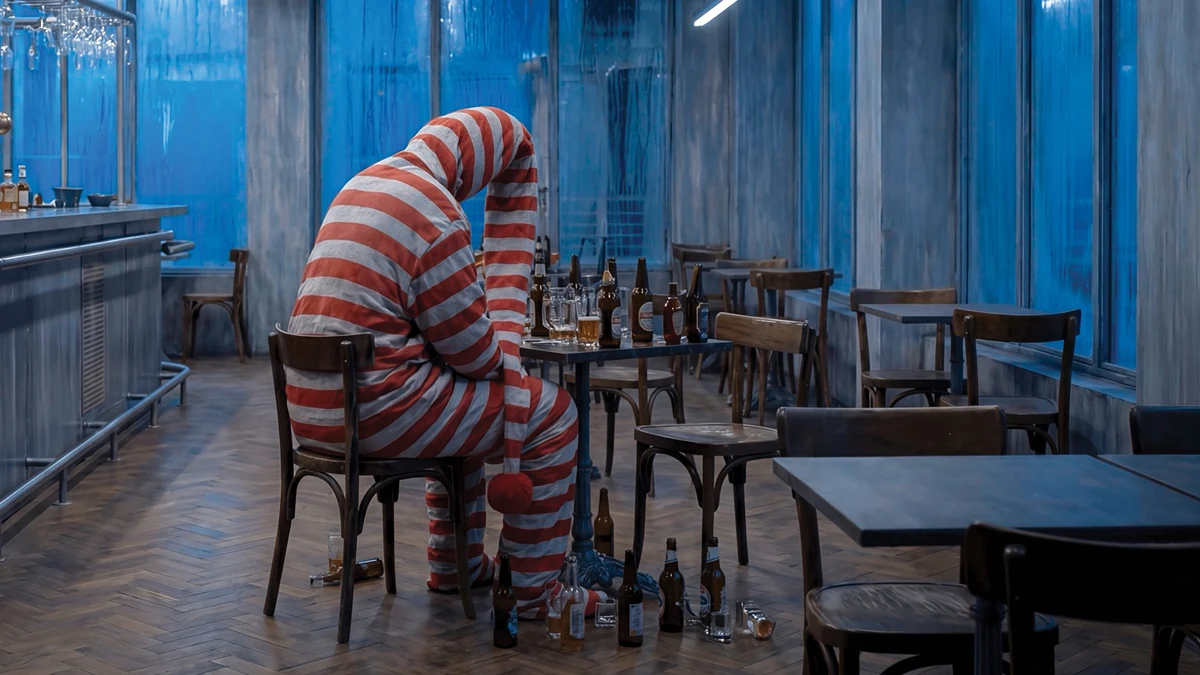
Crow Bar — MikeTeevee VFX & Creative Team. A surreal musical vision unfolds in an afterlife bar: grief becomes a personal rain cloud and Death meets the lieutenant. The production combined AI-generated elements with hands-on assembly in Photoshop, After Effects and Premiere.
A wheel decided which film you would see
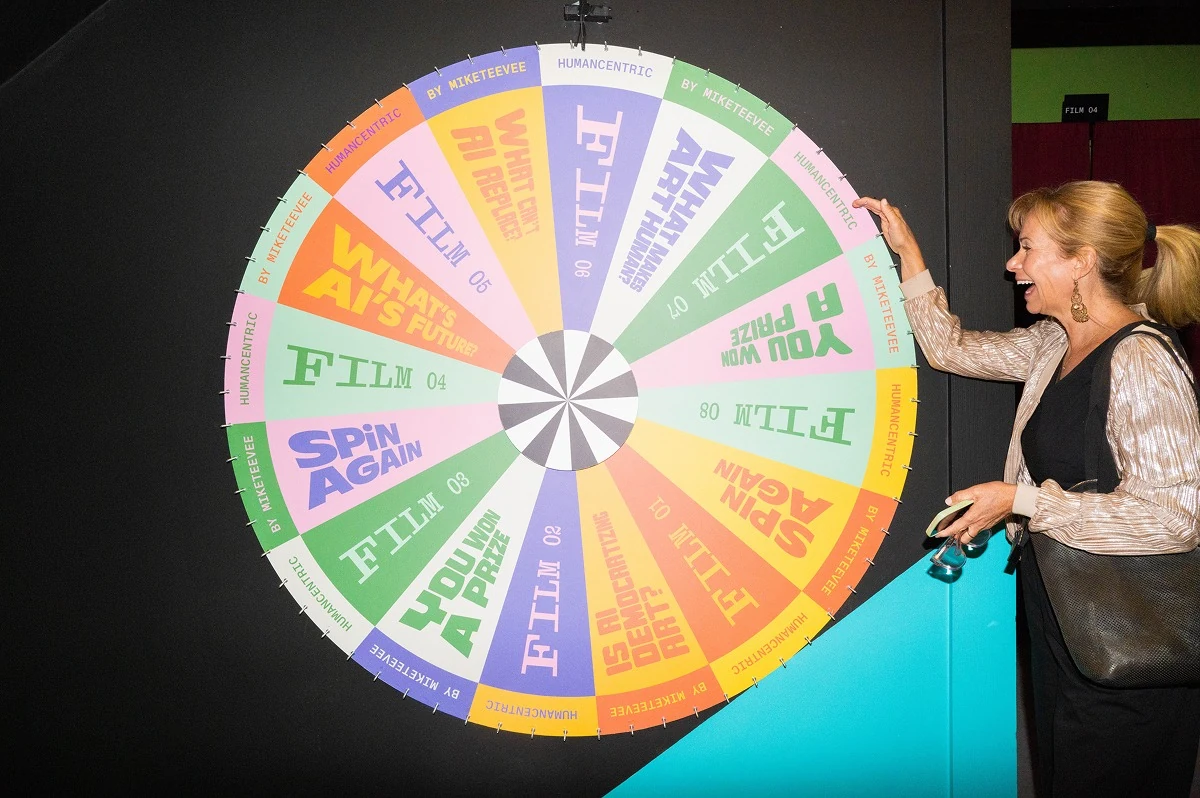
HUMANCENTRIC’s first presentation was part of the experiment itself. Visitors spun a colourful wheel that selected one of the eight films, then entered a curtained booth to watch it alone. MikeTeevee called the experience the “ninth interpretation”: the audience’s choice shaped its encounter with the story.
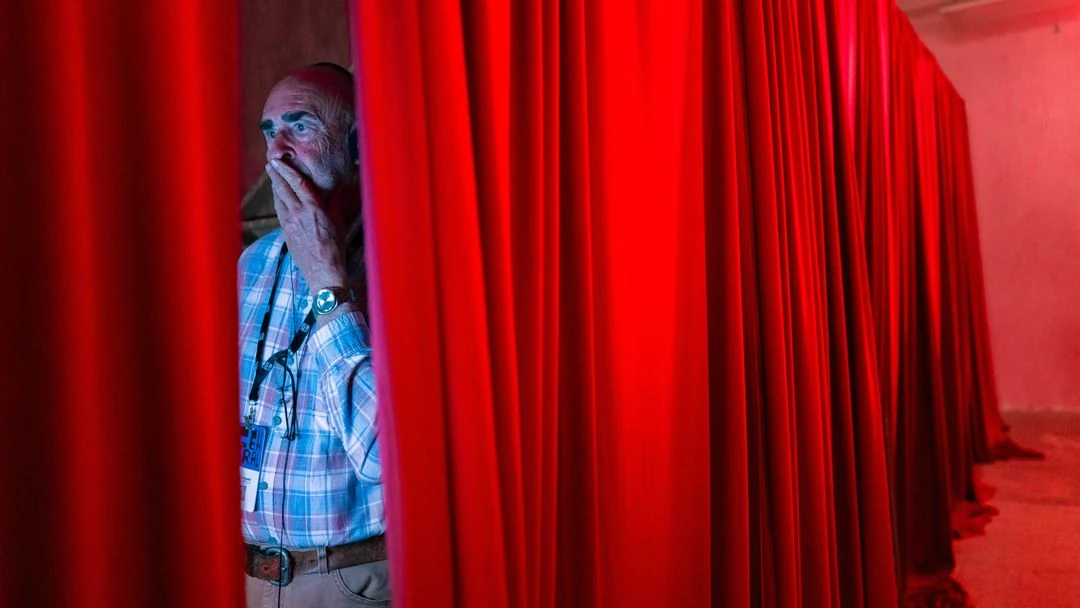
Human decisions behind AI-generated images
The differences go beyond colour or visual style. Some filmmakers gave the characters a past, others deliberately left the mystery unresolved, and others changed the genre altogether. The shared script therefore becomes a reference point for comparing storytelling choices, not the speed of AI models.
The project sits alongside the rise of AI filmmaking tools such as Flow and the arrival of AI-assisted films in cinemas. HUMANCENTRIC asks a different question: how much does a story change when the tools and the written scene are shared, but the people making the images are not?
All eight films are listed on the official HUMANCENTRIC website, with an individual entry for each creator.
What we think
What makes this experiment compelling is that nobody can explain away the differences by pointing to different scripts. The lines are identical. What changes is the decision about what happened before the scene, where the camera looks and how long an image stays on screen. Those are directorial choices.
For filmmakers, the comparison has a practical lesson: a prompt can produce a striking shot, but it cannot decide whether that shot serves the scene. REO’s workaround when an AI punch looked wrong, and MikeTeevee’s extensive manual assembly, show how much work still lies in editing and judgement.
That does not resolve the rights, labour or training-data questions surrounding generative AI. It does give us something concrete to discuss while looking at finished films: access to the same technology does not necessarily produce the same cinematic vision.