

Summary
- He died in Paris on 15 September 2026 at the age of 85.
- The Battle of Chile documented the events leading to the 1973 coup.
- His later landscape trilogy connected memory, history and geography.
- In 2023 he received Chile’s National Award for Arts and Audiovisual Representation.
- From Santiago to Madrid and back to Chile
- The Battle of Chile: history unfolding in front of the camera
- Arrest, the National Stadium and the loss of Jorge Müller
- Exile as the permanent backdrop to his filmography
- Chile, Obstinate Memory: returning to a changed country
- Pinochet and Salvador Allende in his later work
- Nostalgia for the Light: the Atacama looks towards the universe and the past
- The Pearl Button: water as an archive
- The Cordillera of Dreams: the Andes as the spine of memory
- My Imaginary Country: back in the streets half a century later
- A filmography in which the camera becomes a mechanism of memory
- International recognition and honours in Chile
- His death in Paris
- What we think
- Frequently asked questions
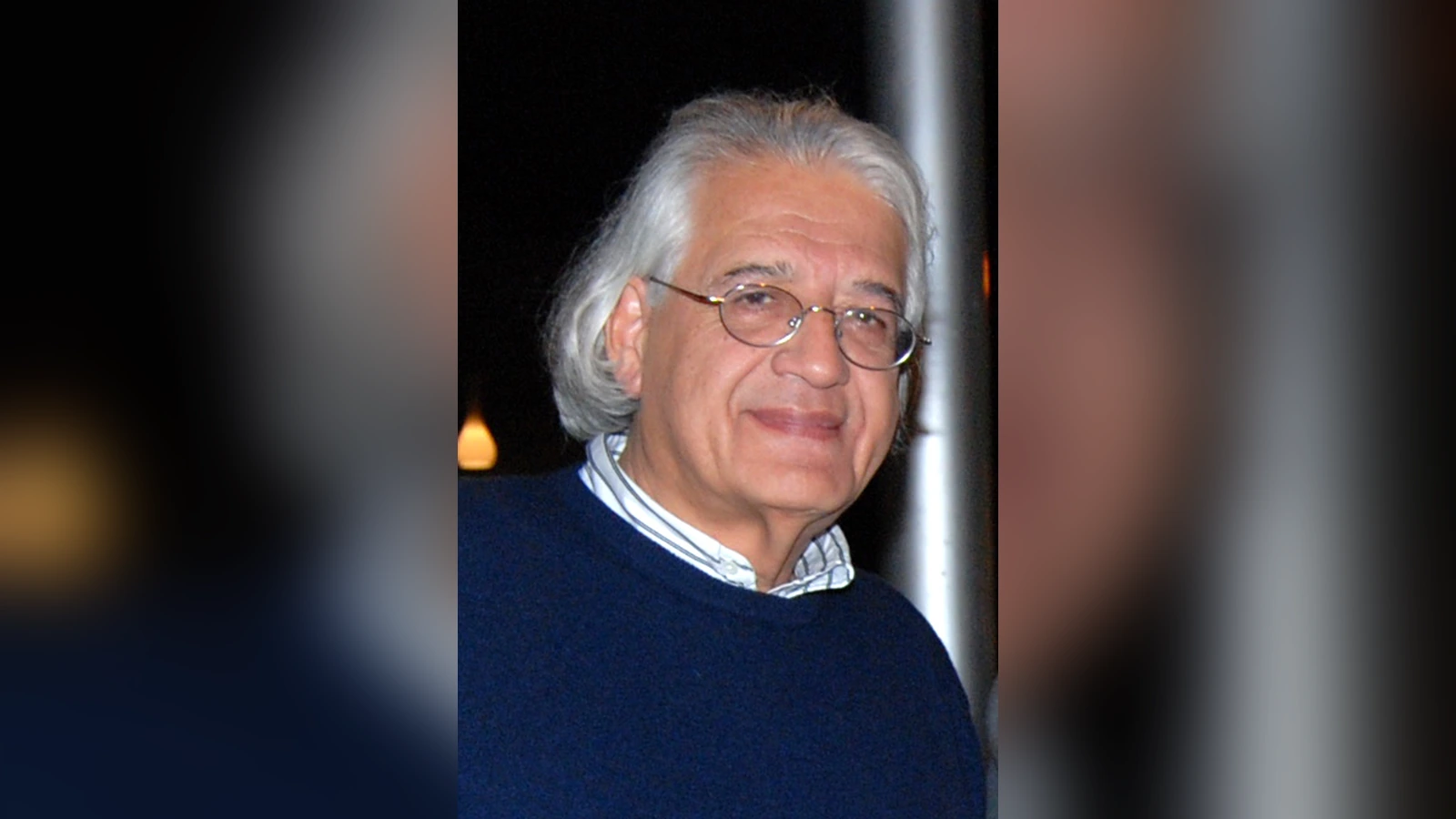
Patricio Guzmán, one of the most important figures in international documentary cinema and the director of the monumental trilogy The Battle of Chile, died in Paris on 15 September 2026 at the age of 85.
For more than half a century, the Chilean filmmaker repeatedly returned to memory, history, exile, loss and the relationship between a country and what it chooses to remember or forget. From the urgent filming of the events of 1973 to the poetic essay films of his later career, he created one of the most coherent bodies of work in modern documentary cinema.
From Santiago to Madrid and back to Chile
Patricio Guzmán was born in Santiago on 11 August 1941. He studied filmmaking in Chile and later at Madrid’s Escuela Oficial de Cinematografía, graduating in 1970. He returned to Chile the following year, during a period of profound social and political change.
The First Year (1972) documented the first twelve months of Salvador Allende’s government. The film caught the attention of French filmmaker Chris Marker, who helped bring it to audiences in France. That relationship proved decisive for Guzmán’s next and most historic project.
The Battle of Chile: history unfolding in front of the camera
The Battle of Chile: The Struggle of an Unarmed People was conceived as the country’s political crisis intensified. Guzmán and a small crew filmed demonstrations, strikes, political confrontations and workers’ organisations for months, continuing until the military coup of 11 September 1973.
According to Guzmán, Chris Marker secured 44,000 feet of black-and-white 16mm stock and 134 sound reels for the production. The five-person crew included cameraman Jorge Müller, sound engineer Bernardo Menz, production manager Federico Elton, assistant director José Bartolomé and Guzmán as writer-director. Pedro Chaskel later joined as editor.
The trilogy consists of The Insurrection of the Bourgeoisie, The Coup d’État and The Power of the People. It was not a retrospective reconstruction but a record made while the events themselves were unfolding.
Arrest, the National Stadium and the loss of Jorge Müller
After the coup, Guzmán was arrested and held for around two weeks in Santiago’s National Stadium, which had been turned into a mass detention centre. After his release, he left Chile with the filmed material.
Cinematographer Jorge Müller Silva was arrested in November 1974 by the dictatorship’s security forces and his fate remains unknown. Guzmán dedicated The Battle of Chile to his collaborator.
The trilogy was edited outside Chile with substantial support from ICAIC in Cuba. Guzmán later said the entire process, from filming to completion, lasted seven years.
Exile as the permanent backdrop to his filmography
Guzmán lived outside Chile for many years before settling in France. Physical distance never removed Chile from the centre of his work; instead, memory and exile increasingly shaped his films.
His cinema gradually moved from immediate political observation towards a more personal and reflective documentary form, in which history survives through people, places, objects, family memories and landscapes.
Chile, Obstinate Memory: returning to a changed country
In Chile, Obstinate Memory (1997), Guzmán returned home and screened The Battle of Chile for people who had lived through the events as well as younger Chileans. His earlier footage became a mechanism for recovering and confronting memory.
During the same period he also helped establish FIDOCS, the Santiago International Documentary Festival, which became an important meeting point for documentary cinema in Latin America.
Pinochet and Salvador Allende in his later work
The Pinochet Case (2001) examined the legal process following Augusto Pinochet’s 1998 arrest in London and the efforts by victims and relatives to seek judicial accountability.
In Salvador Allende (2004), Guzmán returned to the president who had shaped both his youth and his filmmaking. The film combines archive material, personal memories and testimony to explore how Allende remained present in Chile’s collective memory.
Nostalgia for the Light: the Atacama looks towards the universe and the past
With Nostalgia for the Light (2010), Guzmán entered a new phase. In the Atacama Desert, he connected astronomy, archaeology and memory: while telescopes search ancient starlight for the history of the universe, relatives of people who disappeared during the dictatorship search the ground for human remains.
The film screened at Cannes and won European Documentary at the 2010 European Film Awards. It also began an informal trilogy in which Chile’s geography becomes a carrier of historical memory.
The Pearl Button: water as an archive
The Pearl Button (2015) moved from the desert to water and Patagonia. Guzmán connected the history of Indigenous peoples with Chile’s more recent history and used the ocean as the film’s central metaphor for memory.
The film won the Silver Bear for Best Script at the 65th Berlin International Film Festival. Kino Lorber hosts an official trailer, but no verified official YouTube upload from the distributor was found, so no YouTube embed has been added here.
The Cordillera of Dreams: the Andes as the spine of memory
The landscape trilogy concluded with The Cordillera of Dreams (2019), turning to the Andes as a way of revisiting Chile’s history, Guzmán’s experience of exile and the images that preserve the past.
The film screened at Cannes in 2019 and won the L’Œil d’or for best documentary. In 2022 it also received the Goya Award for Best Ibero-American Film.
My Imaginary Country: back in the streets half a century later
In My Imaginary Country (2022), Guzmán returned to the streets of Santiago to document the mass demonstrations that began in 2019. Roughly fifty years after The Battle of Chile, he was again filming a society undergoing intense change.
The film was presented at the 2022 Cannes Film Festival and became his final feature-length documentary.
A filmography in which the camera becomes a mechanism of memory
Guzmán’s work goes beyond recording political events. In his films, the camera often becomes a mechanism of memory: an image from 1973 can return decades later, be shown to a survivor or a younger viewer, and acquire a different meaning.
The contrast between The Battle of Chile and the later landscape trilogy is central to his career. In the first, filmmaking races to capture history while it is happening. In the second, the director studies the traces history has left behind.
International recognition and honours in Chile
Guzmán received major international honours throughout his career. Nostalgia for the Light won European Documentary in 2010, The Pearl Button received the Silver Bear for Best Script at the Berlinale in 2015, and The Cordillera of Dreams won the L’Œil d’or at Cannes in 2019 and the Goya Award for Best Ibero-American Film in 2022.
In 2023 Chile awarded him the National Award for Arts and Audiovisual Representation. That same year, the National Film Archive of Chile hosted the world premiere of restored versions of The First Year and The Battle of Chile.
His death in Paris
Patricio Guzmán died in a Paris hospital on 15 September 2026. He was 85. His death was confirmed by Chilean film institutions and Chile’s Ministry of Cultures, while Chilean media reported that he died after cardiorespiratory arrest.
What we think
Guzmán’s legacy lies in the persistence with which he revisited the same historical wounds without repeating the same cinematic form. From the urgent observational filmmaking of the 1970s to his mature poetic essays, he demonstrated how documentary cinema can function simultaneously as testimony, investigation, archive and personal inquiry.
Frequently asked questions
When did Patricio Guzmán die?
He died in Paris on 15 September 2026 at the age of 85.
What is his most important work?
The Battle of Chile is the trilogy that established Guzmán internationally and remains a central work in his filmography.
Who was Jorge Müller?
He was the cinematographer and cameraman on The Battle of Chile. He was arrested in 1974 and his fate remains unknown.
Which films form his landscape trilogy?
Nostalgia for the Light (2010), The Pearl Button (2015) and The Cordillera of Dreams (2019).
What was his final feature documentary?
My Imaginary Country (2022), presented at the Cannes Film Festival.