Summary
- A BFMTV crew was assaulted in Lyon on November 14, 2026.
- A cameraman was beaten and his camera was taken.
- Reporter Noémie Wira described the threats and his time in emergency care.
- Lyon prosecutors are investigating the violence and theft.
A BFMTV cameraman was beaten while covering a protest in Lyon, France, and his camera was smashed and stolen during the attack.
The assault took place on Saturday, November 14, 2026, near Avenue Berthelot. The news crew was documenting the demonstration when a group of individuals turned on them. The team included two journalists and two security personnel.
Reporter Noémie Wira, who was present, described the attack in a public open letter the following day. Her account shows how dangerous the situation became for the crew.
Beaten on the ground, then robbed of his camera
According to Wira, the cameraman was violently knocked to the ground and repeatedly struck. She said some of the attackers shouted “Burn him!” before taking his camera. The cameraman spent approximately five hours in an emergency department, she said. Detailed medical information about his injuries has not been released.
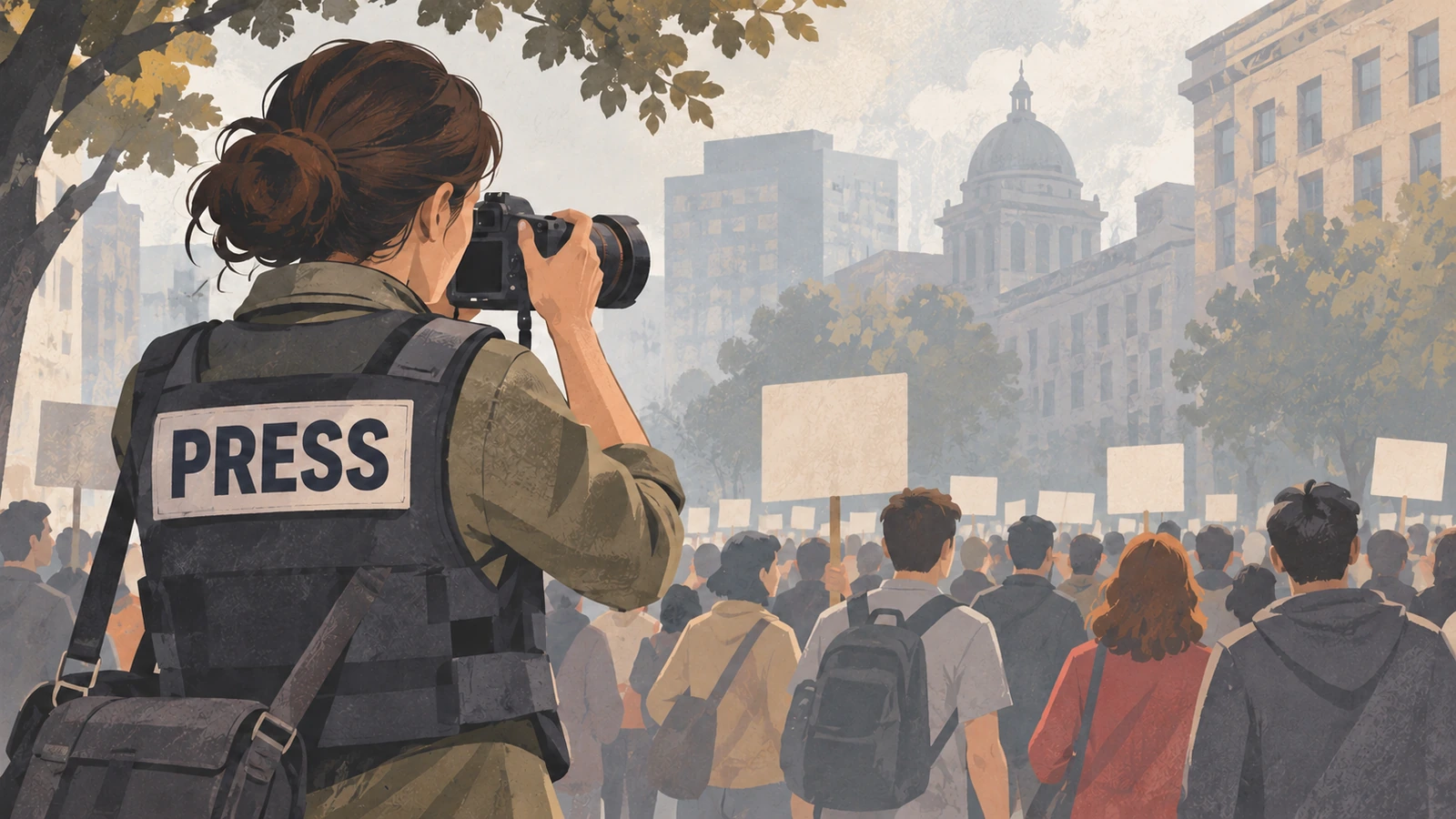
An independent journalist who witnessed the assault said the camera was thrown onto the ground, broken and then taken. He also said he removed his PRESS identification because he feared being targeted himself. Police intervened to protect the television crew.
Prosecutors open an investigation
Lyon prosecutors opened an investigation into intentional group violence by people whose faces were concealed, as well as damage to private property. After a complaint was filed, the investigation was expanded to include the theft of the camera by a group. The investigation is ongoing; it is not a judicial finding that any particular individual is responsible.
Prefect Étienne Guyot publicly condemned the attacks against journalists, stressing the importance of press freedom and the right to inform. Tensions at a demonstration neither explain away nor justify violence against people documenting events.
The camera should not make anyone a target
The Lyon assault raises urgent questions about the safety of people recording difficult events. In Greece, an attack on a MEGA television crew in Siviri also involved threats, physical violence and the taking of equipment. The circumstances differ, but both cases show how carrying a camera can make a journalist a target.
Danger can also come from very different perpetrators: in Paris, a photographer injured by a police grenade became the subject of a separate prosecution investigation. These are not the same case, yet both highlight the vulnerability of photographers and filmmakers covering public events.
What we think
Anyone who has filmed a street demonstration knows how quickly a situation can change. But this went far beyond a difficult assignment: a cameraman was beaten while on the ground and lost the equipment he relied on to do his job. This was an attack on someone documenting events.
People have every right to challenge the reporting of any news outlet, including harshly. That does not give anyone the right to beat a photographer or camera operator. When a journalist who witnessed the attack feels compelled to remove his PRESS badge to avoid becoming a target, the ability to document what happens in public is in serious trouble.
News crews need meaningful protection, credible investigations and accountability for those responsible. A demonstration must be reportable regardless of which news organization the person behind the camera represents.