Summary
- Adam Mosseri says Instagram is challenging to adapt to the iPhone Duo.
- The foldable has a 7.6-inch inner screen that changes how content and controls are displayed.
- An adapted Instagram app already exists, but interface challenges remain.
- For creators, accurate Reels and Stories previews are essential.
Instagram head Adam Mosseri says Apple’s foldable iPhone Duo presents a challenging design problem, even after the platform released an adapted version of its app.
In a Threads post on November 16, Mosseri said he has used a foldable smartphone as his daily driver for about a year and is looking forward to trying the Duo. Yet the more he studies its design, the harder he expects it to be to create an Instagram experience that genuinely feels good on the device.
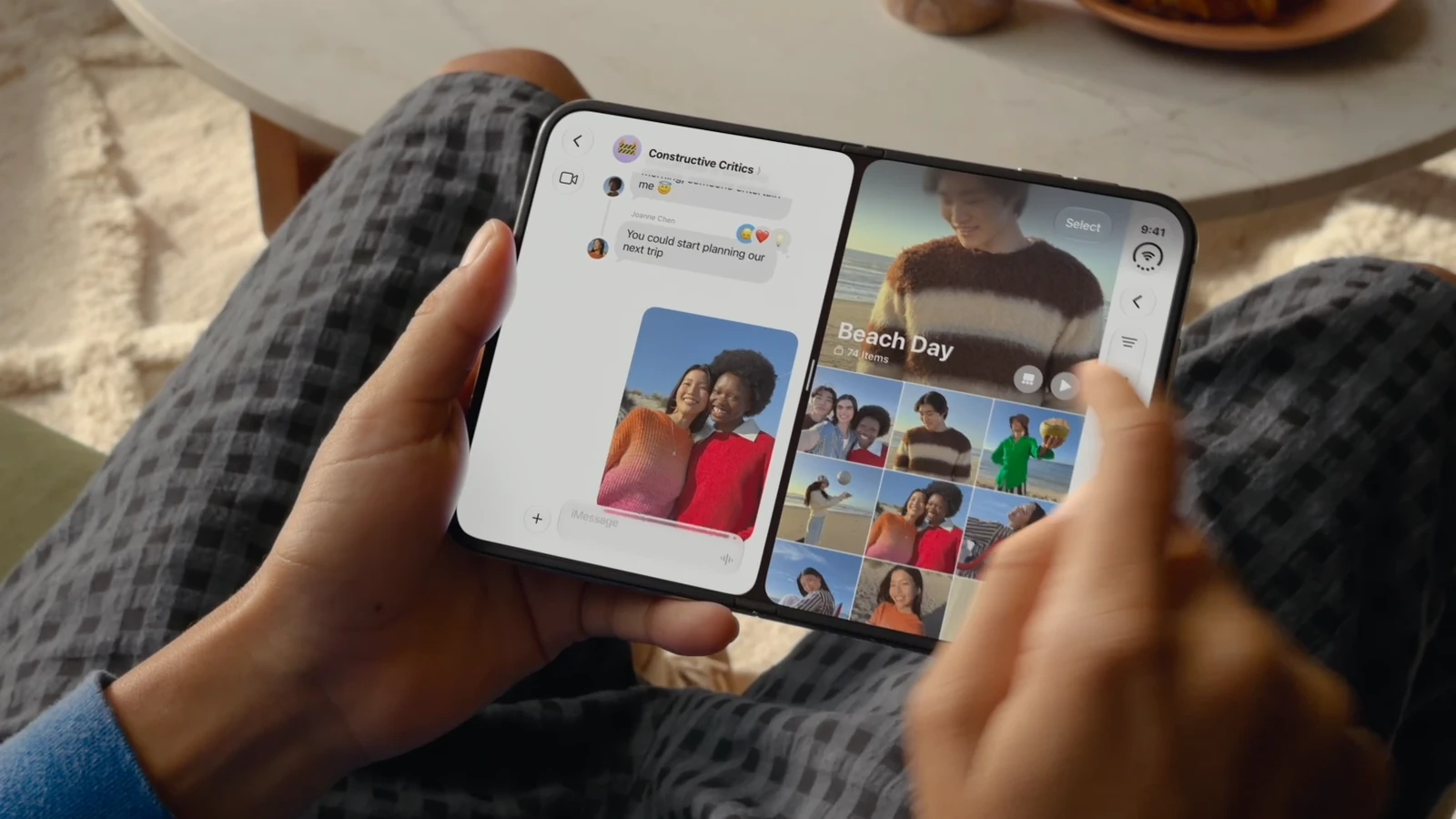
Apple’s first foldable iPhone has a 7.6-inch inner display and a 5.4-inch outer display. Its different aspect ratios and transitions between folded and unfolded modes change the available space for photos, videos and controls.
Why Instagram is difficult to adapt
Instagram is built around vertical navigation and media that takes up much of the screen. On the Duo, side-mounted controls, the wider inner display and varying aspect ratios create interface conflicts. Simply enlarging a Reel or Story can compromise what remains visible and how easily people can reach the controls.
Users have already described cases of Instagram controls overlapping or obscuring content. For creators publishing Stories and Reels, that is more than a cosmetic problem: it can make framing, captions and edge-positioned elements harder to judge.
An adapted app already exists
Instagram has offered an iPhone Duo-specific app since October and continues to refine it. More recent changes include placing comments beside Reels on the open display, providing wider columns for messages and notifications, and retaining familiar layouts on the folded screen. That an adapted version exists does not mean every interface issue has been resolved.
Apple designed iOS 27 to let apps adapt their layouts as the device opens and closes. Even so, media platforms built around particular aspect ratios still have to decide where controls go, how much content stays visible and how editing should work.
What it means for photographers and filmmakers
In the comparison between the Duo and the iPhone 18 Pro models for creators, the larger display is a major advantage for reviewing, editing and publishing content from one device. That advantage matters less when the publishing app cannot make effective use of the available space.
For anyone preparing 9:16 vertical material, dependable previews are essential. Titles, subtitles, stickers and safe areas should stay predictable before publishing, whether the phone is folded or open.
What we think
A foldable screen this large could be excellent for selecting photos, cutting short videos and preparing posts without reaching for a laptop. But that benefit diminishes quickly when the controls cover a Story just as you are ready to publish it.
Instagram does not need to fill every inch of the unfolded display with video. It needs to preserve the whole image and use the extra space intelligently for tools, comments and previews. For people who work with framing every day, seeing precisely what their audience will see matters more than a flashy but confusing layout.
It is encouraging that Instagram’s leadership recognizes the challenge. The next step is making those fixes reliable throughout the creation and publishing workflow, rather than merely expanding the app across a bigger screen.