Summary
- LeBron James and LBJ Trademarks sued PlayVision.
- The complaint alleges the Bron app used a synthetic likeness and imitation voice in an advertisement.
- The lawsuit also challenges the app’s name and seeks an injunction and damages.
An AI-generated imitation of LeBron James in a commercial has triggered a lawsuit over the unauthorized use of his identity by sports-betting research app Bron.
The NBA star and LBJ Trademarks filed suit on November 17, 2026, in federal court in New York against PlayVision and its co-founders, Anish Gupta and Marc Zoghby. The dispute concerns both the advertisement and the app’s name.
The advertisement portraying LeBron James
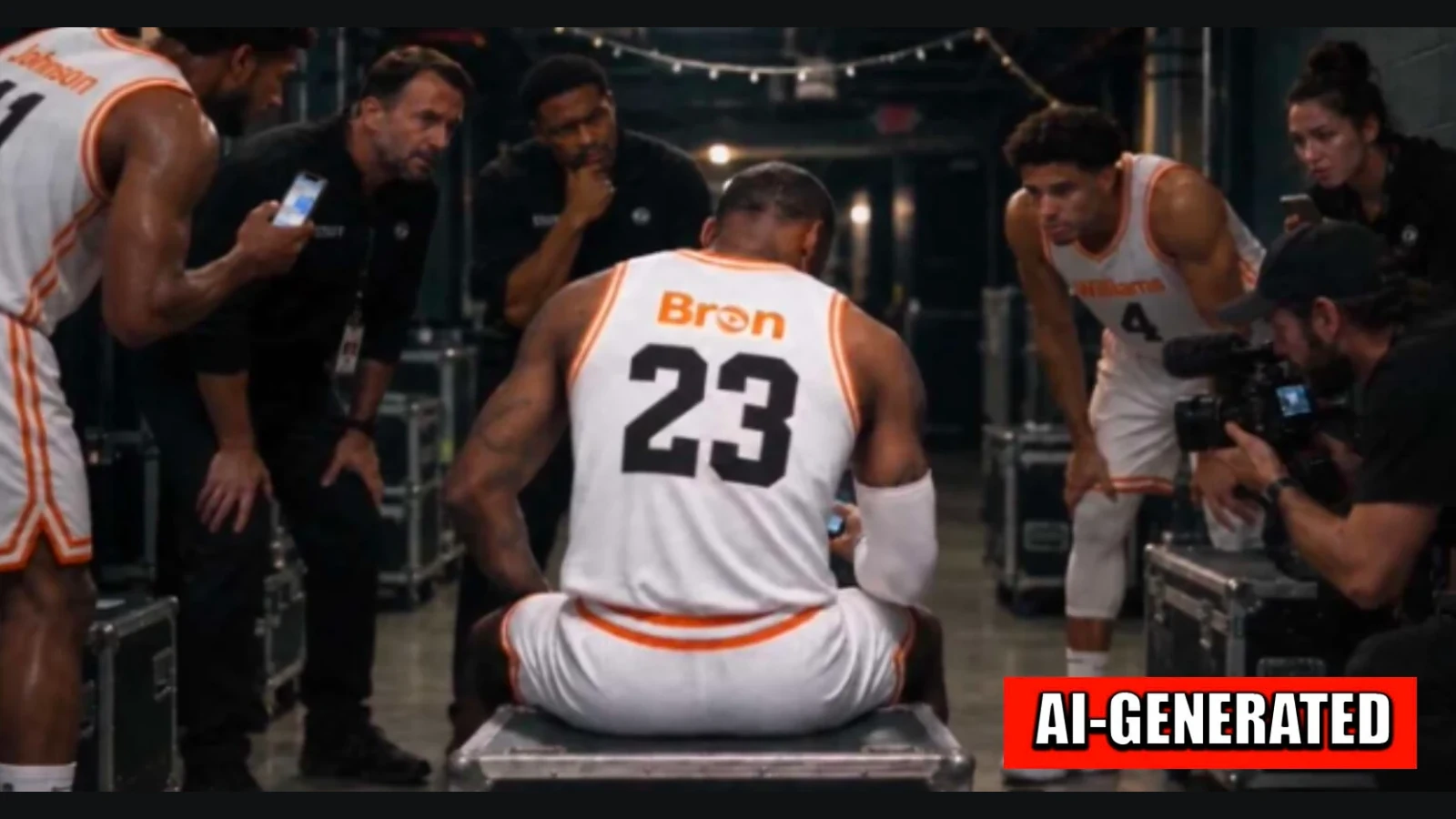
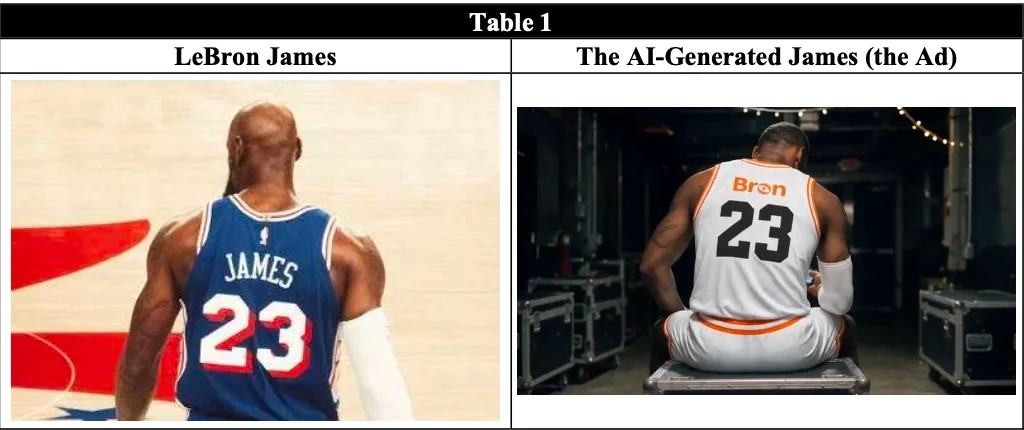
According to the complaint, the video showed an AI-generated figure reproducing the player’s appearance, tattoos and simulated voice. The character wore a white basketball jersey marked “Bron” and number 23 and appeared to browse bets involving other NBA players.
Bron is described as an app for sports analytics, odds comparisons and bet tracking. James argues that the campaign could lead viewers to believe he used or endorsed the service.
The November 5 warning and the lawsuit
James’s attorneys sent a cease-and-desist letter on November 5. The advertisement was taken down, but the complaint alleges it had already spread widely, reaching around one million views in a day. The company referred to a forthcoming name change, which had not been completed by the filing, according to the complaint.
The plaintiffs allege, among other things, trademark infringement, false endorsement and commercial misappropriation of likeness and voice. They seek an injunction against use of his identity and the “Bron” name, together with damages and profits allegedly generated by the campaign.
Why the AI image matters beyond basketball
The dispute is not simply about whether an image looks real. It is about synthetic media being mistaken for genuine commercial consent. The theft of Hunter Bigham’s photos for fake online identities reveals a different aspect of the same problem: someone’s appearance can be used to lend credibility to activity they never approved.
The concern is sharper because the product relates to betting on NBA games. The complaint links the false impression of an athlete’s endorsement to public confidence in the integrity of competition and in players not wagering on the games they play.
What we think
For photographers and filmmakers, the issue feels familiar: someone can take your face, create footage you never shot and make it appear that you are selling something you never agreed to promote. The absence of original camera footage no longer prevents a convincing fake appearance.
In James’s case, the number 23, the name “Bron” and the imitated voice are not incidental visual details. Together they form a recognizable identity. That combination is what gives the advertisement its commercial power and makes consent so important.
There is a practical lesson for anyone producing campaigns with generative AI: being technically able to create a convincing appearance is not permission to present a real person as a brand endorser. The case remains unresolved, but it offers a clear example of the problem facing creators and advertisers.