Summary
- Scammers have used Hunter Bigham’s photographs for more than eight years.
- Investigators identified 177 fake profiles under the name Henry Clerk or Clark alone.
- Victims known to Bigham reported losses of approximately $1.4 million.
- He faced threats despite having no involvement in the scams.
A photograph posted online can become a fraudster’s weapon: Hunter Bigham has spent years watching his face appear in hundreds of fabricated identities linked to romance scams involving millions of dollars.
The Mississippi man is not the person communicating with the victims. Scammers have copied his photographs and portrayed themselves as secret agents, offshore oil rig workers and geologists. The biographies change, but the stolen face remains the same.
177 Facebook accounts using one name and one face
An investigation by the Associated Press and FRONTLINE documents a case stretching back more than eight years. Using just the name Henry Clerk or Clark, investigators identified 177 Facebook accounts with Bigham’s photographs as profile pictures. The invented biographies help the scammers gain the confidence of people seeking companionship.
Bigham has tallied approximately $1.4 million in losses reported by victims who contacted him. This is not a verified total for every scam involving his pictures; it reflects the cases of which he is aware.
When victims pursue the wrong person
The misuse of his image has consequences beyond the internet. Some victims who discovered the actual person depicted in the photographs concluded that Bigham himself had defrauded them. An encounter in Palm Springs, where a woman recognized him on the street, brought home how online deception can intrude into a person’s everyday life.
Another man, who had lost $600,000, threatened Bigham and referred to his son’s career. The man whose pictures were stolen was left facing anger over crimes he did not commit.
Platform accountability and the ease of copying images
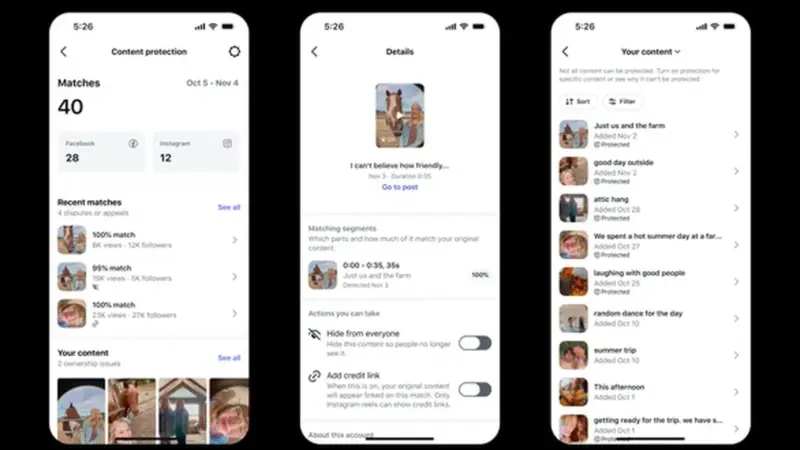
Bigham has repeatedly tried to stop scammers from using his photographs, but new fraudulent profiles continue to appear. Meta said it removed more than 179 million accounts, pages and groups for misrepresenting identity during the first half of 2026. That platform-wide figure does not mean Bigham’s own problem has been resolved.
The issue also matters to the photography community. Fake camera-equipment listings built around reused photographs illustrate a different way images can lend apparent credibility to a scam. In Bigham’s case, the photos were not used to sell a product but to fabricate a relationship.
What we think
The most disturbing part of this story is not simply that scammers copied a collection of photographs. It is that they turned one real person’s appearance into hundreds of convincing fictional lives. When the fraud unravelled, some victims directed their anger at the person who had lost control of his image.
Photographers know how quickly an image can travel once it is posted publicly. But telling people to disappear from the internet is no meaningful answer. Reporting and takedown systems must work better, particularly when the same face is repeatedly used for impersonation.
For anyone getting to know somebody exclusively online, photographs alone are not proof of identity. Reverse-image searches, independent verification and refusing to send money to an unknown person can all help. None of these precautions removes platforms’ responsibility to address impersonation at scale.
Frequently asked questions
Was Hunter Bigham involved in the fraud?
The investigation does not establish that he participated in the scams. Fraudsters used his photographs without his consent.
How much money was lost?
Bigham has compiled reports of approximately $1.4 million in losses from victims who contacted him. That is not a verified comprehensive figure for every possible case.