Summary
- Michio Hoshino died in a brown bear attack in Kamchatka on August 8, 1996.
- In 2026, Fujifilm showcased around 70 works, including previously unseen photographs.
- A major retrospective in Japan runs through January 2027.
- A new photobook focuses exclusively on polar bears.
- What happened on his final assignment
- The photographer who made Alaska his life’s work
- What is happening for the 30th anniversary in 2026
- A new photobook devoted to polar bears
- The supposed “last photograph” that was never his
- Wildlife photography also requires boundaries
- What we think
- Frequently asked questions
Thirty years ago, a brown bear killed Japanese wildlife photographer Michio Hoshino in Kamchatka; in 2026, previously unseen photographs, exhibitions and a new photobook are bringing his remarkable body of work back into focus.
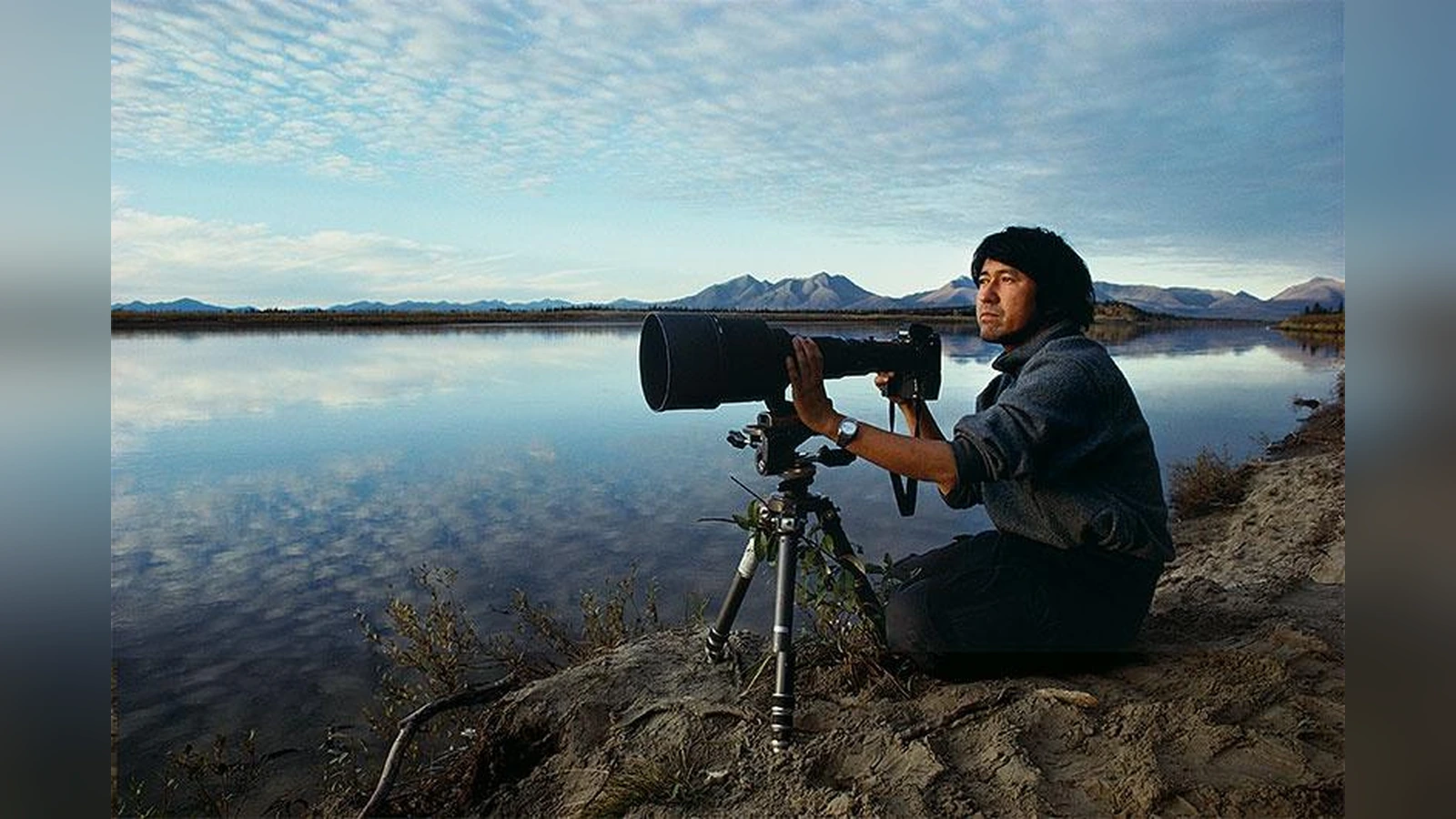
Hoshino devoted his career to Alaska, its wildlife and the people of the Far North. His story is often reduced to the circumstances of his death, but the anniversary offers a far more compelling reason to revisit the photographs he left behind.
What happened on his final assignment
On August 8, 1996, the 43-year-old photographer was near Kurilskoye Lake on Russia’s Kamchatka Peninsula. He had traveled there with a television crew documenting his work among the region’s brown bears. During that trip, he was fatally attacked by a bear.
Accounts of the expedition say the attack took place at night while he slept in a tent near the group’s accommodation. Not every detail subsequently circulated about the circumstances is equally well established; what is firmly documented is the location, date and cause of death.
The photographer who made Alaska his life’s work
Born in Ichikawa, Japan, in 1952, Hoshino was captivated at 19 by an aerial photograph of Shishmaref, an Alaskan village, in a book. He wrote to the village leader asking to visit. The reply changed his life: in 1973, he spent a summer there and later decided to pursue photography.
After working as an assistant to wildlife photographer Kojo Tanaka, he enrolled in wildlife management at the University of Alaska in 1978. His work went well beyond spectacular animal portraits: caribou, bears, whales, Arctic landscapes and Indigenous communities appeared throughout his photography and writing. His photobook “Grizzly” earned an Anima Award in 1986, and his work received the Kimura Ihei Photography Award in 1990.
What is happening for the 30th anniversary in 2026
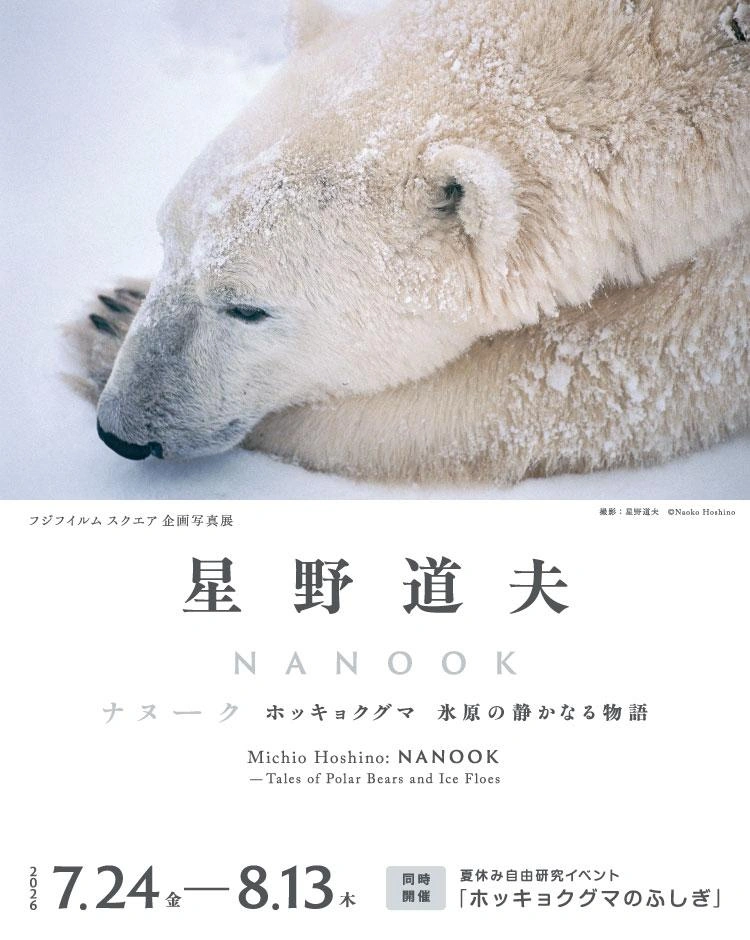
Major exhibitions in Japan marked the anniversary. From July 24 to August 13, Fujifilm Square in Tokyo hosted “NANOOK — Tales of Polar Bears and Ice Floes,” featuring approximately 70 works. The show focused on polar bears, especially mothers and cubs, and presented numerous previously unseen photographs.
Among the discoveries were photographs from film found in 2022 inside a panoramic camera at his Alaska home. The retrospective “The Eternal Journey” also ran in Osaka during the summer and is now at the Nariwa Museum in Okayama from September 12, 2026, to January 31, 2027. It traces his work from his first Alaska trip to the photographs he made in Kamchatka.
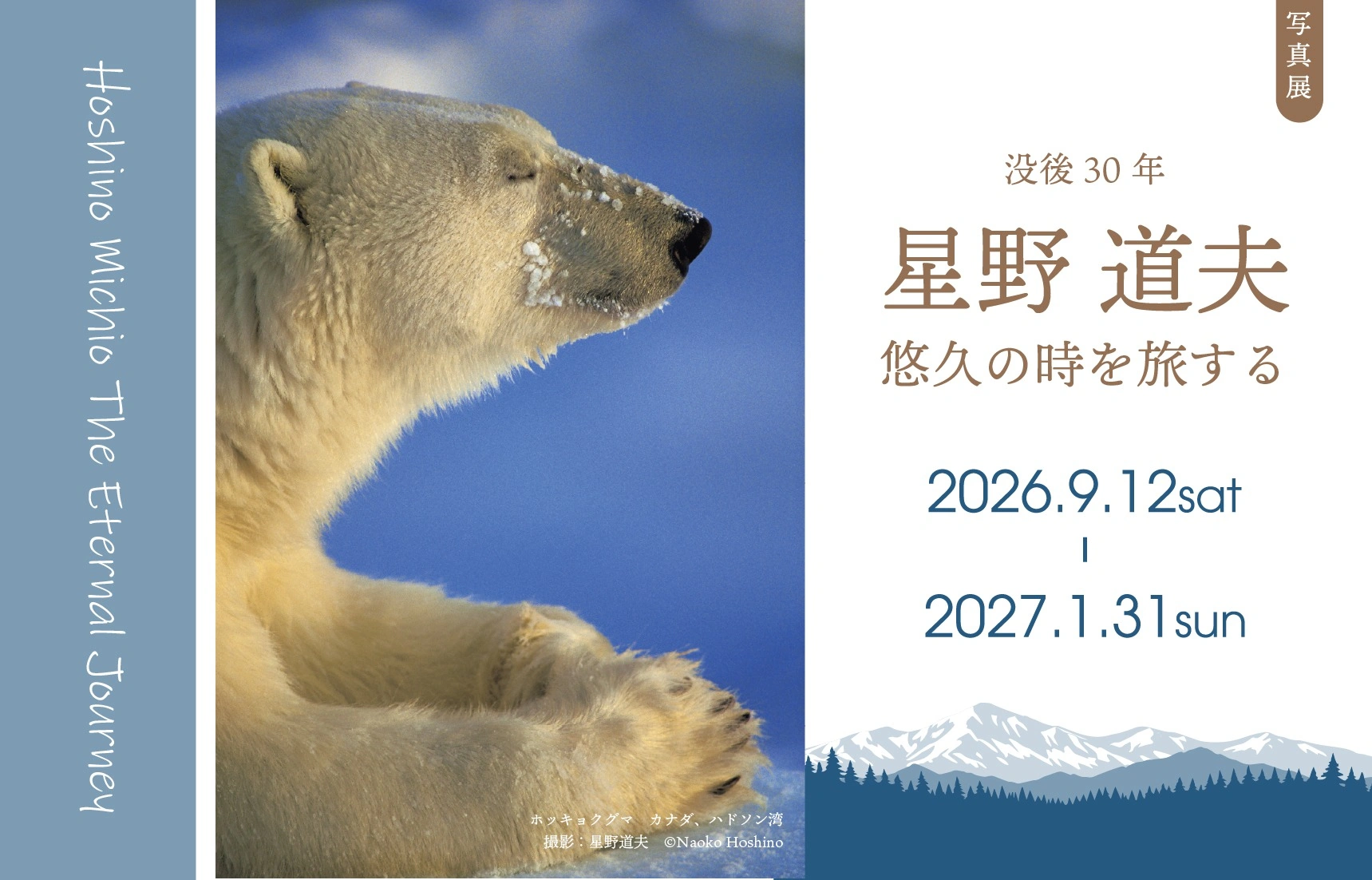
At the Nariwa Museum on September 12, Naoko Hoshino, who oversees his photographic archive, spoke about the landscapes he followed. A nature workshop is also scheduled there for November 23, 2026. Visiting hours and the event program are available on the museum’s official exhibition page.
A new photobook devoted to polar bears
To mark the anniversary, publisher Crevis released “NANOOK — Tales of Polar Bears and Ice Floes,” the first Michio Hoshino photobook devoted exclusively to polar bears. The 144-page publication includes previously unpublished images and offers a fresh look at how he approached one of Arctic wildlife photography’s most demanding subjects.
More information here.
The supposed “last photograph” that was never his
For years, an image of a bear entering a tent has circulated online as Hoshino’s alleged final photograph before the attack. In fact, it was created for a Photoshop editing contest in 2009, thirteen years after his death. It is neither authentic documentation of the event nor a photograph made by Hoshino.
Wildlife photography also requires boundaries
The tragedy is a reminder that experience with wildlife cannot eliminate risk. Safety involves thoughtful camp placement, secure food storage, knowledge of bear behavior, experienced guides and respect for local regulations. In a separate bear encounter involving a photographer in Canada, the photographer carried bear spray and prioritized getting to safety rather than chasing another frame.
What we think
If the only thing we remember is that a bear killed a photographer, we miss almost the entire story. Hoshino spent years alongside the people and animals of the North and achieved something rare in wildlife photography: he documented not only extraordinary encounters, but time, patience and a lasting connection with a place.
The most affecting part of this anniversary is the work recovered from the archive. Imagine finding film in 2022 inside the camera of someone who died in 1996, then seeing those pictures reach a new audience thirty years after his death. That has far more meaning than another viral retelling focused solely on his final moments.
Wildlife photography takes patience, but it also takes clear limits. No frame is worth ignoring safety guidance or pressuring a wild animal to come closer. The best way to honor Hoshino is to look carefully at his photographs — and to approach the natural world with the caution it deserves.
Frequently asked questions
Where can visitors see the anniversary exhibition?
“The Eternal Journey” is on display at the Nariwa Museum in Okayama from September 12, 2026, through January 31, 2027. Visitors should check the museum’s official schedule for opening days and closures.
Is the picture of a bear entering a tent genuine?
No. Although widely shared as Hoshino’s final frame, the picture came from a Photoshop contest in 2009 and does not document the fatal 1996 attack.