

Summary
- Seventeen-year-old Maksym Breus won the Norfolk Wildlife Trust competition
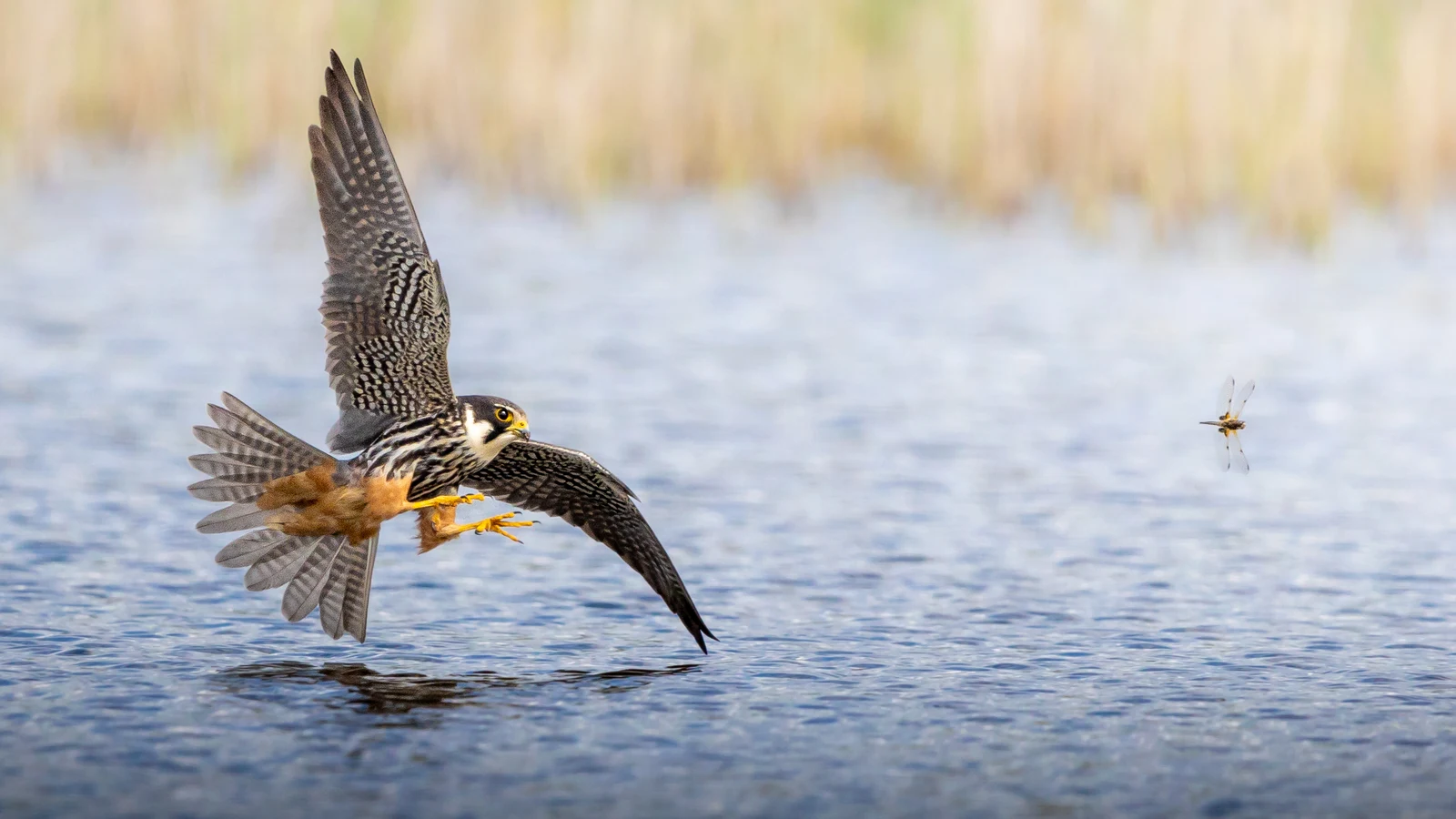
- His image shows a hobby chasing a dragonfly over water
- Breus spent three years and more than 200 hours trying to capture the behavior
- The competition received more than 1,200 images
- Tia Pardon and Clifford Wicker won the young person and mobile phone categories
Seventeen-year-old Maksym Breus has won the Norfolk Wildlife Trust nature photography competition with a frame that required three years of attempts and more than 200 hours of observation.
The winning photograph, “Hobby chasing a dragonfly,” shows a Eurasian hobby pursuing a dragonfly low over the water at Redgrave and Lopham Fen. Breus repeatedly returned to the site, waiting for this behavior and learning when it might appear in his viewfinder.
The story matters because the image looks like a lucky fraction of a second. The decisive moment was brief, but the ability to anticipate and capture it was built through hundreds of hours in the field. That is the difference between chance and sustained photographic work.
More than 1,200 images and a public vote
The competition received more than 1,200 entries in June and July, covering Norfolk wildlife and landscapes. Twelve images were selected for the charity’s 2027 calendar, and the overall winner was chosen through a public vote in late August.
ZEISS provided the overall prize, while other category winners received John Lewis Norwich vouchers. The result had been announced in late August even though Breus’s story gained renewed attention in early September.
The young person category winner
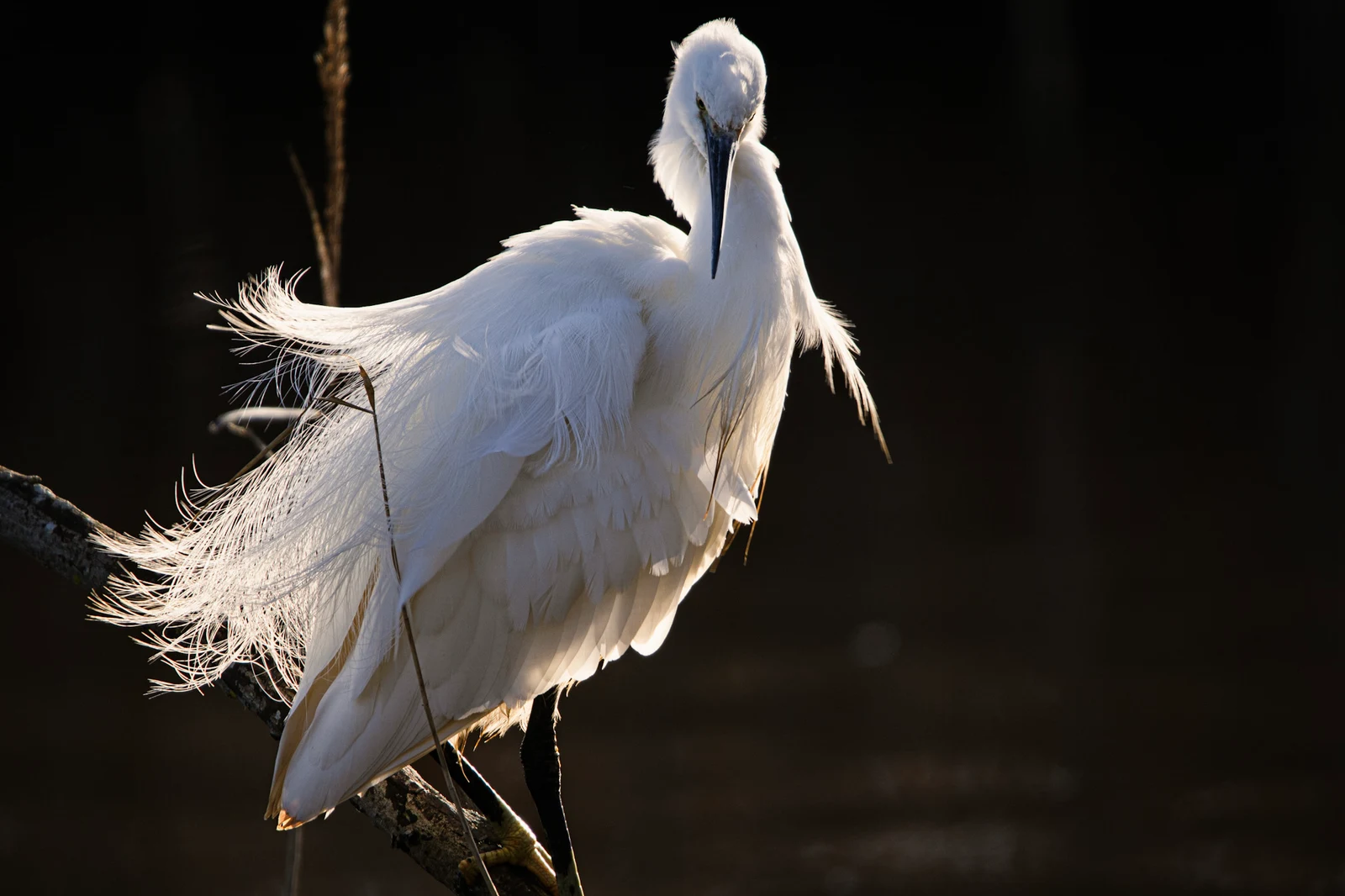
Sixteen-year-old Tia Pardon won the young person category with a little egret at NWT Hickling Broad. Backlighting creates a bright rim around the bird’s feathers against a dark background.
The mobile phone winner
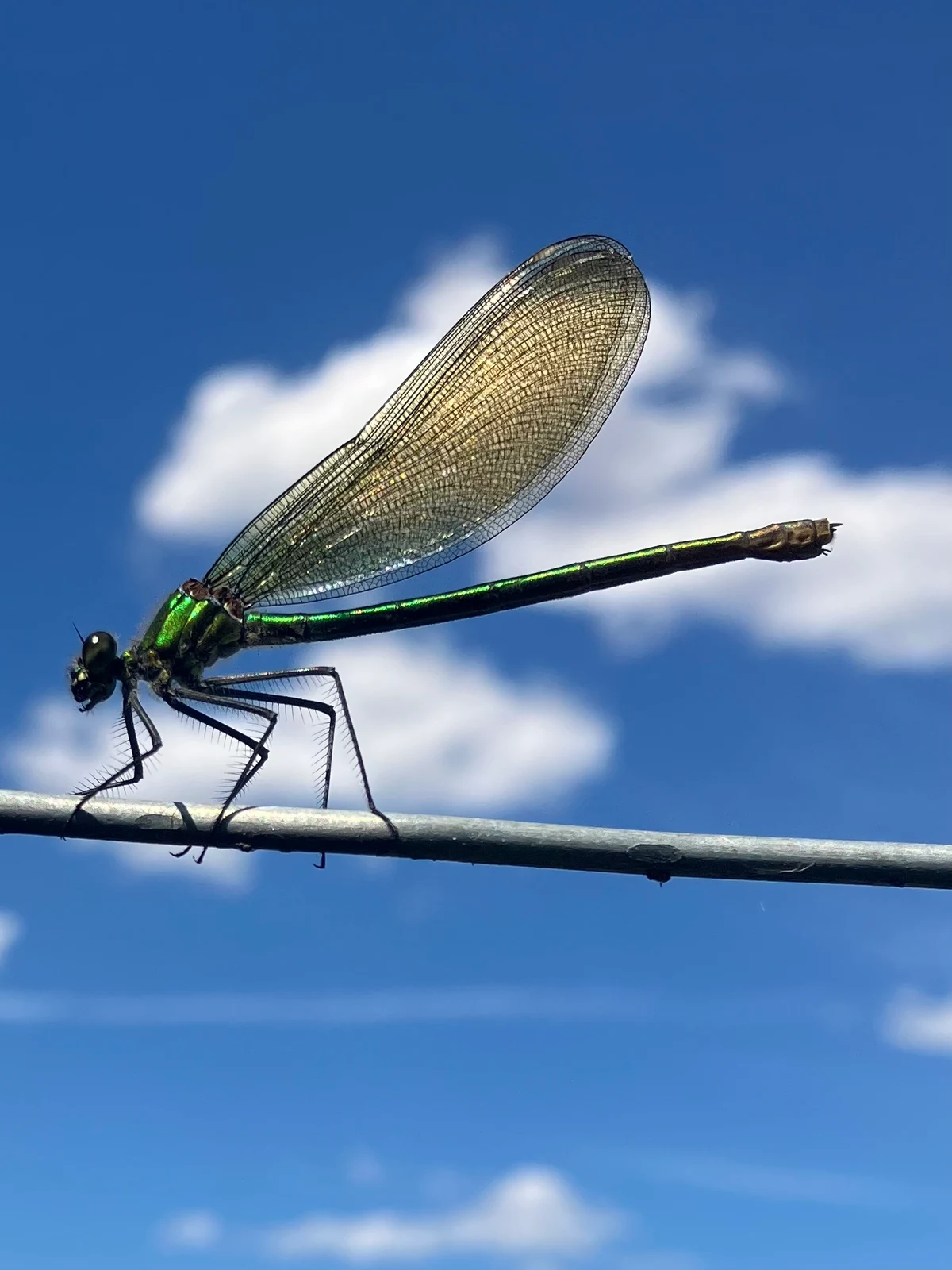
Clifford Wicker won the mobile phone category with a female banded demoiselle at Ingoldisthorpe Water Recycling Centre. The clear blue background and slender branch turn a small observation into a precise, almost graphic composition.
What hides behind the moment
Wildlife photography requires knowledge of both subject and place: routes, periods of activity, light and a respectful working distance. For Breus, repetition was not prolonged failure. It was the process through which the probability of the picture increased.
The three winners also show there is no single route. Telephoto action, careful use of backlight and a mobile phone camera can produce very different but convincing images when the photographer sees clearly what belongs in the frame.
What we think
Breus’s age is striking, but the more important lesson is that he treated the subject as a long-term project. The 200 hours explain why the image feels spontaneous without being accidental. At a time when results are often separated from process, this is a direct reminder that observation comes before the shutter release.
Frequently asked questions
Who won the competition?
Seventeen-year-old Maksym Breus was the overall winner with “Hobby chasing a dragonfly.”
Where was the image made?
At Redgrave and Lopham Fen, a Norfolk Wildlife Trust nature reserve.
How long did it take?
Breus said he had been trying for three years and had spent more than 200 hours observing the behavior.
How many entries were submitted?
The 2026 competition received more than 1,200 images.