Summary
- The Canon EOS C50 is set for a 168-hour continuous recording challenge in Japan.
- Fujiya Camera is organizing the test with Canon and Nextorage from November 8 to 15, 2026.
- Nextorage CFexpress and SDXC cards will be used, and a livestream is planned.
- The exact recording settings and the final outcome have yet to be confirmed.
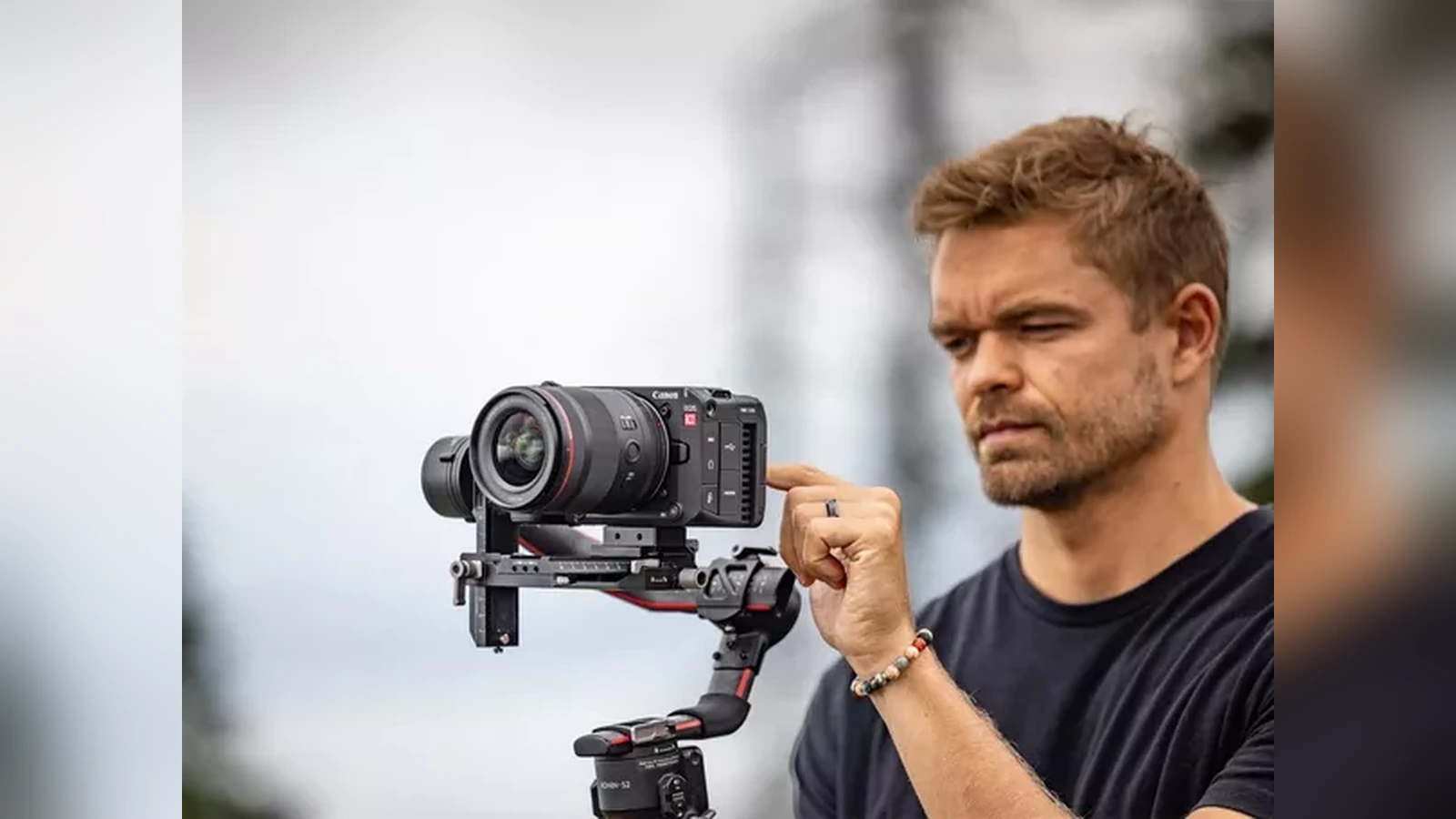
Can a compact cinema camera keep recording for a full week without stopping? Canon’s EOS C50 is about to face that question in a public endurance challenge.
Japanese retailer Fujiya Camera, working with Canon and Nextorage, is organizing a 168-hour continuous recording challenge from November 8 to 15, 2026. The test will take place at its store in Japan and is scheduled to be livestreamed on YouTube.
Seven days with the EOS C50 running
The challenge is scheduled to begin on November 8 at 5:00 p.m. Japan Standard Time (10:00 a.m. in Greece) and run until the same time on November 15. Fujiya Camera will host the test in its store’s video area, with the event available for viewers to follow remotely.
The point is sustained operation of the camera and recording media, rather than a new 7K feature or a brief demonstration. A successful attempt would require the planned seven-day recording period to be completed without the recording stopping.
Nextorage memory cards are part of the test
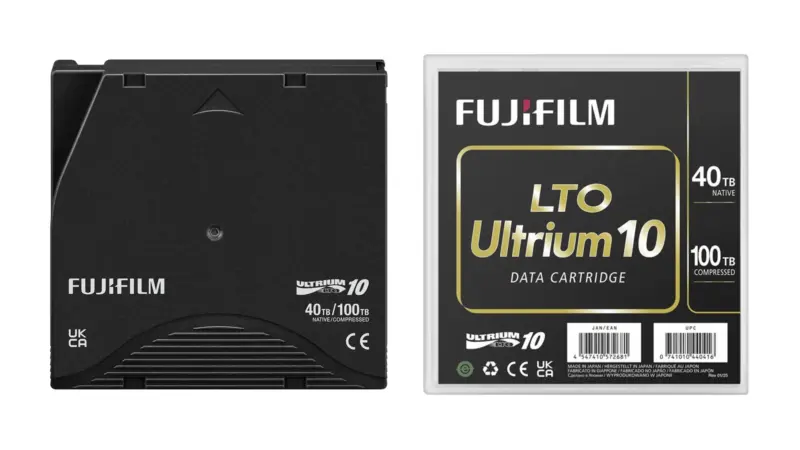
The setup will use Nextorage CFexpress and SDXC cards. The EOS C50 has a CFexpress Type B slot and an SD slot, with recording options that depend on the selected format. It also uses active cooling, which is particularly relevant to long-running operation.
The C50 features a 7K full-frame sensor, internal Cinema RAW Light recording and 3:2 Open Gate capture. That does not mean this specific test will use 7K RAW: the exact resolution, codec, bitrate and frame-rate combination has not been clearly established. The camera’s broader capabilities are covered in this detailed EOS C50 overview.
Recording continuously for 168 hours does not mean storing 168 hours of video on one memory card. Storage requirements depend on bitrate, while the result will also need to be judged in light of how files, cards and power are managed throughout the run.
For official details about the Canon EOS C50, more information here.
What can a week-long test tell filmmakers?
During conferences, concerts, extended interviews and multicamera productions, an unexpected interruption can cost footage that cannot be recreated. A public endurance test may offer useful evidence about camera stability, cooling, power delivery and sustained recording under the chosen conditions.
It cannot certify every shooting mode or every environment. Interpreting the outcome will depend on the exact test setup. Meanwhile, ongoing EOS C50 firmware support highlights how dependable professional workflows rely on software as well as hardware.
The livestream is planned for the official Fujiya Camera YouTube channel. A dedicated URL for the specific live broadcast has not yet been verified.
What we think
This is the kind of test worth following if you shoot video professionally. Most of us will never need to leave REC running for seven days, but confidence in a camera matters most when losing even a minute of footage is not an option.
Having the memory cards in the spotlight makes the exercise more relevant. The sensor and fan are only part of the system: dependable recording also needs power, reliable media and a workable file-management process. If the run is interrupted, knowing exactly what caused it would be valuable.
We would like the organizers to publish the recording settings, room temperature and media-handling procedure. Those details could turn an eye-catching week-long livestream into something that working videographers can genuinely use when planning their own setups.
Frequently asked questions
Has the Canon EOS C50 already recorded for 168 hours?
No. The challenge is scheduled for November 8–15, 2026 and has not yet taken place.
Will the entire 168 hours be stored on one memory card?
Not necessarily. The goal concerns uninterrupted recording, while media capacity and file handling depend on the settings used during the test.