Summary
- OM Digital Solutions considered APS-C and full-frame cameras.
- Executives explain why the company decided to retain Micro Four Thirds.
- Portability, telephoto shooting and durability in the field remain central to the strategy.
- The interview does not announce a new camera lineup.
OM Digital Solutions has confirmed that APS-C and full-frame cameras had been discussed internally, but the company chose to keep developing Micro Four Thirds.
The comments came in two official videos released on October 15 and 29, 2026. COO Setsuya Kataoka and OM SYSTEM Business Unit head Eiji Shirota explain why the company prioritises an entire shooting system rather than sensor size alone.
The first video sets out the thinking behind Micro Four Thirds. In the second, the executives directly address the question of why OM SYSTEM does not make full-frame cameras.
APS-C and full frame really were on the table
Shirota said proposals to build cameras with larger sensors had surfaced periodically during internal discussions. He had also considered a move to full frame, but did not feel it would serve the company’s direction better.
Kataoka went further: in the early years of Micro Four Thirds, he had considered APS-C or full frame as possible future options. A conversation with a senior colleague convinced him to explore how far the existing format could be taken first. He said he has continued thinking about that challenge for roughly 15 years.
Why OM System is staying with Micro Four Thirds
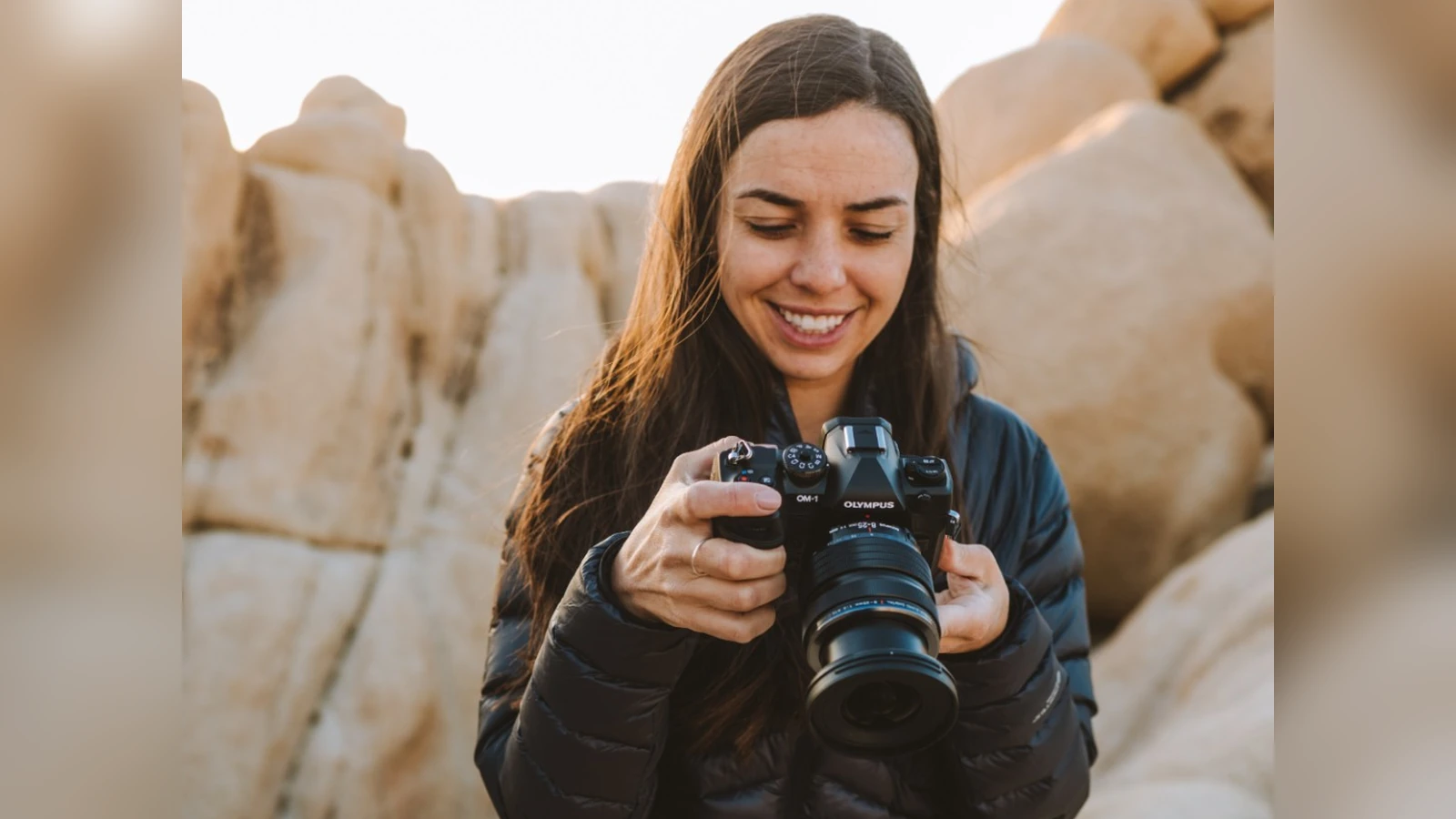
The company’s central argument is that photographers need to be able to carry their camera to where the picture happens. A smaller sensor can often allow smaller lenses and a more portable kit, especially at long focal lengths. For wildlife photographers and people hiking for hours, that can make a practical difference.
The executives also pointed to image stabilisation, weather resistance and computational shooting features as ways the system builds on its strengths. They described photographs made in extreme conditions, stressing that a camera’s portability and usability can determine whether a picture gets taken at all.
A bigger sensor is not always the better answer
Full frame retains advantages when priorities include very low-light performance, particularly shallow depth of field or specific image-quality demands. Micro Four Thirds, meanwhile, can make a meaningful difference to the weight and size of a telephoto setup. These formats do not always serve the same photographer or assignment.
That approach can be seen across today’s lineup. The new OM SYSTEM PEN with an electronic viewfinder and weather sealing shows how the company is trying to retain portability without giving up useful features. Meanwhile, National Geographic’s travel and wildlife camera selections included the OM-5 Mark II and OM-1 Mark II in categories where weight and durability matter.
More information here.
The system’s future is also being discussed during a new corporate chapter: OM Digital Solutions confirmed its full management independence from JIP in September 2026. The executives’ comments, however, are not an announcement of a new sensor or a new camera line.
What we think
What stands out is that APS-C and full frame were not dismissed without consideration. The people making the decisions looked at them and concluded that it made more sense to invest in an area where the company could still offer something distinctive.
Wildlife photography makes the practical argument very clear. A camera-and-telephoto kit you can carry all day may give you more chances than an outstanding but heavy setup you end up leaving behind. The same is true for travel, hiking and assignments where equipment durability matters as much as image quality.
Still, OM System cannot win everyone over simply by saying its cameras are compact. It needs to keep improving autofocus, sensor performance and video, because photographers compare actual results, not just a system’s philosophy. The Micro Four Thirds choice makes sense when it comes with that continuing progress.
Frequently asked questions
Has OM System permanently ruled out a full-frame camera?
The executives explained why they chose Micro Four Thirds and announced no plan for a full-frame or APS-C model. Their comments do not amount to a binding statement about every future decision.
What does Micro Four Thirds offer photographers?
Depending on the lens and shooting style, a smaller, lighter kit—particularly at long focal lengths—alongside stabilisation and computational photography features. Its value depends on the pictures you need to make.