

Summary
- National Geographic tested 26 cameras over four months
- The Fujifilm X-T50 and X-E5 share the best-overall title
- The Fujifilm X-M5 is the budget travel pick
- OM System stood out with two cameras for wildlife and adventure
- Four Fujifilm and five APS-C cameras appear among the 12 picks
- National Geographic’s 12 travel-camera picks
- Why the X-T50 and X-E5 share the top spot
- The beginner, vlogging and street-photography choices
- Wildlife, adventure and compact full frame
- The experimental X half, Camp Snap Pro and Sigma BF
- The X-M5 as the budget choice
- Four Fujifilm models, two OM System cameras and five APS-C picks
- What we think
- Frequently asked questions
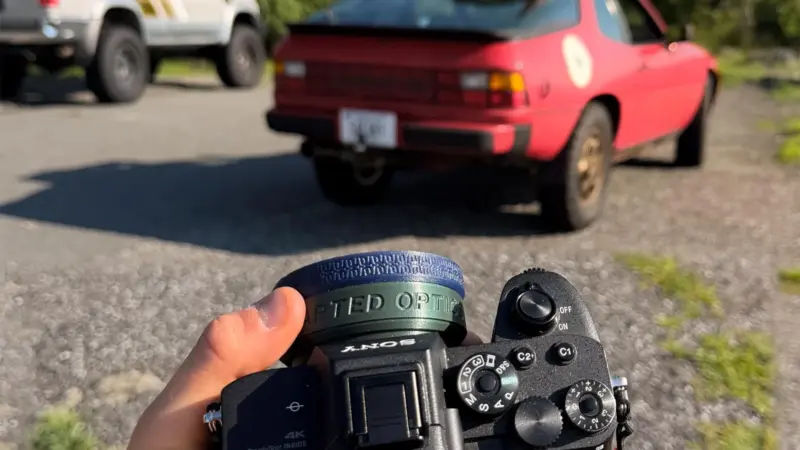
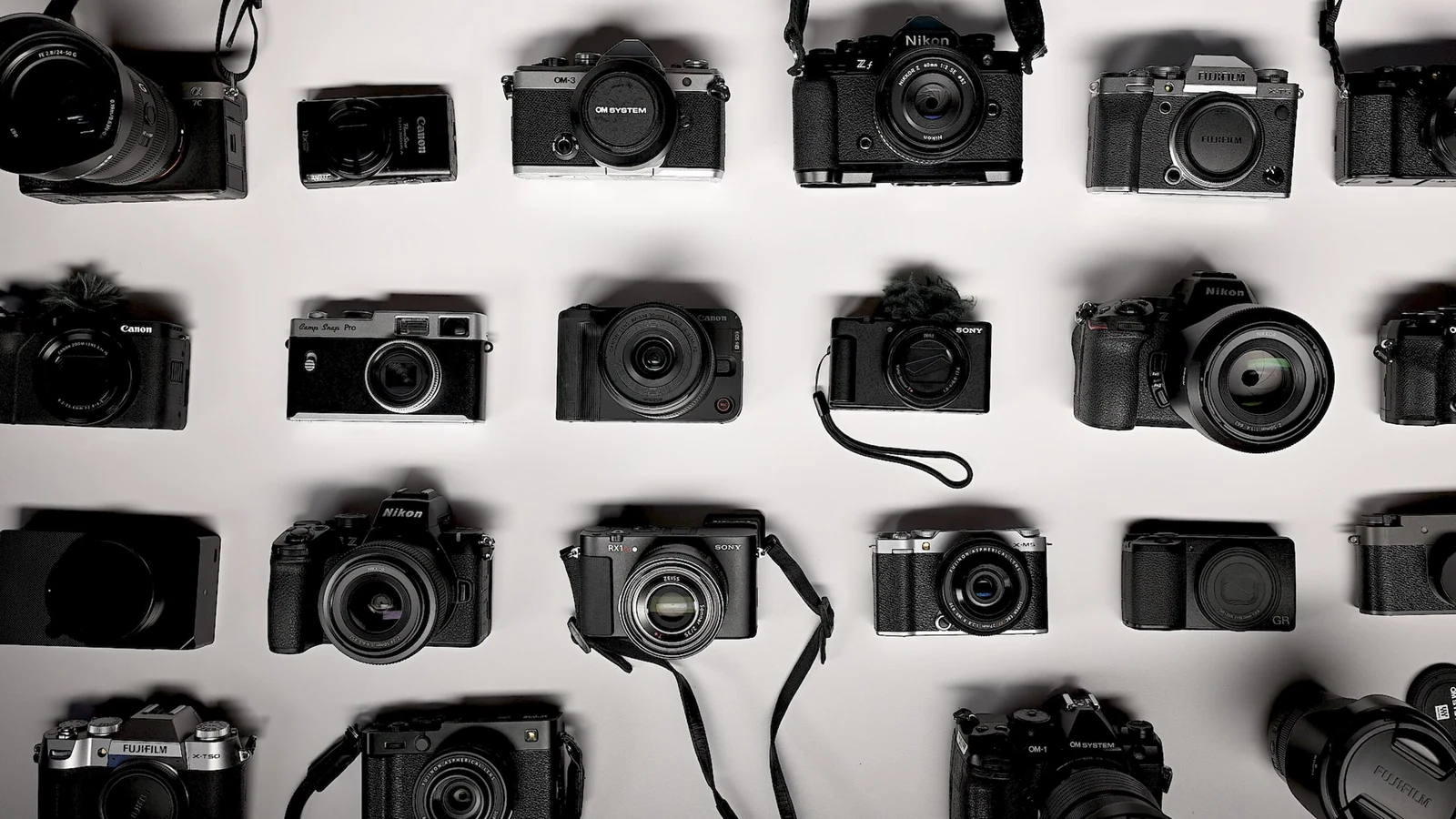
National Geographic tested 26 digital cameras over four months to find the best options for nine different types of travel photography.
The Fujifilm X-T50 and X-E5 shared the top honour, while four Fujifilm models appeared among the main selections. OM System also stood out as the only other manufacturer with two picks: the OM-1 Mark II for wildlife and the OM-5 Mark II for adventure. The test was conducted by Tom O’Brien and Eric Flynn, members of National Geographic’s photo engineering team with almost 15 years of combined experience.
The two engineers considered ease of use, size, shooting speed and video capabilities, among other factors. Published on May 18, 2026, the guide covers everyone from beginners and vloggers to street, wildlife and adventure photographers.
National Geographic’s 12 travel-camera picks
The nine categories name 12 different cameras because two categories include more than one selection.
| Category | Camera |
|---|---|
| Best overall | Fujifilm X-T50 and Fujifilm X-E5 |
| Best for beginners | Nikon Z50 II |
| Best for vlogging | Canon PowerShot V1 |
| Best for street photography | Ricoh GR IV |
| Best for wildlife | OM System OM-1 Mark II |
| Best for adventure | OM System OM-5 Mark II |
| Best compact full-frame | Sony α7C II |
| Best experimental | Fujifilm X half, Camp Snap Pro and Sigma BF |
| Best budget pick | Fujifilm X-M5 |
“Compact” is used in the broader sense of a portable travel camera. Several of the selections are small interchangeable-lens mirrorless models rather than fixed-lens compacts. PTTL also covered National Geographic’s corresponding 2022 guide.
Why the X-T50 and X-E5 share the top spot
For the best overall camera, O’Brien and Flynn prioritised image quality, lens choice, durability for the price, portability and an enjoyable shooting experience. Their final decision was a tie between the Fujifilm X-T50 and X-E5.
Both cameras use a 40.2-megapixel APS-C X-Trans CMOS 5 HR sensor, the X-Processor 5 imaging engine and in-body image stabilisation rated at up to seven stops. The X-T50 follows a traditional SLR-style layout with a centrally positioned viewfinder and weighs approximately 438 grams with its battery and memory card. The X-E5 uses an offset viewfinder, features a machined aluminium top plate and weighs approximately 445 grams.
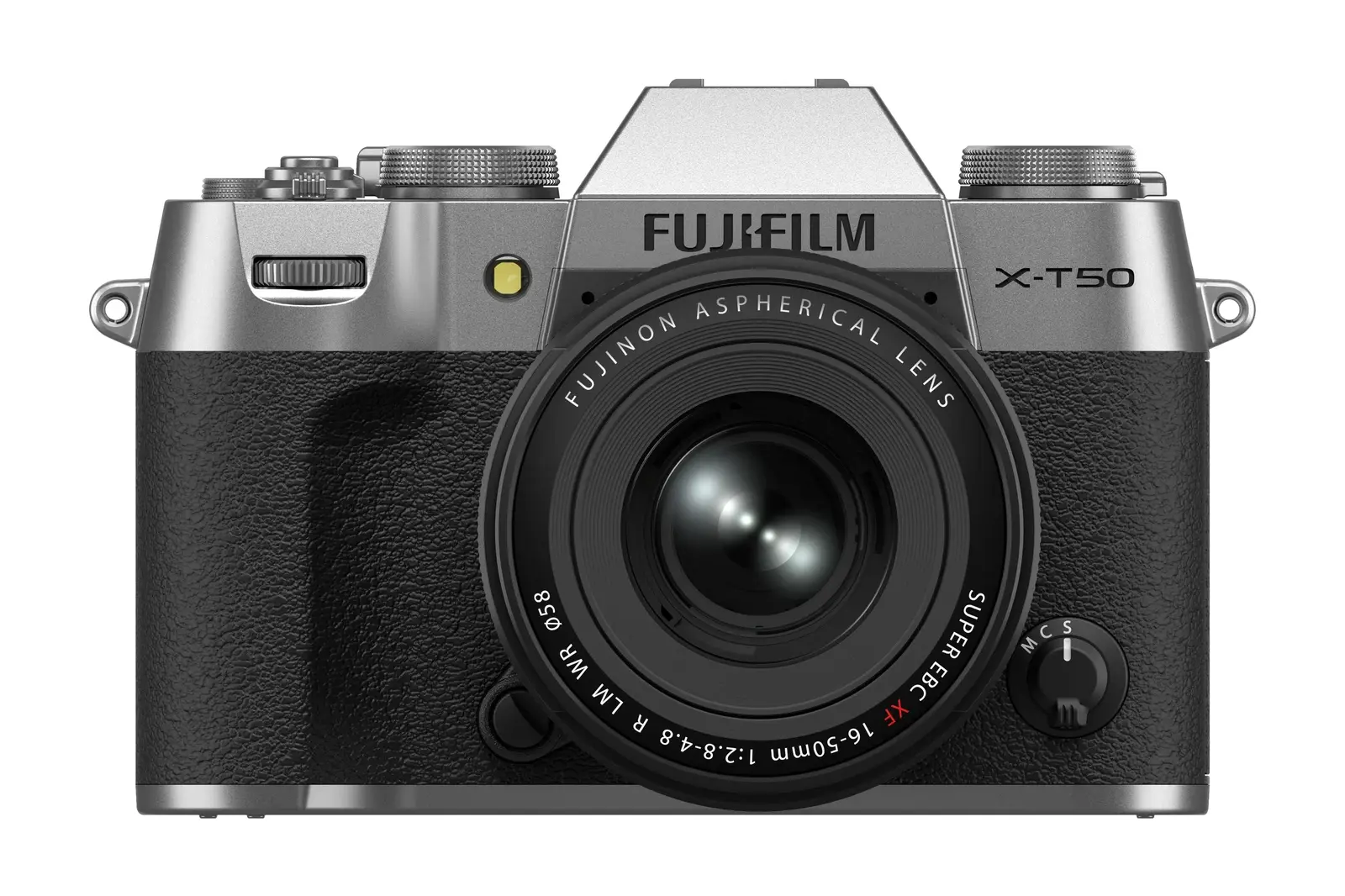
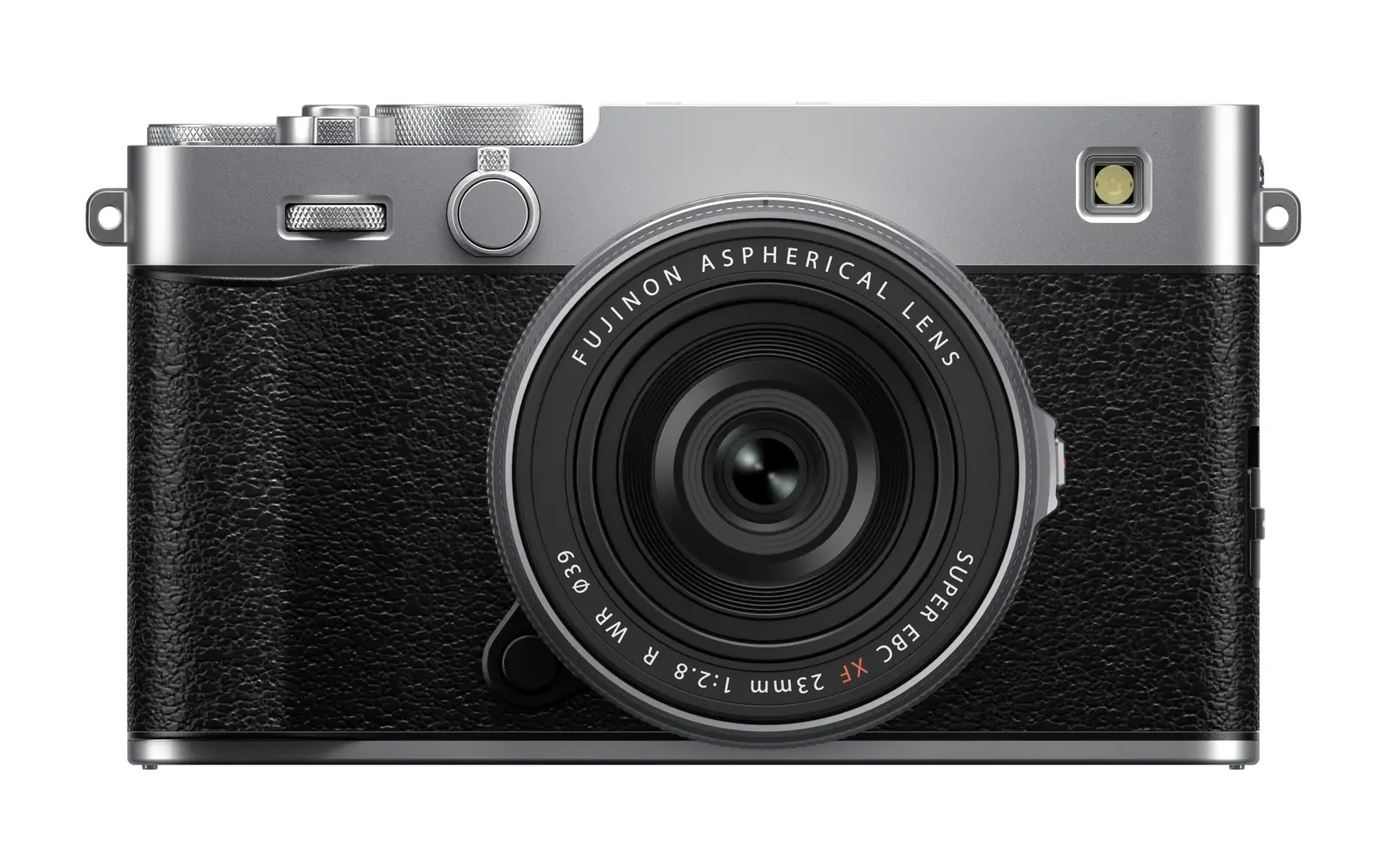
Eric Flynn selected the X-T50 for its small, approachable and enjoyable design. Tom O’Brien preferred the X-E5 for its rangefinder-style body and the way it feels in the hand. Both praised the high-resolution sensor, burst performance, autofocus, video features and Fujifilm’s Film Simulation modes.
The engineers believe either camera could comfortably handle a complete professional assignment. Neither body is fully weather-sealed, however, so they would not be the first choice for particularly demanding adventure conditions.
The beginner, vlogging and street-photography choices
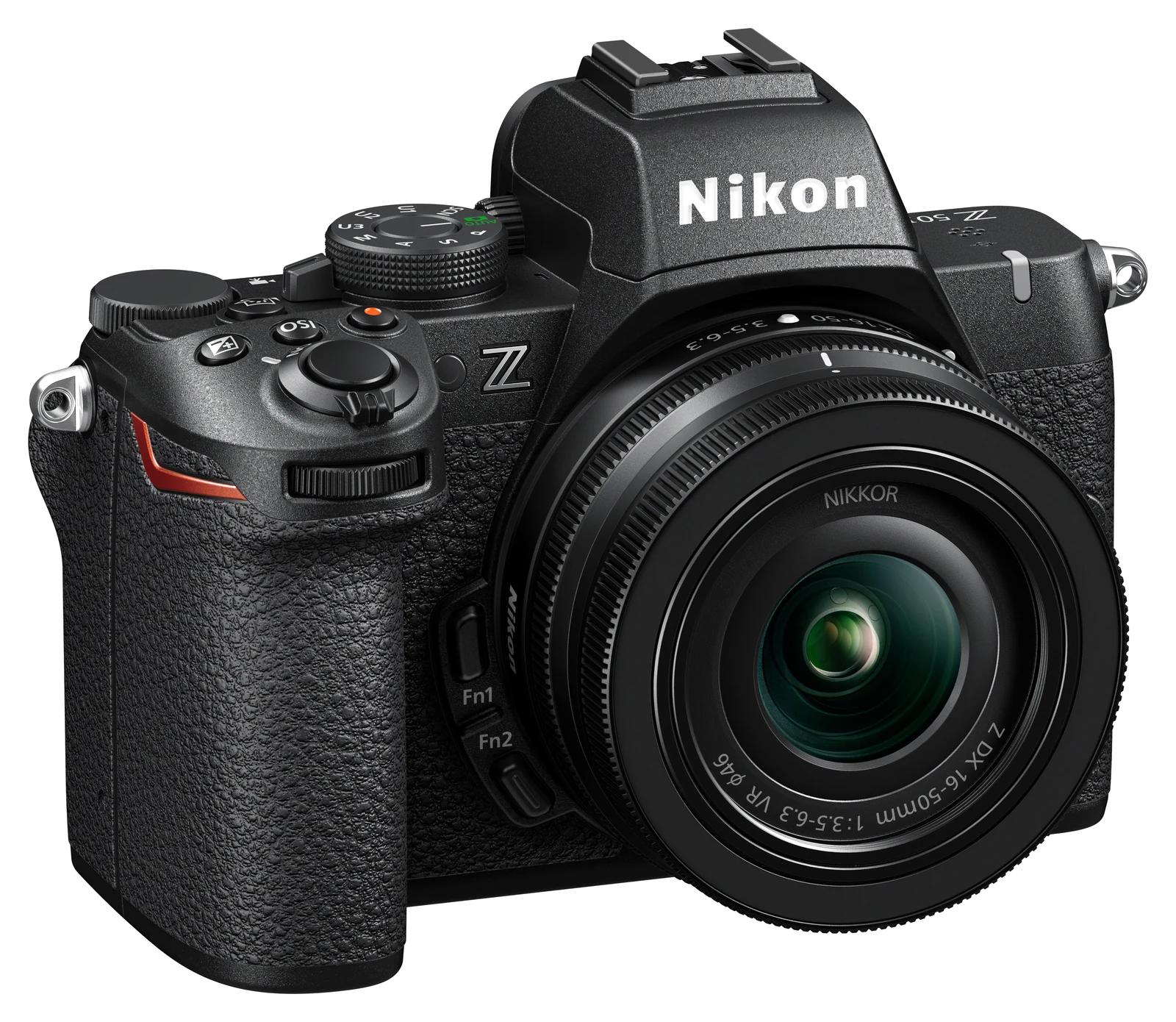
The Nikon Z50 II took the beginner category thanks to its accessible automatic modes, comfortable control layout and ability to grow with its owner. It can begin as a straightforward everyday camera and remain useful as the photographer gains experience.
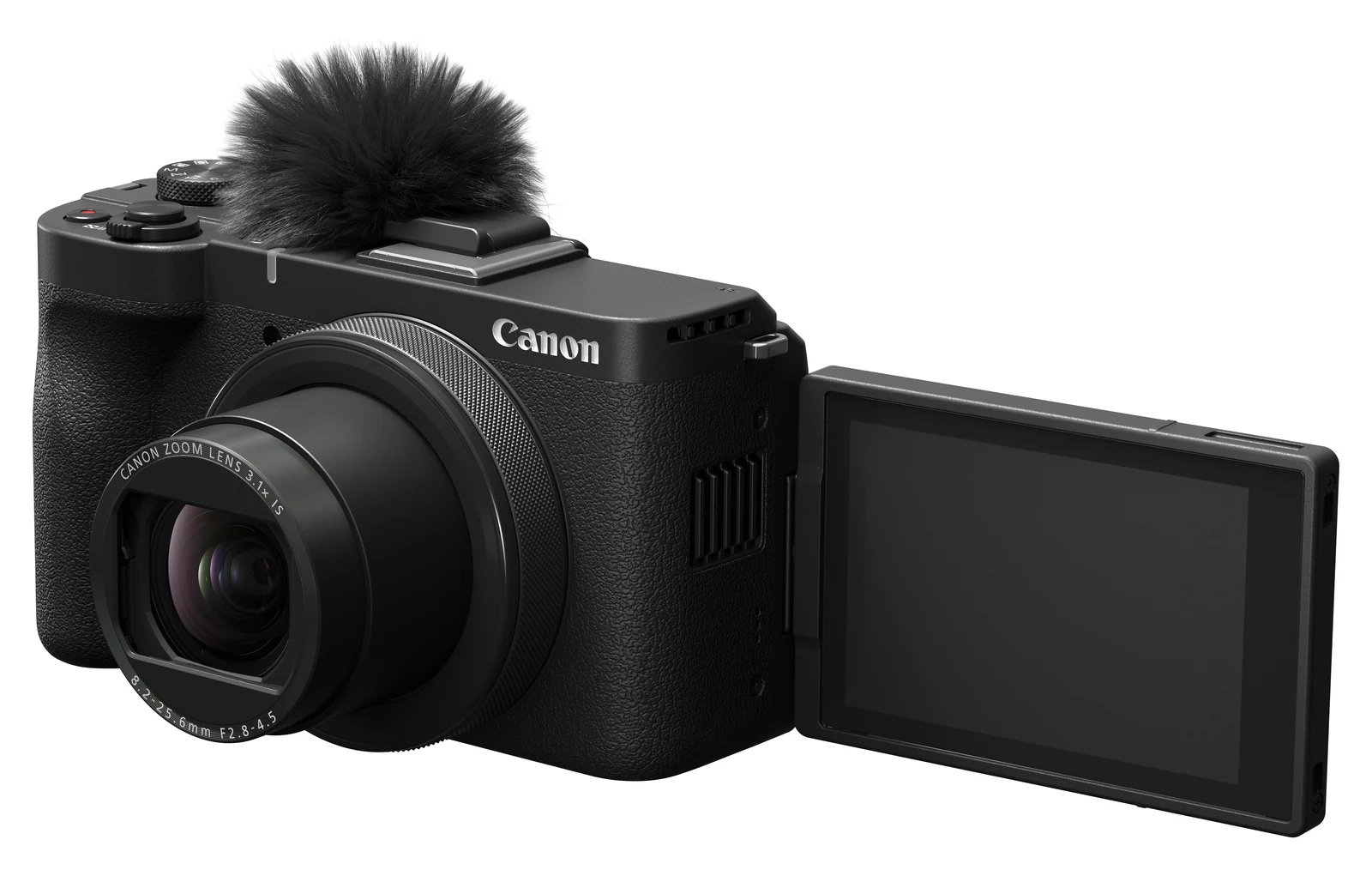
For vlogging, they selected the Canon PowerShot V1. Its lightweight body, integrated zoom, supplied wind muff and active cooling system make it suitable for extended recording while travelling. The Sony ZV-1 II was named as its closest alternative.
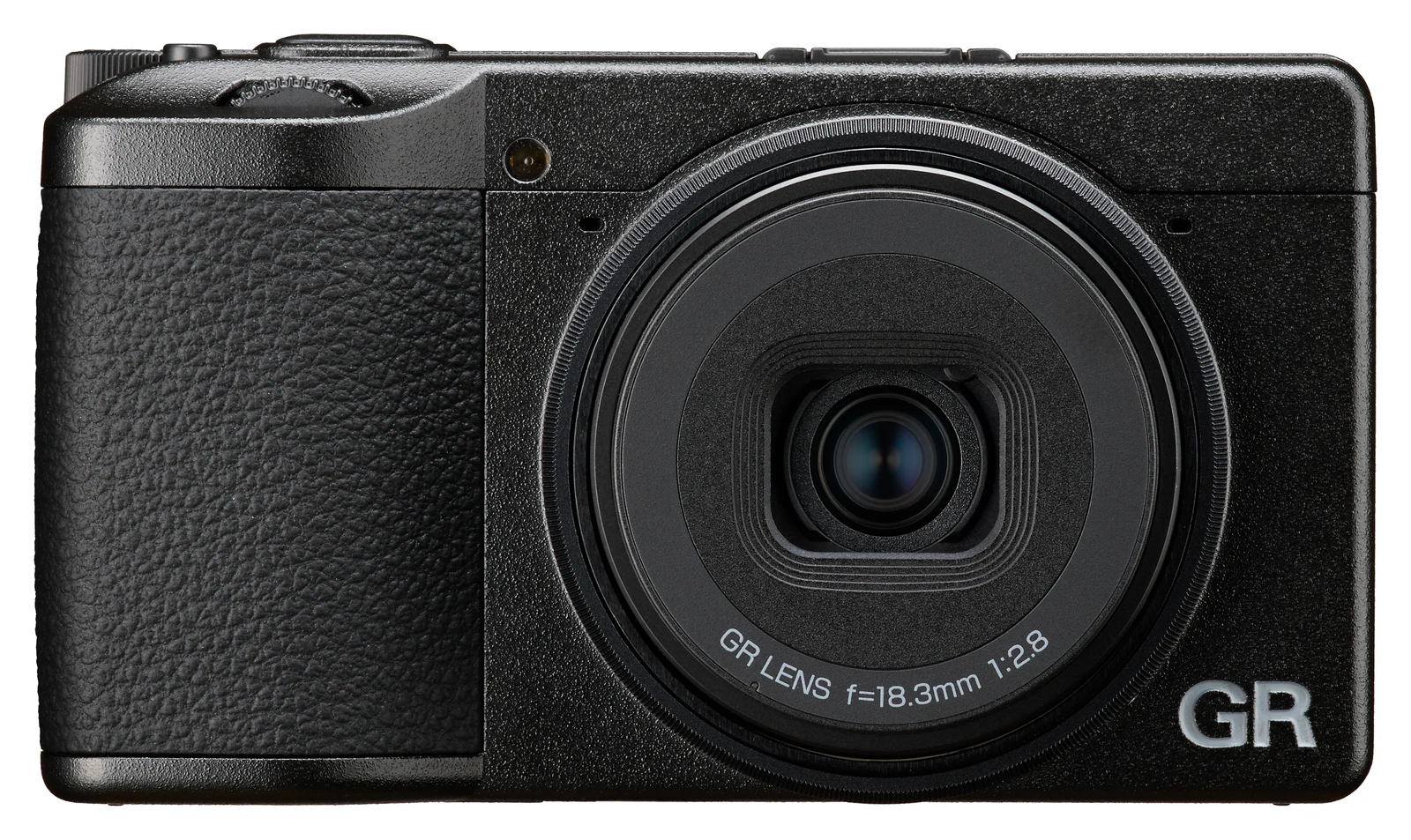
The Ricoh GR IV won the street-photography category. Its APS-C sensor, fixed 28mm-equivalent lens, quiet operation and genuinely pocketable body make it easy to carry every day without drawing attention. The Fujifilm X100VI was presented as a more robust and feature-rich alternative, although it is noticeably larger and more expensive.
Wildlife, adventure and compact full frame
The OM System OM-1 Mark II was selected for wildlife photography. Weather protection, a substantial grip, advanced autofocus and the smaller telephoto lenses available for Micro Four Thirds create a practical system for long sessions in the field. National Geographic also highlighted the full-frame Nikon Z5 II as an alternative.
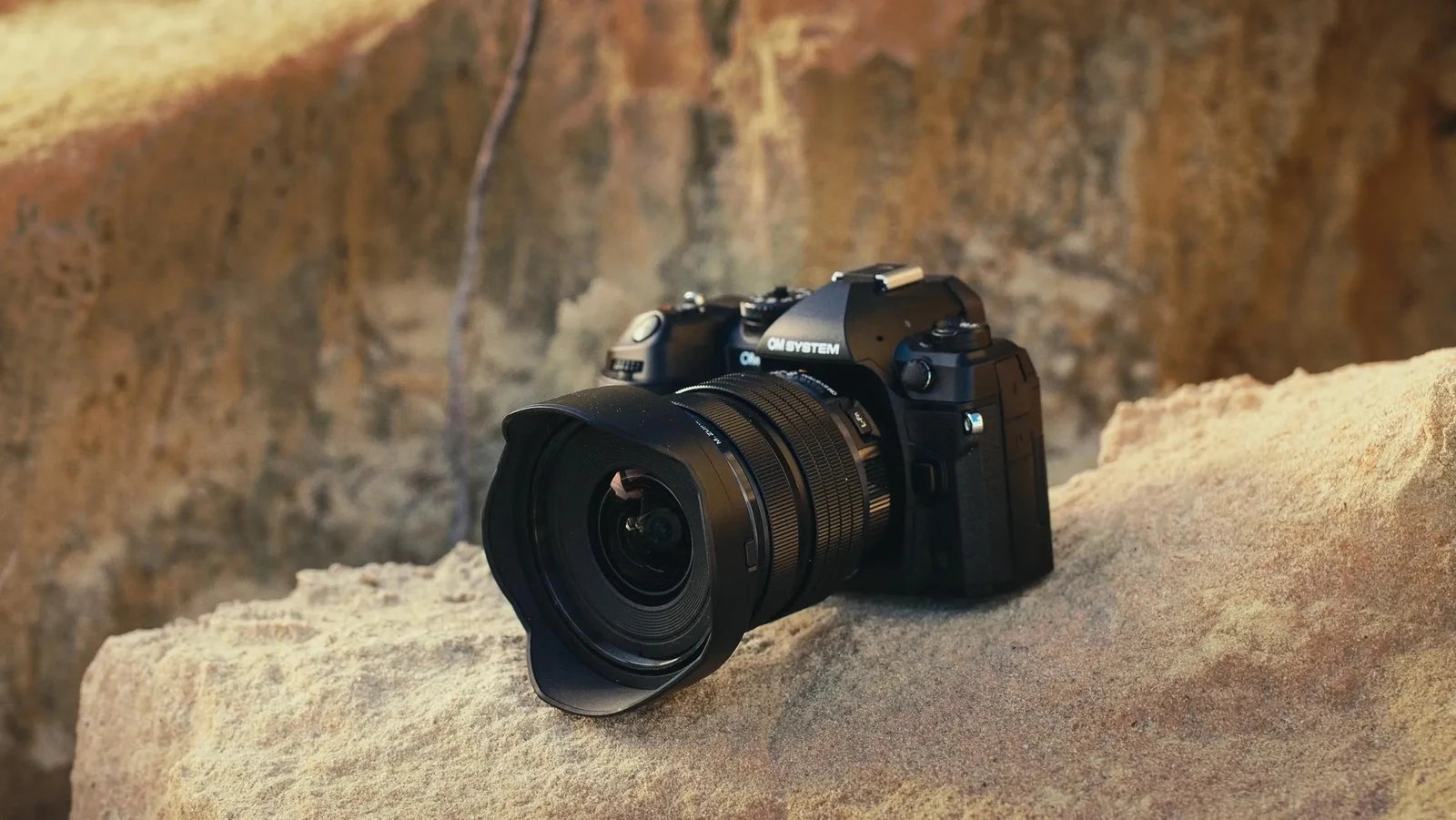
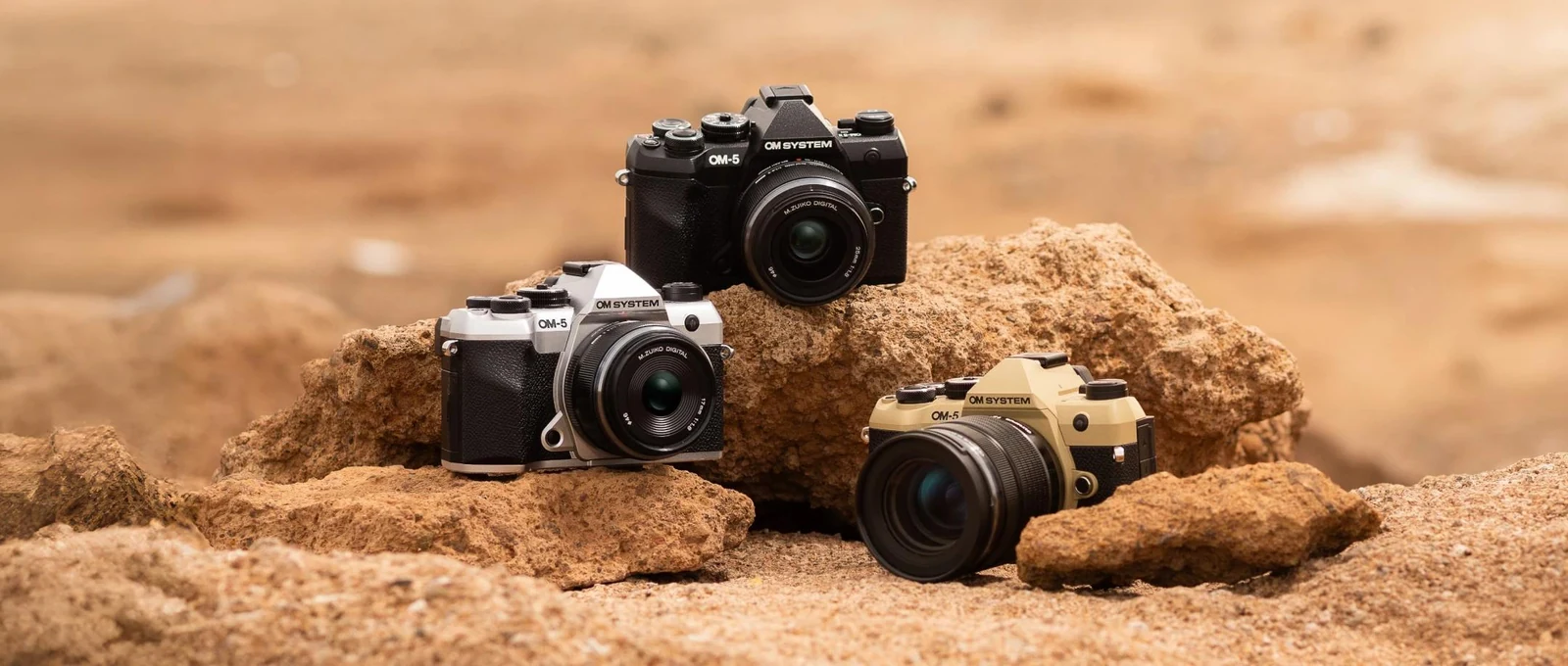
The OM System OM-5 Mark II won the adventure category through its low weight, weather-resistant construction and computational features such as Live ND and handheld high-resolution shooting. It is aimed at hiking, climbing and remote trips where every additional gram matters.
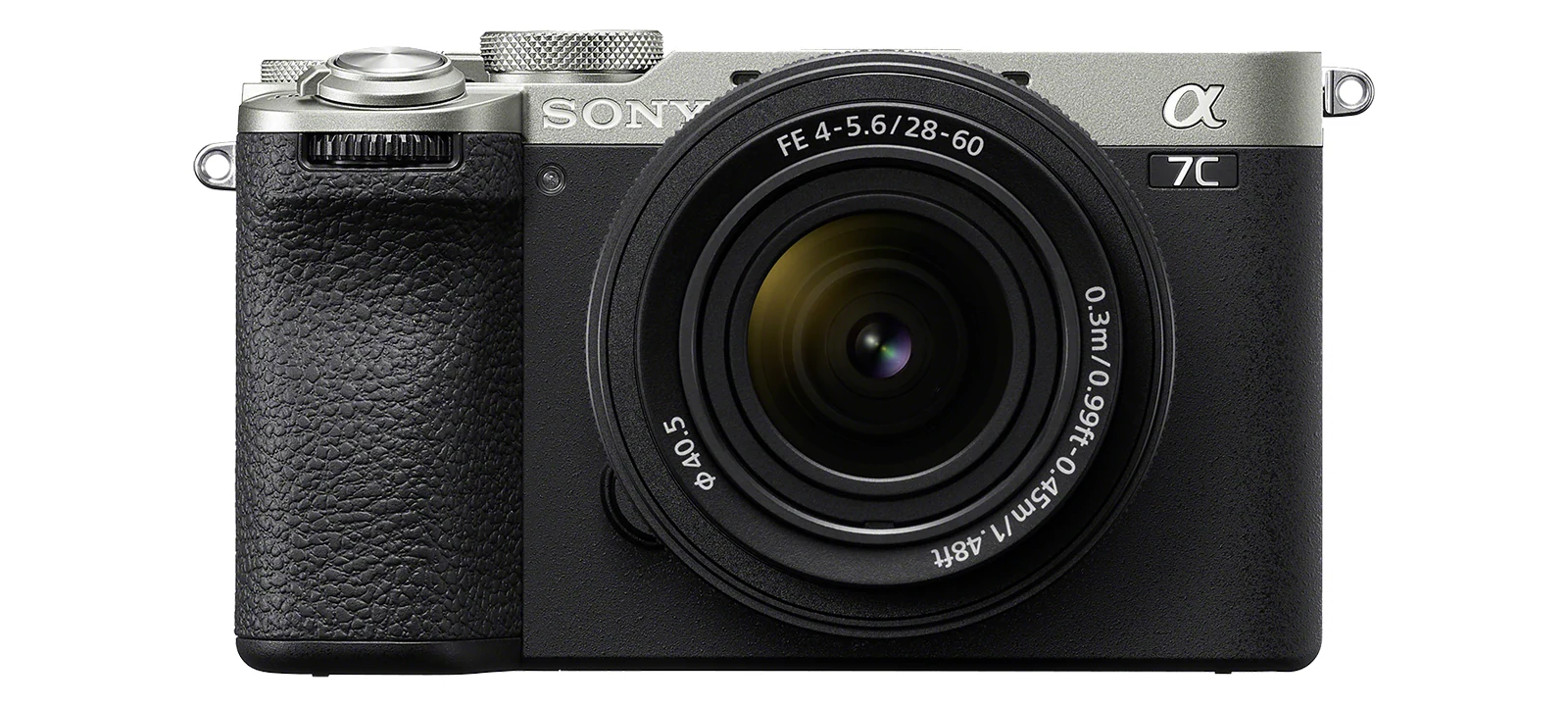
The Sony α7C II was named the best compact full-frame travel camera. The testers paired it with Sony’s small FE 24-50mm F2.8 G, creating a versatile package for landscapes, everyday photography, portraits and video.
The experimental X half, Camp Snap Pro and Sigma BF
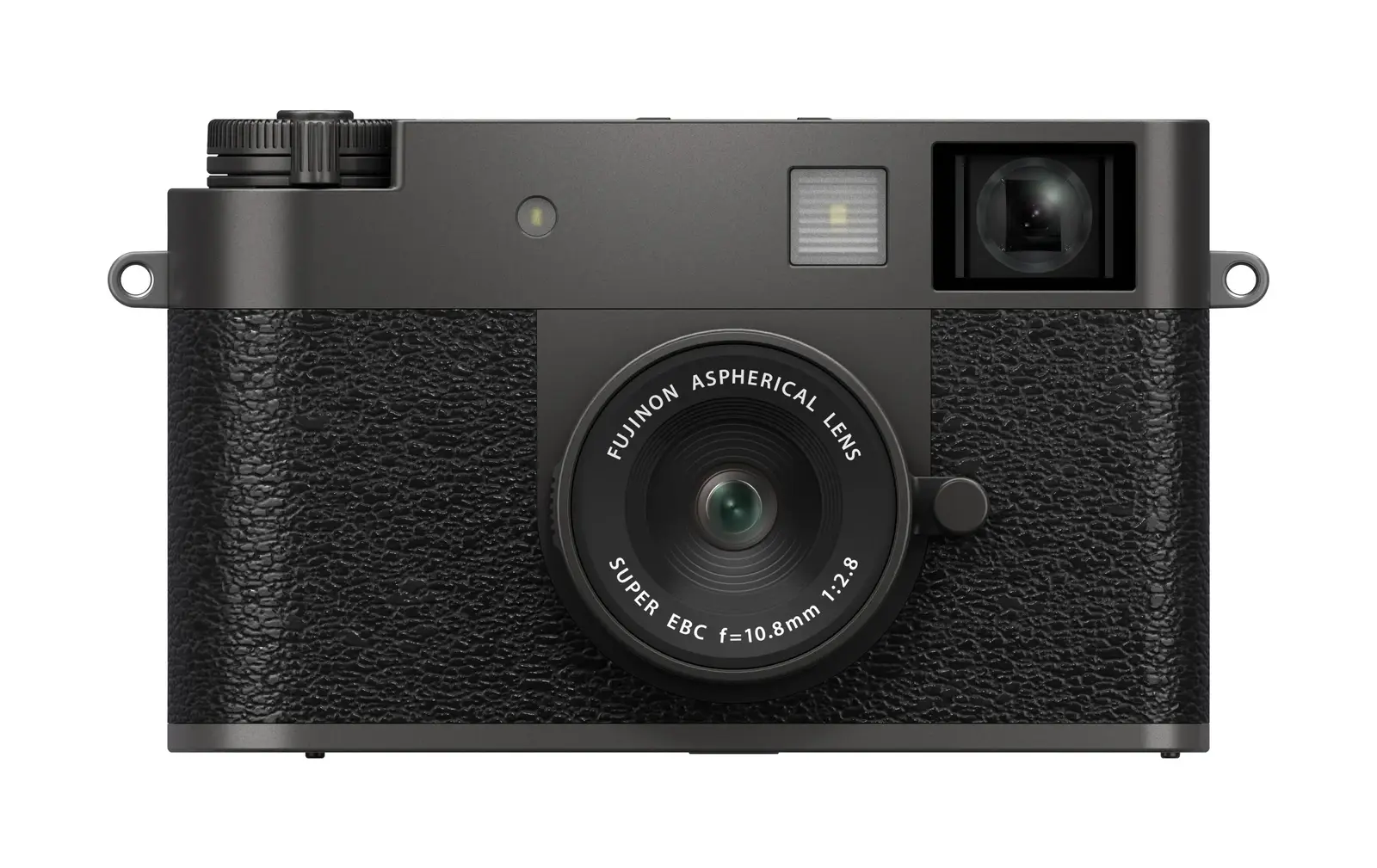
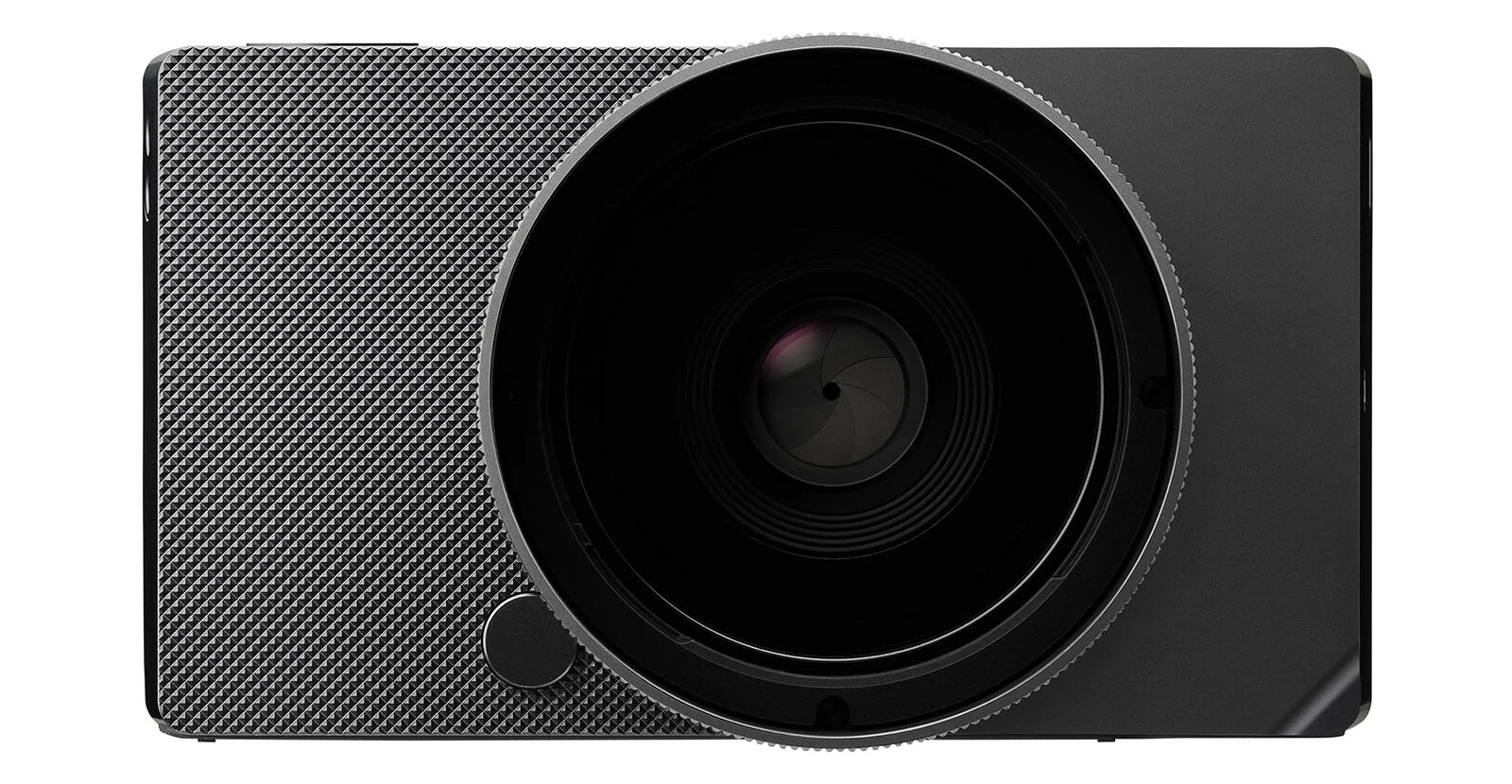
The experimental category brings together three cameras that place the shooting experience ahead of conventional design. The Fujifilm X half uses a vertical 3:4 frame, a one-inch sensor and a Film Camera Mode that delays image review to recreate part of the experience of shooting a roll of film.
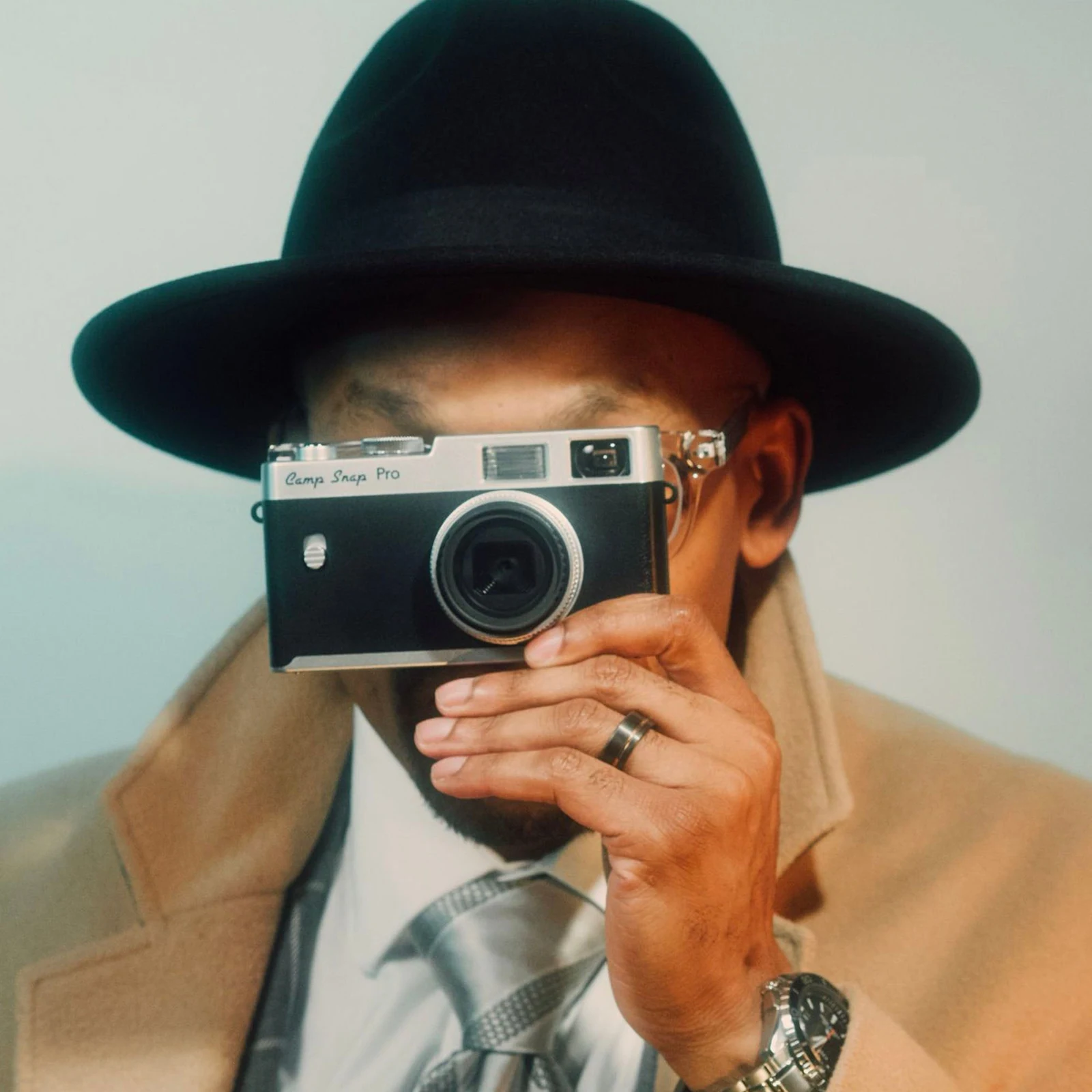
The Camp Snap Pro works like a simple digital camera without a screen or complicated settings.
The full-frame Sigma BF follows a radically minimalist approach, with a body machined from a single block of aluminium, very few controls and built-in storage instead of a memory-card slot. The three experimental selections are not direct competitors on specifications; each encourages a different way of making photographs.
The X-M5 as the budget choice
The Fujifilm X-M5 was named the best budget travel camera. It combines a 26.1-megapixel APS-C X-Trans CMOS 4 sensor, strong video features, a microphone input and Fujifilm’s Film Simulation modes in a body weighing approximately 355 grams.
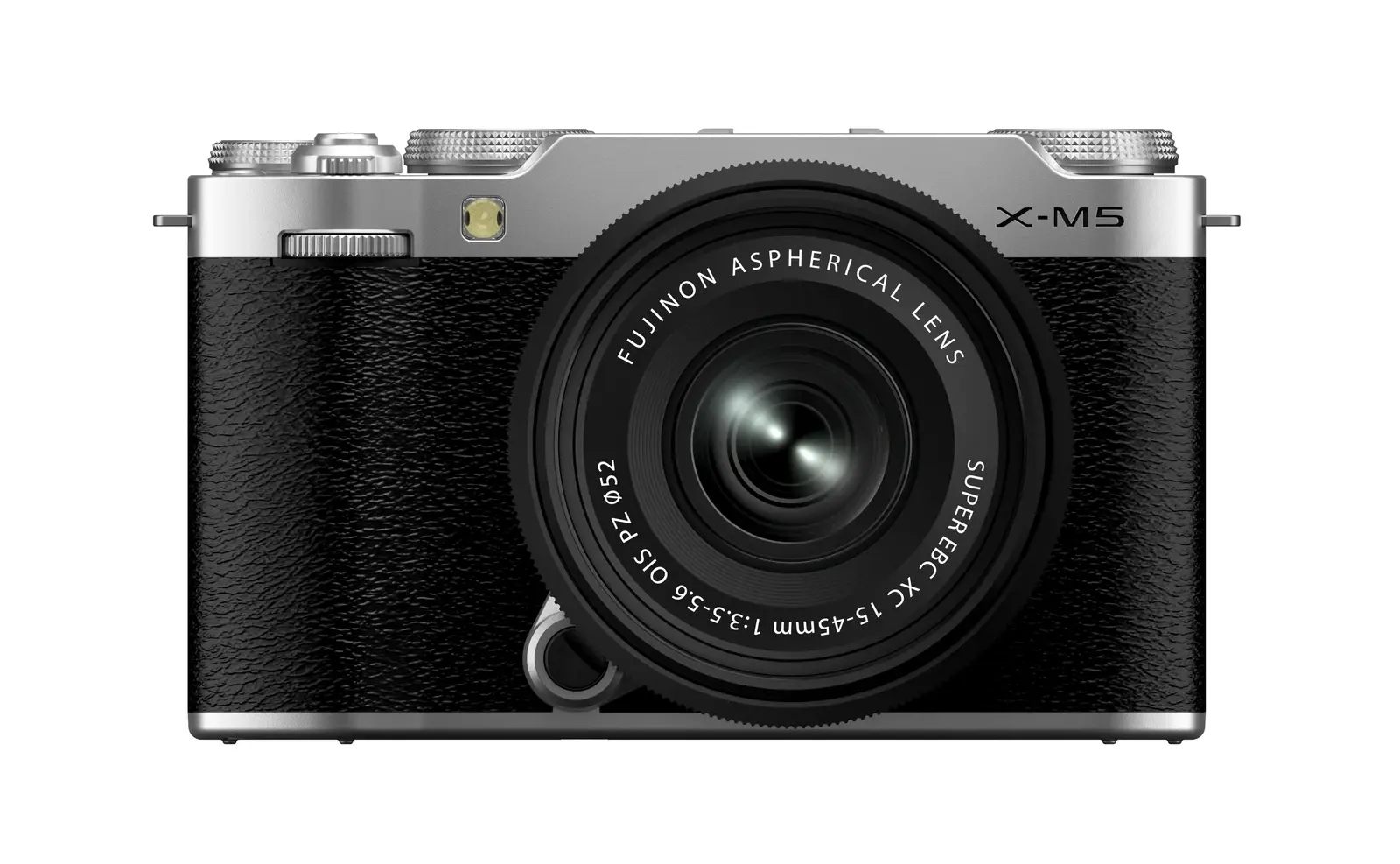
It does not include an electronic viewfinder or built-in flash, but its small and lightweight construction suits both newcomers and experienced photographers who want a simple holiday camera. The testers mentioned an unspecified Canon ELPH as an even smaller and less expensive alternative.
Four Fujifilm models, two OM System cameras and five APS-C picks
Fujifilm is the most heavily represented manufacturer among the main selections, accounting for four of the 12 named models: the X-T50, X-E5, X-M5 and X half. The company appears in three categories, with two cameras sharing the best-overall title.
OM System is the only other manufacturer with two cameras on the list. The OM-1 Mark II won the wildlife category and the smaller OM-5 Mark II took the adventure category, highlighting the Micro Four Thirds system’s advantages when weather protection, low weight and smaller telephoto lenses are priorities.
APS-C is the most common sensor format among the 12 selections. It is used by the Fujifilm X-T50, X-E5 and X-M5, the Nikon Z50 II and the Ricoh GR IV. The X half does not belong to this group, as it uses a one-inch sensor.
The supporting videos also mention the Sony ZV-1 II, Fujifilm X100VI and Nikon Z5 II as alternatives for particular uses. The Nikon Zf is identified as the previous full-frame pick rather than this year’s runner-up.
What we think
The test is useful because it organises its recommendations around how a camera will be used instead of forcing every model into a single ranking. Fujifilm’s strong showing reflects how well small bodies, lighter lenses and ready-to-use JPEGs fit the demands of travel. The frequent appearance of APS-C confirms its balance of image quality and portability without diminishing the advantages of Micro Four Thirds for wildlife or full frame in low light and depth-of-field control.
Frequently asked questions
How many cameras did National Geographic test?
National Geographic tested 26 cameras over four months, assessing factors including ease of use, size, shooting speed and video capabilities.
Which cameras were named best overall?
The Fujifilm X-T50 and Fujifilm X-E5 shared the best-overall title.
How many Fujifilm cameras appear among the main picks?
Four: the X-T50, X-E5, X-M5 and X half.
Which other manufacturer has more than one camera among the picks?
OM System, with the OM-1 Mark II for wildlife and the OM-5 Mark II for adventure.
Which selected cameras use APS-C sensors?
The Fujifilm X-T50, X-E5 and X-M5, the Nikon Z50 II and the Ricoh GR IV.
Is the Fujifilm X half an APS-C camera?
No. The Fujifilm X half uses a one-inch sensor and a native vertical 3:4 frame.