

Summary
- The encounter happened in Alaska’s Katmai on August 2, 2026
- The cub approached Bruce Robert Danz on its own
- The photographer moved his boot slightly and did not cause alarm
- Katmai prohibits approaching a bear within 50 yards
- The correct response always depends on the animal’s behavior
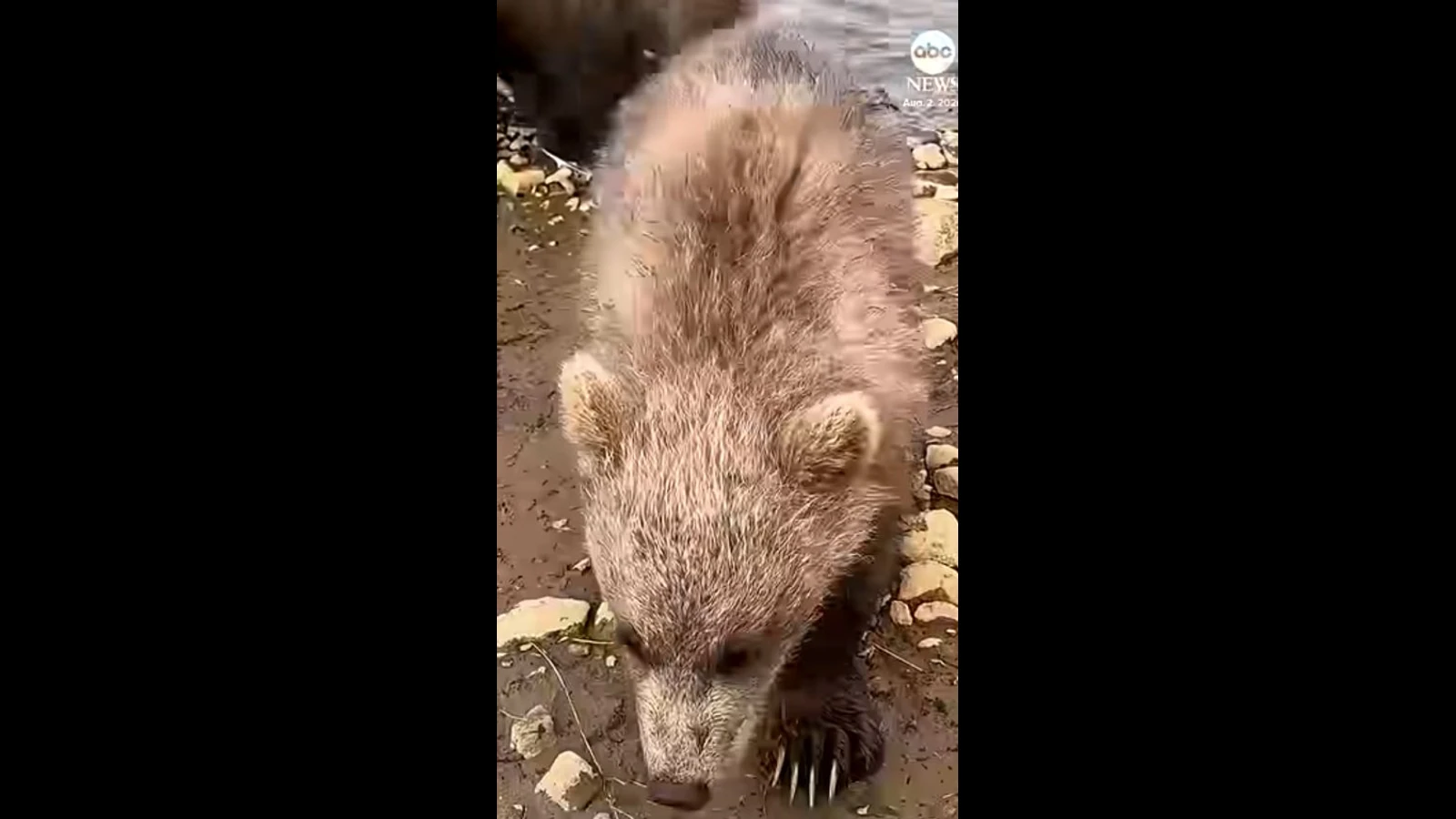
A brown bear cub approached photographer Bruce Robert Danz on its own in Alaska’s Katmai, sniffed his boot and gave it a small nibble before rejoining its siblings.
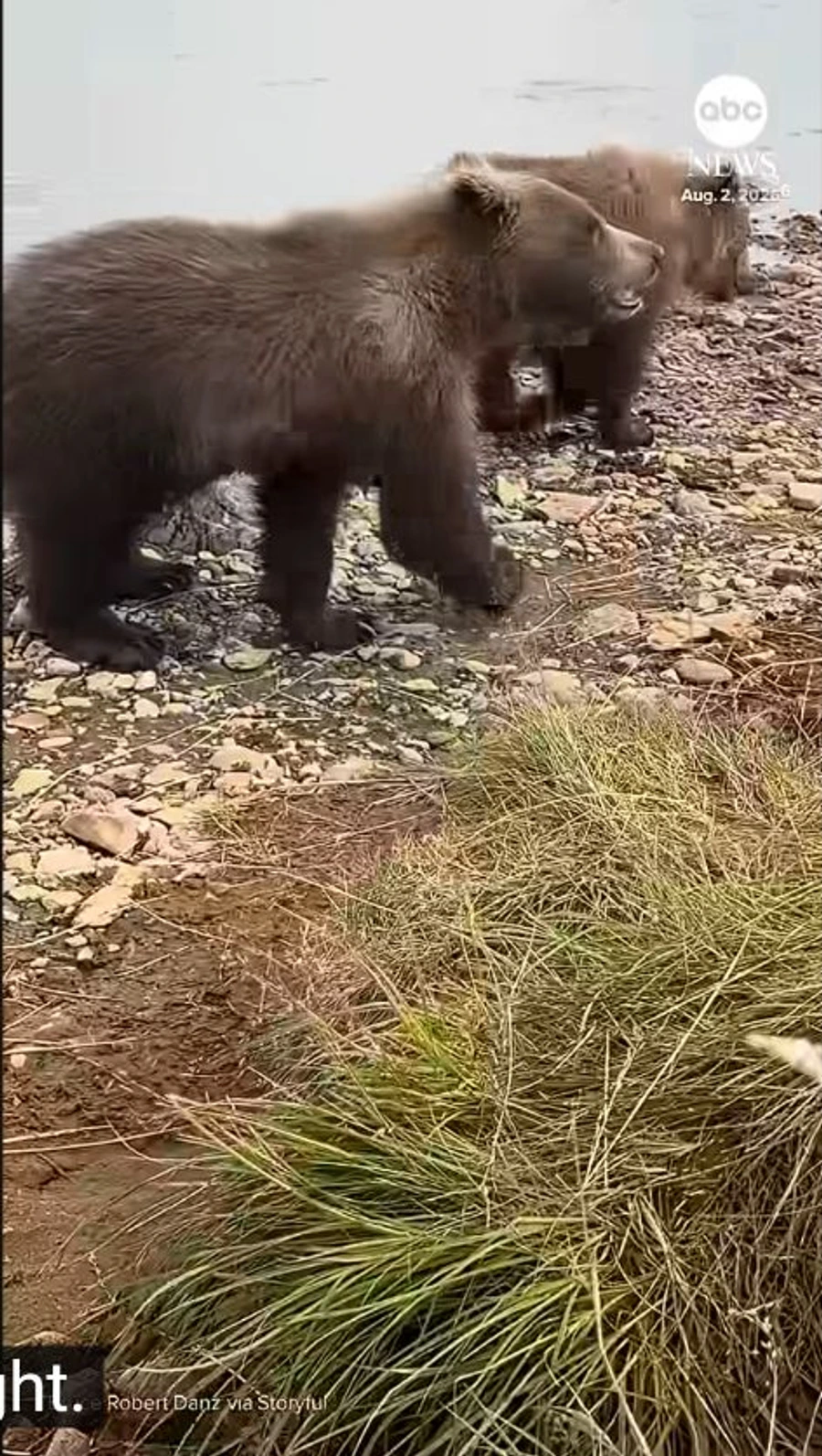
The encounter was recorded on August 2, 2026, in Katmai National Park and Preserve. Danz and another photographer had been watching a mother and three cubs fishing from a distance during an organised photo tour led by experienced guide Jerry Jacques. When the family emerged from the water, the cubs passed directly beside them and one stopped to investigate the boot.
The video is charming, but the essential detail is that the photographers did not pursue contact. They stayed low and quiet and did not attempt to touch the animal or move closer for a photograph. The extremely short distance was created by the bear’s movement and is not a situation wildlife photographers should seek or try to reproduce.
What happened on the shore
In the video, the second photographer can be heard calmly repeating “No bear” as the three cubs pass. One stops, sniffs Danz’s shoe and tries to nibble it. The photographer moves his foot only slightly and says, “That’s my foot,” without making a sudden movement or raising his voice.
Danz said that this small movement of the boot was enough to end the interaction and the cub fell back in line. Jacques, who has led grizzly-bear photography trips since 1977, felt that the two men handled the moment without alarming the animal.
The animal approached — not the photographer
The distinction is critical. According to Danz, the group had kept its distance, had not interfered with the bears’ fishing and the animals were aware of the people. The family naturally moved toward the place where the photographers were sitting.
That does not remove the danger. A mother with cubs can react defensively, even in an area where bears are habituated to people. The National Park Service stresses that a bear may show a strong fight-or-flight response anywhere in the park at any time.
Katmai’s 50-yard rule
At Katmai, visitors are prohibited from approaching a bear within 50 yards, approximately 46 metres. They may also not remain within that distance when a bear is using a concentrated food source such as spawning salmon, a carcass or another feeding area.
The park also points out that bears move along their own travel routes. When a visitor sees an animal heading toward them, they should move out of its line of travel early when this can be done safely, rather than waiting for a more dramatic frame.
How a photographer should respond to an unwanted approach
No single movement is correct for every encounter. The NPS first asks visitors to assess the bear’s behavior: a curious bear has different motivations from a defensive or stressed animal. A person should stop, remain calm and watch for signs such as huffing, jaw popping or ears flattened back.
The central instruction is not to run. If the bear already knows the person is present, they can speak calmly and back away slowly when there is a safe route. If the animal is unaware of them, shouting may startle it; quietly retreating the way they came is preferable.
During a real approach, the guidance changes depending on whether the animal is defensive or non-defensive. Visitors should therefore follow rangers and their trained guide, know how to use an appropriate deterrent before entering the field and never improvise by copying a viral clip.
The camera never comes before safety
During a close encounter, a photographer should not move for a better angle, approach, feed, touch or block the animal’s path. A long lens, a prepared position and acceptance that a frame may be missed are the proper choices.
Katmai also requires gear to remain within arm’s reach. A curious bear may treat an abandoned bag or camera as a toy or potential food source. Beyond losing equipment, this can teach the animal to associate people with a reward, creating danger for later visitors and for the bear itself.
Why an experienced guide matters
The NPS recommends that people unfamiliar with bear behavior and deterrents hire a knowledgeable guide. Jacques’s presence did not make the contact harmless, but it gave the group a person with decades of experience to assess the route, environment and animals’ responses.
That is also important when interpreting the video: Danz’s calm reaction worked in this specific moment, with this cub’s particular behavior and under supervision. It is not universal advice for every bear or location.
What we think
The scene is rare and compelling, but the best photographic decision is the one not visible: the people did not cause the approach and did not try to prolong it. In wildlife photography, a good frame never justifies interfering with animal behavior. Distance, knowledge and a willingness to stop shooting protect both the photographer and wildlife.
Frequently asked questions
Where did the encounter happen?
It happened in Katmai National Park and Preserve, Alaska, on August 2, 2026.
Did the photographer approach the cub?
No. According to Bruce Robert Danz’s account, the photographers remained in place and the animals moved toward them.
How much distance must visitors keep at Katmai?
Regulations prohibit approaching a bear within 50 yards, approximately 46 metres, and remaining that close to an animal using a concentrated food source.
What should someone do if a bear approaches?
Do not run; remain calm and assess its behavior while following official guidance and instructions from rangers or a trained guide. The correct response differs between curious, defensive and aggressive behavior.
Why should camera gear not be left behind?
A curious bear may investigate it and associate it with play or food, creating dangerous habituation to people.