

Summary
- Blanche Mortemard made 5,484 photographs during a ten-day, 2,500-kilometre journey
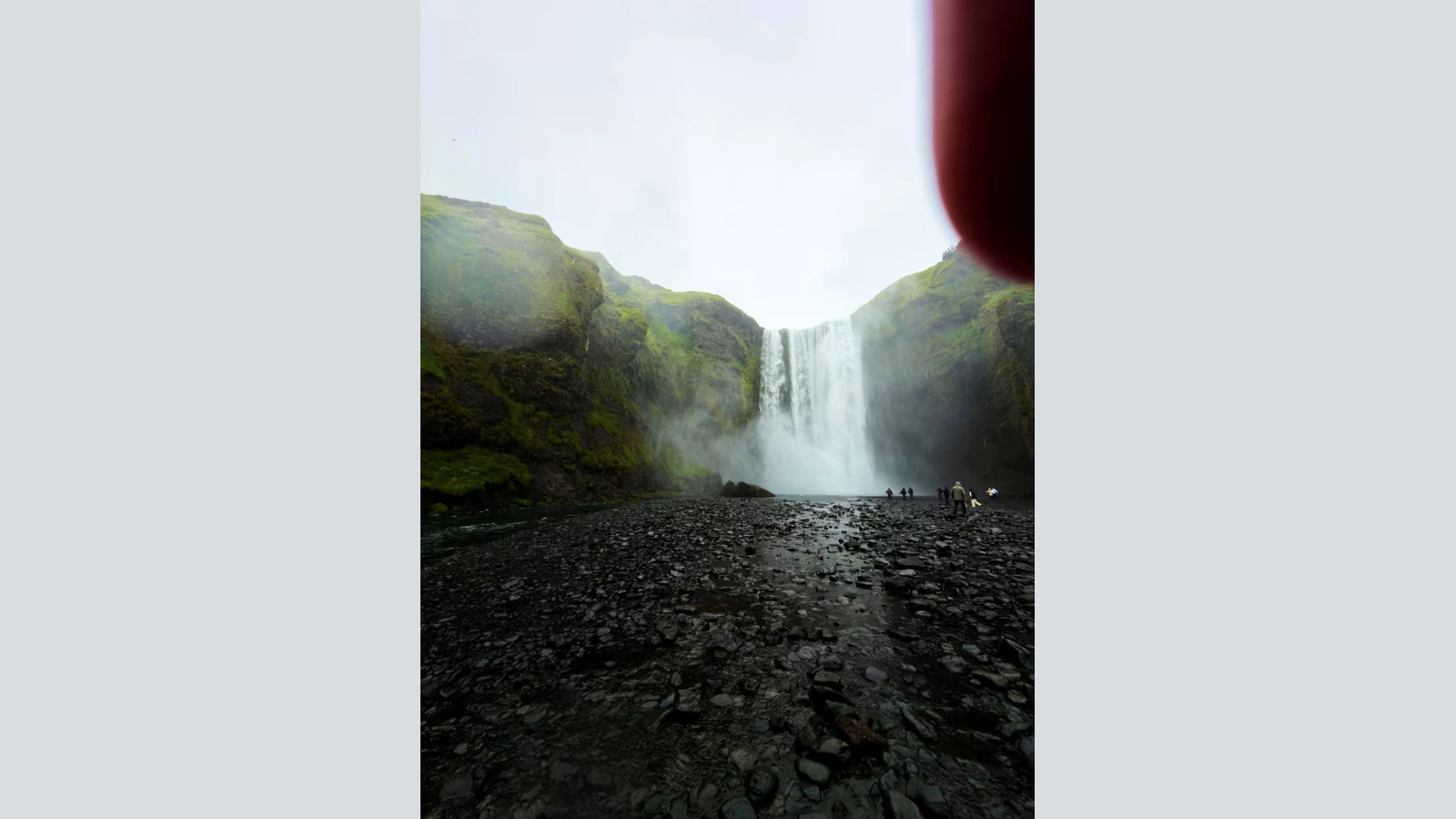
- Icelandair counted 61 images with a finger inside the frame
- Two original DNG files and their billboard versions have been released
- Processing was limited to basic RAW adjustments without changing image content
- The exhibition runs in London on 11 and 12 September 2026
Blanche Mortemard returned from her ten-day journey through Iceland with 5,484 photographs — and Icelandair has now published the results, together with the original RAW files and the versions used on billboards.
The French woman selected from 127,642 applicants for the role of a “really bad photographer” travelled about 2,500 kilometres across Iceland. Her camera roll included 61 photographs with a finger in the frame, while PetaPixel also reports 462 shaky or blurry images and 282 pictures containing objects that are difficult to identify.
The reveal matters beyond the campaign’s humour because Icelandair chose to show openly where capture ends and processing begins. The original files for two images are available for inspection, and the final versions are limited to basic RAW rendering, without generative fill, sky replacement or any attempt to “rescue” the composition.
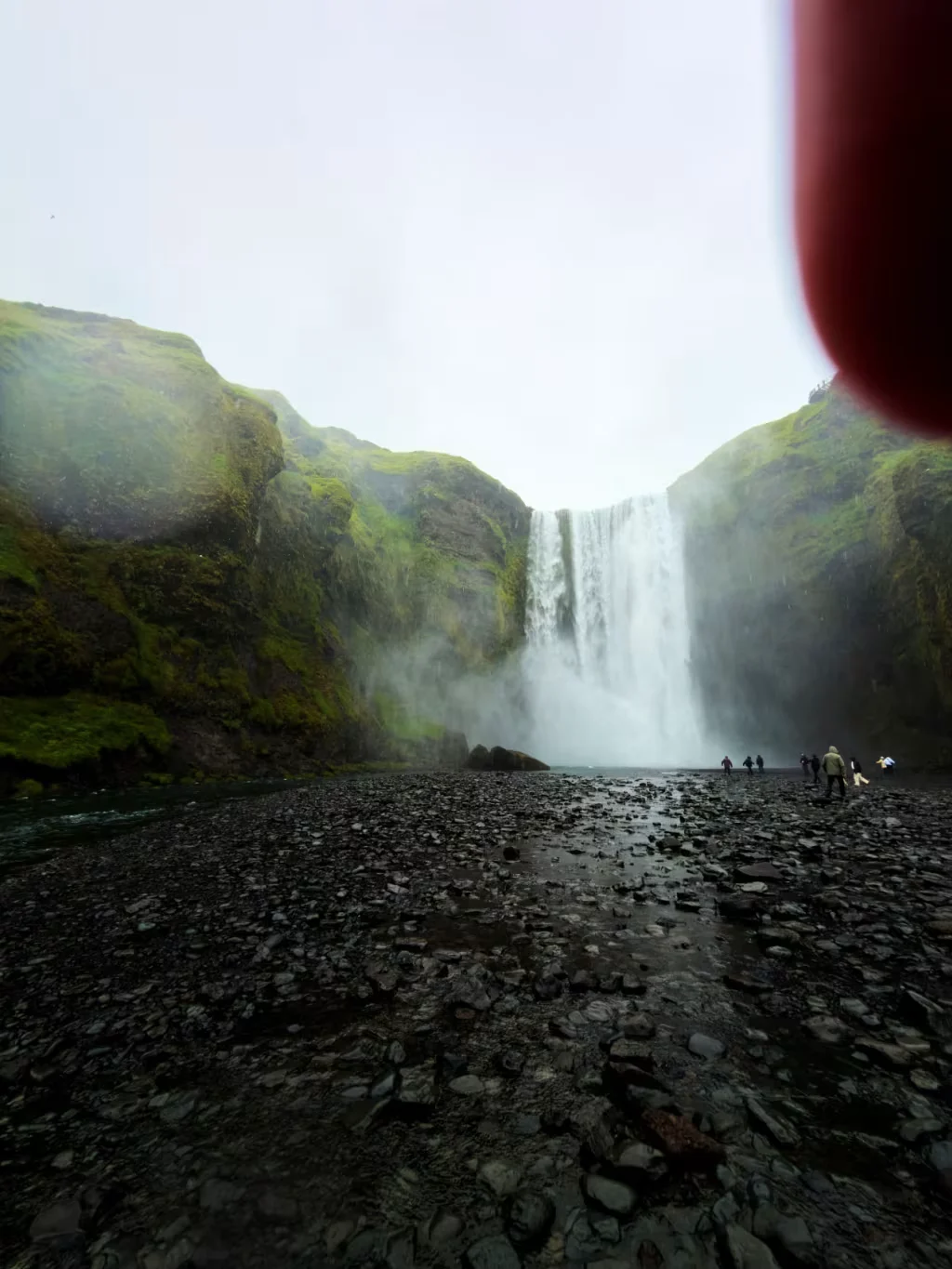
From 127,642 applications to 5,484 photographs
The campaign began in spring 2026, when Icelandair sought an amateur without a professional background and with little interest in learning photography. PTTL covered the original unusual job call, which offered a US$50,000 fee and an approximately ten-day trip with expenses covered.
The response exceeded every expectation. The airline received 127,642 applications from 176 countries and spent more than 2,000 hours screening and interviewing candidates. It selected Paris-area resident Blanche Mortemard in June, when PTTL also covered the announcement of the winner.
During the journey, Mortemard travelled past waterfalls, glaciers, black-sand beaches and puffin habitats while dealing with Iceland’s unpredictable weather. Icelandair documented the trip in 11 episodes and now presents the final collection as the last stage of the experiment.
The two RAW files that show what actually changed
To document the process, Icelandair released two original DNG files: a 41 MB photograph of Skógafoss and a 73 MB image of Vestrahorn. In the official gallery, the first image in each pair is a basic conversion of the camera file and the second is the version used on billboards.
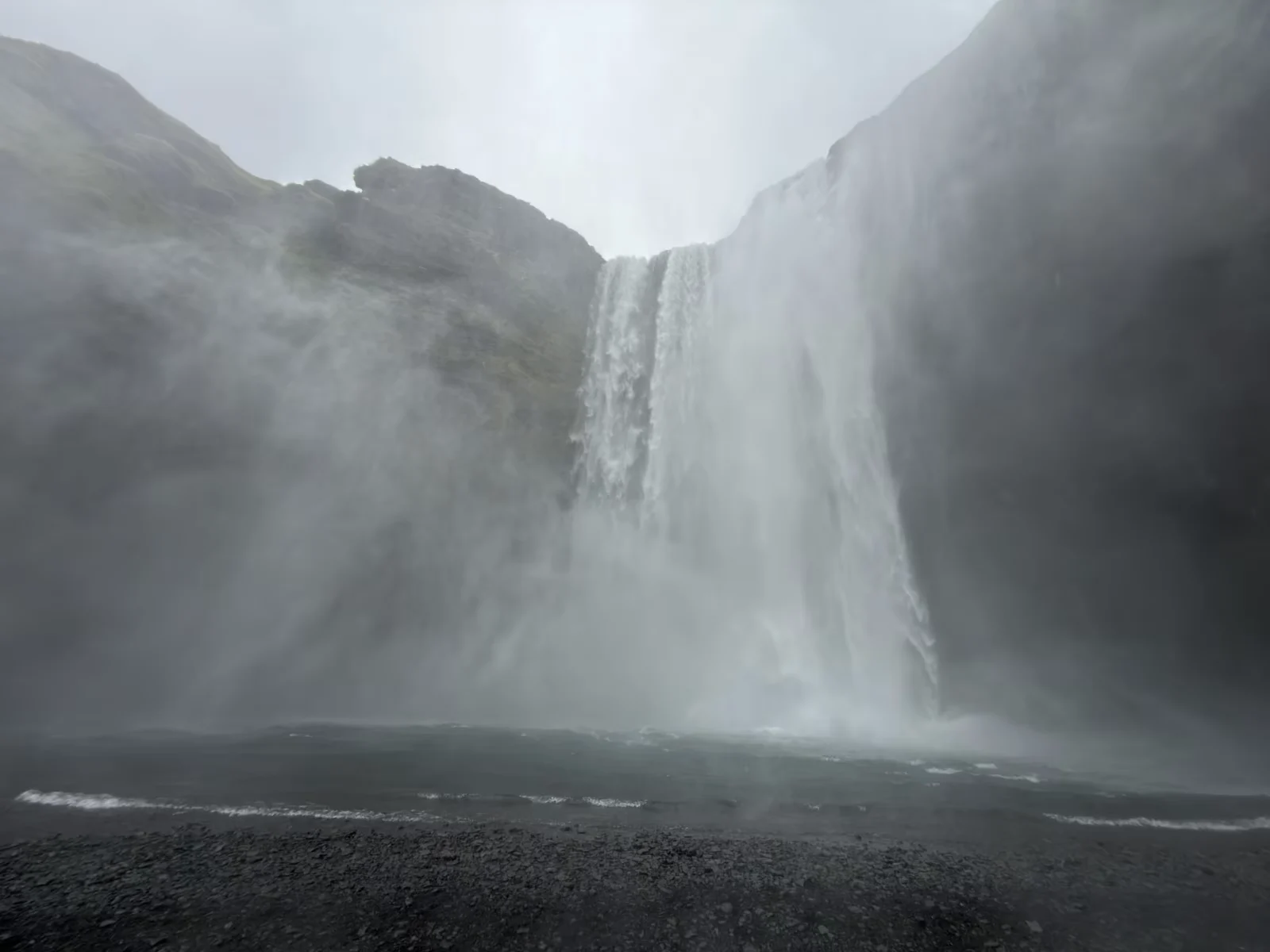
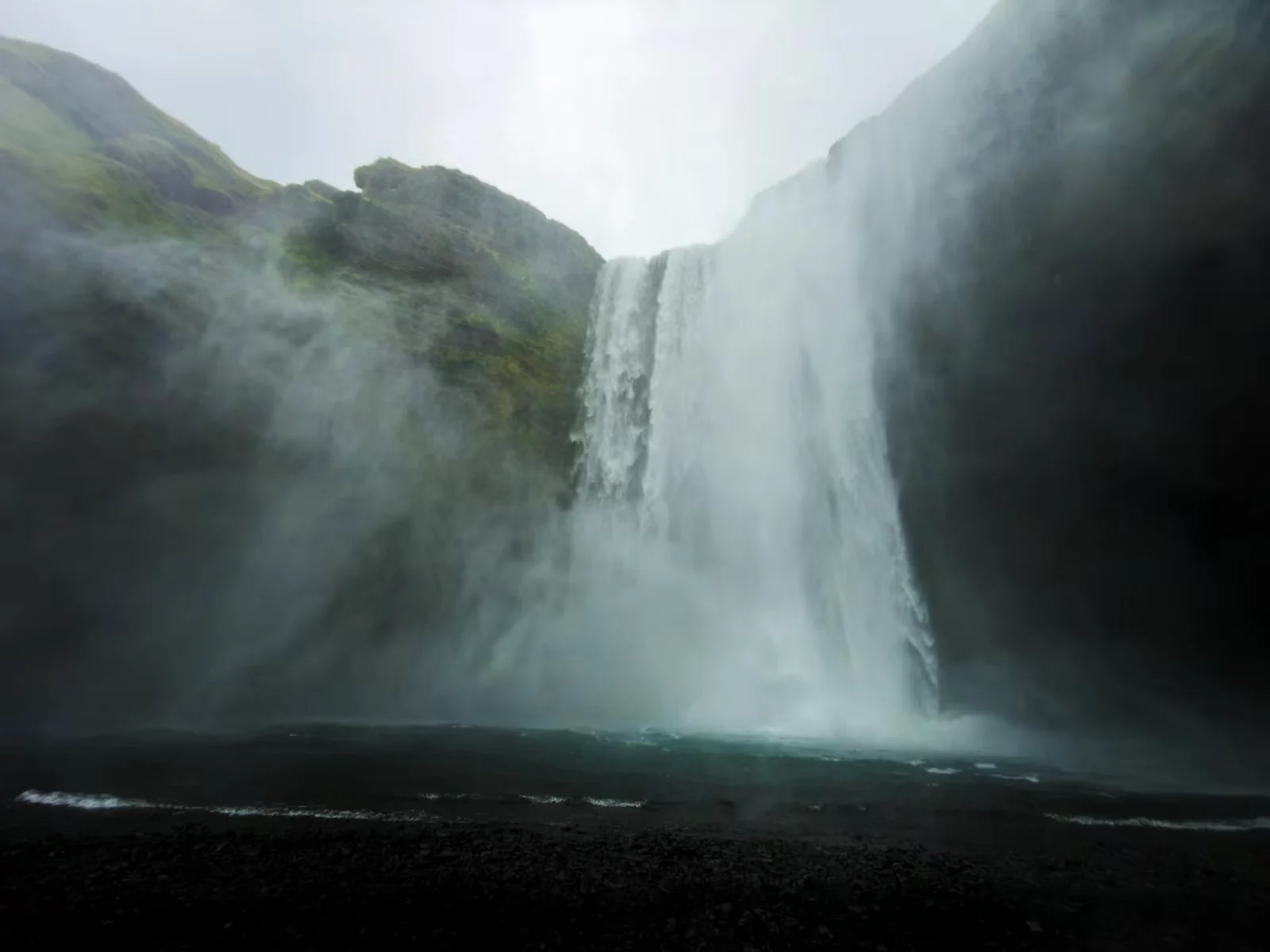
The difference in the Skógafoss photograph mainly comes from exposure, white-balance, colour and contrast rendering. The composition and objects within the frame remain unchanged, even when a passer-by or an awkward camera angle does not serve an ideal tourism image.
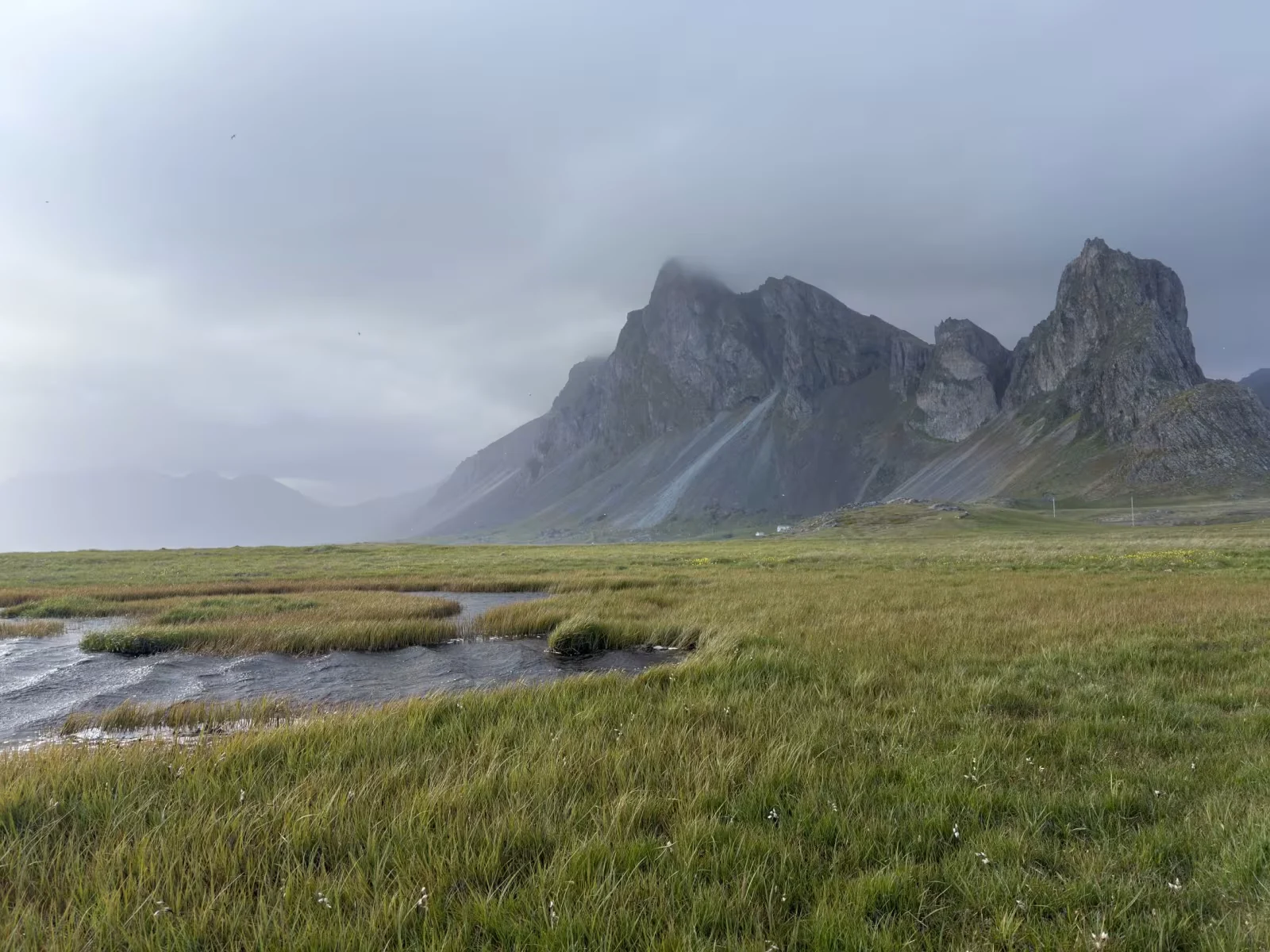
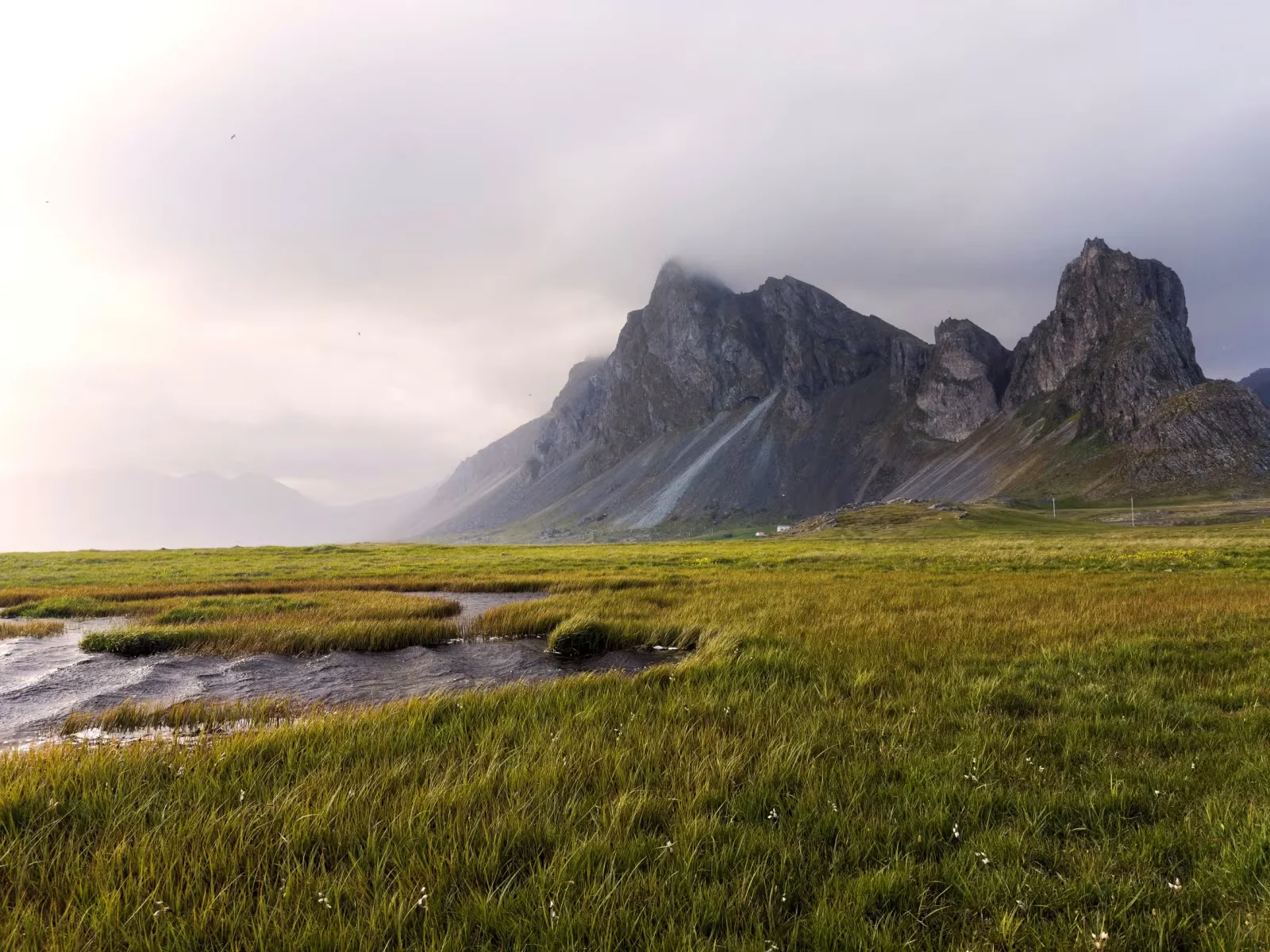
In the Vestrahorn photograph, the final image has cleaner tonality and a stronger colour presence, but no dramatic sky was added, the water was not turned artificially turquoise and no element was removed. Icelandair says it followed World Press Photo editing rules: processing is allowed, but image content must remain unchanged and colour, contrast and other adjustments must not misrepresent what the camera recorded.
No AI and no attempt to “save” the composition
The project continues Icelandair’s “The Real Unreal” campaign, through which the airline stated in 2025 that it does not use AI-generated images to represent Iceland. Its premise is that the landscape does not require artificial enhancement — or even perfect photography — to have a visual impact.
That does not mean the images are entirely unprocessed. RAW files need interpretation before they can be displayed or printed because white balance, exposure and colour are not delivered as a finished image inside the file. The important distinction is between technically rendering the camera data and changing the real content of the scene.
The official “Blanche’s camera roll” video brings together the range of material and makes visible the conflict between the imperfect, the accidental and the images strong enough to become a global campaign.
The London exhibition and what comes next
The photographs will be shown at White Rabbit Studios, The Arches, 471–473 Dereham Place in London. The free exhibition is open on 11 September 2026 from 2pm to 8pm and on 12 September from 1pm to 9pm.
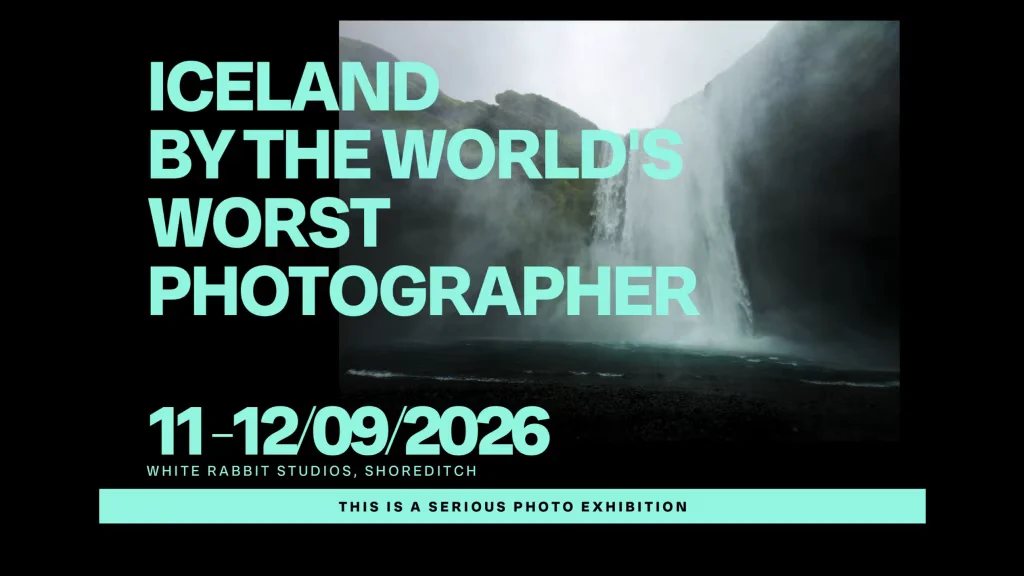
On 12 September, from 5pm to 6pm, Blanche Mortemard will discuss the ten-day journey, the photographs she made and the way an ironic job call became an international campaign. Icelandair also says it plans to take the exhibition to selected cities in Europe and North America, although no further dates have yet been announced.
What we think
The campaign works because it goes beyond the easy joke of a “bad photographer”. By publishing the RAW files, Icelandair moves the discussion towards a meaningful question: how much processing is needed to render a photograph properly, and when does processing begin to construct a different reality? Keeping the imperfections strengthens the message, as long as we remember that this is also a carefully designed advertising campaign.
Frequently asked questions
How many photographs did Blanche Mortemard take in Iceland?
She made 5,484 photographs during a ten-day journey covering about 2,500 kilometres.
How many photographs accidentally included a finger?
Icelandair reports 61 images with a finger inside the frame.
Were the billboard photographs processed?
Yes. Basic RAW adjustments were made to exposure, white balance, colour and contrast, without adding, removing or moving any elements.
Where are the original RAW files available?
Icelandair officially provides the DNG files for the Skógafoss and Vestrahorn images through its Brandcenter.
When is the London exhibition?
It runs on 11 and 12 September 2026 at White Rabbit Studios, with a talk by Blanche Mortemard on 12 September from 5pm to 6pm.