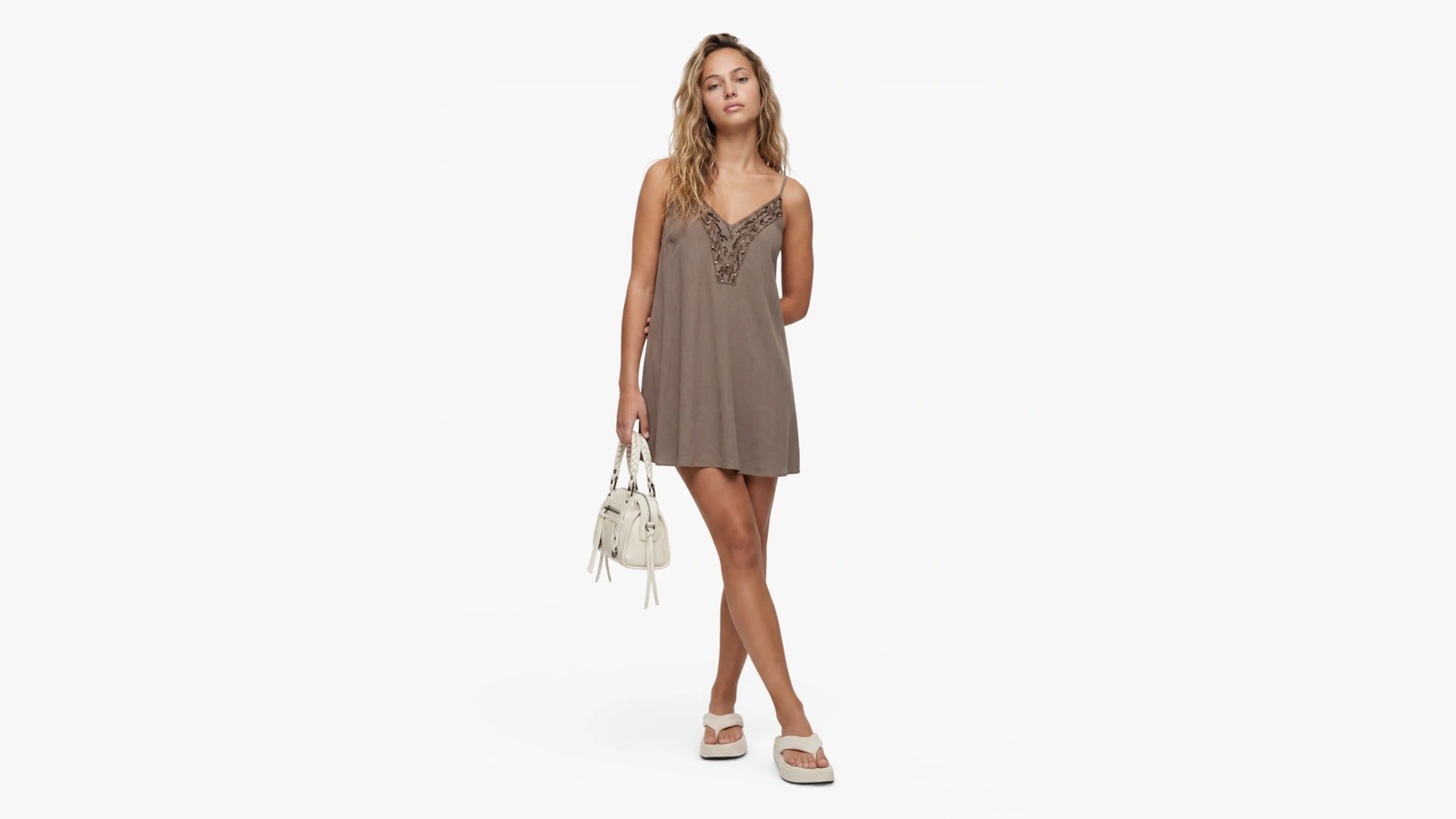
Summary
- A Reuters investigation documents fashion’s move towards AI and photo studio closures.
- SCAYLE STUDIOS is expanding digital product image production.
- Proposed contracts seek rights to digital replicas and AI training.
- Consent and compensation are central concerns.
According to a Reuters investigation, fashion’s shift to AI imagery has reached physical photo studios, with facilities closing and contracts seeking broader rights to reuse models’ likenesses.
H&M’s digital twins pointed towards this approach: a model can appear in new images without returning to a set. The discussion now extends to the infrastructure used to produce those images.
Studios close as production moves online
Zalando closed both its Berlin photo studios in 2025. About You, acquired that July, also closed its studio. More than 340 positions were cut, although the company says some employees moved to other roles.
About You’s SCAYLE STUDIOS now has 130 clients and generated 190,000 outfits in a month, according to a company spokesperson.
The production process starts with the product
About You officially introduced SCAYLE STUDIOS on July 20, 2026. Users upload a product image, choose a digital model, outfit, set and pose, generate images, then retouch and approve them. The service operates in Europe and the US.
The company says roughly 90% of About You’s e-commerce productions use AI workflows, at approximately 90% lower cost and with more than 95% faster time to market. These are company figures based on its own production.
The platform expands an image of a garment into content for product pages, social media and video. A photographic record of the product remains a starting point, while its presentation on a body, in a pose and in a setting can be generated digitally.
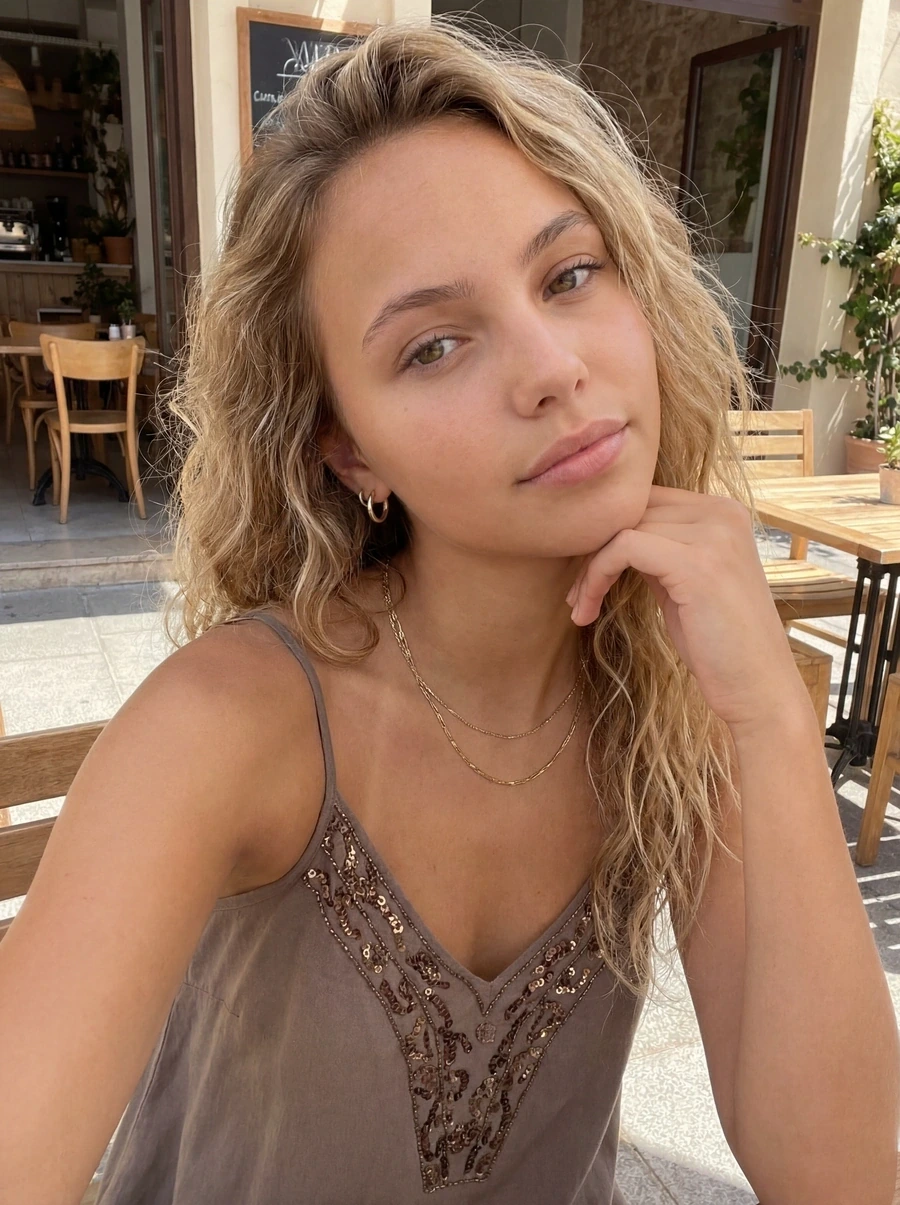
More information here.
What the contracts ask of models
Reuters examined photo-shoot contracts and proposed terms for AI use as part of its investigation. The proposed terms vary considerably, as do the companies’ responses:
| Company | Proposed terms and response |
|---|---|
| Diesel | Face and body alterations, including face swaps. Parent OTB says the terms were campaign-specific rather than typical practice. |
| Calvin Klein | AI training on unrecognisable model images without extra pay. The brand says it is testing the technology while respecting rights. |
| Reale Actives | Replica rights for one year without extra pay. It denies creating replicas and attributes the wording to a production partner. |
| L’Oréal | AI terms covering products and retouching. It says its editing does not affect the model’s likeness. |
Such a clause in a draft agreement shows which rights are being sought. Establishing whether a digital replica was actually used requires separate evidence.
Consent needs to specify the use
In New York, relevant Fashion Workers Act duties took effect on June 19, 2025. Creating or using a digital replica requires clear written approval specifying scope, purpose, pay and duration. A new campaign outside the original permission requires fresh approval.
Official guidance distinguishes digital replicas from routine colour correction and minor retouching. The key distinction is recreating or replacing a model’s appearance or performance.
What we think
For people working in photography, catalogue shoots pay real bills. They fund equipment, sustain working relationships and employ people who never appear in the finished picture. When a business removes that production from its schedule, the savings have identifiable beneficiaries and identifiable losers. New roles need actual jobs and pay attached to them to offer a meaningful response.
Hiring a model for a day while also acquiring a reusable digital version of that person changes the entire transaction. We would want the conversation to begin with which uses are paid for, for how long, and who controls them. Being technically able to generate another image does not, by itself, justify unlimited exploitation of the person who made it possible.
There is also a practical test for the product itself: customers need an accurate view of the fabric, fit and details they are buying. If a synthetic presentation is chosen, someone must be responsible for checking that accuracy. An attractive result on a screen is not sufficient to describe a real garment reliably.