Summary
- A rare Leica / Hughes Leitz 17mm f/2 appeared at Goodwill.
- Its different code suggests a possible second example of the known prototype.
- The earlier asking price is not a confirmed completed-sale figure.
A Leica / Hughes Leitz 17mm f/2 listed at a Goodwill Great Plains auction in Sioux Falls, USA, appears to be a second example of an exceptionally rare prototype previously thought to be unique.
Lenstag founder Trevor Sehrer highlighted its resemblance to the example known from Leica Store Lisse: the Goodwill lens carries the code C530-0004, while the earlier one was marked C530-0007.
The markings and unusual size
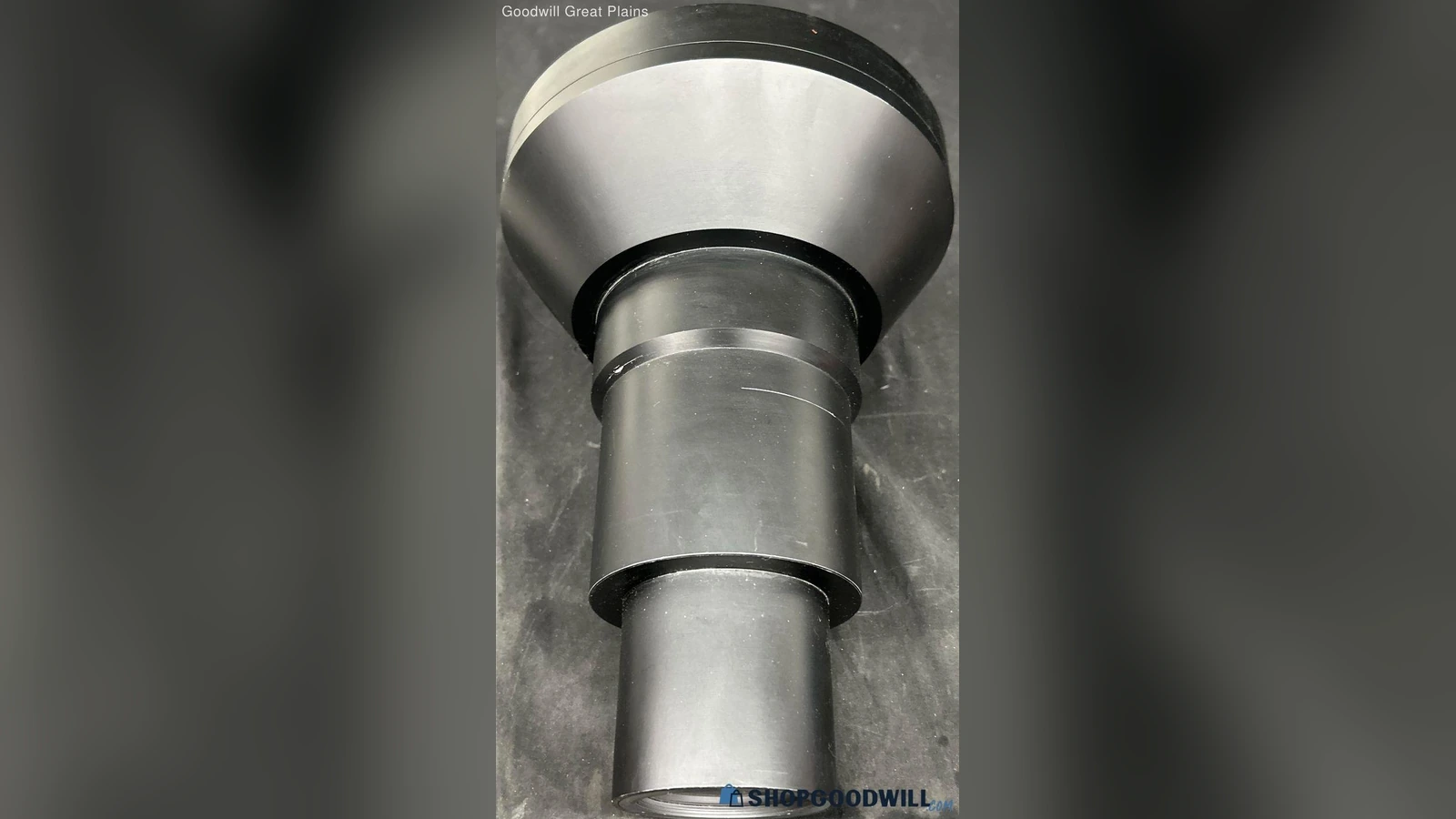
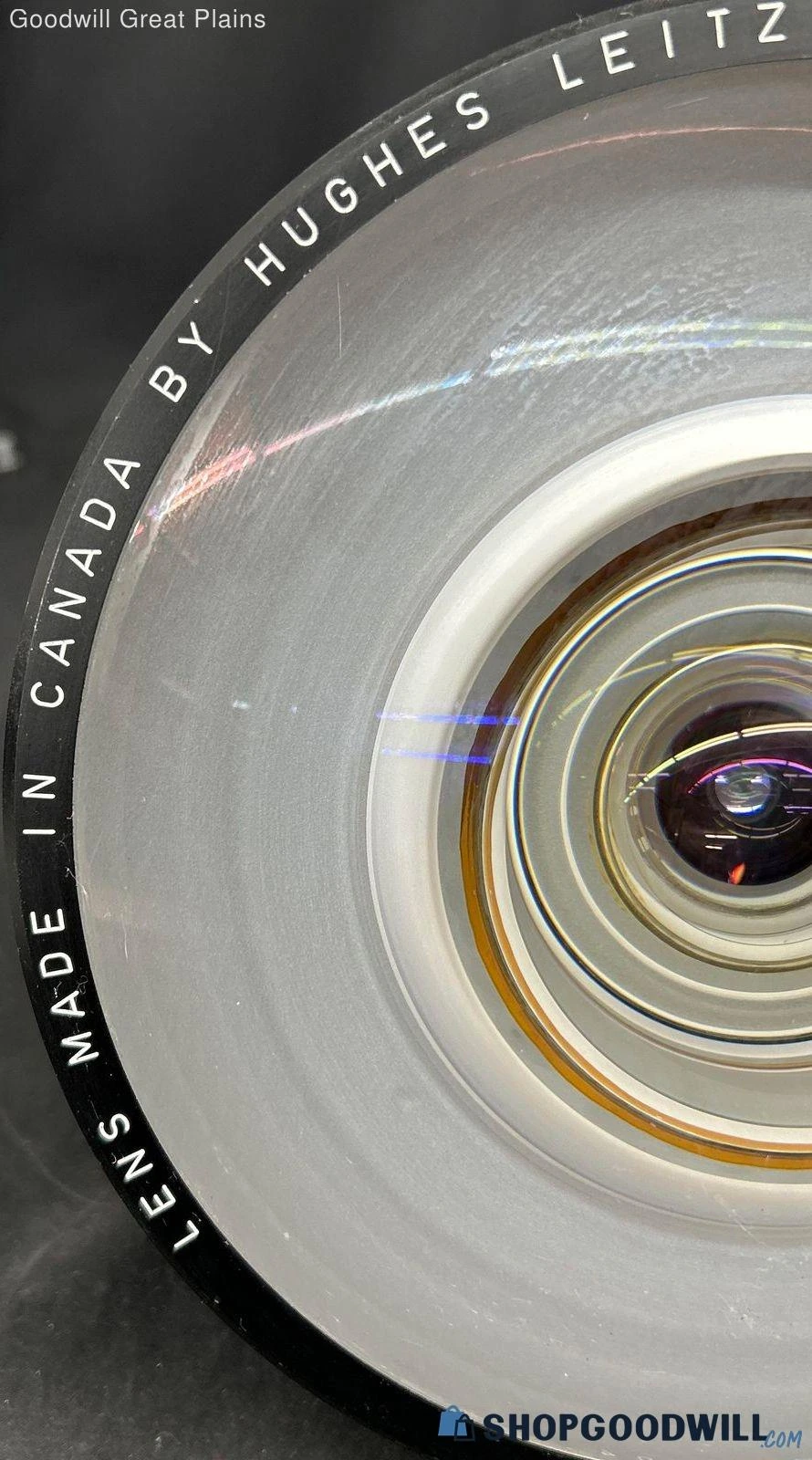
The Goodwill listing identifies the lens as a Leica / Hughes Leitz for Electrosonic 17mm f/2. The front photograph shows an inscription stating that it was made in Canada by Hughes Leitz. The side view reveals a large metal barrel with visible signs of use.
What the Leica Store Lisse example tells us
In 2021, Leica Store Lisse described its own 17mm f/2 as a unique fisheye weighing almost 12 kilograms. The store was accepting offers from €40,000, approximately $47,200 at the time. That establishes an asking price, without a confirmed completed-sale figure in the available original material.
The same historical account places likely production between November 1990 and December 1997, based on the period when the Hughes Leitz name was used. Hughes Aircraft had acquired Ernst Leitz Canada, or ELCAN; its subsequent sale to Raytheon brought the ELCAN Optical Technologies name.
Leitz’s Canadian history includes other unusual optical designs: the historical Elcan revived as the Leica Summicron-M 66 f/2 was designed for the US Navy. That background alone, however, does not establish the purpose of this particular 17mm lens.
The $3,008 bid is not a final sale price
On October 30, seven bids had been recorded, with the highest at $3,008. The auction was scheduled to end that day at 9:50pm Eastern Time. A final sale price has not been confirmed.
The lens was offered as is, with Goodwill directing prospective buyers to the photographs. Those show its shape and exterior wear, but cannot establish optical performance or compatibility with a current camera.
What we think
The most interesting part of this story is that it may change what we know about a lens. If the identification of a second example is confirmed, the description “unique” needs revisiting. For photographic equipment history, recording the markings and provenance has more lasting value than the excitement around an unexpected auction.
For anyone buying used equipment, there is also a useful distinction here: a collector’s asking price, an interim bid and a completed sale are three different figures. Without technical examination and documented provenance, comparing those numbers is not enough to call a discovery a bargain.