Summary
- Sony has announced the LYTIA 720 smartphone sensor.
- It promises 100 dB through HDR compositing and less noise than the LYTIA 700.
- It supports 4K HDR video at 60fps.
- Shipments are planned for early November 2026.
Sony has announced the LYTIA 720, a 50MP smartphone sensor promising cleaner low-light images and 100 dB of dynamic range through HDR compositing. That is numerically equivalent to around 16.6 stops — and the capture method matters as much as the number.
In its official video, Sony compares it with the LYTIA 700 under illumination of just 2 lux.
Where the nearly 17 stops come from
Hybrid Frame-HDR (HF-HDR) combines single-exposure Dual Conversion Gain-HDR data with a shorter exposure for bright areas. The first capture covers low and medium brightness; the second helps preserve intense highlights.
The 100 dB figure therefore describes the composite result, rather than the dynamic range of one conventional exposure. The conversion to stops is approximately 100/6.02. On its own, it is not a direct comparison with a camera’s measured RAW dynamic range.
The larger Sony LYTIA L910 with LOFIC technology takes a different approach to high dynamic range from a single exposure. A shared dB figure does not mean the two sensors capture an image in the same way.
Less noise without a larger sensor
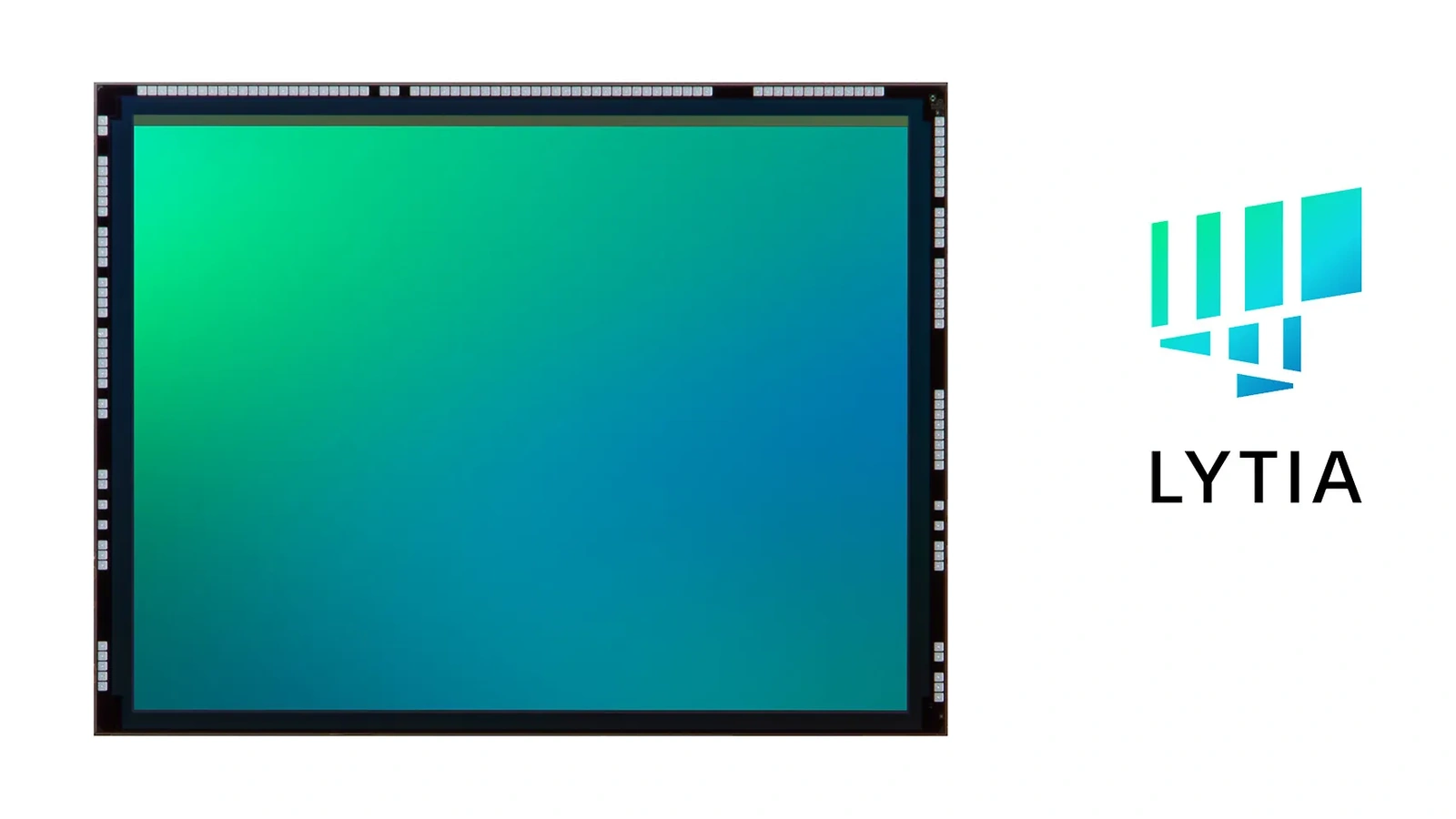
The LYTIA 720 is a Type 1/1.56 stacked CMOS sensor with a 10.24mm diagonal, 1.0μm pixels and a Quad Bayer filter. Sony designed it for the main camera in mobile devices.
Ultra High Conversion Gain (UHCG) technology improves charge-to-voltage conversion. Sony claims an approximately 50% reduction in random noise compared with the LYTIA 700. This is a specific noise claim, rather than a promise of twice the image quality in every night photograph.
4K HDR at 60fps and faster readout
The 4K 60fps video mode uses single-exposure DCG-HDR to reduce artifacts on moving subjects. Sony says optimized analog-to-digital conversion circuits shorten readout time and lower sensor power consumption.
The following maximum sensor frame rates support all-pixel autofocus. The modes offered to users will depend on each phone’s implementation.
| Mode | Maximum frame rate |
|---|---|
| 50MP, 4:3 | 30fps |
| 12.5MP, 4:3 | 90fps / 30fps with DCG-HDR |
| 4K, 16:9 | 120fps / 60fps with DCG-HDR |
Shipments from November
Mass-production shipments to manufacturers are planned for early November 2026. The announcement does not name any smartphone that will use the sensor.
What we think
For those of us shooting with a phone at night, a bright sign next to a face is a more useful test than an impressive specification. We want both a clean face and readable lettering. If the noise improvement gives us room for gentler processing, that would be a worthwhile gain: more texture and less need to smooth the image.
For video, we are particularly interested in a moving face against a strong light source. HDR earns its place when it helps us keep the shot without having to choose between a blown-out background and an underexposed subject.