


Summary
- New Sony LYTIA L910 50 MP sensor
- First use of LOFIC technology in the LYTIA lineup
- 100 dB dynamic range with a single exposure
- Reduced noise in low-light conditions
- 4K HDR video at 60fps
- Available from summer 2026
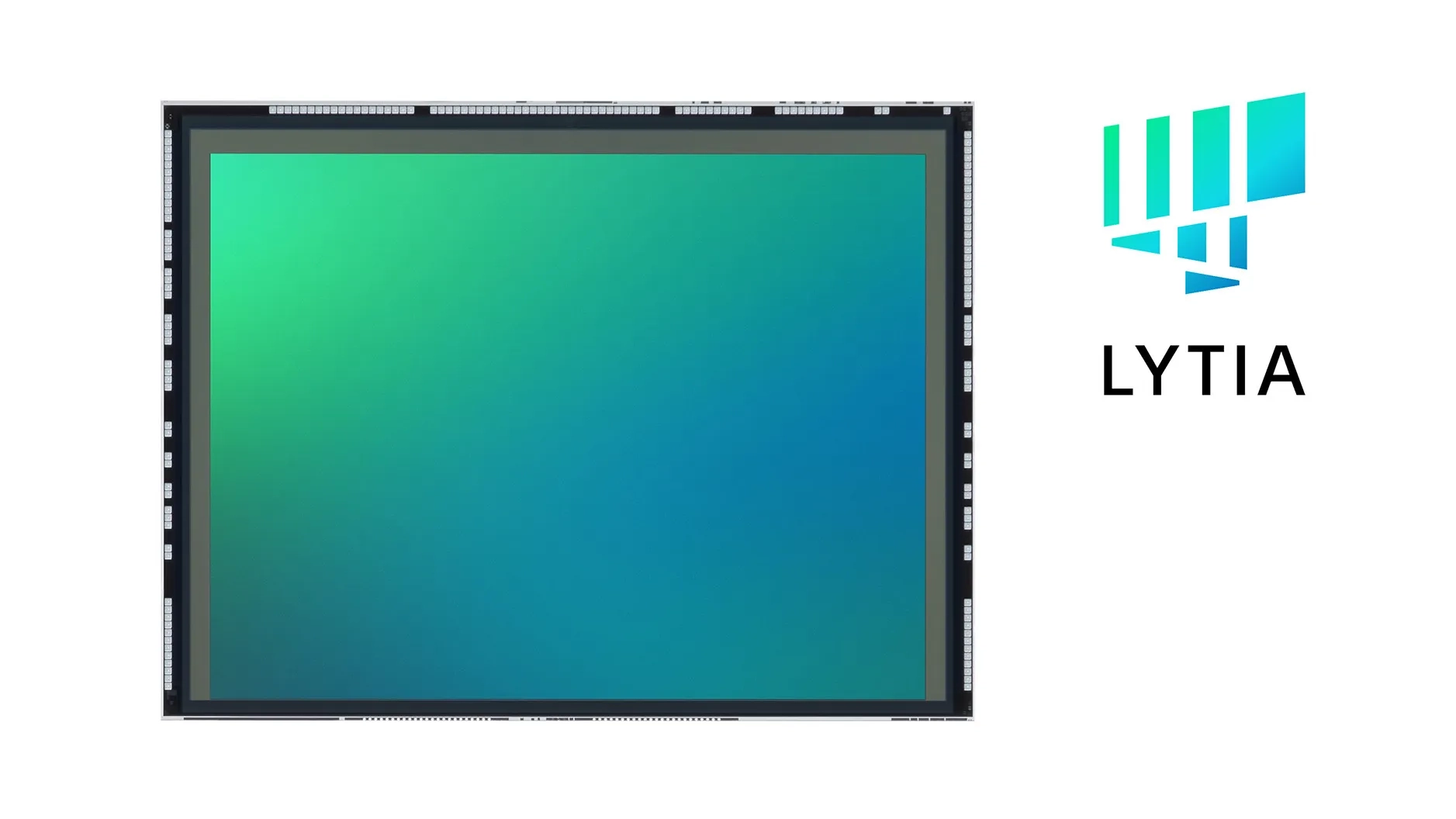
Sony has announced the new LYTIA L910 image sensor for mobile devices, bringing 100 dB dynamic range, improved image quality and lower power consumption.
The new sensor joins the LYTIA lineup and is aimed at smartphone manufacturers looking for better performance in demanding lighting conditions for both photography and video.
The announcement is significant as users continue to demand better night photography, HDR video capabilities and improved performance in high-contrast scenes. Sony aims to address these needs with new technologies that improve both dynamic range and power efficiency.
The first LYTIA sensor with LOFIC technology
The LYTIA L910 is a stacked CMOS sensor with approximately 50 effective megapixels and a 1/1.28-inch optical format. It is the first model in the LYTIA family to feature the LOFIC (Lateral Overflow Integration Capacitor) structure.
This architecture helps reduce highlight clipping while preserving more detail in shadow areas.
100 dB dynamic range with a single exposure
One of the most important features of the new sensor is its ability to achieve 100 dB dynamic range using a single exposure.
Sony combines the LOFIC structure with its new Triple Conversion Gain HDR (TCG-HDR) technology, which reads image data from a single exposure at three different conversion gain levels. This reduces both blown highlights and noise in darker parts of the image.
Unlike multi-exposure HDR approaches, the single-exposure method minimizes motion blur and light flicker artifacts.
Better low-light performance
Sony also incorporates Ultra High Conversion Gain technology, which improves the efficiency of converting light into electrical signals.
According to the company, random noise is reduced by approximately 30% compared to previous solutions, improving image quality in low-light and night photography scenarios.
4K HDR video at 60fps with lower power consumption
The new sensor was also designed with video recording in mind. Sony states that it can record 4K HDR video at 60 frames per second while maintaining low power consumption thanks to an optimized circuit design.
This should help smartphone manufacturers deliver high-quality video recording without significantly affecting battery life or thermal performance.
When it will appear in smartphones
Sony announced that mass production shipments of the LYTIA L910 are expected to begin during summer 2026. As a result, the first smartphones featuring the new sensor could reach the market in late 2026 or early 2027.
What we think
Sony continues to invest heavily in image sensor technology, a field where it remains a dominant supplier for the smartphone industry. The LYTIA L910 demonstrates that the next major battle is not about megapixels alone, but about image quality in challenging lighting conditions, HDR performance and energy efficiency.
Frequently Asked Questions
How many megapixels does the new sensor have?
The LYTIA L910 offers approximately 50 effective megapixels.
What does 100 dB dynamic range mean?
It means the sensor can capture very bright and very dark areas of the same scene with greater detail.
Does it support 4K video?
Yes, it supports 4K HDR video recording at 60 frames per second.
When will it appear in smartphones?
The first devices are expected in late 2026 or early 2027.