Summary
- Our picks are the Fujifilm X-S20 and X-T5, Canon EOS R8 and R7, Sony α7 IV and Nikon Z5II.
- Each model serves a different mix of photography and video needs.
- The final decision depends on the actual price, lenses and compromises that suit our work.
- Fujifilm X-S20: For creators shooting both stills and video
- Fujifilm X-T5: When photography comes first
- Canon EOS R8: Full frame with clear compromises
- Canon EOS R7: Our choice for birds and action
- Sony α7 IV: When the previous generation makes financial sense
- Nikon Z5II: A rounded starting point for Nikon full frame
- What would make us buy
- What we think
Black Friday is approaching, and these are the six cameras we would put on our own shopping list, provided the final price makes the purchase worthwhile.
Two Fujifilm, two Canon, one Sony and one Nikon, each with a different purpose: travel, street photography, portraits, wildlife or work combining stills and video. These are cameras to watch, rather than confirmed Black Friday deals.
Fujifilm X-S20: For creators shooting both stills and video
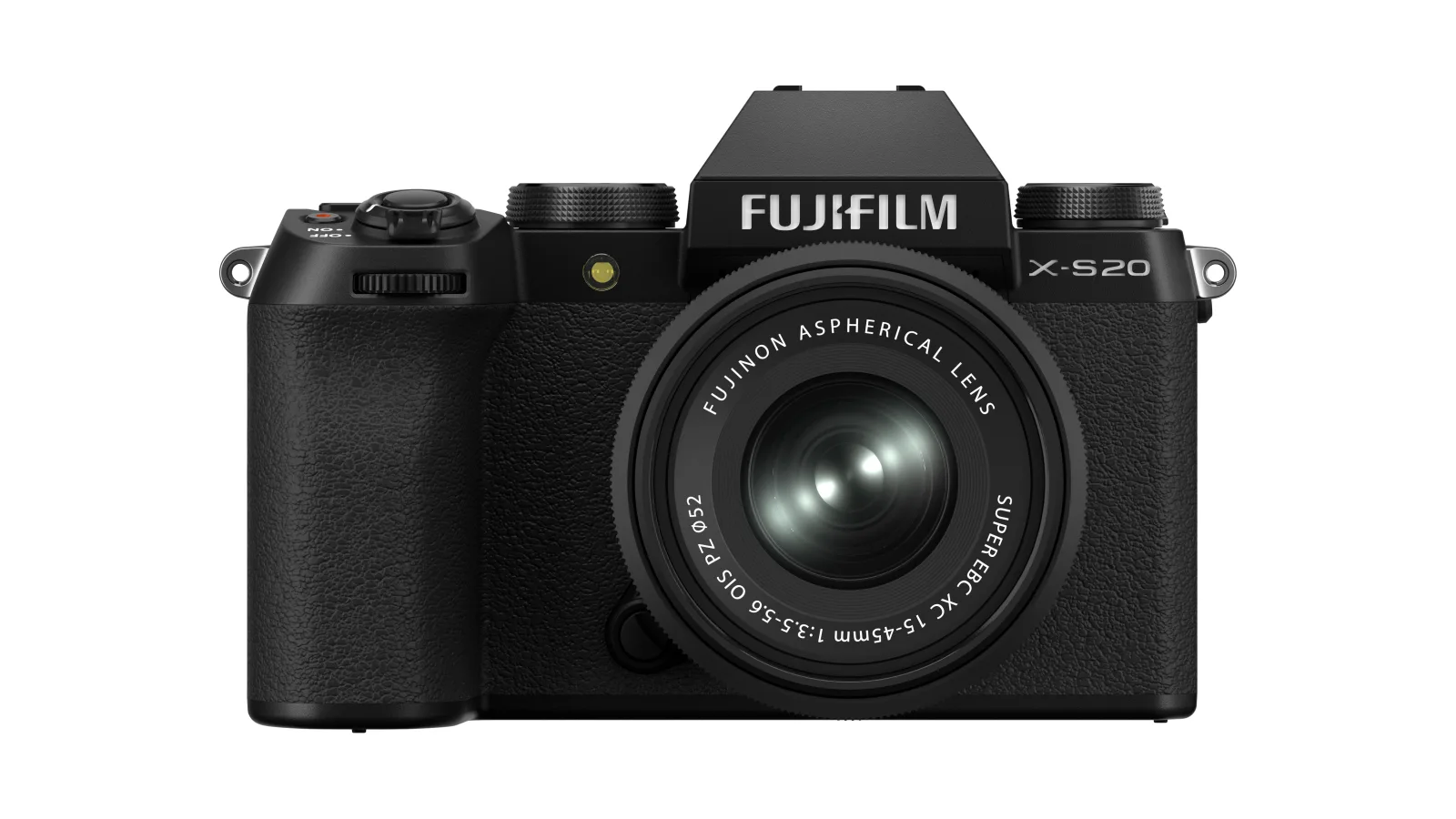
The X-S20 combines a 26.1MP APS-C sensor, in-body stabilisation and internal 6.2K/30p 10-bit recording. Its 3:2 open-gate capture is useful when one shoot needs to deliver both landscape video and vertical clips. A fully articulating screen helps when working in front of the lens.
We would choose it for a compact hybrid system, including a suitable lens in the budget. The single card slot is a compromise for jobs requiring simultaneous backup. Following Fujifilm’s price increases in Greece, comparing price history matters more than simply looking at a crossed-out reference price.
More information here.
Fujifilm X-T5: When photography comes first
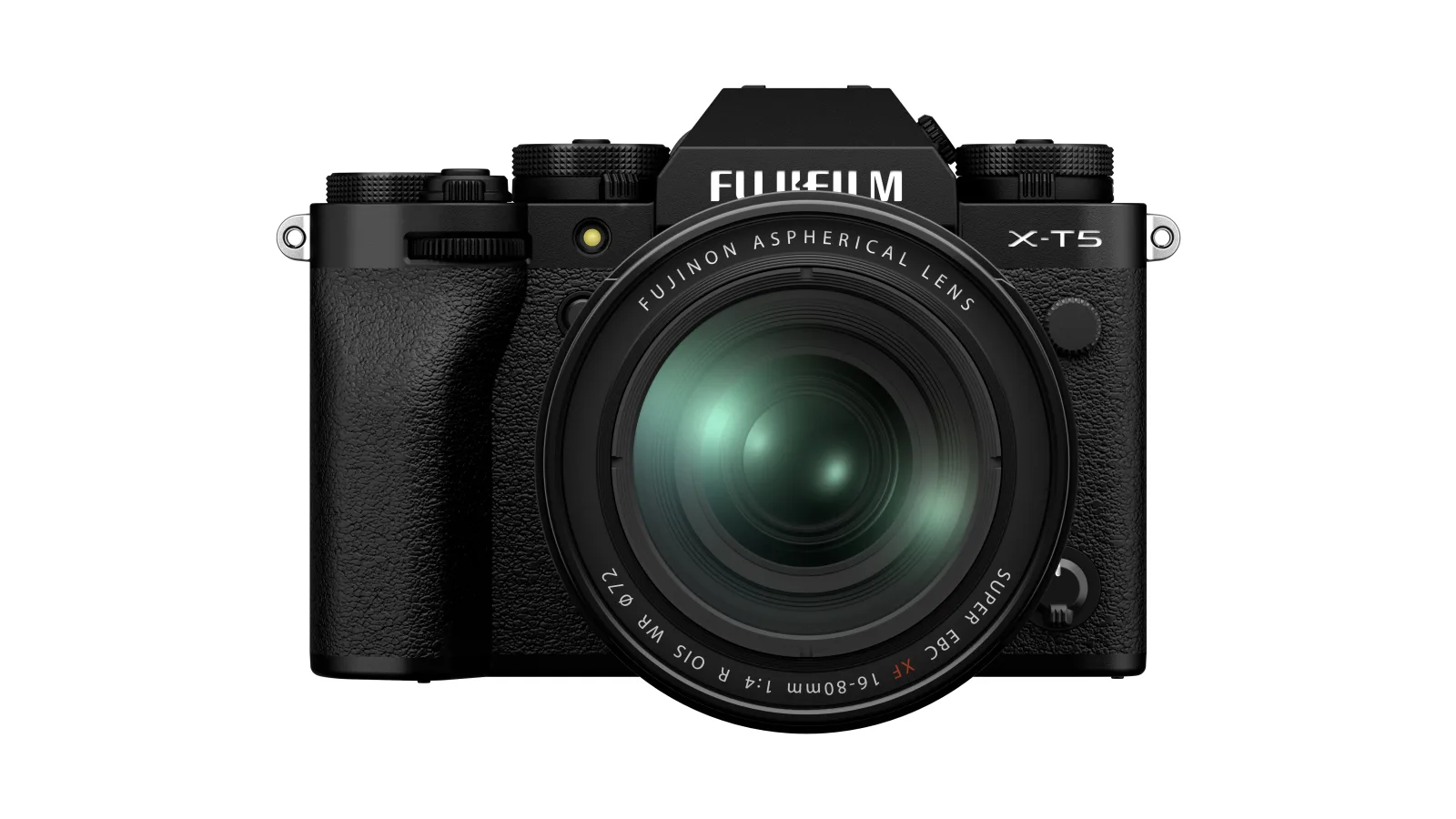
The X-T5 would be our pick for a photographer wanting a high-resolution APS-C body: its 40.2MP sensor leaves room for cropping and large prints. It offers in-body stabilisation, two SD slots and physical exposure dials, alongside a screen that tilts in three directions.
We would consider it for landscapes, travel and street photography. Its screen favours stills shooting over monitoring yourself while filming. Extra megapixels are valuable when you use them: if higher resolution is unnecessary, we would keep more of the budget for a better lens.
More information here.
Canon EOS R8: Full frame with clear compromises
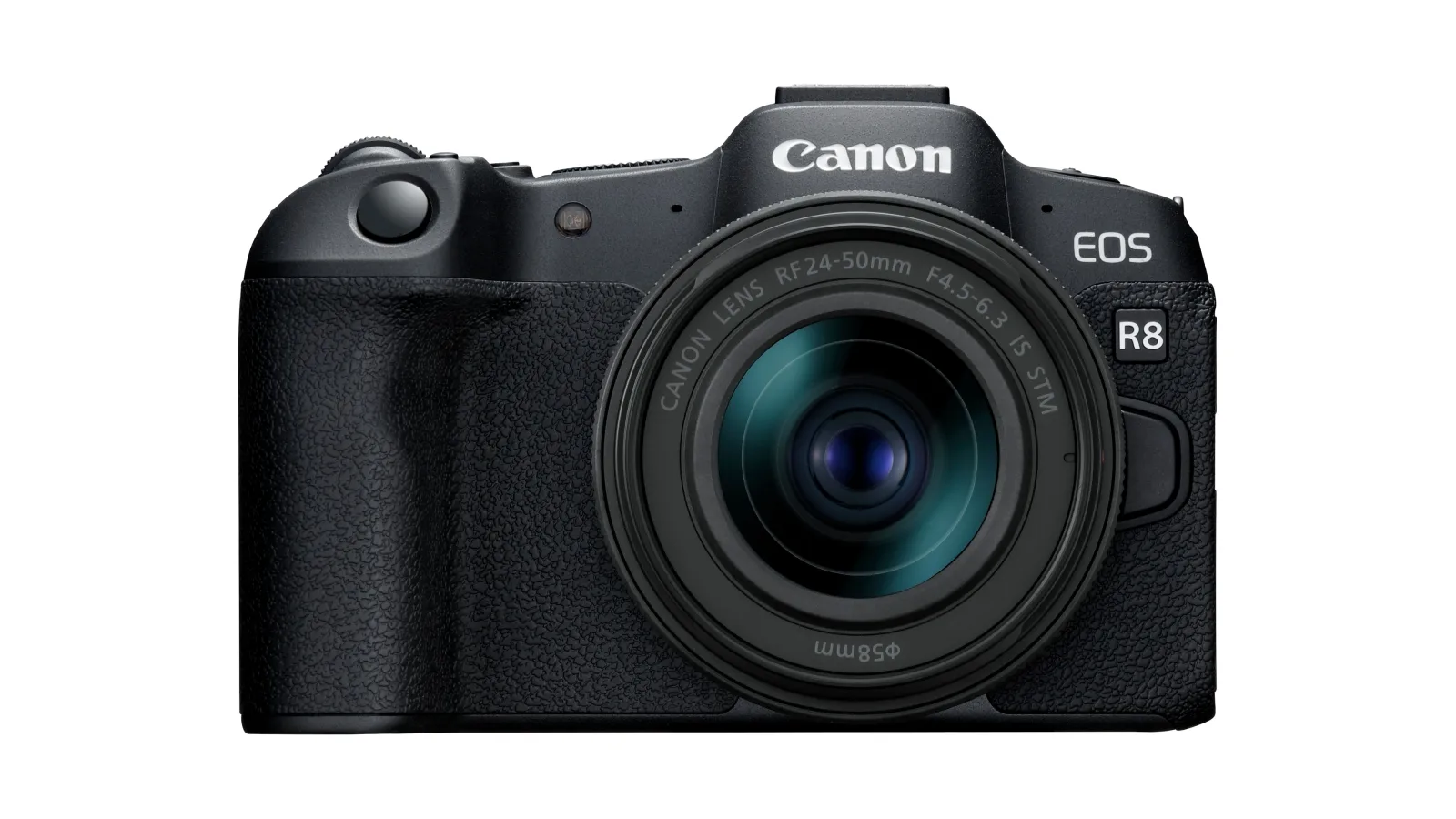
The EOS R8 combines a 24.2MP full-frame sensor, Dual Pixel CMOS AF II and 4K/60p oversampled from 6K, without a crop in that mode. It is worth considering for portraits, travel and video when a small, lightweight body is a priority.
The main trade-off we would assess before buying is the absence of sensor-shift stabilisation. The R8 also has a single SD slot. We would buy when the combined body-and-lens price offers a meaningful saving, budgeting for an additional battery and whatever support our filming requires.
More information here.
Canon EOS R7: Our choice for birds and action
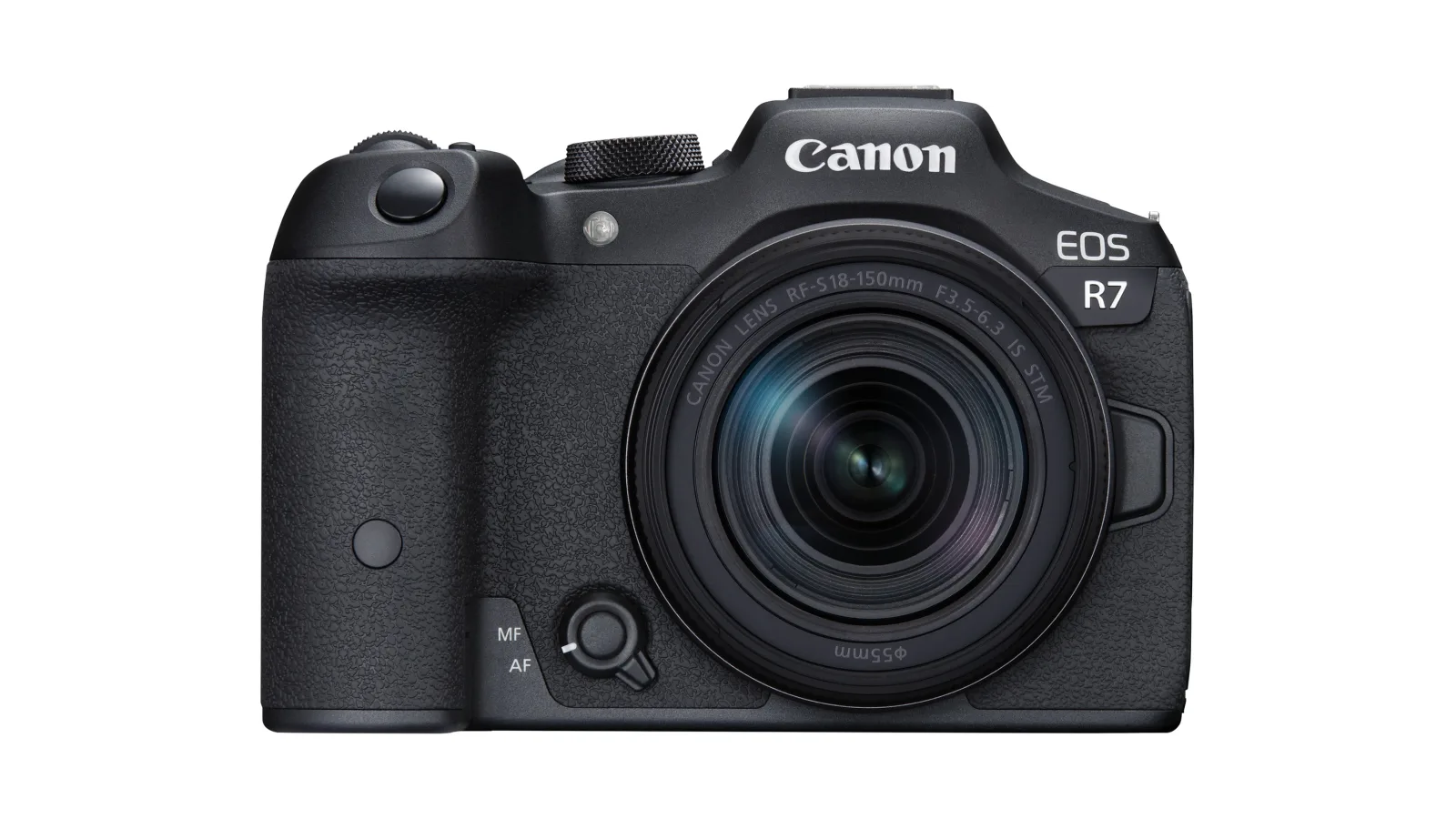
For wildlife, the R7 makes a different case: a 32.5MP APS-C sensor, up to 15fps with the mechanical shutter, in-body stabilisation and two SD slots. The smaller sensor delivers a tighter frame with the same lens, useful for distant subjects, although it does not change the actual focal length.
We would choose it as part of a telephoto system, considering total weight and cost. The electronic shutter’s maximum 30fps would not be a reason to buy on its own: rolling shutter needs care with fast movement and panning. The mechanical shutter remains an important tool for this work.
More information here.
Sony α7 IV: When the previous generation makes financial sense
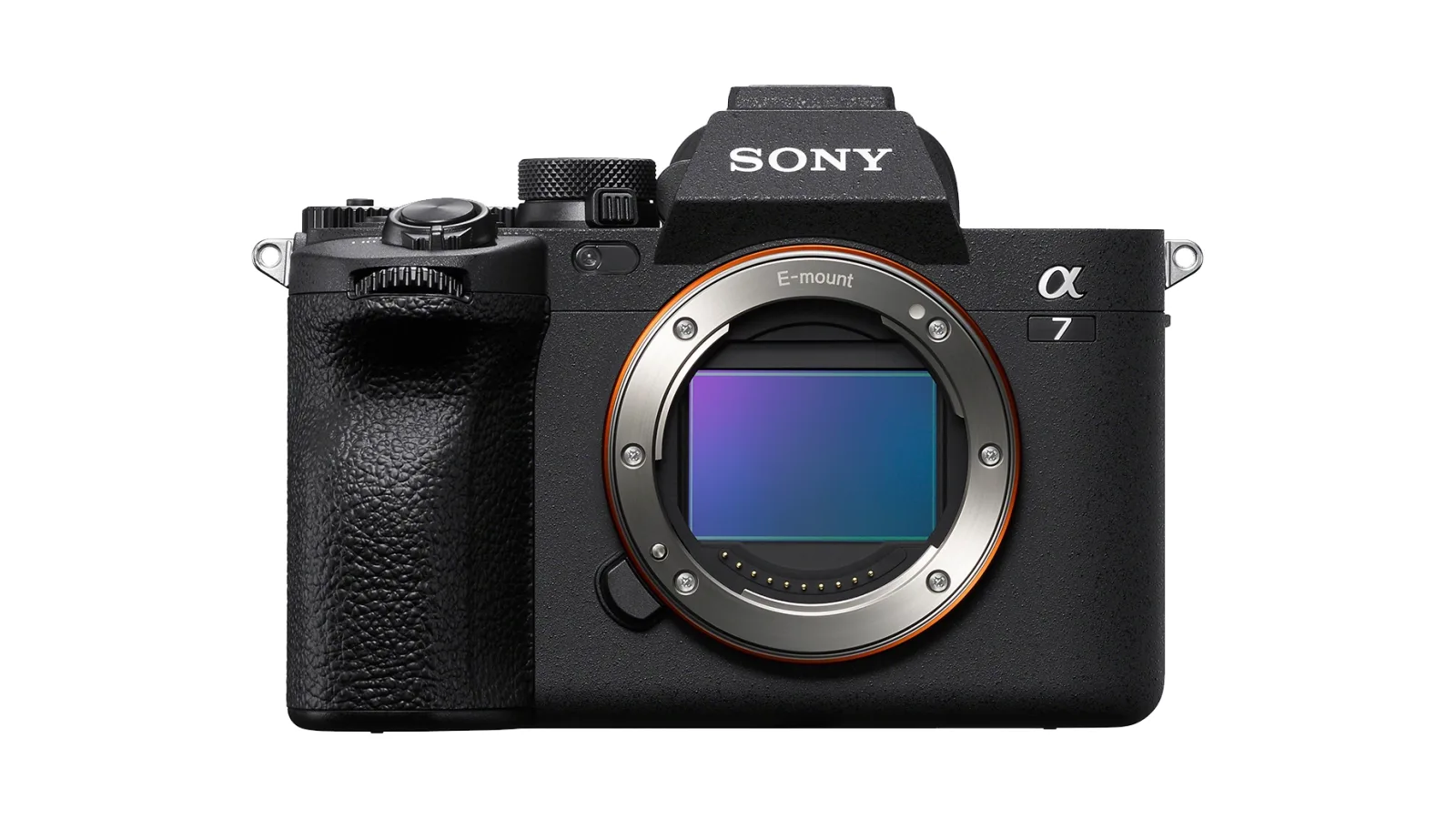
The α7 IV retains a balanced specification: a 33MP full-frame sensor, stabilisation, two card slots and internal 10-bit 4:2:2 video. We would consider it for portraits, events and productions requiring stills and video from the same body.
The key limitation for filmmakers is specific: 4K/50p and 60p use Super 35, with an approximately 1.5× crop. This changes the available wide-angle framing. We would buy with a substantial price gap to the newer generation, after confirming that our lenses deliver the framing we need at higher frame rates.
More information here.
Nikon Z5II: A rounded starting point for Nikon full frame
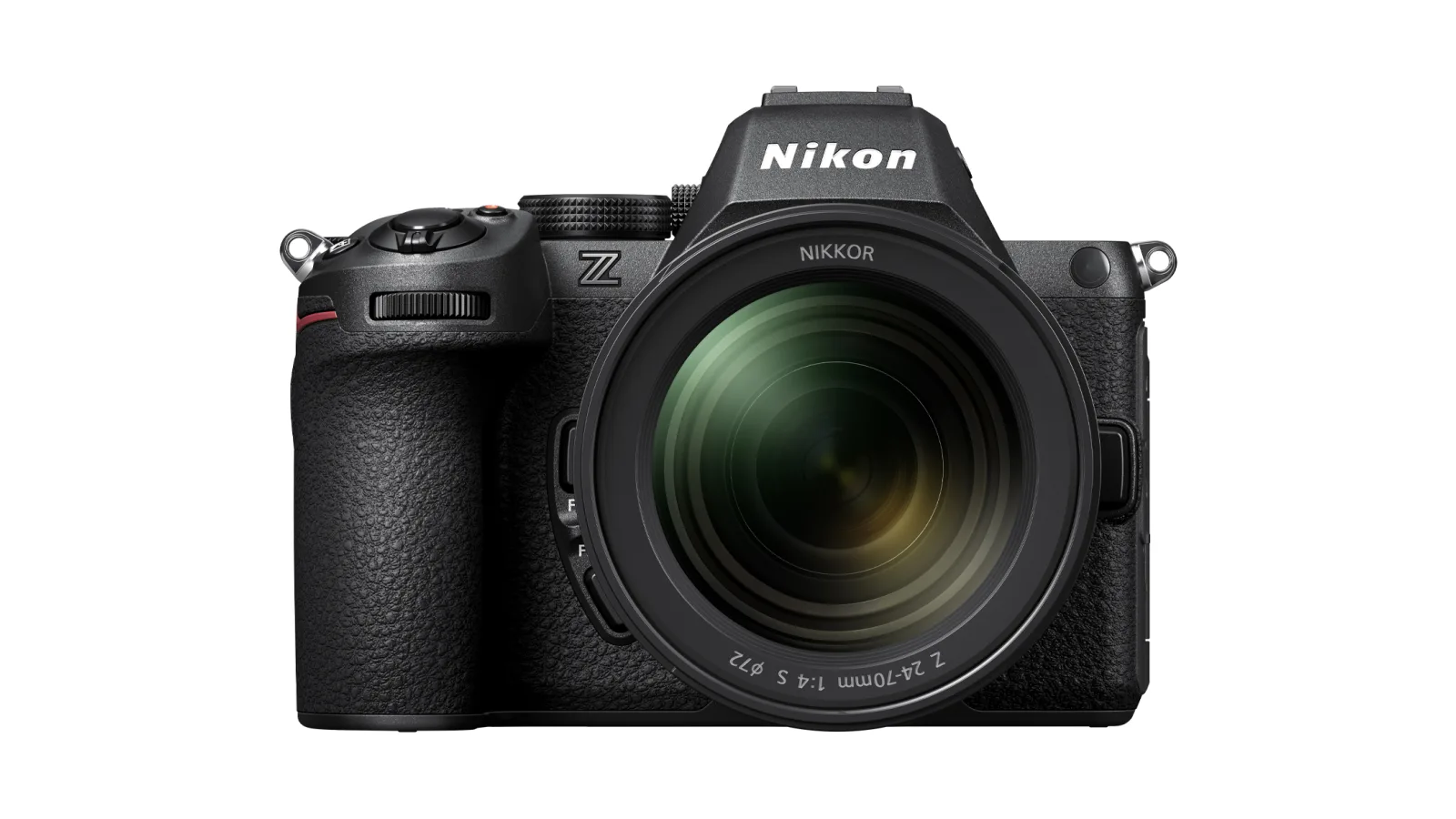
The Z5II offers a 24.5MP full-frame BSI sensor, EXPEED 7 processing, in-body stabilisation and two SD slots. Its fully articulating screen and internal N-RAW recording add options for photographers developing their video work.
We would consider it for portraits, travel and general photography, paying particular attention to the final price of a useful kit. For video, 4K/60p uses a DX area with an approximately 1.5× crop. RAW also calls for more storage and a suitable workflow; it is no reason to spend more if we do not intend to use it.
More information here.
What would make us buy
We would record the current price of the exact body or kit we want. Then we would compare the final payment, shipping, warranty and any cashback conditions. The difference between an immediate discount and a later refund matters for the money needed at checkout.
Black Friday 2026 falls on 27 November, but the value of the complete system remains the deciding factor. A cheaper body requiring more expensive lenses can become the costlier purchase. If we already own lenses and accessories, switching-system costs belong in the calculation too.
What we think
Before choosing a model, we would answer a simple question: which shot is our current equipment making difficult? A specific answer gives the purchase a direction. If the only answer is that a discount appeared, waiting is worthwhile.
We would leave room in the budget for the lens we need and for getting out to shoot. For one photographer that means a telephoto lens and a trip to a wetland; for another, a small prime and more walking around the city. The best choice among these six is the camera we will use often and keep for years.