Summary
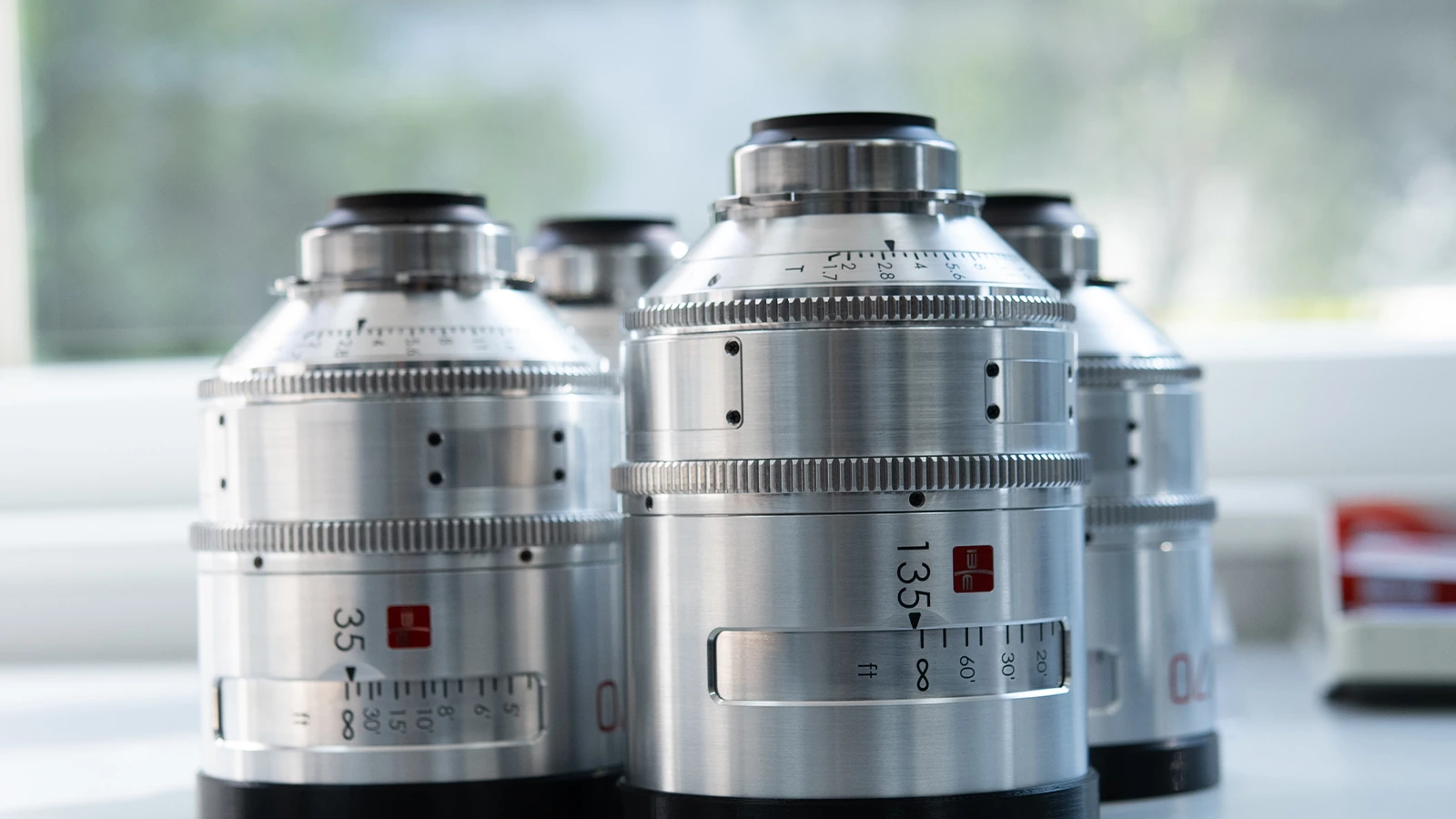
With the Sony RIALTO 65 introducing a sensor with a 64.60mm diagonal, TRIBE7 and IB/E Optics have shared more details about the K70 cine primes, a fast lens family developed to cover the full large-format image area.
The October 29, 2026 technical update coincides with a closer partnership between the two companies. This is not the first appearance of the lenses: IB/E Optics demonstrated early versions at Cine Gear in June 2025, with further information published that September.
Five lenses with confirmed full coverage, plus a wider focal length
The initial set confirmed to cover the entire RIALTO 65 sensor comprises 27mm, 37mm, 57mm, 87mm and 107mm primes. A 23.7mm option is also mentioned in reports about the broader K70 range, but the same full-coverage confirmation is not established for it. The six focal lengths being discussed should therefore not be presented as six independently confirmed full-coverage lenses.
All five primes have a maximum T1.7 aperture and, according to IB/E Optics, an image diagonal exceeding 66mm. That is larger than the RIALTO 65 sensor’s 64.60mm diagonal, allowing cinematographers to use the full 9.6K Open Gate image without relying on a crop to avoid the limits of a smaller image circle.
The Sony RIALTO 65 works with the VENICE 2 and has a 53.75 × 35.83mm sensor measuring 64.60mm diagonally. Sony also specifies a 9.6K 2.20:1 readout mode with an active diagonal of 59.04mm. That distinction matters: a lens does not need more than 64mm of coverage for every shooting mode, but it does when a production intends to use the entire sensor.
T1.7, consistent mechanics and production metadata
The family uses internal focusing, keeping barrel length consistent during focus changes. It features a common 104mm front diameter, 0.8 mod focus and iris gears, and electronic Cooke /i lens metadata. Both PL and LPL mount options are planned. These are meaningful production features for lens swaps, follow-focus systems, matte boxes and lens data that can be useful to post-production and VFX teams.
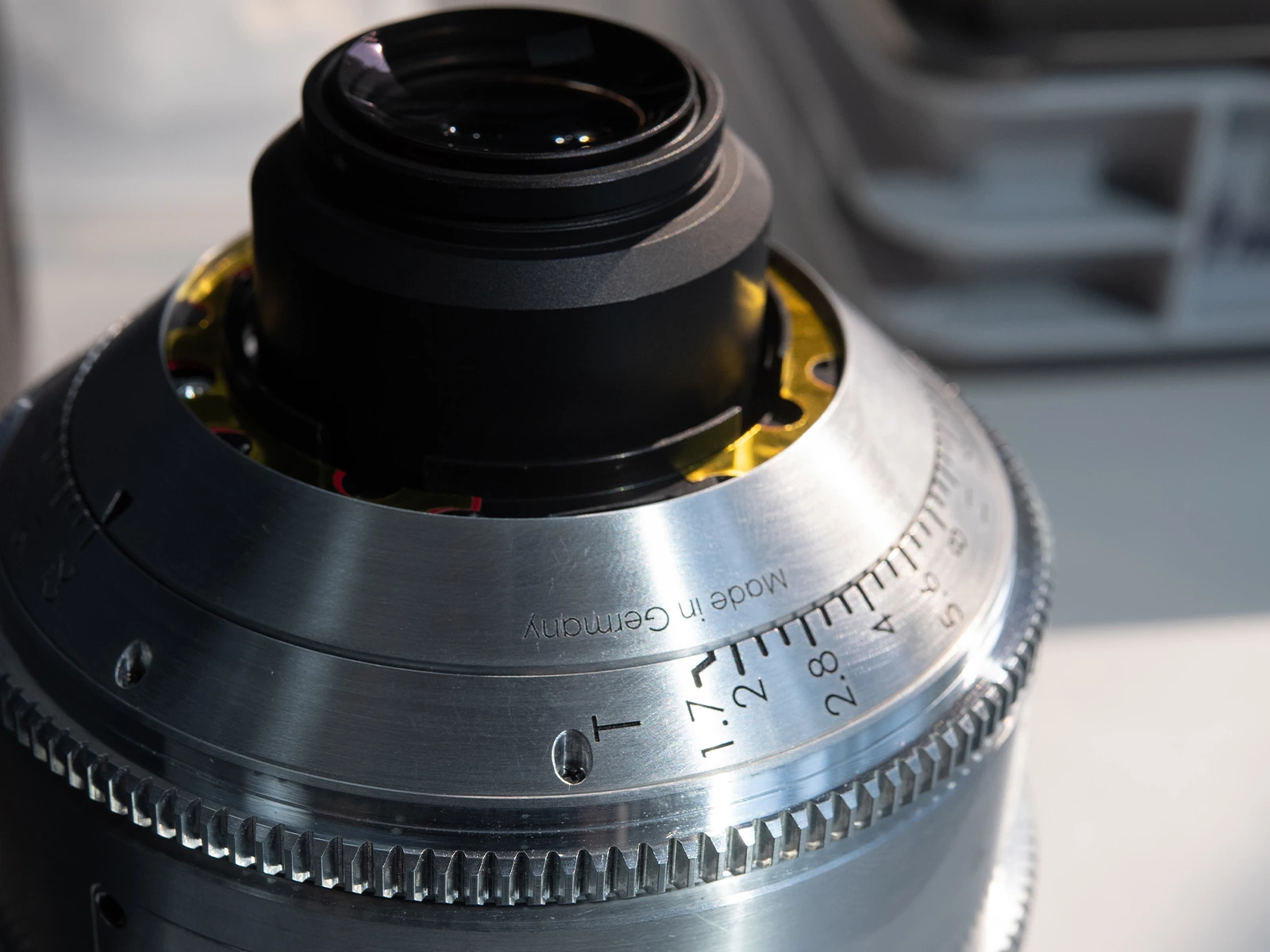
IB/E Optics describes the primes as delivering high sharpness, controlled out-of-focus rendition and refined colour correction. These are the manufacturer’s design intentions rather than independent test measurements: the K70 is positioned to create a cleaner, more controlled image than the character-led BLACKWING7 series.
Tuning the look and the TRIBE7–IB/E partnership
A notable feature is controlled optical detuning. Using IB/E’s O-Tool, trained lens technicians can adjust the optical performance for a softer rendering and later restore the original specifications. Internal filtration also provides further customization options. These are specialist adjustments, not casual on-set controls for the camera operator.
TRIBE7 brings its creative relationships with cinematographers and its brand identity, while IB/E Optics contributes optical engineering, manufacturing and technical support. The companies already worked together on BLACKWING7 primes. The first K70 sets are being described as a First Edition, although no independently verified price or firm commercial shipping date has been announced.
IB/E Optics maintains its original K70 announcements and background material in the company’s K70 press archive.
What we think
If you have worked with cinema lenses that only just cover Full Frame, the RIALTO 65 sensor size makes the purpose of this set obvious. A lens being fast or having “large format” printed on the barrel is not enough. It needs to deliver a usable image all the way to the edges of the actual frame you intend to record.
What interests me most is the combination of a clean image and controlled detuning. On a major production, you may need consistent sharpness and colour across the set without wanting the completely clinical look of a modern digital sensor. Being able to tune the character of the optics without switching to a different lens family is a serious creative advantage.
On set, the shared front diameter, PL/LPL options and /i data are just as relevant as T1.7. During a day with frequent setup changes, avoiding unnecessary rig adjustments saves time. I would still want to see real footage from the five confirmed focal lengths, particularly wide open at T1.7, to judge how they balance sharpness with bokeh and fall-off.