

Summary
- F-stop and T-stop are not interchangeable.
- One describes aperture geometry, while the other reflects actual light transmission.
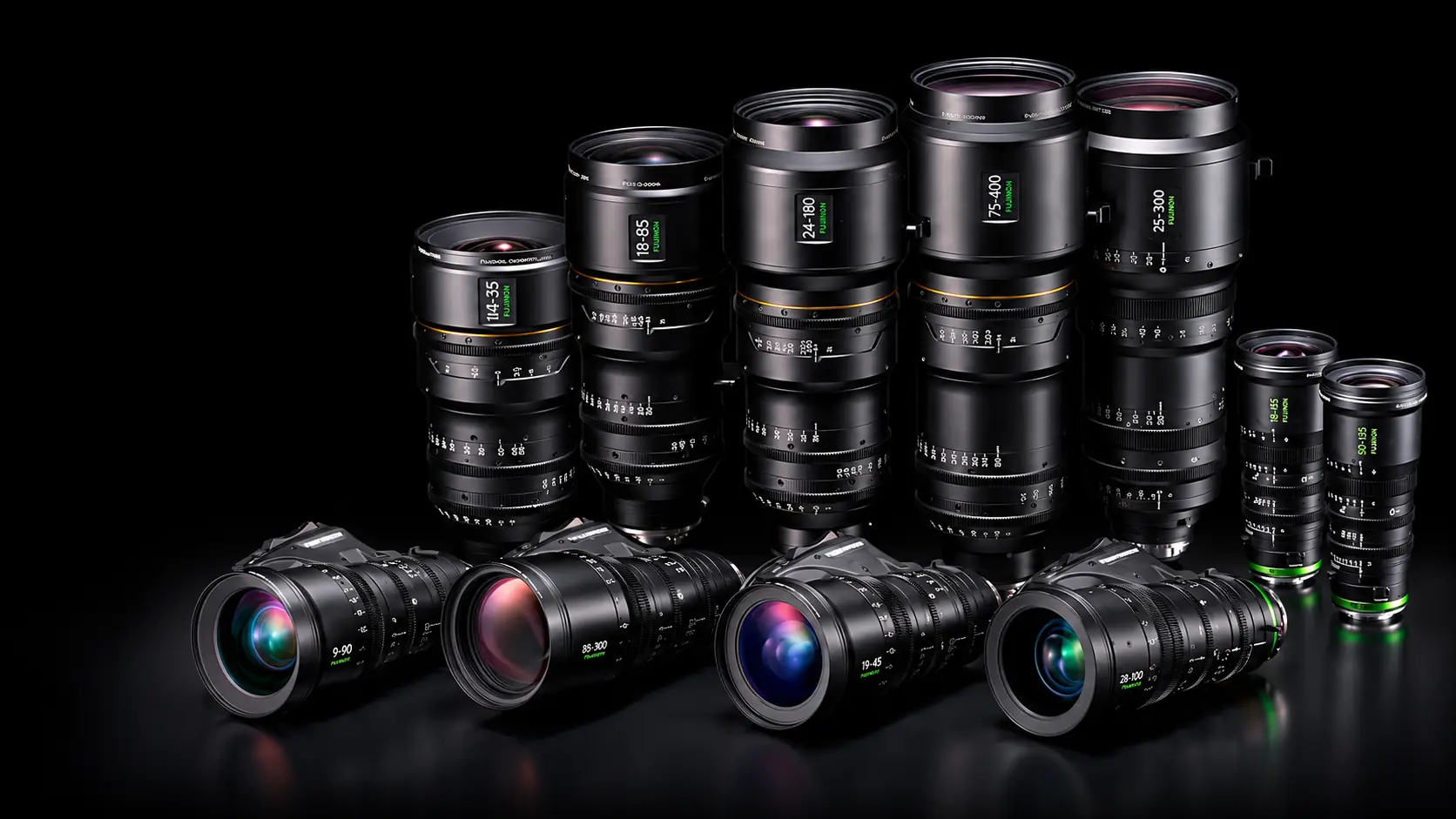
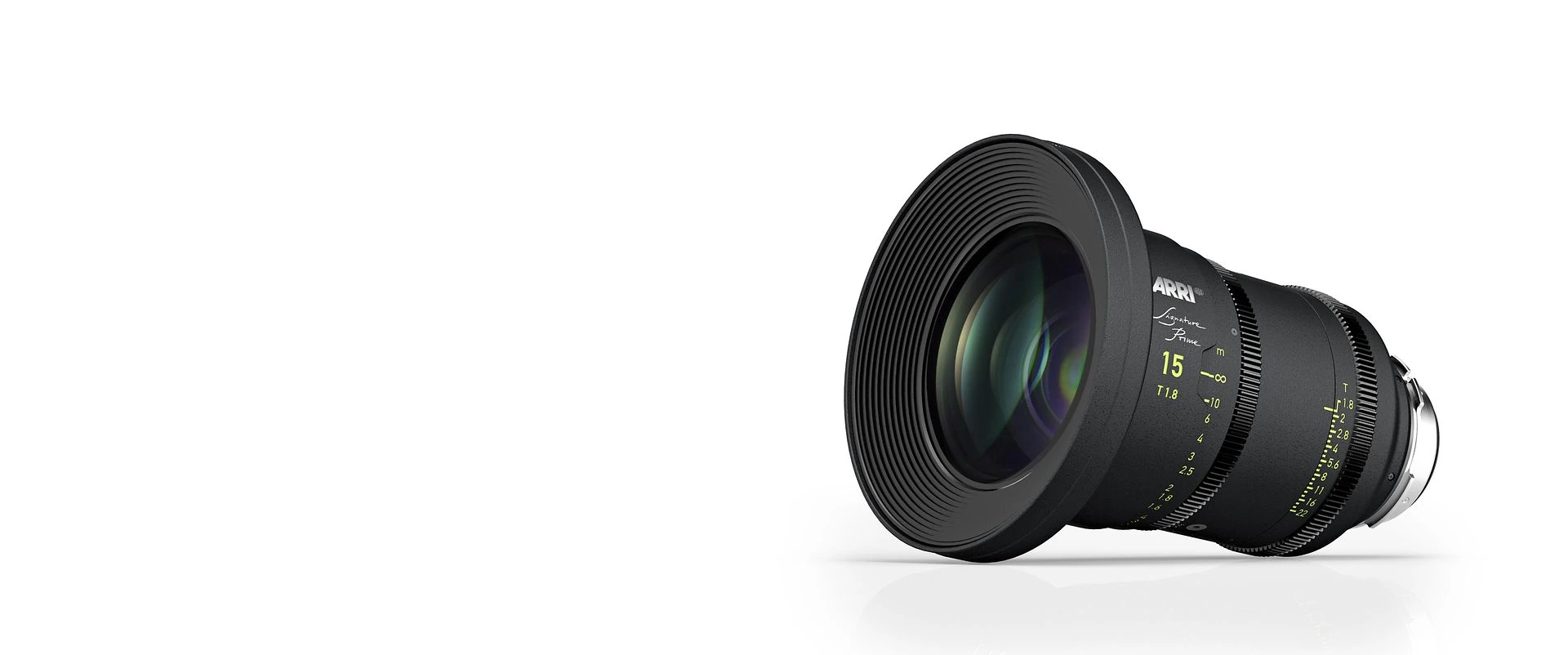
On cinema lenses, T1.5 is not simply another way of writing f/1.4: the marking refers to the lens’s actual light transmission.
The distinction becomes practical when changing lenses, shooting the same scene from different angles, or reproducing exposure across different takes and shooting days.
What f-stop measures and what T-stop measures
The f-stop, or f-number, is a geometric ratio linking focal length to the diameter of the entrance pupil. By itself, it does not measure how much of the light entering the lens will ultimately reach the sensor.
T-stop takes the real light losses inside the optical system into account. Sony defines it as a measurement of the actual amount of light that passes through the lens and reaches the sensor. If a lens is f/2.0 with 75% transmission, Sony’s example gives T2.3. This is why two lenses with the same f-stop can have different T-stop values.
Why T-stop matters on a film set
In cinema, exposure consistency is often more important than knowing only the geometric aperture value. When one lens is swapped for another, T-stop gives the cinematographer a more direct indication of how much light will actually reach the sensor with the other settings unchanged.
This is particularly useful in productions involving multiple camera angles, different shooting days and lens sets that need predictable exposure. Sony itself notes that this real-world comparison value is why T-stop is more useful to filmmakers than in most still-photography situations.
A real example: T3.1 while the aperture is f/2.8
The Sony FE C 16-35mm T3.1 G is a clear example of the distinction. Sony lists a maximum transmission of T3.1 while also specifying a geometric aperture of f/2.8. The f/2.8 value describes aperture geometry, while T3.1 describes transmission after losses inside the lens are taken into account.
So T3.1 does not mean the lens mechanically “stops down” to f/3.1. It is a different measurement designed to describe the exposure produced at the camera more accurately.
T-stop and depth of field are not the same thing
T-stop is an exposure tool, not a depth-of-field measurement. Geometric aperture, focal length, focus distance and capture format remain the key factors in determining how shallow or deep the focus range appears.
A low T-stop therefore does not, by itself, describe bokeh, sharpness, focus breathing or the overall rendering character of a cinema lens.
What we think
T-stop can look like a small technical detail until you need to keep exposure truly consistent while changing lenses on set. For still photography, f-stop is usually sufficient, but in an organised cinema workflow measured light transmission makes exposure behaviour more predictable.
Frequently asked questions
Is T1.5 the same as f/1.5?
No. f/1.5 is a geometric value, while T1.5 expresses actual light transmission. In real lenses, the numerical T-stop is normally slightly higher than the corresponding f-stop because some light is lost inside the optical system.
Can I convert an f-stop exactly into a T-stop?
Only if the transmission of that specific lens is known. Sony gives the relationship as T = f-number / √transmission, so an exact value requires a real or reliably measured transmission figure.
Why do still-photography lenses mostly use f-stops?
In still photography, small transmission differences are usually compensated for by the camera’s metering system. Sony notes that T-stop is less commonly used in most photography situations and is more valuable in filmmaking where repeatability matters.
Does T-stop determine bokeh?
Not directly. T-stop describes the light reaching the sensor, while bokeh and depth of field depend on aperture geometry and the lens’s overall optical design.