Summary
- The 1923 Leica 0-Series No.103 sold for €4.25 million.
- The auction took place in Wetzlar on October 10, 2026.
- It is the third prototype in a series with only 16 examples currently known to survive.
- Its provenance and role in the development of 35mm photography explain its collector appeal.
A 103-year-old camera from Leica’s earliest experimental series has sold in Germany for €4.25 million, a remarkable reminder of how consequential the move to 35mm photography became.
The 1923 Leica 0-Series No.103 was the headline lot at the eighth Wetzlar Camera Auctions sale on October 10, 2026. A bidding contest lasting roughly 20 minutes ended with the exceptionally rare camera finding a new owner.
It is the third camera in the experimental sequence, which began with serial number 101. Its significance, however, goes well beyond its final auction price.
An estimate of €2 million became a €4.25 million sale
The pre-sale estimate for this individual camera was €1.5 million to €2 million. The reported €4,250,000 final price includes buyer’s premium, exceeding the high estimate by more than twofold. Telephone bidders were among those competing for the camera.
This was no ordinary vintage production Leica. It is a genuine test camera from the period when Oskar Barnack’s idea for a compact camera had yet to establish itself as a viable commercial product. That place in photographic history is central to its value.
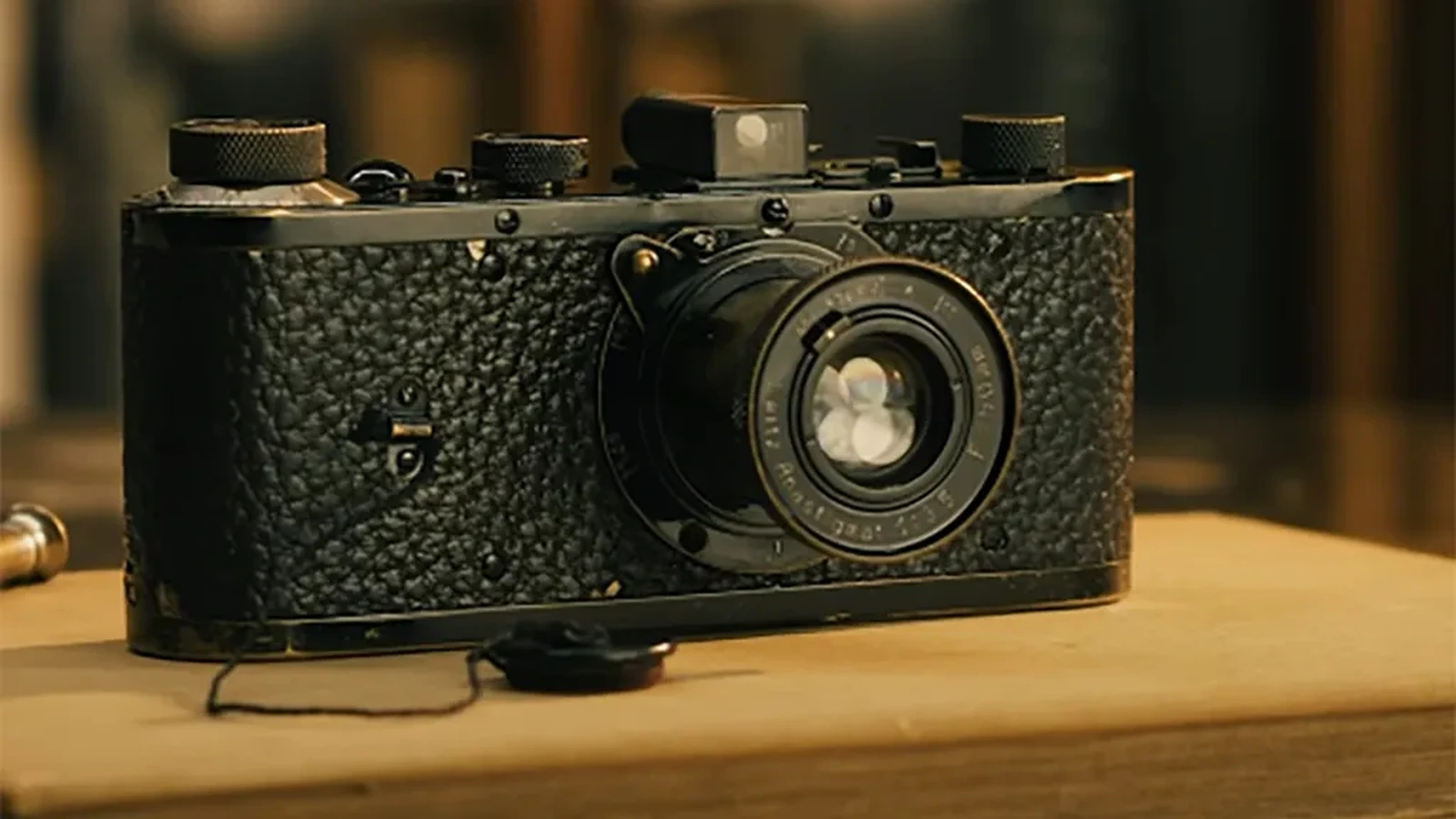
An early step toward the Leica I
Only 22 to 25 0-Series cameras were manufactured for testing in 1923. According to the auction house, just 16 examples are currently known to survive in museums and private collections.
Oskar Barnack had developed the idea of a small still camera using 35mm film rather than the bulkier photographic equipment common at the time. The experimental series helped Ernst Leitz II decide in 1924 to proceed with production. The Leica I made its public debut in 1925.
Making consecutive exposures with a more portable camera changed how photographers could move, approach a subject and work spontaneously. The 0-Series offers physical evidence of the moment before that concept had been proven commercially.
Why this particular No.103 matters
The camera has an unusually detailed ownership trail. Its original delivery records reference Bergassessor Kipper in Oberhausen, and it later entered the collection of Rolf Fricke (1927–2025), who bought it in Wetzlar during the 1970s. Fricke worked for Kodak in Rochester and was a pioneering collector of historic Leica cameras and a founding member of Leica collecting organizations.
It retains its original black-painted finish in fine condition, along with a five-element Anastigmat 50mm f/3.5 lens with an aperture scale extending to f/12. The catalogue also records a period conversion to a tubular viewfinder around 1924, plus its original leather lens cap and cord, spool and film cassette.
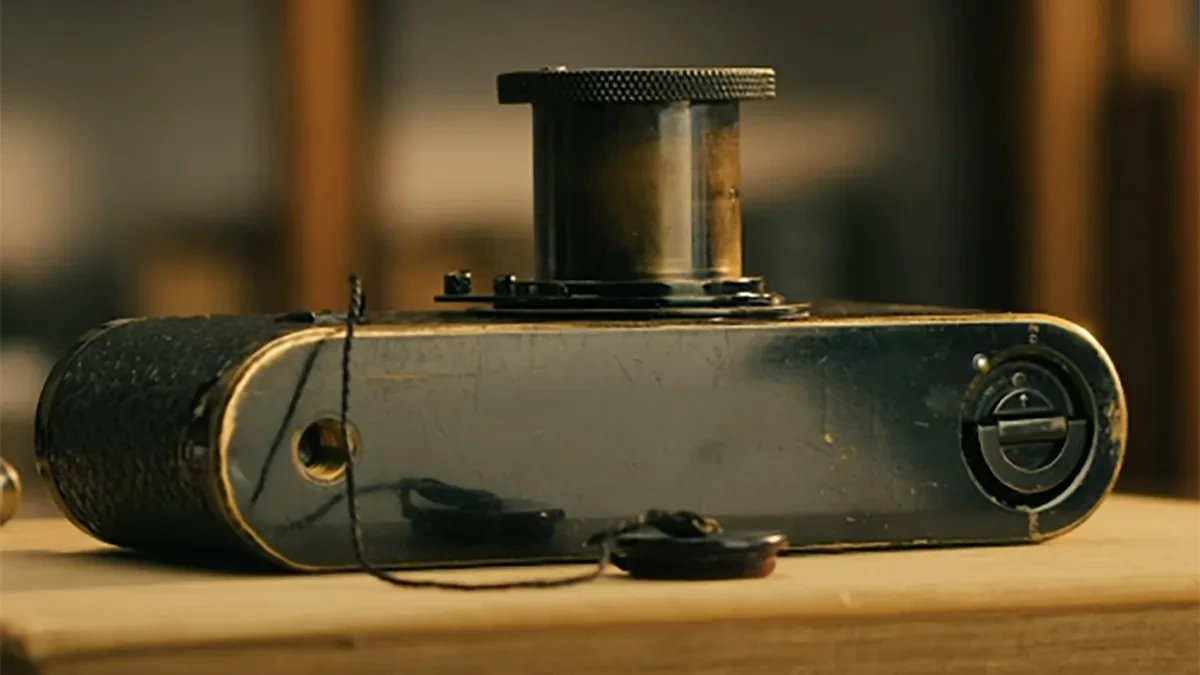
Details like these are crucial to collectors. Originality, historically appropriate modifications and a traceable chain of ownership matter far more in this market than whether the camera could serve as someone’s everyday photographic equipment.
An extraordinary price, but not a world record
No.103 is among the most expensive cameras sold at auction, but the record belongs to another member of the family. Leica 0-Series No.105, once owned by Oskar Barnack himself, achieved €14.4 million including premium in 2022.
In 2025, a different camera, Leica 0-Series No.112, sold for €7.2 million. These varying results show why scarcity alone cannot explain the price. The personal history of each surviving example, its early use and the strength of its documentation make a substantial difference.
What we think
The eye-watering price is an easy headline, but No.103 is most interesting because it comes from a moment when 35mm still photography was an ambitious experiment rather than the default. One of the earliest physical examples of that transition survives, along with records of the people who owned it.
For photographers, the practical legacy is tangible: a smaller camera and the freedom to shoot a sequence of frames changed the relationship between the image-maker and the subject. You do not have to collect Leicas to appreciate that shift. The historical value here is not some superior technical specification, but the early implementation of an approach that influenced generations of photographers.
The auction price is not a measure of photographic quality, nor does it mean every old camera is an investment. It reflects what particular collectors were prepared to pay for an exceptionally rare, identifiable artifact with extraordinary historical significance. That distinction matters.
Frequently asked questions
What was the Leica 0-Series?
A small experimental series made in 1923 to test Oskar Barnack’s compact-camera idea before the Leica I reached the market in 1925.
Does the €4.25 million price include buyer’s premium?
Yes. The reported final sale price includes buyer’s premium, rather than referring only to the winning bid at the hammer.
Is it the most expensive camera ever auctioned?
No. The Leica 0-Series No.105 achieved €14.4 million including premium in 2022, a higher auction record.