Summary
- ARRI Film Lab 1.5 adds 8mm, 16mm and 65mm emulations alongside 35mm.
- New controls refine grain, detail, halation and anamorphic texture.
- ARRI claims processing up to four times faster and adds ACES 2.0 support.
- Existing license holders receive the upgrade free of charge.
From the rough texture associated with 8mm to the finer detail of 65mm, ARRI Film Lab 1.5 gives filmmakers more ways to shape the character of analog film in a digital grade.
Announced by ARRI on October 12, 2026, the update expands the company’s licensed OpenFX post-production plugin with new film-format choices, faster rendering and improved color-management integration. Existing license holders can upgrade free of charge.
From 8mm to 65mm: four film-format starting points
The original Film Lab based its film emulation on 35mm. Version 1.5 introduces 8mm, 16mm, 35mm and 65mm options. Choosing a format does not change how the footage was captured; it sets a starting point for the simulated grain and detail characteristics applied in post.
Two new independent controls, Grain Size and Rendition of Detail, both run from 0.75 to 1.5. The first changes grain scale, while the second modifies perceived sharpness. Rather than being locked into four presets, colorists can combine a rougher grain texture with a different level of detail.
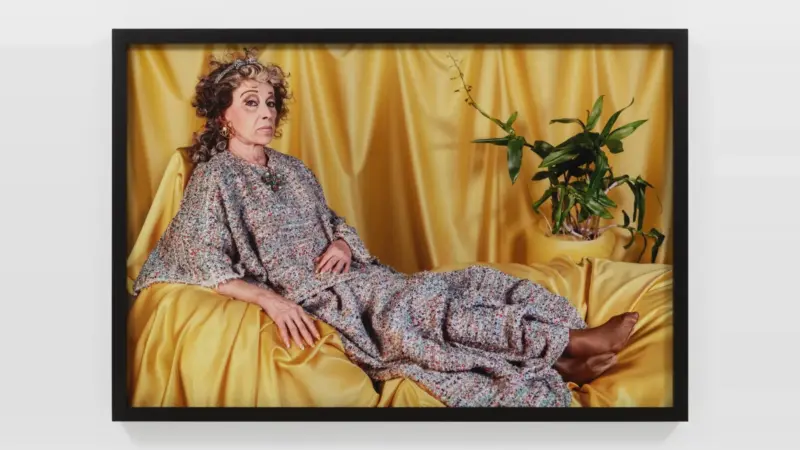
The distinction between capturing on film and simulating its qualities matters. On The Beloved, a production mixing actual 16mm, 35mm, 65mm and digital cameras, the differences originated in the production itself. Film Lab offers related aesthetic choices at the grading stage without turning digital footage into a photochemical negative.
More precise halation and anamorphic control
The new Anamorphic Ratio control offers eight squeeze ratios between 1.25× and 2.0×, adjusting the horizontal appearance of grain and halation to better suit footage shot with anamorphic lenses. Halation is the characteristic glow near bright highlights and high-contrast edges.
A dedicated Halation Spread parameter now adjusts the size and character of that glow separately from intensity. ARRI has also doubled the upper limits for both Grain Intensity and Halation Intensity, which now extend to 2.0 instead of 1.0.
Existing negative-stock, print-process and Gate Weave controls are retained. The latter simulates subtle picture instability associated with film transport, so the same plugin can support anything from understated texture to more deliberately vintage treatments.
Up to four times faster, with real-time 4K on more hardware
ARRI claims up to 4× faster processing compared with the previous version. That is an upper-end figure, not a promise of identical gains with every GPU, timeline or combination of effects.
According to the company, smooth real-time 4K playback is now possible on more computers, including Apple Silicon MacBook Pro systems. For colorists evaluating grain or halation across a sequence, faster previews mean less interruption between making an adjustment and judging the result.
ACES 2.0 and better integration with Resolve and Baselight
Film Lab 1.5 introduces ACES 2.0 ACEScc and ACEScct input/output options alongside existing LogC3 and LogC4 workflows. As an OpenFX plugin, it integrates with post-production applications including DaVinci Resolve, Baselight and Nuke, and can handle appropriately managed RGB footage from other camera brands.
In Baselight, OpenFX 1.5 color-management integration lets the plugin follow the timeline color space automatically and receive the proper input transform. Removing that manual setting is particularly useful in collaborative pipelines where an incorrect color-space selection can affect the look.
Price and availability
ARRI Film Lab 1.5 is available now through RE:Vision Effects. The upgrade is free for existing license holders; new customers can choose subscription or perpetual licensing, and a trial is offered. No official euro-denominated European price was verified.
One important distinction: the post-production plugin is shipping, but the previously announced non-destructive Film Lab look preview inside ALEXA 35 cameras should not be confused with this release. ARRI still describes that camera function as dependent on a forthcoming firmware update. More details here.
What we think
The addition of 8mm and 16mm matters for more than a longer preset menu. Filmmakers aiming for a home-movie character or a rougher cinematic texture can now begin with a recognizable set of film characteristics and then shape them. The ability to tune grain scale and perceived detail separately is what gives these options genuine value.
ARRI is also treating the film look as part of a managed color pipeline rather than a finishing trick. ACES 2.0 support and Baselight’s automatic color-space handling are relevant to teams moving work between systems, where predictable results can matter as much as the look of an individual shot.
It is still worth separating film emulation from actual film capture. Photochemical processes impose their own constraints and variations, influencing decisions long before grading begins. For a digital production, Film Lab’s appeal lies in consciously designing an editable texture—not in claiming that every difference between the two media disappears.
Frequently asked questions
Does Film Lab work only with footage from ARRI cameras?
No. It can process RGB images from other cameras when the material is prepared within a compatible color-managed workflow.
Does choosing 8mm or 65mm convert footage into real film?
No. These are post-production emulation settings; they do not change the medium used during capture.
Do existing Film Lab customers have to pay for version 1.5?
No. ARRI says the 1.5 upgrade is free for existing license holders.